

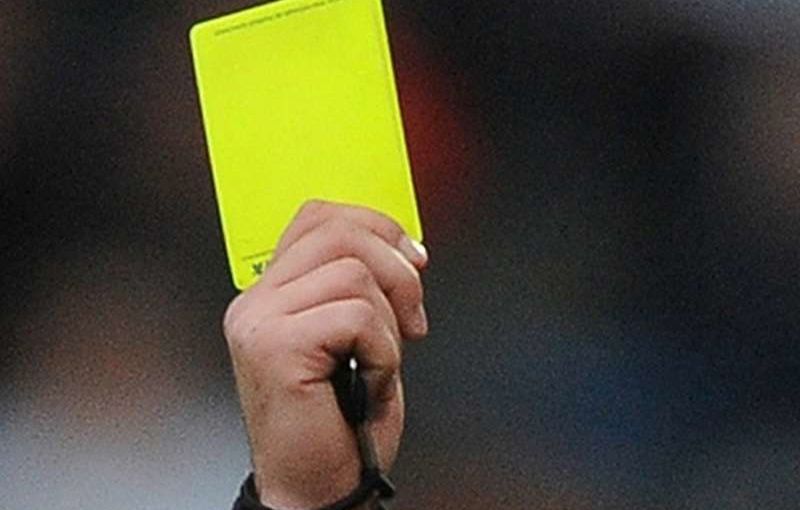
A yellow card is an official caution given to a player for misconduct.
I have spent years as a coach, referee observer, and long-time fan studying how the yellow card in soccer shapes play and discipline. This guide explains what a yellow card in soccer means, why referees show it, common fouls that trigger it, how it affects players and teams, and practical tips to avoid it. Read on for clear rules, real examples, and action you can use on the pitch.

36% off Today’s Exclusive Deals
Limited-time Exclusive Deals. Check current discount on Amazon.
Check Price on Amazon As an Amazon Associate I earn from qualifying purchases.
Definition and basic rules of a yellow card in soccer
A yellow card in soccer is a formal caution. It warns a player for unsporting behavior or rule breaches. The Laws of the Game list specific reasons for a yellow card in soccer. A player stays in the match after a yellow card unless they receive a second yellow, which becomes a red card. Referees record the yellow card on a match report and usually note the player’s number and time.

Why referees issue a yellow card in soccer
Referees issue a yellow card in soccer to keep control of the match. The caution deters repeat fouls and dangerous play. Common aims are to protect player safety and keep the match fair. A yellow card signals that a player must change behavior or risk further sanction.
Common offenses that lead to a yellow card in soccer
Here are typical reasons referees show a yellow card in soccer:
• Unsporting behavior. This covers reckless tackles, diving, or deliberately wasting time.
• Persistent fouling. Repeated minor fouls that disrupt play.
• Dissent by word or action. Arguing with the referee or showing dissent.
• Delaying the restart of play. Blocking the ball or holding it to waste time.
• Failure to respect restart distance. Standing too close on free kicks or corners.
• Entering or re-entering the field without permission. Coming on without the referee’s OK.
• Tactical fouls that stop a promising attack. Using a foul to halt a clear chance.
Each offense can be context-sensitive. A reckless tackle may be a yellow in one case and a red in another, depending on severity.

Consequences and accumulation of yellow cards
A yellow card in soccer has immediate and longer-term effects. Immediately, the player remains on the field but is cautioned. A second yellow in the same match becomes a red card and the player is sent off. Across a tournament or league, yellow cards can add up to suspensions. Many competitions set thresholds (for example, two or three yellows lead to a one-match ban). Teams must manage players at risk of suspension in key fixtures.

How referees show and record a yellow card in soccer
Referees signal a yellow card by holding a yellow card above their head. They usually stop play first, show the card, and then restart play according to the situation. Assistants and fourth officials may help note the card. After the match, referees include the yellow card details in the official report. This record can affect post-match discipline and appeals.

Tips for players to avoid a yellow card in soccer (practical advice)
I have coached players at youth and adult levels. Here are tips I often give:
• Stay calm and control emotions. Arguing risks a yellow card in soccer.
• Improve timing on tackles. Late or reckless tackles earn cautions.
• Use body positioning to defend, not forceful contact. Good position reduces fouls.
• Manage time-wasting carefully. Avoid clear delay tactics.
• Communicate with your teammates to avoid defensive breakdowns that lead to tactical fouls.
• If you are on a yellow, tell the coach during a stoppage so they can plan a substitution.
These habits lower the chance of a yellow card in soccer and help teams keep a full squad on the field.

Variations across competitions and rule updates
Different leagues and tournaments handle yellow card in soccer rules slightly differently. Some competitions clear accumulated yellows after group stages. Others carry them through knockout rounds. Refereeing bodies can update the laws, such as stricter punishment for simulation or stronger protection for goalkeepers. Players and coaches must check competition rules before matches to understand suspension thresholds and card resets.

Real examples and lessons learned
Famous matches show how a yellow card in soccer can change outcomes. A single caution can make a player more cautious and less effective. A red that follows a second yellow can leave a team a player down and force tactical shifts. From my experience coaching a club side, a midseason run of yellow cards signaled a lack of discipline. We trained to improve tackle timing and emotional control. Cards dropped dramatically after two weeks.
Related concepts and brief definitions
• Red card: A sending-off after a serious foul or a second yellow in the same match.
• Cautionable offense: Any act that may result in a yellow card in soccer.
• Accumulation rule: Competition rule that links multiple yellow cards to suspension.
• Simulation: Attempt to deceive the referee, often a yellow card in soccer offense.
• Dissent: Verbal or physical disagreement with the referee, usually cautioned.
Frequently Asked Questions of What is a yellow card in soccer?
What happens after a player receives a yellow card in soccer?
The player is officially cautioned and remains on the field. A second yellow in the same match leads to a red card and dismissal.
Can a referee remove a yellow card in soccer after the match?
No. The referee’s in-game decision stands, but governing bodies can review incidents for further discipline. Match reports may lead to additional sanctions if needed.
How many yellow cards lead to a suspension in soccer?
It depends on the competition. Most leagues enforce a suspension after a set number of accumulated yellow cards, often two or three in early rounds.
Does a yellow card in soccer affect player substitutions?
Not directly, but coaches may substitute a cautioned player to avoid the risk of a second yellow and a red. Tactical changes are common after cautions.
Can a goalkeeper get a yellow card in soccer?
Yes. Goalkeepers can receive a yellow card for the same offenses as any player, such as time wasting, dissent, or reckless play.
Conclusion
A yellow card in soccer is a key tool for keeping games safe and fair. It warns players to adjust behavior and protects the flow of the match. Learn the common reasons for a yellow card in soccer, practice clean technique, and manage emotions on the pitch to reduce cautions. If you coach or play, track card counts in competitions and plan substitutions smartly. Share your experiences, subscribe for more guides, or leave a comment with a memorable yellow card moment.

