

Jungle trekking is not just a walk in the woods. It’s a challenging journey through wild, unpredictable nature. The thrill of exploring untouched rainforests, hearing exotic birds, and seeing rare plants often draws adventurers into these mysterious environments. But the same beauty hides real dangers—slippery paths, wild animals, extreme weather, and even diseases you won’t find in cities. That’s why proper safety precautions are not just helpful—they’re essential. Whether you’re a first-timer or a seasoned trekker, understanding and preparing for these risks can mean the difference between an unforgettable adventure and a disaster.
This guide covers all the key safety steps you need to know before heading into the jungle. You’ll discover how to plan your trek, what to pack, what dangers to expect, and how to react if something goes wrong. We’ll also look at mistakes that even experienced trekkers make, and how you can avoid them.

36% off Today’s Exclusive Deals
Limited-time Exclusive Deals. Check current discount on Amazon.
Check Price on Amazon As an Amazon Associate I earn from qualifying purchases.By the end, you’ll feel confident about making your jungle trekking trip not only exciting, but safe.
Understanding Jungle Hazards
Jungle environments are unique. They are often hot, humid, and filled with life that’s both fascinating and dangerous. Before you pack your bag, it’s important to know what you might face.
Wildlife risks are real. Snakes, spiders, and insects can deliver painful, sometimes deadly, bites or stings. Large animals like wild boars or even tigers exist in some regions, though most avoid humans if not threatened.
Weather is another key hazard. Tropical jungles can experience sudden rainstorms, leading to flash floods or slippery trails. High humidity increases the risk of heat exhaustion and dehydration.
Terrain is tough. Expect muddy paths, steep climbs, and thick vegetation. It’s easy to get lost or injured if you’re not careful.
Diseases like malaria, dengue fever, and leishmaniasis are common in many jungles. Mosquitoes and other insects spread these illnesses. Waterborne diseases from streams and rivers are also a threat.
Many beginners underestimate how quickly a small problem can become a big emergency in the jungle. For example, a minor cut can get infected fast due to bacteria-rich environments. Or a missed turn can leave even an experienced hiker lost for hours.
Preparation is your best defense.
Planning And Research
Every safe trek starts long before you step into the forest. Good planning can prevent most emergencies.
Research Your Destination
Find out about the local climate, terrain, and potential hazards. Check recent weather reports, and look for news about landslides, floods, or outbreaks of disease. Local tourism websites, travel forums, and even park rangers are good sources of up-to-date information.
Permits And Regulations
Many jungles require permits for trekking. These rules protect both the environment and trekkers. Permits often include insurance, guides, or safety briefings. Ignoring them can lead to fines or being turned away at checkpoints.
Group Or Solo?
Trekking with a group is always safer than going alone. If you must go solo, inform someone reliable about your route and expected return time. Some parks require all trekkers to hire a local guide, and this is always a smart choice.
Physical Preparation
Jungle trekking is physically demanding. Start fitness training weeks before your trip, focusing on endurance, leg strength, and balance. Practice carrying a loaded backpack to get used to the weight.
Emergency Contacts
Write down local emergency numbers, ranger stations, and the nearest hospital. Save these on your phone and keep a paper copy in your backpack.
Essential Gear For Jungle Trekking
Having the right equipment is crucial. Poor gear choices can lead to discomfort, injury, or even life-threatening situations. Here’s a breakdown of what you’ll need and why:
| Item | Purpose | Key Features |
|---|---|---|
| Sturdy backpack | Carry essentials | Waterproof, padded straps |
| Water bottle & filter | Hydration | Lightweight, portable filter |
| First-aid kit | Treat injuries | Antiseptic, bandages, tweezers |
| Machete/knife | Clear trail, emergencies | Sharp, rust-resistant |
| Lightweight tent/hammock | Sleeping | Waterproof, mosquito net |
| Rain poncho | Protection from rain | Full-body coverage |
| Navigation tools | Find your way | Map, compass, GPS |
| Insect repellent | Prevent bites | DEET-based or natural |
| Headlamp/flashlight | Night visibility | Extra batteries |
| Sun protection | Prevent sunburn | Hat, sunscreen, sunglasses |
Clothing
- Wear long-sleeved shirts and long pants to protect against insects and plants.
- Choose moisture-wicking fabrics to keep sweat away and prevent rashes.
- Bring a hat and a light scarf to shield your neck from sun and bugs.
- Waterproof boots with good ankle support are essential for rough, wet terrain.
Food And Water
Carry enough high-energy snacks like nuts, dried fruit, and energy bars. Plan for at least 2-3 liters of water per person, per day. Water sources in the jungle may look clean but can be contaminated. Always use a filter or boil water before drinking.
Communication Devices
Bring a fully charged mobile phone with a backup power bank. In remote areas, consider a satellite phone or a personal locator beacon (PLB) for emergencies.
Health And Medical Precautions
Jungle environments can be tough on the body. Take steps to protect your health before and during your trek.
Vaccinations
Consult your doctor at least 4-6 weeks before travel. Common vaccines for jungle areas include:
- Hepatitis A and B
- Typhoid
- Tetanus
- Rabies (especially if you may encounter wild animals)
- Yellow fever (required in some countries)
Malaria And Mosquito Protection
Malaria is spread by mosquitoes in many jungles. Take prescribed antimalarial medication if recommended for your region. Use insect repellent with DEET, and sleep under a mosquito net. Wear light-colored clothing to make it easier to spot ticks and insects.
Dealing With Water And Food
Never drink untreated water. Even clear streams can carry bacteria or parasites. Peel fruits, cook all food thoroughly, and avoid food sold by street vendors in remote areas.
Handling Cuts And Bites
Clean any cuts or scratches immediately with clean water and antiseptic. Cover wounds with waterproof bandages. If you’re bitten or stung by an unknown animal or insect, seek medical help as soon as possible.
Sun And Heat Protection
The jungle canopy may block some sunlight, but UV rays can still reach your skin. Use sunscreen on exposed areas. Drink water often to avoid dehydration, and rest in the shade during the hottest part of the day.
Navigation And Route Safety
Getting lost is one of the most common dangers in the jungle. Always know where you are and how to get back.
Maps, Gps, And Local Guides
Use detailed maps and a compass. GPS devices are helpful, but batteries can fail. Local guides know the terrain and can spot hazards you might miss. Even experienced trekkers benefit from their expertise.
Marking Your Route
Mark your trail with biodegradable tape or take photos at key points. Some trekkers use small piles of stones, but be careful not to disturb the environment.
Understanding The Terrain
Learn about local rivers, cliffs, and animal paths. In many jungles, trails can vanish after heavy rain or landslides. Always check with locals about recent changes to the trail.
Emergency Signals
Carry a whistle and a small mirror for signaling if you get lost. Three blasts of a whistle or flashes from a mirror are recognized distress signals.
Weather Preparedness
Weather changes quickly in the jungle. Being caught unprepared can be dangerous.
Rain And Floods
Sudden rainstorms can flood trails and rivers. Set up camp on high ground, away from rivers or dry stream beds. Always check weather forecasts before heading out.
Heat And Humidity
High humidity makes it hard for sweat to evaporate, so your body may overheat. Take frequent breaks, wear light clothing, and drink water regularly.
Cold Nights
Jungle nights can be surprisingly cold. Bring a lightweight sleeping bag or thermal blanket, even if the days are hot.
| Weather Condition | Precaution | Equipment Needed |
|---|---|---|
| Heavy rain | Seek shelter, avoid rivers | Rain poncho, tarp |
| Extreme heat | Hydrate, rest often | Water bottle, hat |
| Cold nights | Wear layers, use blanket | Thermal clothes, sleeping bag |
| Thunderstorms | Stay away from tall trees | None (seek natural shelter) |
Wildlife Safety
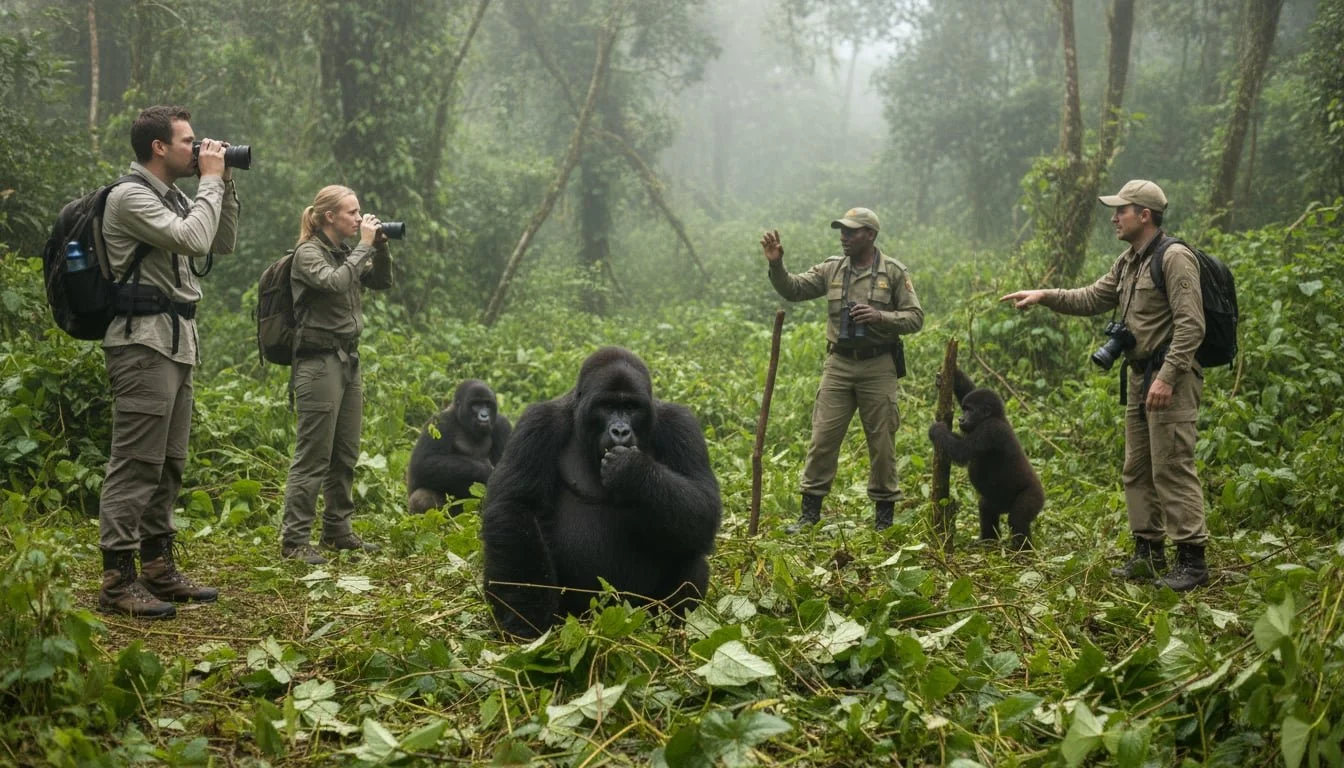
Animals in the jungle usually avoid humans, but sometimes encounters happen. Here’s how to reduce the risks.
Avoiding Dangerous Animals
- Make noise while walking to avoid surprising animals.
- Do not approach, feed, or try to touch wildlife.
- Store food in sealed containers to avoid attracting animals to your camp.
Snake Bites
Most snakes will not attack unless threatened. Watch where you step and put your hands. If bitten, keep calm and seek medical help immediately—do not try to suck out the venom or cut the wound.
Insects And Parasites
Mosquitoes, leeches, and ticks are common. Wear long sleeves, use repellent, and check your body often. Remove leeches with salt or a lighter touch, not by pulling.
Dealing With Larger Animals
In rare cases, you might see larger animals like wild boar or even big cats. Do not run—back away slowly and make yourself look larger. If camping, keep your site clean and avoid cooking strong-smelling food.
Campsite Safety
Picking the right spot and setting up camp safely is vital for overnight treks.
Site Selection
Choose a site on high ground, away from rivers (which may flood) and animal trails. Look for flat, clear ground with natural windbreaks.
Fire Safety
If fires are allowed, build them in a cleared area. Never leave a fire unattended, and fully extinguish it before sleeping or leaving.
Waste Disposal
Pack out all trash. Use a small shovel to bury human waste at least 8 inches deep and 200 feet from water sources.
Food Storage
Hang food bags from a tree branch, at least 10 feet off the ground, to keep animals away.
Common Mistakes And How To Avoid Them
Many accidents happen because trekkers ignore basic rules or think “it won’t happen to me.” Here are frequent errors and ways to avoid them:
- Underestimating the Jungle: Even experienced hikers can get lost or injured if they don’t respect the environment.
- Poor Planning: Skipping research or not telling anyone your plans is risky.
- Wearing Inappropriate Clothing: Shorts and sandals invite cuts, bites, and infections.
- Ignoring Weather Warnings: Entering the jungle during storms or heavy rains can trap you.
- Not Carrying Enough Water: Dehydration is common, especially in hot, humid conditions.
- Leaving Food Unsecured: This attracts animals to your camp.
- Improper Waste Disposal: Contaminates water and harms wildlife.
- Not Checking for Ticks or Leeches: Infections can develop quickly in the jungle.
- Relying Only on GPS: Batteries can die; always carry a map and compass.
- Refusing Local Advice: Guides and locals know the area best—ignore them at your peril.
Emergency Preparedness
No matter how well you plan, emergencies can happen. Knowing what to do can save lives.
First Aid
Learn basic first aid before your trip. Practice treating cuts, sprains, insect bites, and dehydration. Carry a compact first aid manual in your kit.
Lost Or Separated
If you get lost, stay calm. Stop moving, make yourself visible, and use your whistle or mirror to signal. Don’t wander—rescue teams search from known locations.
Injuries
If someone is hurt, stabilize them as best as you can. Use your first aid kit and seek help immediately. In remote areas, a satellite phone can be a lifesaver.
Weather Emergencies
If caught in severe weather, find shelter quickly. Avoid rivers, cliffs, and tall trees during storms. If a flood threatens, move to higher ground immediately.

Environmental Responsibility
The jungle is a fragile ecosystem. Trekkers have a duty to protect it for future generations.
Leave No Trace
Follow the Leave No Trace principles:
- Carry out all trash.
- Do not pick plants or disturb animals.
- Stay on marked trails to avoid trampling sensitive areas.
- Do not carve names or markings on trees or rocks.
Supporting Local Communities
Hire local guides and buy supplies from local shops. This supports conservation and sustainable tourism in the area.
Respecting Rules
Follow all park rules and respect cultural practices of indigenous people. Many jungles are sacred or have special significance to local communities.
Real-world Example: Jungle Trekking In Borneo
Borneo’s rainforests are among the most biodiverse on Earth. Trekkers face dense vegetation, unpredictable weather, and rare wildlife like orangutans and pygmy elephants. In 2017, a group of hikers became lost for three days after leaving the main trail without a guide.
They survived by purifying stream water with tablets, using emergency blankets at night, and signaling for help with a mirror. Their story shows the importance of preparation, carrying the right gear, and respecting the jungle’s dangers.
Comparison: Jungle Vs. Mountain Trekking Safety
For a clearer understanding, here’s how jungle trekking compares to mountain trekking in terms of safety needs:
| Aspect | Jungle Trekking | Mountain Trekking |
|---|---|---|
| Climate Risk | Heat, humidity, rain | Cold, snow, altitude |
| Wildlife Risk | Snakes, insects, large animals | Few animals, mainly altitude sickness |
| Navigation | Thick vegetation, few landmarks | Open views, marked trails |
| Health Risks | Diseases, parasites | Altitude sickness, cold-related illness |
| Essential Gear | Insect repellent, machete, water filter | Warm clothes, crampons, oxygen |
Practical Tips For A Safe Jungle Trek
- Always check for leech socks if trekking in wet areas.
- Bring a waterproof pouch for electronics and important documents.
- Practice packing and unpacking your backpack at home to save time on the trail.
- Don’t rely on one type of food—variety helps maintain energy.
- Learn a few words of the local language for emergencies.
- Double-check all gear the night before your trek.
Frequently Asked Questions
What Is The Most Important Safety Precaution For Jungle Trekking?
The single most important precaution is good preparation. This includes researching your destination, planning your route, packing the right gear, and knowing what hazards to expect. Preparation helps you avoid most dangers before they become serious.
How Can I Protect Myself From Insect-borne Diseases In The Jungle?
Use insect repellent with DEET, wear long sleeves and pants, and sleep under a mosquito net. Take recommended vaccines and medications for diseases like malaria or yellow fever. Avoid standing water where mosquitoes breed.
Is It Safe To Drink Water From Rivers Or Streams In The Jungle?
No, untreated water is often contaminated. Always use a water filter or purification tablets before drinking river or stream water. Boiling water is also effective if you have the means.
Should I Hire A Local Guide For Jungle Trekking?
Yes, hiring a local guide is highly recommended. Guides know the area, can help spot dangers, and are invaluable in emergencies. In some regions, they are required by law.
What Should I Do If I Encounter A Wild Animal During My Trek?
Stay calm, do not run, and back away slowly. Make yourself look bigger and avoid direct eye contact. Most animals will leave if not threatened. If bitten or scratched, seek medical help immediately.
For more detailed advice and safety tips, you can also visit the Centers for Disease Control and Prevention (CDC) Travel Health page.
Jungle trekking is a rewarding adventure, but only if you respect the risks and prepare well. With the right knowledge, gear, and attitude, you can enjoy the wild safely and responsibly. Every step you take in preparation is a step toward a safe return—and a truly unforgettable journey.

