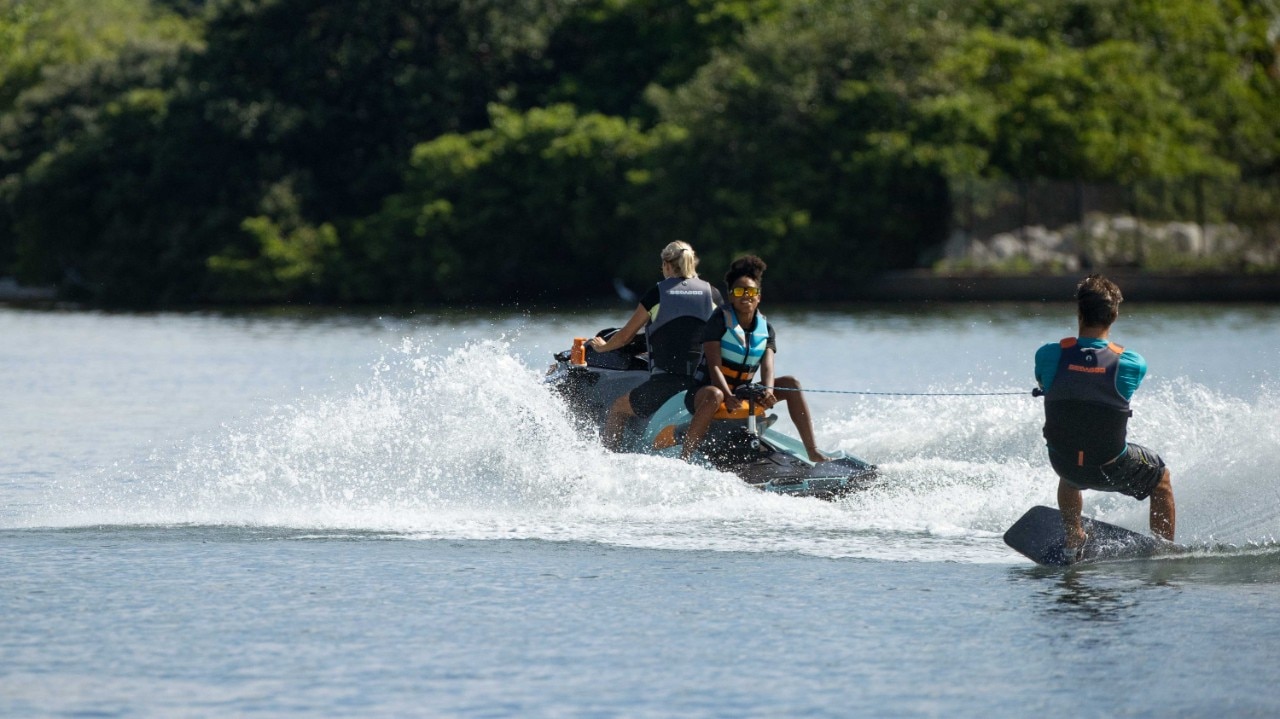
When you’re out on the water with family or friends, there’s nothing like the rush of pulling a skier or a tube behind your boat. The right ski pylon can make all the difference in safety, performance, and overall fun. But with so many options on the market, picking the best ski pylon for waterskiing and tubing can feel confusing—especially if you’re not a boating expert. This guide will walk you through everything you need to know, from pylon types and installation tips to real-world pros and cons of popular models. You’ll also find practical advice for avoiding common mistakes and maximizing your time on the water.
Why The Right Ski Pylon Matters
A ski pylon is more than just a metal pole sticking up from your boat. It’s designed to provide a high, central attachment point for your tow rope. This keeps the rope clear of the boat’s wake and reduces stress on your boat’s structure. The wrong pylon—or using no pylon at all—can lead to dangerous pulls, damaged boats, or poor performance for the skier or tuber. For families and watersport lovers, investing in the right pylon means more fun and fewer worries.

36% off Today’s Exclusive Deals
Limited-time Exclusive Deals. Check current discount on Amazon.
Check Price on Amazon As an Amazon Associate I earn from qualifying purchases.Skiing Vs Tubing: Different Needs
While both activities involve towing someone behind a boat, waterskiing and tubing place different demands on a pylon. Skiers need a strong, stable, and high attachment to help them get up on the water and maintain their balance. Tubers, especially with multiple riders, put a lot of sideways force on the pylon. Not all pylons are rated for tubing, so picking the wrong one can lead to bent hardware or worse.
Types Of Ski Pylons
Understanding the main types of ski pylons helps you match the right product to your boat and activities. Here are the primary categories:
1. Permanent (fixed) Ski Pylons
These are bolted directly into the boat’s structure—often inboard ski boats or specialized towboats. They offer maximum strength and stability. If your boat came with a factory-installed pylon, it’s likely this type.
Pros:
- Extremely strong
- Minimal sway or movement
- Often rated for both skiing and tubing
Cons:
- Requires drilling and permanent modification
- Not easily removed or adjusted
- Usually expensive
2. Removable Ski Pylons
Removable pylons are popular for boats that don’t come with a dedicated tow point. These units typically use clamps or bases that fit into existing seat mounts or deck holes.
Pros:
- No major boat modifications needed
- Can be removed when not in use
- Good for boats with limited space
Cons:
- May not be as strong as permanent pylons
- Some models only rated for skiing, not tubing
3. Universal/adjustable Ski Pylons
These are designed to fit a wide range of boats. They often use telescoping arms and adjustable mounting feet.
Pros:
- Fits many boat types and sizes
- Easy to install and remove
- Good option for families with different boats
Cons:
- May not feel as solid as dedicated models
- Some parts may wear faster due to frequent adjustments
4. Tower-mounted Tow Points
Some boats have a wakeboard tower with a tow point. While not technically a ski pylon, these often double as a tow solution for skiing and tubing.
Pros:
- Very high tow point (great for boarding tricks)
- Usually very strong
Cons:
- Can be expensive to add if your boat doesn’t have one
- May not be ideal for tubing (side forces can stress towers)
Key Features To Compare
When shopping for a ski pylon, consider these main features:
- Height – Higher pylons keep the rope out of the water, making starts easier.
- Material – Stainless steel is strong and resists rust. Aluminum is lighter but can bend.
- Weight Rating – Check the maximum pull rating. Tubing often needs a higher rating than skiing.
- Mounting System – Does it require drilling? Will it fit your boat’s layout?
- 360-Degree Swivel – This feature helps prevent rope tangling and uneven pulls.
Here’s a quick comparison of typical ski pylon specs:
| Feature | Entry-Level | Mid-Range | High-End |
|---|---|---|---|
| Height | 30–40 inches | 40–50 inches | 50+ inches |
| Material | Aluminum | Stainless Steel | Marine-Grade Stainless |
| Weight Rating | Up to 1,200 lbs | 1,500–2,000 lbs | 2,500+ lbs |
| Swivel | No | Optional | Yes |
| Mounting | Clamp/Seat Base | Removable Deck Base | Permanent |
Top 5 Ski Pylons For Waterskiing And Tubing
Based on user reviews, expert recommendations, and practical experience, these five models stand out:
1. Turboswing Tow Bar
The TurboSwing attaches to your outboard motor bracket and forms a circular bar behind the engine. It’s one of the few systems rated for both skiing and heavy tubing.
- Strengths: Handles heavy loads, easy to install, great for pontoons and outboards
- Drawbacks: Expensive, only fits outboards, adds some weight to transom
2. Airhead Super Strength Ski Pylon
This telescoping pylon fits most boats with a rear deck. It uses wide support arms and is rated for both skiing and tubing.
- Strengths: Adjustable height, strong steel, quick removal
- Drawbacks: Still requires some drilling, not for very large boats
3. Swivl-eze 43” Ski Pylon
A classic for smaller runabouts and fishing boats, the Swivl-Eze uses a base mount and two support arms for stability.
- Strengths: Affordable, fits many small boats, easy to install
- Drawbacks: Not always rated for heavy tubing, some flex under big loads
4. Monster Tower Ski Tow Bar
If your boat has a wakeboard tower, adding a Monster Tower Tow Bar creates a high, solid tow point.
- Strengths: Great height, super strong, looks professional
- Drawbacks: Expensive, needs a tower, not designed for all boats
5. Attwood Adjustable Ski Pylon
This simple unit uses a clamp or seat base and works well for light skiing and small tubes.
- Strengths: Budget-friendly, easy removal, no drilling for some models
- Drawbacks: Lower weight rating, not for heavy tubing
How To Choose The Best Ski Pylon For Your Boat
Every boat is different. Here’s a practical approach to picking the right pylon for your setup:
Step 1: Know Your Boat
- Inboard vs Outboard: Some pylons only fit one type.
- Deck space: Is there enough room for mounting feet or arms?
- Boat Material: Fiberglass, aluminum, or wood hulls may need different mounts.
- Existing Hardware: If you have a tow eye or factory pylon, you may not need a new one.
Step 2: Decide On Activities
- Mostly Skiing: Look for a tall, stable pylon with a smooth swivel.
- Mostly Tubing: Prioritize high weight rating and side-load strength.
- Both: Choose a model rated for both activities—don’t assume all are.
Step 3: Check Compatibility
Not all universal pylons are truly universal. Double-check:
- Mounting Instructions: Will you need to drill holes?
- Adjustability: Will it fit your boat’s width or deck height?
- Legal Limits: Some lakes or marinas have rules about adding pylons.
Step 4: Set A Budget
Ski pylons range from under $200 to over $1,000. Spending more usually means better strength and easier adjustments, but not every family needs the top-tier model.
Installation: What Beginners Should Know
Installing a ski pylon can be straightforward or challenging, depending on your boat and the pylon type. Here are some key steps and tips:
- Read the Manual: Always start with the manufacturer’s instructions.
- Dry Fit First: Assemble the pylon without final bolts to check fit.
- Check for Obstructions: Avoid fuel lines, wires, or storage lockers when drilling.
- Use Marine Sealant: Seals out water and prevents rot.
- Torque Properly: Under-tightening can cause wobble, over-tightening can crack mounts.
Common Installation Mistakes
- Ignoring the need for backing plates (these spread the load and prevent cracks)
- Using hardware not rated for marine use (cheap bolts rust quickly)
- Mounting too far aft or forward (this affects rope angle and safety)
Real-world Performance: What Matters Most
Many beginners focus only on price, but real-world use highlights other critical factors:
Rope Height
Higher pylons make deep-water starts much easier—especially for kids and beginners. If your pylon is too short, ropes can drag in the wake or get caught on the engine.
Side-to-side Strength
Tubing puts big sideways forces on the pylon. Models rated only for skiing can bend or break under these loads. Always check the side-load rating if you plan to tube often.
Swivel Action
A smooth, 360-degree swivel head prevents rope twists and makes for a much better experience. Cheaper pylons often skip this feature, which can lead to tangled ropes and frustrated riders.
Vibration And Noise
Poorly installed pylons can rattle or vibrate at high speed. Over time, this can loosen hardware or even crack your boat’s deck. Quality mounting and occasional checks are essential.
Safety And Maintenance Tips
Keeping your ski pylon in good shape is just as important as picking the right one. Follow these guidelines:
- Inspect Before Every Trip: Look for loose bolts, cracks, or rust.
- Check Weight Limits: Don’t overload, especially with multiple tubers.
- Store Properly: Remove and store removable pylons when not in use to avoid corrosion.
- Lubricate Swivels: A few drops of marine lubricant keeps everything moving smoothly.
- Replace Worn Parts: Don’t wait for a failure—replace rusted bolts and worn bushings early.
Tubing Vs Waterskiing: Choosing The Right Pylon For Both
Not all ski pylons can handle tubing. Tubing creates sharp, sideways pulls that are much greater than the forces from waterskiing. If you plan to do both, look for pylons specifically rated for tubing.
Here’s a quick side-by-side to help clarify:
| Feature | Waterskiing | Tubing |
|---|---|---|
| Main Force Direction | Straight back | Sideways (slingshot action) |
| Load Strength Needed | Medium to High | Very High |
| Height Important? | Yes | Not as much |
| Swivel Needed? | Strongly Recommended | Essential |
| Common Mistake | Using low pylons | Using ski-only pylons |
Pro insight: Some boaters use their factory ski eye for tubing, but this tow point is usually too low and can cause spray or rope slap. A proper pylon gives a better, safer ride.
Not-so-obvious Insights
Many beginners overlook two important details:
- Deck Reinforcement: Even on newer boats, the deck around the pylon mounting area may not be reinforced for the high pulls of tubing. You may need to add a backing plate or even reinforce under the deck, especially if pulling multiple tubers.
- Clearance and Movement: A high pylon can swing quite a bit if not braced well. On some boats, the rope can catch on bimini tops, seats, or other gear. Make sure your chosen pylon’s arms and head will clear all obstacles—especially when turning at speed.

Cost Vs Value: What Are You Really Paying For?
While the price tag is a big factor, the *real* value of a ski pylon is in safety and versatility.
- Cheap pylons often lack the strength for tubing and may need to be replaced after a season or two.
- Mid-range options balance price, strength, and ease of use for families who ski and tube.
- High-end pylons are a long-term investment—ideal if you use your boat every weekend, or often pull adults or multiple kids.
Remember, the cost of a failed pylon (damaged boat, lost ride, or even injury) is always higher than the price difference between models.
Popular Brands And Where To Buy
Some of the most trusted names in ski pylons are TurboSwing, Swivl-Eze, Monster Tower, and Attwood. These brands are widely available at marine stores, online retailers, and boat dealerships.
- For reviews and more details, the West Marine website is a useful resource for comparing models and reading user experiences.

Final Thoughts: Which Ski Pylon Is Best?
The “best” ski pylon for waterskiing and tubing depends on your boat, your main activities, and your budget. For families with outboard boats who want to do both sports, the TurboSwing is a top pick for its strength and ease of use. For traditional inboard ski boats, a permanent pylon offers unbeatable stability. Universal pylons like the Swivl-Eze and Attwood models are great for small boats and lighter use.
Always prioritize safety, match the pylon’s rating to your activities, and invest in quality. The right pylon turns every lake day into a safe, smooth adventure.
Frequently Asked Questions
What Is The Main Difference Between A Ski Pylon And A Tow Bar?
A ski pylon is a vertical post, often mounted in the center or rear of the boat, designed for towing skiers or tubes. A tow bar (like the TurboSwing) is a horizontal or circular bar that mounts behind the engine. Tow bars generally handle sideways forces from tubing better, while pylons are preferred for skiing and wakeboarding.
Can I Use Any Ski Pylon For Tubing?
No. Not all ski pylons are rated for tubing. Tubing creates more force, especially sideways, than skiing. Always check the manufacturer’s rating for tubing before use. Using a ski-only pylon for tubing can bend or break the hardware.
Is It Safe To Install A Ski Pylon Myself?
Many pylons are designed for DIY installation, especially removable or universal models. However, permanent pylons often require drilling and reinforcing the boat’s deck. If you’re unsure, have a professional install the pylon to avoid damage or safety risks.
How High Should My Ski Pylon Be?
A higher pylon (typically 40–50 inches above the deck) makes getting up on skis easier and keeps the rope out of the water. For tubing, height is less critical, but a higher attachment point can reduce spray and rope slap.
What Maintenance Does A Ski Pylon Need?
Inspect your pylon before each use for loose bolts, cracks, or corrosion. Lubricate the swivel head if present, and store removable pylons in a dry place. Replace any worn or rusted parts promptly to ensure safe towing.
With the right ski pylon, your boating adventures will be safer, more fun, and hassle-free. Enjoy your time on the water!