

Jungle trekking is a thrilling adventure. It brings you close to nature and offers a unique sense of freedom. But jungles can be confusing. The dense trees, winding paths, and unfamiliar sounds make it easy to get lost. Many trekkers—even experienced ones—have faced this problem.
Getting lost is not only scary, but it can also be dangerous. This guide will help you avoid getting lost during your jungle trek. You’ll learn practical strategies, important tools, and real-life tips to keep you safe and confident in the wild.

36% off Today’s Exclusive Deals
Limited-time Exclusive Deals. Check current discount on Amazon.
Check Price on Amazon As an Amazon Associate I earn from qualifying purchases.Understanding The Risks Of Getting Lost
Jungles are unpredictable. Paths can disappear, landmarks can look similar, and weather can change quickly. According to the International Search and Rescue Advisory Group, over 30% of search and rescue cases in tropical areas involve trekkers who simply lost their way. Some common reasons for getting lost include:
- Poor visibility: Thick vegetation and low light can hide trails.
- Unmarked paths: Many jungle trails are not clearly marked.
- Sudden weather changes: Rain can erase footprints and make landmarks harder to spot.
- Distraction: Watching wildlife or taking photos can cause you to lose track of your path.
Knowing these risks helps you prepare mentally. The jungle rewards those who stay alert and cautious.
Preparing Before You Enter The Jungle
Preparation is your strongest defense against getting lost. Never underestimate the value of planning, even for short treks.
Research The Area
Study maps and guides before you go. Look for:
- Trail length
- Difficulty level
- Water sources
- Exit points
Talk to locals or guides who know the area well. They can warn you about confusing spots or recent changes in the trail.
Choose The Right Trekking Group
Solo trekking increases your risk. Group treks are safer and easier to navigate. If you go alone, tell someone your plans.
Pack Navigation Tools
Bring reliable tools. Here’s a quick comparison:
| Tool | Usefulness | Battery Required? | Notes |
|---|---|---|---|
| Paper Map | High | No | Can get wet |
| Compass | High | No | Needs practice |
| GPS Device | Very High | Yes | Signal may drop |
| Smartphone | Medium | Yes | Apps help, battery drains fast |
Always carry at least a map and compass. Learn how to use them before your trek.
Download Offline Maps
Internet is rarely reliable in the jungle. Download maps on your device so you can access them without signal. Apps like Maps.me are popular for offline navigation.
Mark Your Starting Point
Take a photo or note where your trek begins. This helps you return if you get confused.
Essential Navigation Skills
Navigation is more than just following a path. It’s about reading the land and understanding your surroundings.
Reading A Map And Compass
Practice at home or with a guide. Some key skills:
- Orienting your map to the landscape
- Identifying north with your compass
- Estimating distances between points
Many trekkers ignore these skills, relying on GPS. But batteries die, and signals drop. Old-school navigation can save you.
Recognizing Landmarks
Look for unique trees, rocks, or streams as reference points. Make mental notes or take pictures. Don’t rely on memory alone—jungles can play tricks on your senses.
Trail Markings And Signs
Some trails have colored ribbons, painted marks, or signposts. Learn what these mean in your chosen jungle. If you see a marker, check it often to confirm you’re on the right track.
Using Technology Wisely
GPS devices and smartphones are useful, but remember:
- Check your battery level often
- Carry a power bank
- Set your phone to airplane mode to save power
Don’t let technology become a distraction. Use it as a backup, not your main tool.
Staying On Track During Your Trek
While trekking, simple actions help you stay safe.
Stick To Established Trails
Most lost trekkers wander off the main path. Resist the urge to explore unknown trails, shortcuts, or animal tracks.
Use The “buddy System”
Check in with your group every 10–15 minutes. If someone falls behind, stop and regroup. This prevents accidental separation.
Pace Yourself
Walking too fast increases the risk of missing turns or signs. Slow down, observe, and enjoy the journey.
Regularly Check Your Position
Every hour, confirm your location using your map or GPS. Compare your surroundings with what you see on the map.
Mark Your Path
If allowed, use biodegradable ribbons or sticks to mark your route. This is helpful for retracing your steps if needed.
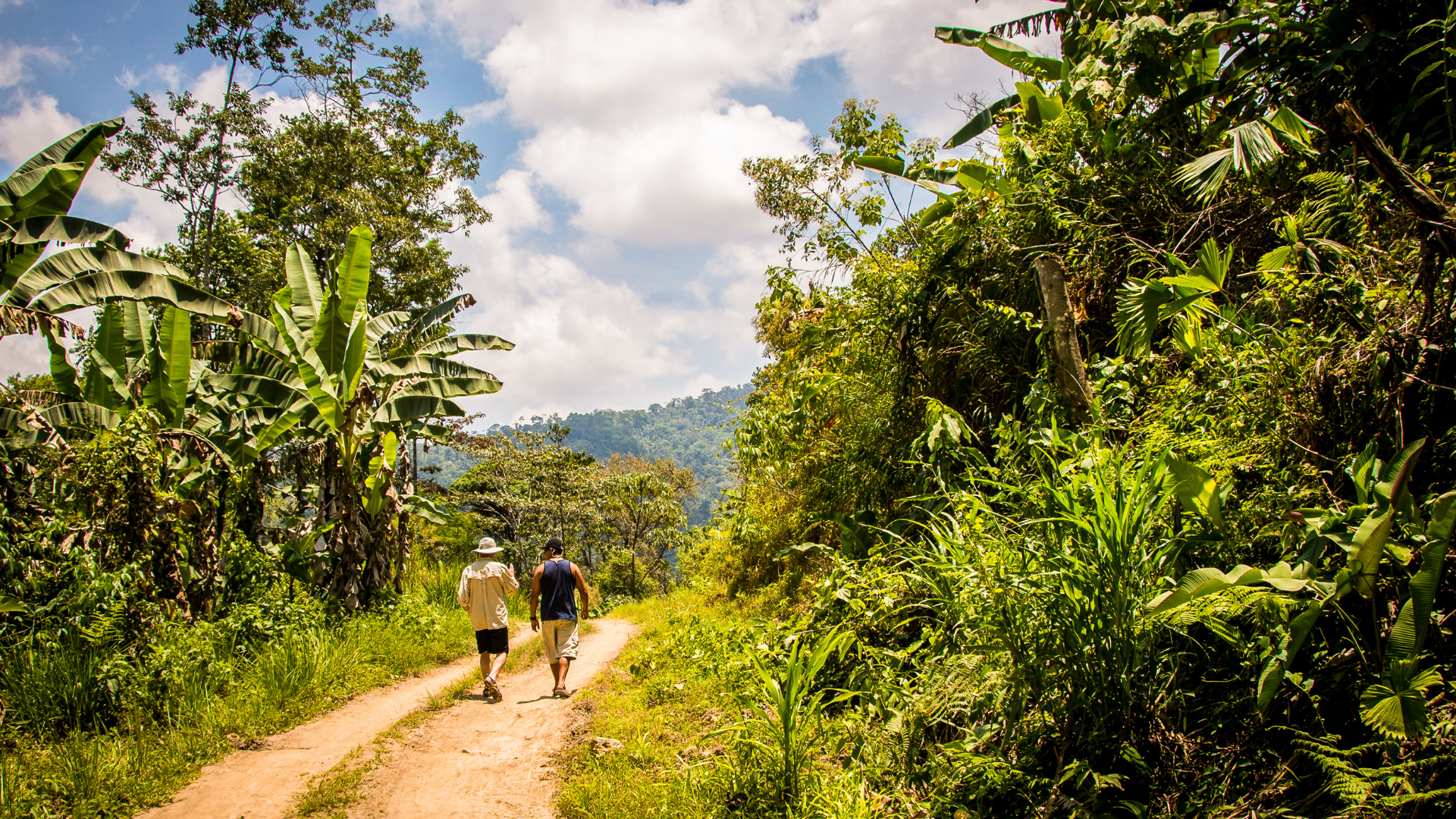
Dealing With Unexpected Situations
Even the best-prepared trekkers face surprises. Knowing how to respond is vital.
If You Lose The Trail
Don’t panic. Stop, breathe, and review your map. Retrace your steps to the last known point. If you’re with a group, stay together.
When Visibility Drops
Rain or fog can hide trails. Wait for conditions to improve if possible. Use your compass to keep your direction steady.
Encountering Dead Ends
If you reach a blocked path, look for signs of the main trail: footprints, broken branches, or trail markers. Avoid making new paths, as this increases confusion.
Emergency Signals
Carry a whistle or mirror to signal for help. Three short blasts or flashes are recognized as distress signals.
Choosing Navigation Tools And Apps
Modern technology offers many tools, but not all are equal. Here’s a comparison of popular navigation apps:
| App | Offline Maps | Battery Usage | Extra Features |
|---|---|---|---|
| Maps.me | Yes | Low | Trail info, points of interest |
| Gaia GPS | Yes | Medium | Route planning, topo maps |
| AllTrails | Yes | Medium | User reviews, trail conditions |
| Google Maps | Limited | High | Street view, less trail info |
Choose apps that let you download maps and show clear trails. Always test them before your trek.
Clothing And Gear For Navigation
Your gear can support navigation in surprising ways.
Wear Bright Colors
Bright shirts or hats make it easier for your group to spot you. If you get separated, you’re easier to find.
Waterproof Bags
Protect your maps and electronic devices from rain. Use zip-lock bags or waterproof cases.
Headlamps And Flashlights
If darkness falls, you’ll need light to read maps and spot signs. Bring extra batteries.
Notebook And Pen
Take notes on key landmarks or changes in the trail. This helps if you need to retrace your steps.
Understanding Local Wildlife And Hazards
Wildlife can change your trek—and your path.
Animal Tracks
Some trekkers follow animal trails by mistake. These paths may lead to water or food, but rarely to safe exits. Learn to recognize human-made trails vs animal tracks.
Dangerous Areas
Certain parts of the jungle, like swampy ground or steep hills, are hard to cross. Locals or guides can warn you about these before you start.
Weather Risks
Rainstorms can flood paths or make them slippery. Plan your trek during dry months, and always check forecasts.

Mistakes Beginners Often Make
Knowing common errors helps you avoid them.
- Ignoring the map: Many beginners trust their memory or phone alone.
- Not marking the trail: Failing to leave markers makes retracing difficult.
- Walking at night: Darkness increases confusion and risk.
- Leaving the group: Even short separations can lead to getting lost.
- Overconfidence: Thinking “it won’t happen to me” leads to poor planning.
Learning from these mistakes keeps you safer.
Real-life Example: Trekker Lost And Found
In 2019, a group of trekkers in the Malaysian rainforest went off the main trail to take photos. They lost sight of markers and wandered for hours. Their phone batteries died, and rain erased footprints. Luckily, they had whistles and a map. Using the map, they found a river, which led them back to a known trail. The group learned the importance of marking their route and carrying backup navigation tools.
How To Recover If You Get Lost
Even with preparation, you may lose your way. Here’s what to do.
Stop And Assess
Don’t keep walking. Sit down, breathe, and think. Review your map and compass.
Retrace Your Steps
Go back to the last clear marker or landmark. If you can’t, stay put and signal for help.
Use Natural Features
Rivers often lead to villages or roads. Follow the river downstream, but only if you’re sure it’s safe.
Signal For Help
Use your whistle, mirror, or bright clothing. Make yourself visible from above.
Stay Calm
Panic leads to poor decisions. Remember, most lost trekkers are found within 24 hours if they stay put and signal.
Staying Connected And Communication
Communication is crucial in the jungle.
- Carry a walkie-talkie for group communication.
- Use satellite phones if you trek in remote areas.
- Inform friends or family of your plans and expected return.
Some trekking groups use GPS trackers to share their location. This helps rescuers find you faster if needed.
Quick Reference: Dos And Don’ts While Trekking
Here’s a summary to keep handy:
| Dos | Don’ts |
|---|---|
| Check your map often | Ignore trail signs |
| Stick to marked trails | Take unmarked shortcuts |
| Stay with your group | Split up without a plan |
| Carry backup navigation tools | Rely only on your phone |
| Mark your route | Leave no markers |
Keep these in mind for a safer trek.
Non-obvious Insights For Safe Jungle Trekking
Most guides talk about maps and compasses, but experienced trekkers know these extra tricks:
- Listen for human sounds: Rivers, villages, or roads often have a distinct sound. If you’re lost, pause and listen.
- Observe sunlight direction: The sun rises in the east and sets in the west. This helps you orient yourself, even without a compass.
- Carry a small mirror: It’s not just for signaling. Mirrors can help you spot movement behind you, useful for checking your group or wildlife.
These simple but powerful tricks add extra layers of safety.

Building Your Navigation Confidence
Practice makes perfect. Try these before your trek:
- Practice reading maps in your local park.
- Join a navigation workshop.
- Simulate “lost” situations and test your skills.
Confidence comes from experience. Don’t wait for the jungle to test you—train before you go.
Where To Learn More
For deeper knowledge on jungle navigation, the National Outdoor Leadership School (NOLS) offers courses and resources. You can find their guides at NOLS Official Website.
Frequently Asked Questions
What Should I Do First If I Realize I’m Lost In The Jungle?
Stop walking immediately. Sit down, take a deep breath, and try to recall your last known location. Use your map, compass, or GPS to re-orient yourself. If you’re with others, stay together and avoid splitting up.
How Can I Avoid Following Animal Trails By Mistake?
Animal trails are usually narrower, with uneven surfaces and no signs. Human trails often have markers, footprints, or cleared areas. If the trail looks wild or leads into dense vegetation, double-check your map before proceeding.
Is It Safe To Rely Only On My Smartphone For Navigation?
No. Smartphones are useful, but batteries drain quickly and signal can disappear. Always carry backup tools like a paper map and compass. Download offline maps, but don’t make your phone your only navigation tool.
How Often Should I Check My Position During A Trek?
Check your location every hour, or whenever you pass a notable landmark or trail junction. Regular checks help you notice if you’re off track before it becomes a problem.
What’s The Best Way To Mark My Trail Without Harming The Environment?
Use biodegradable ribbons or sticks. Avoid permanent marks or damaging plants. Make sure your markers are easy to spot but will disappear naturally after a few days.
Jungle trekking is a rewarding challenge. With careful planning, smart navigation, and a calm mindset, you can enjoy the adventure without fear of getting lost. Equip yourself with the right tools, learn key skills, and always respect the jungle’s power.
Your journey will be safer, richer, and full of memories.

