

Jungle trekking overnight is an adventure that attracts people from all walks of life. The promise of untouched nature, rare wildlife, and the thrill of walking under a star-filled sky make it an experience unlike any other. But the jungle is also unpredictable.
Without proper preparation, a night trek can quickly turn from magical to miserable—or even dangerous. Whether you’re a first-timer or a seasoned hiker trying new terrain, knowing how to prepare for overnight jungle trekking is essential for both safety and enjoyment.

36% off Today’s Exclusive Deals
Limited-time Exclusive Deals. Check current discount on Amazon.
Check Price on Amazon As an Amazon Associate I earn from qualifying purchases.This article will guide you through every step, from pre-trip planning to what to do when the sun goes down. You’ll find practical advice, non-obvious tips, and real examples that go beyond the basics. By the end, you’ll feel confident and ready for your jungle journey.
Understanding The Challenges Of Overnight Jungle Trekking
Jungle environments are demanding. The high humidity, dense vegetation, and unpredictable weather can test even experienced trekkers. At night, these challenges grow: darkness, insects, and unfamiliar sounds can unsettle anyone. Trekking in the jungle is not just about walking—it’s about adapting to a living ecosystem.
Non-obvious insight: Many people underestimate how disorienting the jungle can be at night. Paths look different, and even a small detour can lead to getting lost. Also, the risk of dehydration is higher than many expect, even at night, because you sweat continuously in the humid air.
Key challenges include:
- Navigation difficulties: Poor visibility, confusing trails
- Wildlife encounters: Snakes, insects, and nocturnal animals
- Weather changes: Sudden rain, temperature drops
- Health risks: Heat exhaustion, insect bites, waterborne diseases
Understanding these factors helps you plan better and avoid common mistakes.
Preparing Your Body And Mind
Getting physically ready is as important as packing gear. Jungle trekking is more demanding than a typical hike.
Building Physical Fitness
Start training at least four weeks before your trek. Focus on:
- Cardio exercises: Running, cycling, or brisk walking for stamina
- Leg strength: Squats, lunges, and stair climbing
- Core stability: Planks and balance exercises
Aim for at least 30 minutes, 4–5 days per week. If possible, practice hiking with a loaded backpack. This helps your body adjust to the extra weight.
Hidden tip: Practice walking in wet or uneven terrain, like muddy parks or forest trails, to simulate real jungle conditions.
Mental Preparation
Overnight treks can be mentally exhausting. Fear of darkness, unfamiliar sounds, and physical fatigue can test your resolve.
- Visualize the trek and possible challenges.
- Learn basic jungle sounds so you’re less alarmed at night.
- Meditate or practice deep breathing for stress control.
Mental readiness often separates those who finish a trek happily from those who want to quit halfway.
Choosing The Right Gear
Your gear can make or break your jungle trek. The right equipment keeps you safe, dry, and comfortable.
Backpack
Choose a backpack between 40–60 liters—large enough for essentials, but not so heavy it slows you down. Look for a model with a rain cover, padded straps, and a supportive hip belt.
Clothing
The jungle demands specific clothes:
- Moisture-wicking shirts: Avoid cotton; choose synthetic or merino wool.
- Lightweight pants: Protects your legs from scratches and insects.
- Long-sleeve shirt: Shields arms from sun and bugs.
- Hat and buff/scarf: For sun and insect protection.
- Poncho or rain jacket: Sudden rain is common.
Pack one full change of clothes in a waterproof bag for sleeping.
Non-obvious insight: Dark-colored clothes attract fewer insects than bright or floral patterns.
Footwear
Good shoes are your best friend in the jungle. You need:
- Sturdy trekking shoes or boots: Waterproof, with good grip
- Light sandals or camp shoes: For relaxing at camp
- Moisture-wicking socks: Bring an extra pair
Break in your shoes before the trek to avoid blisters.
Sleeping Gear
Quality sleep in the jungle is rare without the right kit.
- Lightweight tent or hammock with mosquito net: Mosquitoes are relentless.
- Sleeping bag or liner: Choose one rated for tropical temperatures (50–70°F).
- Sleeping pad: Insulates you from the cold, wet ground.
Lighting
Bring two headlamps or flashlights (and extra batteries). One backup is essential if your main light fails.
Essential Tools And Accessories
- Machete or strong knife: For clearing paths, but only if local laws allow.
- Trekking poles: Helpful on slippery or steep terrain.
- Whistle: For emergencies.
- Compass or GPS: Even if you have a guide.
- Dry bags or ziplock bags: To protect electronics and important documents.
First Aid Kit
A basic first aid kit should include:
- Bandages, gauze, and tape
- Antiseptic wipes and ointment
- Blister treatment
- Painkillers (acetaminophen or ibuprofen)
- Antihistamines
- Insect bite cream
- Tweezers (for splinters or ticks)
Add any personal medications, plus water purification tablets.
Packing Smart: What To Bring And What To Leave
Packing for the jungle is about balance: bring enough for comfort and safety, but don’t overload yourself.
Here’s a comparison of must-have versus nice-to-have items for overnight jungle trekking:
| Must-Have | Nice-to-Have |
|---|---|
| Water filter/purification tablets | Portable coffee maker |
| Lightweight tent/hammock with net | Travel pillow |
| Headlamp (with spare batteries) | Solar charger |
| Rain jacket/poncho | Compact camp stool |
| First aid kit | Lightweight book |
Tip: If you’re trekking with a group, share some gear (like stoves or tents) to save weight.
Planning Your Route And Itinerary
Where and when you trek matter as much as how you trek. Proper planning reduces risks and enhances your experience.
Research The Area
- Study maps and recent trip reports.
- Check if permits are required.
- Learn about local wildlife, climate, and terrain.
- Find out if guides are mandatory (some parks require them).
Example: In Malaysia’s Taman Negara National Park, hiring a licensed guide is compulsory for overnight trips.
Plan For The Weather
Jungle weather is unpredictable. Check forecasts, but prepare for rain regardless. Wet conditions can make some trails unsafe or impassable.
Set Realistic Goals
Don’t try to cover too much ground. The jungle is slow going; 10 km in a day can be exhausting. Plan for plenty of breaks.
Data: The average speed in dense jungle is 2–3 km/h, much slower than open forest or mountain trails.
Share Your Plans
Tell a friend or family member your itinerary and when you expect to return. If something goes wrong, this simple step can save your life.
Food And Water: What To Eat And How To Stay Hydrated
Nutrition and hydration are critical in the jungle. You burn more calories and sweat more than you might realize.
Water
Never drink untreated water in the jungle—rivers and streams may look clean but often carry parasites.
- Bring at least 2 liters of water per person to start.
- Use a water filter, UV purifier, or water purification tablets for refilling.
Hidden tip: Collect rainwater off your tent or tarp if you run low—rain is usually safe after the first few minutes.
Food Choices
You need high-energy, non-perishable foods. Examples include:
- Dried fruits and nuts
- Energy bars
- Tortillas or flatbreads
- Jerky or dried meat
- Dehydrated meals (just add water)
- Instant noodles
Pro tip: Avoid canned goods—they are heavy and create waste.
Cooking In The Jungle
Fires are often restricted to protect the environment. Bring a lightweight camping stove and fuel. Always follow local rules about fire and waste disposal.
Navigating And Staying Safe
Getting lost or injured is the biggest risk in overnight jungle trekking. Navigation tools and safe practices are essential.
Map, Compass, And Gps
Don’t rely only on your phone—it can lose signal or battery. Always carry a paper map and a compass. Learn to use them before your trek.
Following The Trail
- Stick to marked trails whenever possible.
- Watch for trail markers (colored ribbons, carved signs).
- If you lose the trail, stop and retrace your steps.
Non-obvious insight: Many jungle paths look like animal tracks. Don’t follow them—they rarely lead anywhere safe.
Wildlife Safety
- Keep your distance from all animals.
- Never feed wildlife.
- Store food in sealed bags, away from your sleeping area.
Snake safety: Step carefully, especially at night. Use your headlamp and trekking pole to check the ground ahead.
Dealing With Emergencies
- Know basic first aid for bites, stings, and sprains.
- If lost, stay put and use your whistle to signal for help (three blasts is a universal distress call).
- Carry an emergency contact card in a waterproof bag.
Sleeping In The Jungle: How To Rest Well
Quality sleep helps your body recover. However, the jungle is noisy, humid, and full of bugs.
Choosing A Campsite
- Pick high, flat ground (never a dry riverbed—flash floods are possible).
- Look for natural windbreaks (but avoid areas with dead trees or branches).
- Check for ant trails or nests—never pitch your tent on them.
Setting Up Camp
- Use a groundsheet under your tent.
- Hang your hammock between sturdy trees, with the mosquito net fully closed.
- Keep gear inside the tent to avoid insects and animals.
Staying Comfortable
- Change into dry clothes before sleeping.
- Use earplugs if jungle sounds bother you.
- Avoid eating inside your sleeping area to keep animals away.
Hidden tip: Hang a small bag of crushed dried leaves or herbs near your sleeping area—some natural scents help repel insects.
Hygiene And Health: Staying Clean In The Jungle
Good hygiene prevents infections and sickness, which can quickly ruin your trek.
Bathing
- Sponge-bathe with a wet cloth at the end of the day.
- Use biodegradable soap if you must wash in rivers—never pollute water sources.
Toilet Needs
- Use designated toilets if available.
- If not, dig a “cathole” at least 6 inches deep and 200 feet from water sources.
- Pack out used toilet paper in a sealed bag.
Dealing With Insects
- Apply insect repellent (DEET or picaridin) regularly.
- Wear long sleeves and pants, even at night.
- Check for ticks or leeches each morning and night.
Managing Waste
- Pack out all trash, including food wrappers and hygiene products.
- Leave the jungle cleaner than you found it.
Non-obvious insight: Ants are nature’s cleaners—if you spill food, they’ll swarm quickly. Keeping your camp clean is not just polite, it’s practical.
Weather Protection: Coping With Rain, Heat, And Humidity
Jungles are wet places, and weather changes fast. Proper protection is key.
Rain
- Always carry a waterproof jacket or poncho.
- Store electronics and clothes in dry bags.
- Set up your tent/hammock before it starts raining—doing it in the rain is much harder.
Heat And Humidity
- Drink small amounts of water often, not just when thirsty.
- Wear a wide-brimmed hat and sunglasses.
- Take breaks in the shade.
Dealing With Cold At Night
- Even in tropical jungles, temperatures can drop at night.
- A light sleeping bag or liner adds comfort.
- Layer clothing for warmth.

Group Dynamics And Working With Guides
If trekking with others, teamwork matters.
Setting Group Expectations
- Agree on daily distances, rest times, and meal plans.
- Appoint a leader for decision-making.
Communication
- Use clear signals (like whistles) if separated.
- Regularly check that everyone is present, especially after breaks.
Working With Guides
A local guide adds safety and insight. They know the terrain, wildlife, and hazards. Listen to their advice—they often spot dangers before you do.
Data: In a study of jungle trekking accidents in Southeast Asia, groups with local guides had a 60% lower rate of getting lost.
Sustainability And Responsible Trekking
Jungle ecosystems are fragile. Every trekker must protect them.
Leave No Trace Principles
- Stay on established trails.
- Pack out all trash.
- Avoid disturbing plants and wildlife.
- Use only biodegradable soap and cleaning products.
Supporting Local Communities
Hire local guides and use community-run camps when possible. This supports conservation and provides you with a richer experience.
Non-obvious insight: Some rare plants and animals are very sensitive to noise and light. Keeping campsites quiet and using red-light headlamps can reduce your impact.
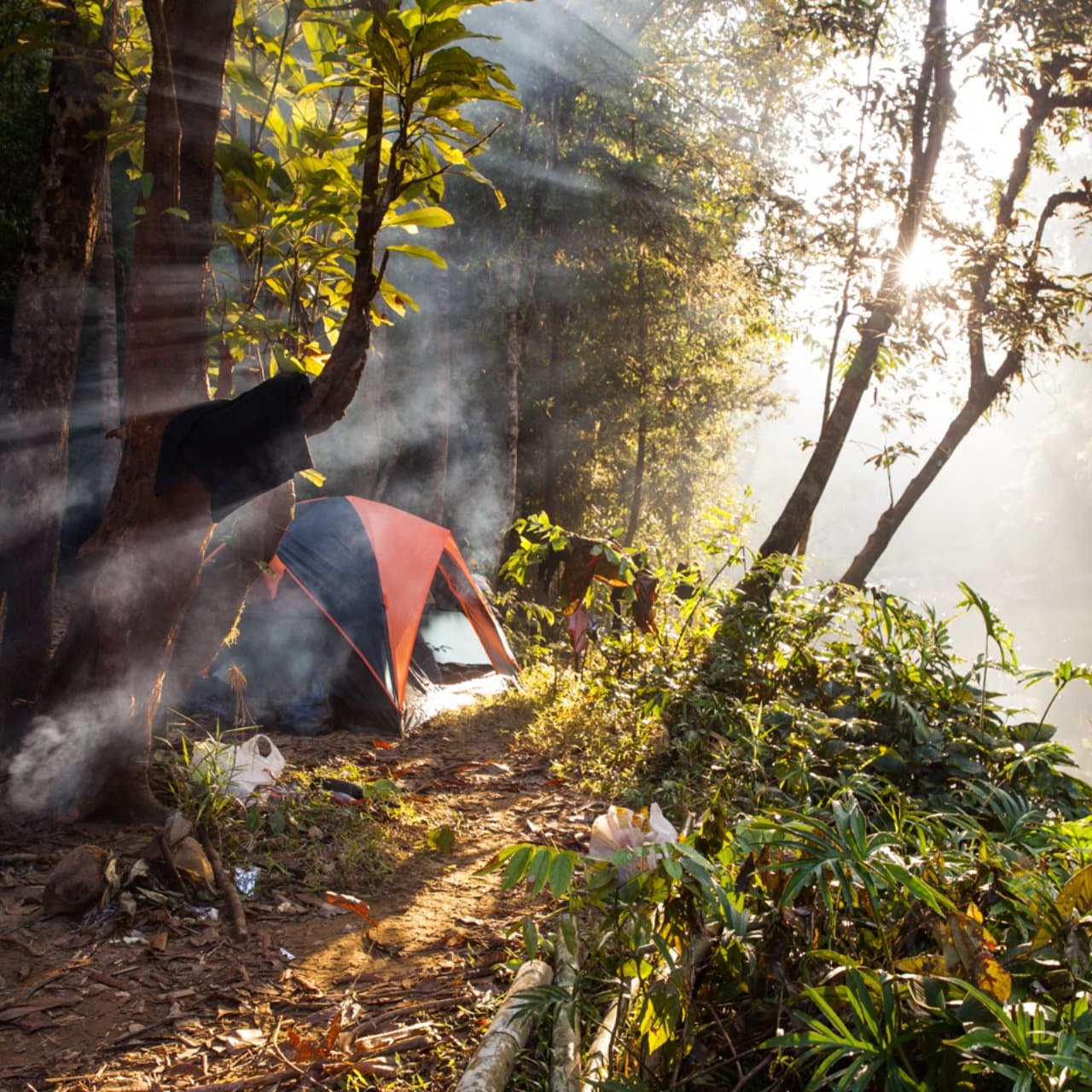
Sample Overnight Jungle Trekking Packing List
Here’s an example list for a 2-day, 1-night trek:
- Backpack (40–60L)
- Lightweight tent or hammock with mosquito net
- Sleeping bag/liner (50–70°F)
- Sleeping pad
- 2 quick-dry shirts, 1 long-sleeve shirt
- 2 lightweight pants
- 2 pairs moisture-wicking socks
- Rain jacket or poncho
- Hat, buff, and sunglasses
- Headlamp + extra batteries
- Water bottle (2L+) and filter/purification tablets
- High-energy snacks/meals (enough for 2 days)
- First aid kit + personal medications
- Insect repellent
- Dry bags/ziplocks for electronics and documents
- Map, compass, and/or GPS
- Trekking poles (optional)
- Whistle
- Biodegradable soap
- Small towel and wet wipes
- Trash bag
Adjust based on your group, location, and expected weather.
Comparing Jungle Trekking To Mountain And Desert Trekking
To help you understand why jungle trekking needs special preparation, here’s a comparison with other types of treks:
| Feature | Jungle Trekking | Mountain Trekking | Desert Trekking |
|---|---|---|---|
| Humidity | High | Low to medium | Very low |
| Rain | Frequent | Seasonal | Rare |
| Wildlife risk | High (insects, snakes) | Medium (bears, ticks) | Low (scorpions, snakes) |
| Navigation | Difficult (dense vegetation) | Moderate (open terrain) | Challenging (few landmarks) |
| Temperature changes | Small | Large | Large |
This table shows why generic hiking advice isn’t enough for the jungle.
Final Safety Checks Before The Trek
The night before you leave, check:
- All gear is packed and working.
- Weather forecast and trail conditions.
- Emergency contacts are informed.
- Permits and IDs are in a waterproof pouch.
- Your phone or GPS is fully charged.
If in doubt, double-check. The jungle rewards preparation and punishes carelessness.
Frequently Asked Questions
What Should I Do If I Get Lost During Overnight Jungle Trekking?
If you realize you’re lost, stop moving immediately. Try to retrace your steps if safe, but don’t wander far—this makes it harder for rescuers to find you. Use your whistle (three blasts) to signal for help, and stay visible. Conserve energy and wait for daylight before making any big decisions.
How Do I Protect Myself From Insects During Jungle Trekking?
Wear long-sleeve shirts and pants, apply insect repellent (with DEET or picaridin), and sleep in a tent or hammock with a tight mosquito net. Check your skin for ticks or leeches every morning and evening. Keep your camp area clean to avoid attracting bugs.
Is A Guide Necessary For Overnight Jungle Trekking?
In many jungles, especially in Southeast Asia and the Amazon, guides are strongly recommended or mandatory. They know the terrain, wildlife, and local hazards. Even in areas where guides aren’t required, having one greatly increases your safety and enjoyment.
How Do I Keep My Gear Dry In The Jungle?
Use dry bags or ziplock bags for electronics, clothes, and important documents. Always pack your sleeping bag and clothes inside a waterproof liner inside your backpack. Set up your shelter before it rains, and keep gear off the ground at night.
What Is The Best Way To Purify Water In The Jungle?
The safest methods are using a portable water filter, UV purifier, or water purification tablets. Boiling water works if you have time and fuel. Never drink untreated river or stream water, as it may contain dangerous parasites. For more details on water purification, see the CDC’s guide to safe drinking water abroad.
Jungle trekking overnight is an unforgettable adventure, but it demands serious preparation. The more you know and plan, the safer—and more rewarding—your journey will be. With the right mindset, gear, and respect for nature, you’ll return with memories and stories to last a lifetime.
Safe trekking!


