

When you’re planning a trip in your RV, few things are as important as reliable hot water. Whether you need a warm shower after a long hike or hot water for washing dishes, your RV’s water heater plays a big role in comfort. Many RV owners choose the Suburban Advantage RV tank water heater for its reputation and performance. But a common question comes up: can this water heater run on electricity, or is it only for propane use?
If you’re looking to better understand the power options for your Suburban Advantage water heater, this guide will give you clear, practical answers. We’ll cover how these heaters work, whether yours can run on electricity, and what to expect in terms of installation, performance, and cost.

36% off Today’s Exclusive Deals
Limited-time Exclusive Deals. Check current discount on Amazon.
Check Price on Amazon As an Amazon Associate I earn from qualifying purchases.By the end, you’ll know exactly how to get the most from your Suburban water heater—without any confusion.
Understanding The Suburban Advantage Rv Tank Water Heater
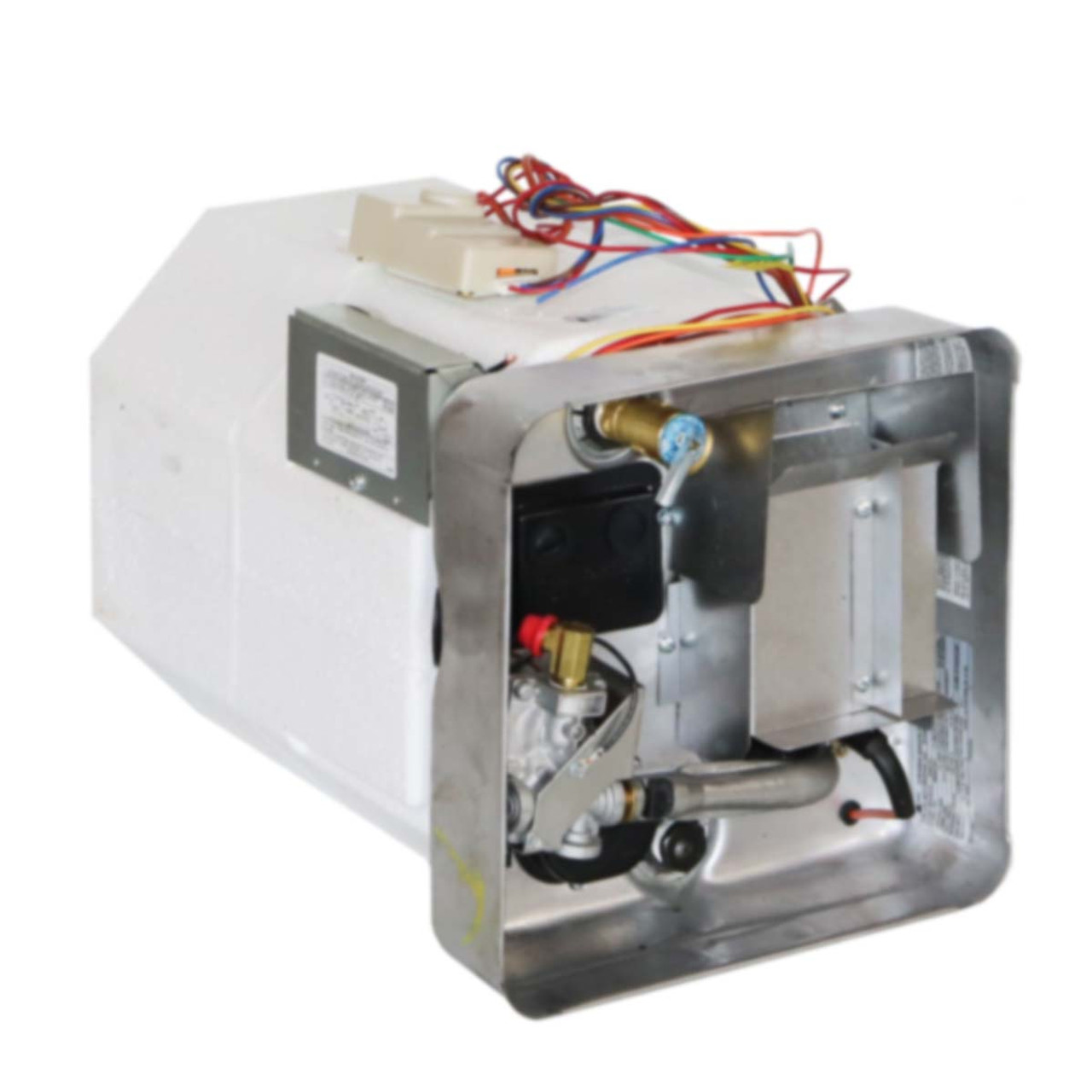
The Suburban Advantage is a popular RV water heater. It’s known for its durable steel tank, glass lining to resist corrosion, and fast recovery times. Owners often praise its reliability, but not every model is the same.
Suburban makes several versions of their tank water heaters:
- Propane-only models
- Combination propane/electric models (often called dual-fuel or D/E models)
Knowing which type you have is key. The dual-fuel models are especially valued because they let you choose between propane and electricity, depending on what’s available.
Can The Suburban Advantage Rv Tank Water Heater Run On Electricity?
The simple answer: It depends on your specific model.
Some Suburban Advantage water heaters can run on electricity, while others are propane-only. Here’s how you can tell:
- Check the model number: Suburban uses letters in the model number. If your model includes a “D” (for Direct Spark) or “DSI” (Direct Spark Ignition), it’s propane. If you also see an “E” (for Electric), such as SW6DE, SW10DE, or SW12DE, it means your unit can use both propane and electricity.
- Look for an electric switch: Dual-fuel models have an electric on/off switch, usually inside the RV or on the water heater’s exterior.
- Find the heating element: Electric models have a heating element inside the tank, visible behind a small access panel.
So, if you have a Suburban Advantage “DE” or “D/E” model, you can run it on electricity. If it’s a “D” or “DSI” only, propane is your only fuel option.
How Electric Operation Works
When you run your Suburban Advantage on electricity, a heating element inside the tank warms the water. This works much like a home water heater. The main benefit? You don’t use up your propane supply, which is valuable for cooking or heating when camping off-grid.
However, electric operation has some differences:
- Lower heating power: Electric elements are usually 1440 watts, which heats water more slowly than propane.
- Requires shore power or generator: You need to be plugged into a campground outlet or have a generator.
Here’s a simple performance comparison:
| Mode | Heating Time (6-gallon tank) | Energy Use |
|---|---|---|
| Electric | ~60-90 minutes | ~12 amps at 120V |
| Propane | ~30-40 minutes | ~10,000 BTU/hour |
As you can see, propane heats faster, but electricity is quieter and doesn’t need you to refill tanks as often.
Benefits Of Using Electricity
Running your Suburban Advantage water heater on electricity has several advantages:
- Saves propane for other needs, like your stove or furnace.
- Quieter operation because there’s no burner flame or ignition noise.
- Continuous supply when connected to shore power—no need to worry about running out.
- Less maintenance because electric elements generally have fewer moving parts.
One less obvious benefit: using electricity is a great way to extend the life of your propane system. Fewer propane cycles mean less wear on valves and igniters.

Limitations Of Electric Operation
While electricity is convenient, it’s not always the best choice in every situation. Here’s what you should consider:
- Slower heating times: If you use a lot of hot water quickly, you may have to wait for the tank to reheat.
- Limited by power source: Many campgrounds have 30-amp service. If your RV is using air conditioning, microwave, and water heater all at once, you may trip a breaker.
- Not for dry camping: If you’re boondocking (no hookups), electric mode is usually not an option unless you have a large generator.
- Element failure risk: If you run the heater on electric with no water in the tank, you can burn out the element quickly.
Many experienced RVers use propane for quick hot water or when off-grid, and electricity when connected to shore power for convenience.
How To Switch Between Propane And Electric Modes
If you have a dual-fuel Suburban Advantage water heater, switching between propane and electric is straightforward, but it’s important to do it correctly.
- Locate the switches: Most RVs have one switch inside (usually near the kitchen or bathroom) for electric power, and one outside for propane.
- Turn on electric first if plugged in: Use electric mode when you have shore power or a generator.
- Use propane for faster recovery: If you need hot water quickly, use propane, or run both at the same time for maximum heating speed.
Some RV owners don’t realize you can run both electric and propane together for faster recovery. This is useful if you need extra hot water for showers back-to-back.
Installation And Retrofitting: Can You Add Electric To A Propane-only Model?
What if your Suburban Advantage is propane-only? Can you add electric heating? The answer is yes, but with important warnings.
Suburban offers add-on electric conversion kits for some models. These kits include a heating element, thermostat, wiring, and switches. Installation requires:
- Removing the tank’s drain plug
- Inserting the electric element
- Wiring to your RV’s electrical system
However, there are risks:
- DIY installs can void your warranty or damage the tank if done incorrectly.
- Not all tanks are compatible—older or smaller models may not accept a conversion kit.
- Professional installation is recommended for safety and insurance reasons.
Here’s a quick comparison:
| Option | Pros | Cons |
|---|---|---|
| Factory Dual-Fuel Model | Safe, warranty intact, tested by manufacturer | Higher upfront cost |
| Aftermarket Electric Kit | Lower cost, adds electric function | Possible warranty void, DIY risk, not always compatible |
If you’re not comfortable with electrical work, always hire a qualified RV technician.
Maintenance Tips For Electric Operation
Keeping your Suburban Advantage water heater in top shape is key to long life and good performance, especially when using electricity.
- Flush the tank regularly: Mineral buildup can damage the electric element faster than propane operation.
- Check the anode rod (if equipped): Replace it when it’s 75% worn to prevent tank corrosion.
- Inspect wiring and switches: Loose or corroded connections can cause the electric mode to fail.
- Always fill the tank before switching on electric: Running dry will burn out the element very quickly.
A common beginner mistake is forgetting to fill the water tank before turning on the electric mode. The element can overheat and fail in less than a minute with no water.
Cost And Efficiency: Electricity Vs. Propane
Many RV owners wonder which mode is cheaper. The answer depends on local energy costs, but here’s a general idea:
- Electricity: At 1440 watts, running electric mode for one hour uses about 1.44 kilowatt-hours. At $0.13 per kWh (US average), that’s about $0.19 per hour.
- Propane: A gallon of propane has about 91,500 BTU. At $3.00 per gallon, and with the heater using 10,000 BTU/hour, that’s about $0.33 per hour.
So, electricity is usually cheaper—especially at campgrounds where hookups are included in your nightly fee. But propane is more flexible when you’re away from hookups.
One insight many new RVers miss: campgrounds sometimes charge extra for heavy electric use. Always check the rules before running your water heater on electric for long periods.
Common Problems And Solutions
Here are a few problems RV owners face with electric water heater operation:
- No hot water on electric: Check the circuit breaker, switch, and element for failure.
- Water heats too slowly: This is normal—use propane for faster recovery.
- Electric element keeps burning out: Make sure the tank is full before switching on.
- GFCI outlet trips: Electric elements can cause ground faults if water leaks inside the tank. Replace the element if this happens.
If you’re troubleshooting, always turn off power and propane before opening any panel.
Real-world Example: A Week At The Campground
Let’s say you’re staying at a full-hookup campground. You want to save propane for cooking. You turn on the electric switch for your Suburban Advantage water heater. After about 60 minutes, you have hot water for showers and dishes. If you shower back-to-back, the second person might have to wait a little—but the cost is covered in your site fee, and you don’t hear any loud burner noise.
Now, imagine you’re boondocking. No shore power is available. You switch to propane mode. Hot water is ready in half the time, and your battery is not drained. This flexibility is why RVers love dual-fuel models.
Comparing Suburban To Other Brands
Suburban is one of the top names for RV water heaters, but how does it compare to the competition, like Atwood/Dometic?
| Brand | Electric Option | Tank Material | Recovery Rate |
|---|---|---|---|
| Suburban Advantage | Yes (dual-fuel models) | Steel with glass lining | 10.2 gal/hr (6-gal tank, propane) |
| Atwood/Dometic | Yes (select models) | Aluminum | 8.4 gal/hr (6-gal tank, propane) |
Suburban’s glass-lined steel tank is more robust but heavier. Atwood’s aluminum tank is lighter and doesn’t need an anode rod, but may not last as long under heavy use. Both offer electric options in some models, but Suburban is often praised for faster recovery rates.
Key Takeaways For Rv Owners
- Check your model: Only Suburban Advantage “DE” or “D/E” models run on electricity.
- Electric mode is quiet and cost-effective—best for full-hookup camping.
- Propane heats faster and works anywhere—ideal for boondocking.
- Dual-fuel gives maximum flexibility; you can even run both for faster hot water.
- Installation of electric kits on propane-only models should be done by professionals.
If you want to learn more about RV water heater operation and maintenance, the official Suburban website is an excellent resource: Suburban Water Heaters.
Frequently Asked Questions
Can I Run My Suburban Advantage Water Heater On Both Electric And Propane At The Same Time?
Yes, if your model supports both modes, you can run them together. This gives the fastest recovery, but remember to monitor your RV’s total power use to avoid tripping breakers.
What Happens If I Turn On The Electric Mode With No Water In The Tank?
The heating element can overheat and burn out in less than a minute. Always make sure the tank is full before switching on electric mode.
How Do I Know If My Suburban Water Heater Has An Electric Mode?
Check your model number—look for an “E” or “DE. ” Also, look for an electric switch near your RV’s control panel or on the unit itself.
Is Electric Or Propane More Efficient For Heating Water In My Rv?
Electricity is generally cheaper at campgrounds with hookups. Propane is more efficient for fast heating and works anywhere, but costs more per hour of use.
Can I Install An Electric Conversion Kit Myself?
You can, but it’s risky. Mistakes can damage the tank or void your warranty. For safety and long-term reliability, it’s best to hire a certified RV technician.
Reliable hot water is a key part of comfortable RV living. By understanding your Suburban Advantage water heater’s capabilities, you can make smart choices about when to use electricity, propane, or both—helping you enjoy the road with less hassle and more hot showers.


