

When you travel in an RV, hot water can feel like a luxury. Whether you need a shower after hiking, want to wash dishes, or just enjoy a warm hand wash, your RV’s water heater matters. Two popular choices are the Suburban Advantage RV tank water heater and the tankless water heater. Each has its own strengths, weaknesses, and features. Understanding their differences can help you choose the best option for your adventures.
What Makes A Water Heater Essential For Rv Life?
An RV water heater is not just about comfort. It affects your daily routine, fuel use, and even how long you can stay off-grid. The wrong choice can mean cold showers, wasted energy, or frustration with inconsistent water temperatures. Many RV owners struggle to pick between a traditional tank water heater and a modern tankless system. Let’s explore what each offers, and what you need to know before deciding.

36% off Today’s Exclusive Deals
Limited-time Exclusive Deals. Check current discount on Amazon.
Check Price on Amazon As an Amazon Associate I earn from qualifying purchases.Suburban Advantage Rv Tank Water Heater: Features And Benefits
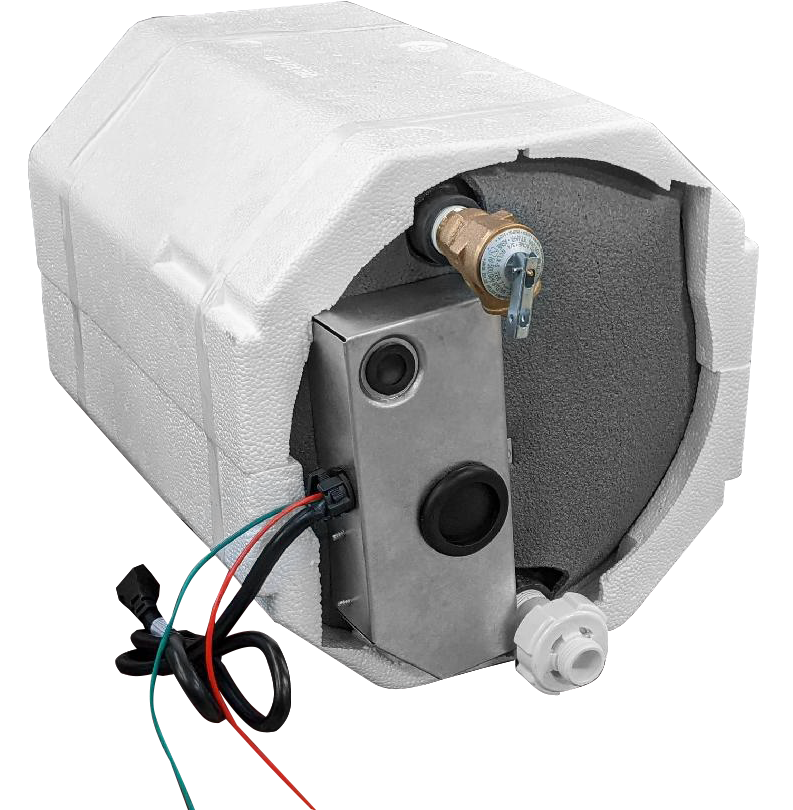
The Suburban Advantage is a well-known tank water heater brand for RVs. It uses a storage tank to heat and keep water ready for use.
Key Features
- Tank sizes usually range from 6 to 12 gallons.
- Powered by propane, electricity, or both (dual mode).
- Has an anode rod to reduce corrosion and extend life.
- Temperature is controlled by a thermostat.
- Insulated tank helps maintain heat for hours.
Benefits
- Hot water on demand: When the tank is full and heated, you get instant hot water.
- Easy to repair: Parts are available and most RV mechanics know the system.
- Simple operation: Just turn it on, wait for the water to heat, and use as needed.
- Reliable performance: Proven technology, less likely to fail suddenly.
Example
If you camp with family, a 10-gallon Suburban tank heater can provide several short showers or dish-washing sessions before needing to reheat. Heating takes about 30–45 minutes, depending on tank size and mode.
Tankless Water Heater: Features And Benefits
Tankless water heaters (sometimes called “on-demand” heaters) heat water as you use it, without storing hot water in a tank.
Key Features
- Compact size, saves space.
- Heats water only when faucet is turned on.
- Mostly powered by propane, some models use electricity.
- Continuous hot water supply (limited by flow rate).
- Modern controls, often digital.
Benefits
- Unlimited hot water: As long as you have power and water, you never run out.
- Energy efficient: Only uses energy when you need hot water.
- Space-saving design: Fits smaller RVs, frees up storage.
- Quick recovery: No need to wait for a tank to refill and reheat.
Example
A tankless heater can provide a long shower for two people in a row, as long as water and propane are available. However, using multiple faucets at the same time may reduce water temperature.
Comparing Tank And Tankless Water Heaters
To make the decision easier, here’s a quick side-by-side look at both types.
| Feature | Suburban Tank Water Heater | Tankless Water Heater |
|---|---|---|
| Hot Water Capacity | Limited by tank size (6–12 gallons) | Unlimited (depends on flow rate & supply) |
| Heating Time | 30–45 min to heat full tank | Instant, as water flows |
| Energy Use | Heats water continuously; less efficient | Heats only when needed; more efficient |
| Maintenance | Annual anode rod replacement | Periodic descaling, filter cleaning |
| Price Range | $350–$800 (including install) | $500–$1,200 (including install) |
| Space Needed | Larger, needs tank space | Smaller, wall-mounted |
Real-world Performance: What Rv Owners Experience
Many RVers report that the Suburban tank heater is “set it and forget it.” You turn it on, wait, and get consistent hot water until the tank runs out. If you’re careful with water use, it works well for families and group trips. But some complain about waiting for water to heat or running out after two showers.
Tankless heaters are praised for endless hot water and fast response. However, owners sometimes notice temperature “fluctuations,” especially when water pressure changes or multiple taps are used. Some models require a minimum flow rate to activate, so slow trickles may stay cold.
Common Issues
- Tank heaters can develop leaks if the anode rod isn’t replaced.
- Tankless heaters may not work well in cold climates or with low water pressure.
Installation And Maintenance: What To Expect
Choosing a water heater isn’t just about buying the unit. Installation and upkeep matter, too.
Installation Differences
- Tank water heaters need a dedicated compartment, plumbing, and sometimes electrical work.
- Tankless heaters are often wall-mounted, needing less space, but require careful gas and water line setup.
Most RV owners hire professionals for installation. Incorrect setup can cause leaks, unsafe operation, or even fire risk.
Maintenance Tasks
| Task | Tank Water Heater | Tankless Water Heater |
|---|---|---|
| Anode Rod Replacement | Yearly | Not needed |
| Flushing System | Twice per year | Once per year (descaling) |
| Filter Cleaning | Not needed | Every few months |
| Winterizing | Drain tank | Drain lines, bypass unit |
Practical Maintenance Tips
- Always check the anode rod in a tank heater before the season starts.
- For tankless heaters, clean the filter and descale regularly to avoid mineral buildup.
Cost Breakdown: What Will You Really Spend?
When choosing between the Suburban tank and tankless, price isn’t just about the unit. You need to consider:
- Initial purchase: Tank heaters are usually cheaper upfront.
- Installation: Tankless units can cost more for installation, especially if retrofitted.
- Energy use: Tankless heaters save propane and electric costs over time.
- Repairs: Tank heaters are easier and cheaper to fix.
Example Costs
- Suburban 6-gallon tank heater: $400 + $200 install
- Tankless heater: $700 + $350 install
Tankless heaters often pay back their extra cost after 2–3 years, especially for heavy users.
Efficiency And Environmental Impact
Efficiency is a major factor, especially for RVers who camp off-grid or want to minimize their footprint.
- Tank heaters waste energy keeping water hot, even when not used.
- Tankless heaters only use energy when you turn on the tap.
According to the U.S. Department of Energy, tankless models can be 24%–34% more efficient than tank heaters for homes with low to moderate hot water use. For RVs, the savings may be smaller but still noticeable over time.
Common Mistakes Rv Owners Make
Many RVers make errors when upgrading or using water heaters:
- Overestimating tank size needs: Bigger isn’t always better. A 10-gallon tank may be heavy and slow to heat for solo travelers.
- Ignoring winterization: Not draining the heater in winter causes freeze damage.
- Poor water management: Using multiple taps with a tankless system can cause cold spots.
- Skipping maintenance: Not replacing the anode rod or cleaning filters leads to expensive repairs.
Which Water Heater Is Best For You?
Choosing between the Suburban Advantage tank heater and a tankless system depends on your travel style, budget, and needs.
Tank Water Heater: Best For
- Families who want simple, reliable hot water.
- Travelers who camp in areas with limited water supply.
- Those who prefer easy repairs and known technology.
Tankless Water Heater: Best For
- RVers who want unlimited hot water for showers.
- Users with frequent, high water use.
- Those who value energy efficiency and space saving.
If you travel off-grid often, a tank heater may be easier to manage. If you stay at RV parks with hookups, a tankless heater offers more comfort.

Non-obvious Insights Most Rv Owners Miss
- Water pressure matters for tankless heaters: If your RV’s water pump is weak, the tankless heater may not trigger, leading to cold water. Upgrading your pump can solve this.
- Tankless heaters may affect battery life: Some models use electronic controls that draw power even when idle. For boondocking, this can drain batteries faster than expected.
Advanced Comparison: Tank Vs Tankless In Different Scenarios
Let’s look at how each heater performs in real travel situations.
| Scenario | Tank Heater | Tankless Heater |
|---|---|---|
| Quick morning shower | Only if tank was pre-heated | Instant, always ready |
| Multiple users, back-to-back | May run out of hot water | Unlimited, as long as supply lasts |
| Low water supply | Efficient use, can limit water | Requires minimum flow; may not work |
| Off-grid camping | Works well, uses propane | Needs reliable power and propane |
| Cold climate | Insulated tank helps | Can freeze pipes if not protected |

Making Your Final Choice
Before buying, consider:
- How many people will use hot water daily?
- Will you camp off-grid or at RV parks?
- Is space a concern in your RV?
- Can you afford higher upfront costs for energy savings?
If you want reliable, simple hot water with easy maintenance, the Suburban Advantage tank heater is a safe bet. If you crave unlimited hot water, better efficiency, and have the budget for a modern upgrade, tankless heaters are worth a look.
Always check your RV’s compatibility before buying.
For more technical details and official specs, visit the U.S. Department of Energy.
Frequently Asked Questions
How Long Does A Suburban Advantage Tank Water Heater Last?
Most Suburban tank heaters last 7–10 years if you replace the anode rod yearly and flush the tank regularly. Neglecting maintenance can reduce lifespan to just a few years.
Do Tankless Water Heaters Work In All Rvs?
Not all RVs are compatible with tankless heaters. You need reliable water pressure and enough electrical power for electronic controls. Always check your RV’s specs before upgrading.
Is It Hard To Install A Tankless Water Heater In An Older Rv?
Installation can be complex. Older RVs may need new gas lines, venting, or upgraded water pumps. Professional installation is recommended for safety and warranty.
Which Heater Is Safer For Winter Camping?
The Suburban tank heater is safer in cold climates because its insulated tank resists freezing. Tankless heaters may freeze if not properly protected or winterized.
Can I Switch Between Propane And Electric Heating?
Many Suburban Advantage tank heaters have dual-mode operation, allowing you to use propane or electricity. Most RV tankless heaters are propane-only, but some newer models offer electric options.
Whether you prefer the tried-and-true Suburban tank or want the convenience of a tankless water heater, understanding these differences makes your RV life warmer and easier.

