

If you own an RV, you know how important hot water is for showers, washing dishes, and cleaning up. Many RVs use tank water heaters, and one of the most trusted brands is Suburban Advantage. But how fast can these heaters recover and provide more hot water after use? This is called the recovery rate. Understanding the recovery rate helps you plan your water use, avoid cold showers, and choose the right heater for your RV life.
What Does Recovery Rate Mean In Rv Water Heaters?
The recovery rate is the amount of water a heater can heat up in one hour. For example, if a heater has a recovery rate of 10 gallons per hour, it can make 10 gallons of hot water after the tank is empty, every hour. This number depends on the heater’s power (BTU or watts), tank size, and water temperature.

36% off Today’s Exclusive Deals
Limited-time Exclusive Deals. Check current discount on Amazon.
Check Price on Amazon As an Amazon Associate I earn from qualifying purchases.Many people think the tank size is all that matters, but recovery rate is just as important. If you use all the hot water, recovery rate tells you how fast you’ll get more. A higher recovery rate means you won’t wait long for another hot shower.
Suburban Advantage Rv Tank Water Heater: Key Features
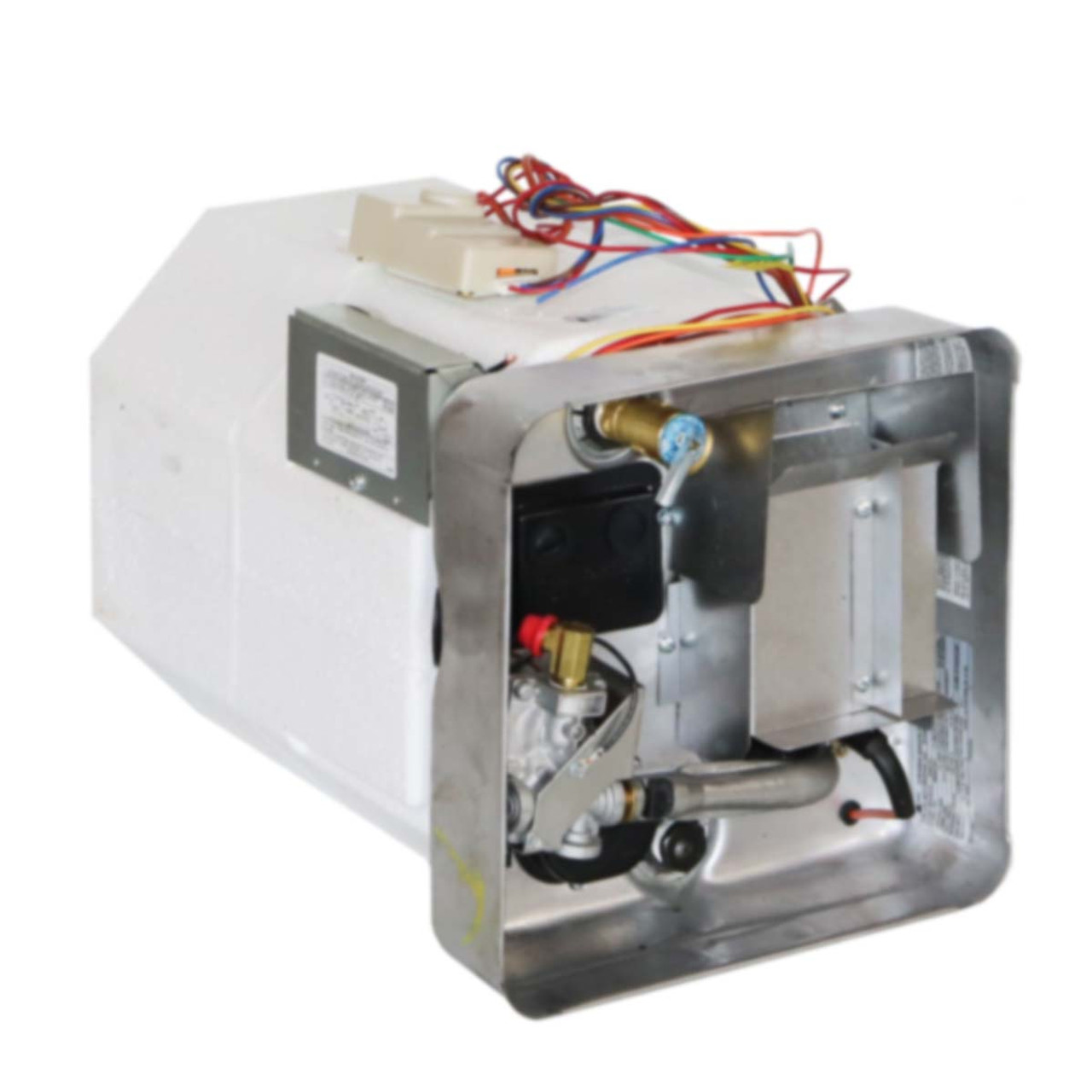
Suburban Advantage water heaters are popular for their durability and performance. They come in different sizes, usually between 6 and 16 gallons. Most models use propane gas, but some also have electric options.
Here are some features that affect recovery rate:
- BTU rating: Higher BTUs mean more heating power and faster recovery.
- Dual heating modes: Gas and electric can be used together for quicker heating.
- Porcelain-lined steel tank: Helps keep heat inside, improving efficiency.
- Direct spark ignition: Fast and safe start, so you don’t waste time.
These features make Suburban Advantage heaters reliable for RV travelers who need steady hot water.

Typical Recovery Rates For Suburban Advantage Rv Water Heaters
Recovery rates can vary by model and heating method. Most Suburban Advantage tank heaters range between 6,000 and 12,000 BTU for gas, and about 1,440 watts for electric elements.
Here’s a comparison of common Suburban models and their recovery rates:
| Model | Tank Size (Gallons) | Gas Recovery Rate (Gallons/Hour) | Electric Recovery Rate (Gallons/Hour) |
|---|---|---|---|
| SW6DE | 6 | 10.2 | 6.0 |
| SW10DE | 10 | 10.2 | 6.0 |
| SW12DE | 12 | 12.9 | 6.0 |
The SW6DE and SW10DE models both recover 10.2 gallons per hour with gas, and 6 gallons per hour with electric. The SW12DE model has a slightly higher gas recovery rate.
Gas Vs. Electric Recovery Rates
Propane gas heats water faster than electricity in these heaters. If you run both gas and electric together, you get a combined recovery rate. For example, a 10-gallon tank might recover about 16 gallons per hour when both modes are used.
| Heating Mode | Recovery Rate (Gallons/Hour) |
|---|---|
| Gas Only | 10.2 |
| Electric Only | 6.0 |
| Gas + Electric | 16.2 |
This combined mode is a smart way to speed up heating, especially if you have guests or need a lot of hot water fast.
Factors That Affect Recovery Rate
Recovery rate isn’t fixed—it changes depending on several things:
- Incoming water temperature: Colder water needs more energy to heat, so recovery slows down in winter or cold climates.
- Heater power: Higher BTU (gas) or wattage (electric) makes recovery faster.
- Tank size: Larger tanks take longer to heat, but recovery rate is about gallons per hour, not tank size.
- Use pattern: Frequent showers or dishwashing can drain the tank, making recovery rate more important.
- Combination heating: Using both gas and electric boosts recovery.
Many RV users overlook the effect of water source temperature. For example, if you fill your tank from a mountain stream in spring, the water might be much colder than city supply. This can cut recovery rate by 20–30%. It’s wise to factor this in, especially for winter camping.
Real-life Example: How Recovery Rate Affects Daily Use
Imagine you have a Suburban SW10DE water heater with a 10-gallon tank. You use all the hot water for a shower and dishes. With a recovery rate of 10. 2 gallons per hour (gas), you’ll wait about 6 minutes for 1 gallon of new hot water.
If you need another shower soon, you can:
- Wait 30 minutes for about 5 gallons to recover
- Run both gas and electric for faster results (up to 16 gallons/hour)
This timing matters if you’re camping with family. Knowing the recovery rate helps you schedule showers or plan dishwashing without running out of hot water.
Comparing Suburban Advantage With Other Rv Water Heaters
How do Suburban Advantage heaters stack up against other brands? Let’s look at recovery rates.
| Brand | Typical Recovery Rate (Gas) | Typical Recovery Rate (Electric) |
|---|---|---|
| Suburban Advantage | 10–13 gal/hr | 6 gal/hr |
| Atwood | 8–10 gal/hr | 6 gal/hr |
| Girard (Tankless) | Unlimited* | N/A |
*Tankless heaters like Girard don’t have a recovery rate—they heat water as you use it. However, their flow rate can be limited (usually 2–3 gallons per minute), and they need strong power sources.
Suburban Advantage’s recovery rate is slightly higher than Atwood’s, especially for larger tanks. This means you’ll get hot water faster, which is a big plus for families or frequent use.

Why Recovery Rate Matters For Rv Owners
Many RV owners focus only on tank size, but recovery rate is just as important. Here’s why:
- Shorter wait times: Faster recovery means less waiting for hot water.
- Better for groups: If multiple people use the RV, high recovery keeps everyone happy.
- Efficient use of resources: You can plan your water use, saving propane or electricity.
- Avoids frustration: No one likes a cold shower. Knowing your recovery rate helps you avoid surprises.
A common mistake is to forget about recovery rate when shopping for heaters. People buy bigger tanks, thinking it solves all problems, but if the heater can’t recover fast enough, you still run out of hot water. It’s smarter to balance tank size and recovery rate.
How To Improve Your Suburban Advantage Water Heater’s Recovery Rate
You can’t change the factory recovery rate, but you can make the most of your heater:
- Use dual heating: Run both gas and electric if your model allows.
- Plan water use: Space out showers and dishwashing to let the heater recover.
- Insulate the tank: Adding insulation keeps heat in and speeds up recovery.
- Clean the heater regularly: Scale or sediment slows heating. Clean your tank at least once a year.
- Upgrade if needed: If you often run out of hot water, consider a bigger tank or tankless system.
Many beginners forget to clean their water heater, which can cut recovery rate by 10–20%. Sediment acts like a blanket, making the heater work harder. Regular cleaning keeps recovery rate high and saves energy.
Is The Recovery Rate Enough For Your Needs?
To decide if a Suburban Advantage heater’s recovery rate is right for you, think about your habits:
- How many people use the RV?
- How often do you shower or wash dishes?
- Do you camp in cold places?
If you travel solo or as a couple, a 6-gallon tank with 10 gallons/hour recovery is fine. For families or heavy use, choose a bigger tank or run both heating modes. If you camp in winter, recovery rate drops, so plan for longer waits.
Practical Tips For Rv Owners
Here are some simple tips to manage your hot water:
- Take shorter showers to stretch the hot water supply.
- Use gas and electric together for faster recovery.
- Let the heater recover between uses—don’t rush back-to-back showers.
- Monitor the water temperature—if it drops, wait a bit before using more.
- Flush the heater annually to keep recovery rate strong.
Some RV owners overlook water temperature. If the water feels lukewarm, the heater may be recovering but not fully heated yet. Waiting 5–10 minutes can make a big difference.
Frequently Asked Questions
What Is The Recovery Rate Of A Suburban Advantage Rv Tank Water Heater?
Most Suburban Advantage models recover 10–13 gallons per hour with gas, and 6 gallons per hour with electricity. Running both modes together can raise recovery to about 16 gallons per hour.
Can I Speed Up The Recovery Rate?
Yes, you can run both gas and electric heating modes if your model allows. Regular maintenance, like flushing the tank, also helps keep the recovery rate high.
Does Tank Size Affect Recovery Rate?
Tank size doesn’t change the recovery rate itself—it’s about how fast the heater warms new water, not how much it holds. However, larger tanks take longer to fill with hot water.
What Happens If Incoming Water Is Very Cold?
Colder water lowers the recovery rate because the heater works harder to raise the temperature. In winter or cold climates, expect slower recovery.
How Does Suburban Advantage Compare To Tankless Rv Heaters?
Suburban Advantage heaters have a set recovery rate, while tankless heaters provide hot water on demand. Tankless models don’t run out but can be limited by flow rate and power supply. Suburban is more reliable for steady, consistent hot water.
Choosing the right RV water heater is about more than just tank size—recovery rate is key to comfort and convenience. Suburban Advantage heaters offer strong recovery rates, making them a solid choice for most RV owners. Plan your water use, take care of your heater, and enjoy hot water wherever your travels take you. For more technical details, you can check the official Suburban RV Water Heaters website.

