

A pool heater is a luxury that many pool owners rely on for comfortable swimming, especially when the weather cools down. Hayward pool heaters are popular for their reliability and efficiency, but even the best devices run into trouble sometimes. If your Hayward pool heater isn’t working as it should, it can be frustrating and confusing. Understanding how to troubleshoot common issues can save you time, money, and stress. This guide will help you diagnose problems, fix simple issues, and know when to call for professional help. Whether you have a gas, electric, or heat pump model, the steps below cover the essentials, and you’ll find practical advice for both beginners and experienced pool owners.
Understanding Hayward Pool Heaters
Hayward offers several types of pool heaters:

36% off Today’s Exclusive Deals
Limited-time Exclusive Deals. Check current discount on Amazon.
Check Price on Amazon As an Amazon Associate I earn from qualifying purchases.- Gas heaters (natural gas or propane)
- Electric heaters
- Heat pumps
Each type has its own way of heating water. Gas heaters use a burner, electric heaters use heating elements, and heat pumps transfer heat from the air. Knowing your heater type helps with troubleshooting, as some issues are unique to each kind.
Key Features Of Hayward Pool Heaters
- Digital Controls: Many Hayward models feature simple digital displays.
- Safety Sensors: Protect the heater from overheating or unsafe conditions.
- Efficiency Ratings: Most Hayward heaters are designed to save energy.
If you’re unsure about your model, look for the serial number or model name on the side panel.
Common Symptoms And What They Mean
Before diving into troubleshooting, notice the symptoms your heater is showing. This helps pinpoint the issue.
Heater Won’t Turn On
If your Hayward pool heater doesn’t start, check:
- Power supply or gas line
- Display panel for error codes
- Thermostat settings
Heater Turns On But Doesn’t Heat
When the heater runs but the water stays cold:
- Heating element or burner may be faulty
- Flow rate may be too low
- Temperature sensor could be malfunctioning
Error Codes On Display
Hayward heaters display error codes to help diagnose problems. Some common codes are:
- LO: Low water flow
- IF: Ignition failure
- HS: High limit switch activated
Refer to your manual for a full list, but these are the most frequent.
Unusual Noises
Strange sounds like banging or whistling often signal:
- Debris inside the heater
- Faulty fan or motor
- Gas valve issues
Water Leaks
Leaks can damage your heater and pool system. Causes include:
- Loose connections
- Cracked heat exchanger
- Faulty seals
Step-by-step Troubleshooting Guide
Let’s walk through how to solve the most common problems. Always turn off power and gas before opening the heater.
1. Heater Won’t Start
- Check Power: Verify the breaker isn’t tripped for electric heaters. For gas models, ensure the gas valve is open.
- Inspect Fuses: Blown fuses stop the heater from powering up.
- Thermostat Settings: Make sure the thermostat is set above the current pool temperature.
- Reset the Heater: Some models have a reset button.
If all checks are fine and it still won’t start, the control board or safety switch may be faulty.
2. Heater Runs But Doesn’t Heat
- Water Flow: Hayward heaters need a minimum water flow. Clean or replace the pool filter if necessary.
- Pump Settings: Ensure the pool pump is running at the right speed.
- Gas Supply: For gas models, check for sufficient gas pressure.
- Heating Element: Electric heaters may have a burned-out element. Heat pumps can lose refrigerant.
3. Error Codes
Error codes simplify troubleshooting. Find your error code and follow the steps:
- LO (Low Water Flow): Clean skimmers, filters, and check for blockages.
- IF (Ignition Failure): Inspect the igniter, gas valve, and air supply.
- HS (High Limit Switch): Allow the heater to cool, check for blocked vents, and inspect temperature sensors.
4. Unusual Noises
- Debris: Remove leaves or insects from inside the heater.
- Fan/Motor: Lubricate or replace faulty components.
- Gas Valve: If you hear hissing, shut off the gas and call a technician.
5. Water Leaks
- Connections: Tighten all hose and pipe connections.
- Heat Exchanger: Look for cracks or corrosion.
- Seals: Replace worn or damaged seals.
Comparing Hayward Pool Heater Types
To help you understand differences in troubleshooting, here’s a quick comparison:
| Type | Common Issues | Maintenance Needs |
|---|---|---|
| Gas Heater | Ignition failure, gas leaks, burner problems | Clean burners, check gas lines |
| Electric Heater | Heating element failure, electrical faults | Inspect wiring, test heating elements |
| Heat Pump | Low refrigerant, fan issues, sensor errors | Clean coils, check refrigerant levels |
Knowing your heater’s maintenance needs prevents problems before they start.

Practical Maintenance Tips
Regular maintenance reduces the risk of breakdowns and extends the life of your Hayward pool heater.
Clean Filters And Skimmers
Dirty filters block water flow, causing heaters to shut down. Clean or replace filters every 2–4 weeks during swimming season.
Inspect Gas And Electrical Connections
Loose connections can cause power failures or gas leaks. Check all plugs, wires, and pipes monthly.
Lubricate Moving Parts
Fans and motors need lubrication to run smoothly. Use manufacturer-recommended lubricants.
Remove Debris
Leaves, insects, and dirt can get inside your heater. Remove debris weekly, especially after storms.
Check For Corrosion
Heaters exposed to moisture can rust. Inspect metal parts and treat corrosion early.
Test Safety Switches
Safety switches prevent dangerous conditions. Test them every 3–6 months.
Diagnosing With Error Codes
Hayward heaters use digital displays to show error codes. Here are the most frequent codes and their meanings:
| Error Code | Meaning | Action |
|---|---|---|
| LO | Low Water Flow | Clean filter, check pump |
| IF | Ignition Failure | Inspect igniter, gas supply |
| HS | High Limit Switch | Let heater cool, check sensors |
| CE | Communication Error | Check control board wiring |
| AO | Air Flow Obstruction | Remove debris, inspect fan |
When you see a code, check your manual for details. If the code won’t clear after troubleshooting, call a technician.
Advanced Troubleshooting Techniques
Some problems require deeper investigation. Here’s how to handle tougher issues.
Testing Electrical Components
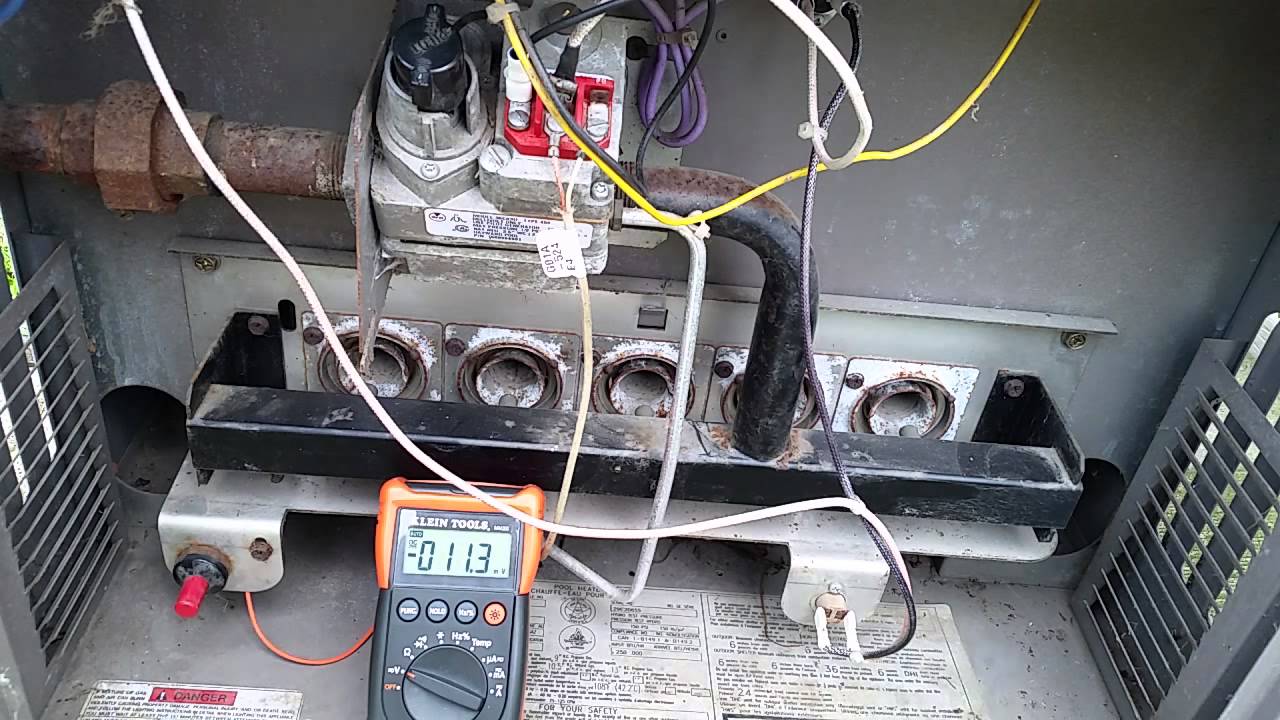
Use a multimeter to test continuity in wires, fuses, and heating elements. If readings are outside the normal range, replace the faulty part.
Checking Gas Pressure
Gas heaters need the right pressure. Use a manometer to test the supply. Too low means the heater won’t fire, too high can be dangerous.
Inspecting Heat Exchanger
Heat exchangers can crack or clog. If you see rust, water leaks, or notice the heater is slow to heat, inspect the exchanger for damage.
Verifying Flow Rate
Low flow is a top cause of heater issues. Use a flow meter to check the pump output. Adjust valves or replace the pump if needed.
When To Call A Professional
Some issues are simple, but others need expert attention:
- Gas leaks: Always call a professional. Gas is dangerous.
- Major electrical faults: Risk of shock or fire.
- Persistent error codes: If codes won’t clear or return quickly.
- Cracked heat exchanger: Often requires replacement.
- Noisy operation: If noises persist after cleaning and basic checks.
Professional technicians have special tools and experience. Calling them early can prevent bigger repairs.
Comparing Hayward Models
Hayward offers several heater models. Here’s a simple comparison to help you identify your unit and understand troubleshooting differences:
| Model | Type | Key Features | Common Issues |
|---|---|---|---|
| Universal H-Series | Gas | High efficiency, digital display | Ignition failure, sensor errors |
| HeatPro | Heat Pump | Energy efficient, quiet operation | Low refrigerant, fan issues |
| Electric Spa Heater | Electric | Compact, easy installation | Element failure, electrical faults |
If you know your model, check your manual for troubleshooting steps specific to your unit.
Real-world Example: Diagnosing A Hayward Gas Heater
Imagine you notice your pool water is cold, even though the heater is running. The display shows IF.
- Check gas supply: Valve is open, but gas smells faintly.
- Inspect igniter: Worn out and doesn’t spark.
- Replace igniter: Heater fires up, water heats.
Often, the solution is simple if you follow the clues. Don’t ignore error codes—they point directly to the cause.
Non-obvious Insights For Beginners
Many pool owners miss these points:
- Low water flow is the top cause of heater shutdowns. Even a slightly dirty filter can trigger an error.
- Heater location matters. Installing heaters in damp, shaded spots increases corrosion risk.
- Digital displays sometimes freeze after power surges. Reset the heater by turning it off and on.
- Seasonal maintenance is key. Clean and inspect your heater before the swimming season starts.
Avoiding Common Mistakes
Mistakes often make problems worse. Here’s what to avoid:
- Ignoring error codes: They’re your heater’s way of telling you what’s wrong.
- Using incorrect replacement parts: Always buy Hayward-approved components.
- Skipping regular cleaning: Dirt and debris cause most issues.
- Attempting gas repairs without training: This is dangerous—always call a pro.
Safety Precautions
Pool heaters use gas and electricity, so safety is critical:
- Turn off power and gas before opening the heater.
- Wear gloves and eye protection.
- Never bypass safety switches.
- Keep heaters clear of flammable materials.
If you smell gas or notice sparks, leave the area and call emergency services.
Improving Heater Efficiency
You can save money and extend your heater’s life with these tips:
- Set the thermostat only as high as needed.
- Use a pool cover to keep heat in.
- Clean filters and skimmers regularly.
- Schedule professional maintenance once a year.
Small steps make a big difference in energy use and reliability.
Finding Hayward Support
If you need parts, manuals, or expert advice, visit Hayward’s official site. They offer troubleshooting guides, videos, and customer service:
hayward Official Site
Frequently Asked Questions
What Does “lo” Mean On My Hayward Pool Heater?
LO stands for low water flow. It means water isn’t moving fast enough through the heater. Check your filter, pump, and skimmer for blockages. Clean or replace filters as needed.
How Often Should I Clean My Pool Heater?
Clean your heater every month during swimming season. Remove debris, check for corrosion, and inspect connections. If your pool collects lots of leaves or dirt, clean more often.
Why Does My Heater Keep Turning Off?
This usually happens because of low water flow, dirty filters, or safety switches activating. Check for error codes and follow the troubleshooting steps above.
Can I Fix A Gas Leak Myself?
No. Gas leaks are dangerous and require a professional. Shut off the gas supply, leave the area, and call a licensed technician.
Where Can I Find Replacement Parts For Hayward Heaters?
Buy replacement parts from the official Hayward site or trusted pool supply stores. Always use Hayward-approved parts to ensure safety and compatibility.
A Hayward pool heater can make your swimming season longer and more enjoyable. With these troubleshooting steps, you can fix simple issues, understand error codes, and know when to call for help. Regular maintenance is the best way to avoid problems and keep your heater running smoothly.
Remember, safety comes first—never take risks with gas or electricity. If you need more help, visit the manufacturer’s site or talk to a pool professional. Your pool will stay warm, comfortable, and ready whenever you want to swim.

