

If your hot shower suddenly turns cold, you know how frustrating water heater problems can be. The Titan water heater is a popular tankless electric unit, known for saving space and energy. But even reliable products like Titan can face technical issues over time. Luckily, many common problems can be fixed at home with a little guidance. This article will walk you through detailed troubleshooting steps, practical advice, and real examples to help you get your Titan water heater working again—without calling a technician right away.
Understanding Titan Water Heaters
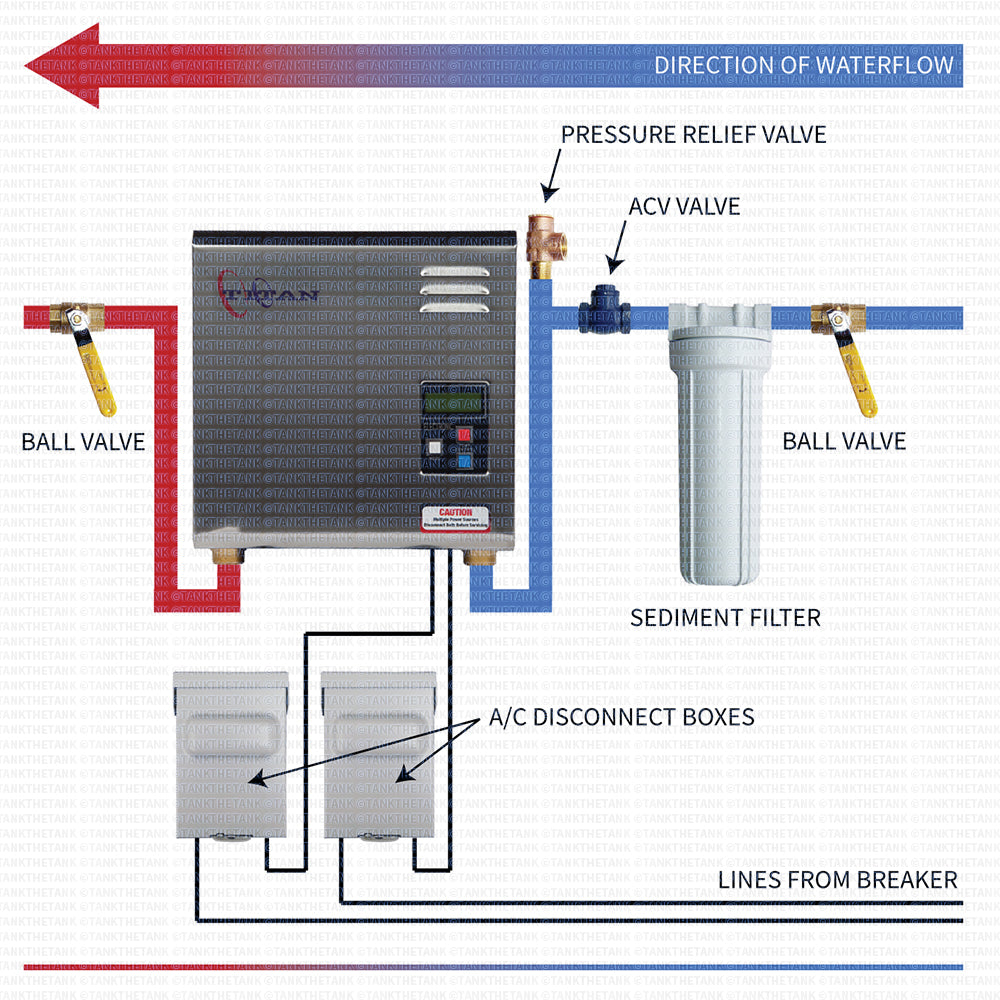
Before diving into specific troubleshooting, it’s helpful to know how Titan water heaters work. These are tankless systems, meaning they heat water on demand rather than storing hot water in a tank. Cold water passes through the unit, where electric elements heat it instantly. This design makes them efficient and compact, but it also means they react differently to problems compared to tank-style heaters.

36% off Today’s Exclusive Deals
Limited-time Exclusive Deals. Check current discount on Amazon.
Check Price on Amazon As an Amazon Associate I earn from qualifying purchases.Key Features:
- Digital controls for precise temperature
- Self-modulating technology adjusts power to match demand
- Multiple safety sensors monitor flow, temperature, and electrical status
Most issues can be traced back to a few main areas: electrical supply, water flow, temperature sensors, or internal components.
Common Titan Water Heater Problems
Understanding the symptoms is the first step in solving the problem. Here are the most common complaints from Titan water heater users:
- No hot water at all
- Water is too hot or too cold
- Water temperature fluctuates
- Unit does not power on
- Error codes on display
- Leaking or dripping
- Strange noises
Each problem has its own causes and solutions. Let’s look at these in detail.
No Hot Water At All
If your Titan water heater produces only cold water, don’t panic. This is a common issue, and there are several things you can check before calling for service.
Step 1: Check Power Supply
- Circuit breaker: Make sure the breaker for your water heater hasn’t tripped. Reset it if needed.
- Power cable and outlet: Inspect for visible damage or loose connections.
Step 2: Inspect Display And Controls
- If your unit has a digital display, see if it lights up when you press the power button.
- If the display is blank, the unit may not be receiving power or the control board could be faulty.
Step 3: Water Flow
- Tankless heaters need a minimum flow to activate. Open a hot tap fully and wait a few seconds.
- Make sure inlet filters are clean and not clogged.
Step 4: Internal Fuses
- Some models have an internal fuse. If you’re comfortable, turn off power and remove the cover to check for a blown fuse. Replace only with the correct type.
Step 5: Reset The Unit
- Most Titans have a reset procedure. Unplug the unit, wait 5 minutes, then plug it back in.
Non-obvious tip: If your power supply is 220V, check both phases—sometimes only one leg of the circuit fails, giving partial power but not enough to heat.
Water Is Too Hot Or Too Cold
Incorrect temperature is one of the most frequent complaints. Here’s how to solve it.
Step 1: Set Temperature Controls
- Make sure the temperature setting is not too low or too high. Most Titan models use buttons or a dial.
- For safety, set between 110°F–120°F for most homes.
Step 2: Check Incoming Water Temperature
- Extremely cold groundwater in winter can lower hot water output, especially in northern states.
- If the unit is undersized, it may not heat water fast enough during heavy use.
Step 3: Inspect Flow Rate
- If water flows too fast, it may not heat fully. Try reducing the flow at the faucet.
- Check for multiple faucets running at once, which can overwhelm the heater.
Step 4: Sensor Issues
- Faulty thermistors (temperature sensors) can cause water to be hotter or colder than intended.
- If adjusting the controls makes no difference, a sensor replacement may be needed.
Example: In Florida, where incoming water is warmer, a Titan N-120 can easily heat water for a shower. But in New York during winter, the same model may struggle, resulting in lukewarm water.
Water Temperature Fluctuates
If hot water keeps going from hot to cold and back, it’s usually a flow or sensor problem.
Step 1: Steady Flow
- Keep the flow steady at the tap. Sudden changes confuse the unit’s sensors.
- Avoid running multiple hot taps at once.
Step 2: Clean Inlet Filter
- Sediment can clog the inlet filter, disrupting flow and causing temperature swings.
- Turn off water, remove filter, and rinse under running water.
Step 3: Check For Air In The Pipes
- Air pockets can cause uneven flow and temperature jumps. Bleed air by running cold water for a few minutes.
Step 4: Electrical Fluctuations
- Voltage drops can make the heater cycle on and off. This is common in older homes with unstable power.
Insight: Many people overlook the role of stable water pressure. If your home has very high or low pressure, consider installing a pressure regulator.
Unit Does Not Power On
A dead unit is usually an electrical issue.
Step 1: Double-check Breaker
- Sometimes a breaker looks “on” but is half-tripped. Flip it off, wait, and turn it back on.
Step 2: Test Outlet
- Plug in another device to ensure the outlet is working.
- If using a GFCI outlet, reset it.
Step 3: Inspect Wiring
- Loose connections inside the junction box are a common cause.
- If you’re not comfortable, have a qualified electrician inspect the wiring.
Step 4: Faulty Control Board
- If power is reaching the unit but nothing works, the control board may need replacement.
Error Codes On Display
Newer Titan models display error codes when something goes wrong. Each code points to a specific problem.
Common Error Codes:
- E1: Inlet water temperature sensor problem
- E2: Outlet water temperature sensor problem
- E3: Flow sensor error
- E4: Overheat protection
- E5: Electrical supply issue
What To Do:
- Turn off the unit and unplug it for 5 minutes.
- Check for obvious blockages or wiring problems.
- Consult the manual for specific instructions for your model.
Non-obvious tip: Some error codes clear automatically after you fix the root problem, but others may require a manual reset using a button sequence.
Leaking Or Dripping
Leaks are rare in tankless heaters, but they can happen.
Step 1: Check Fittings
- Inspect all water connections for tightness.
Step 2: Look For Internal Leaks
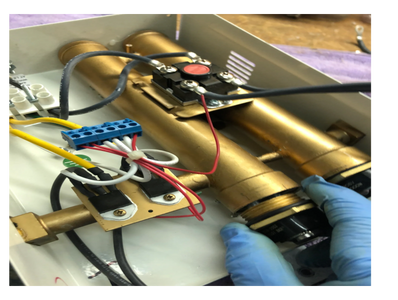
- Remove the cover and check for moisture near the heating chamber.
Step 3: Replace Worn Seals
- Rubber seals can degrade over time, especially in hard water areas.
Step 4: Check Pressure
- Excessive water pressure can cause leaks. Normal range is 40–60 psi.
If you see water inside the electronics, turn off power immediately and call a professional.
Strange Noises
Unusual sounds can be alarming, but they often have simple causes.
Common Sounds:
- Clicking: Normal relay operation
- Hissing: Water flow or small leaks
- Buzzing: Electrical issue
Solutions:
- Clean the inlet filter to remove debris.
- Make sure the unit is mounted securely—vibration can amplify normal sounds.
- Persistent buzzing may mean a failing relay or transformer, which needs professional repair.
Comparing Titan Water Heater Models
Different Titan models have their own strengths and troubleshooting points. Here’s a quick comparison of three popular models:
| Model | Max Power | Flow Rate (GPM) | Best For |
|---|---|---|---|
| N-120 | 11.8 kW | 3.5 | 1–2 bathrooms |
| N-160 | 16 kW | 4.5 | 2–3 bathrooms |
| N-210 | 21 kW | 6.0 | Large homes |
Choosing the right model affects how well your water heater performs, especially in colder climates.
Maintenance Tips To Prevent Problems
Regular maintenance can prevent most issues before they start.
- Clean the inlet filter every 3–6 months to avoid blockages.
- Check the wiring for signs of wear or overheating.
- Inspect seals and fittings for leaks.
- Flush the system annually if you have hard water—mineral buildup can reduce efficiency.
- Test the unit after power outages or electrical storms.
Pro tip: Install a whole-house water filter to extend the life of your Titan heater, especially if you have hard or dirty water.
When To Call A Professional
While many problems can be fixed with basic tools and patience, some require expert help:
- Persistent leaks inside the unit
- Electrical smells or burning
- Repeated tripped breakers
- Control board failures
- Complex error codes
Attempting advanced repairs without knowledge can void your warranty or cause injury. If in doubt, contact a licensed plumber or electrician.
Cost Of Repairs Vs Replacement
Sometimes, repair costs add up and replacement makes more sense. Here’s a quick look at typical costs:
| Issue | DIY Cost | Pro Cost | Replace Unit |
|---|---|---|---|
| Inlet filter cleaning | $0–$10 | $50–$100 | – |
| Sensor replacement | $20–$60 | $150–$300 | – |
| Control board | $100–$150 | $250–$500 | $300–$700 |
| Full replacement | – | – | $350–$1000 |
If your unit is over 10 years old or needs frequent repairs, replacement is often more cost-effective.
Troubleshooting By Error Code: Practical Examples
Let’s look at two real-world scenarios to make troubleshooting easier.
Scenario 1: E1 Error (inlet Sensor Failure)
Symptom: Unit powers on, but no hot water and displays “E1.”
Fix:
- Turn off power.
- Remove the cover and locate the inlet sensor (usually a small wire attached near the water inlet).
- Check for loose wires or corrosion.
- Replace the sensor if damaged. They are affordable and available from Titan distributors.
Extra tip: A failed sensor sometimes means the unit was exposed to a surge—check your home’s grounding.
Scenario 2: E4 Error (overheat Protection)
Symptom: Water is hot, then unit shuts down and shows “E4.”
Fix:
- Clean all filters and check that water is flowing properly.
- Lower the temperature setting to prevent overheating.
- If the error continues, the overheat sensor may need to be replaced.

Upgrading Or Sizing A New Titan Water Heater
If you’re having ongoing trouble, your unit may be undersized for your needs.
Sizing Guide
To avoid future problems, size your Titan water heater according to your home’s needs.
| Home Size | Required GPM | Suggested Model |
|---|---|---|
| Apartment / 1 bath | 2–3 | N-120 |
| Small house / 2 baths | 3–4 | N-160 |
| Large house / 3+ baths | 5–6 | N-210 |
Caution: Always check your incoming water temperature and electrical supply before upgrading.
Safety Tips For Diy Repairs
When working on your Titan water heater, safety comes first.
- Turn off power at the breaker before opening the unit.
- Test for live wires with a voltage tester.
- Do not bypass safety sensors—this is dangerous and voids your warranty.
- Use only genuine Titan parts for replacements.
If you’re ever unsure, stop and call a professional.
Energy Efficiency And Troubleshooting
Titan heaters are efficient, but problems can reduce savings.
- Sediment buildup means the heater works harder, using more energy.
- Incorrect settings can waste power—set the temperature just high enough for comfort.
- Leaky faucets or pipes make the unit run more often.
Statistic: According to the U.S. Department of Energy, tankless heaters can be 24–34% more efficient than tank-style models in homes that use less than 41 gallons of hot water daily. But only if maintained properly.
Warranty And Support
Most Titan water heaters come with a limited warranty (usually 10 years on parts, 1 year on labor). Register your unit and keep your purchase receipt.
- DIY repairs may void the warranty if unapproved parts are used.
- Always call Titan’s support line for major issues—they can walk you through advanced troubleshooting.
You can find official support information at the Titan official website.
Frequently Asked Questions
What Does It Mean If My Titan Water Heater Flashes “e3”?
E3 usually means a flow sensor error. This sensor detects when water is moving through the heater. Check the inlet filter for clogs and ensure there are no air pockets in the line. If the error persists, the sensor may need replacement.
Why Does My Water Get Cold When Someone Else Uses A Faucet?
Tankless heaters can only heat a certain amount of water at once. If multiple faucets are on, the flow rate can exceed the unit’s capacity, making water colder. Upgrading to a larger model or staggering hot water use solves this.
How Often Should I Clean My Titan Water Heater’s Inlet Filter?
Every 3–6 months is recommended, but in areas with hard or dirty water, check monthly. Regular cleaning prevents flow problems and extends the life of your unit.
Is It Safe To Repair My Titan Water Heater Myself?
Basic tasks like cleaning filters are safe for most homeowners. For electrical repairs or internal components, only proceed if you are confident and always turn off power. When in doubt, hire a licensed technician.
What Size Titan Water Heater Do I Need?
It depends on your home size, number of bathrooms, and local water temperature. For a typical two-bath home, the N-160 model is a good choice. Always use Titan’s sizing charts or consult an expert before buying.
Getting your Titan water heater back to peak performance is possible with careful troubleshooting and regular maintenance. Most issues can be solved with simple checks, and you’ll save time and money by handling minor problems yourself. However, always prioritize safety and know when to call a professional. With the right approach, you can enjoy endless hot water for years to come.

