

Clear, calm reefs with good visibility like Florida, Bahamas, and La Paz are best.
I’ve spent a decade spearfishing, teaching newcomers, and guiding trips in easy, beginner-friendly waters. This guide shows the best spearfishing locations for beginners, why they work, what to expect, and how to pick the right spot for safe, fun learning. Read on for location picks, season tips, gear advice, and real-world lessons that will help you catch your first fish with confidence.

36% off Today’s Exclusive Deals
Limited-time Exclusive Deals. Check current discount on Amazon.
Check Price on Amazon As an Amazon Associate I earn from qualifying purchases.
Why location matters for beginner spearfishers
Picking the right spot makes learning faster, safer, and more fun. Calm seas, clear water, and accessible reefs let you practice breath holds, aim, and situational awareness without fighting strong currents or deep drops. The best spearfishing locations for beginners offer shallow structure, abundant reef fish, predictable conditions, and easy access to local guides or charters.
Good locations reduce risk. They give consistent visibility so you can spot fish early. They also let you focus on technique instead of battling waves. As a coach, I always send new divers to places with friendly conditions and plenty of legal, targetable species.

How to choose beginner-friendly spearfishing locations
Choose places that match these simple criteria. Each factor matters to keep you safe and to help you improve.
- Calm water and light to moderate swell. These reduce fatigue and make aiming easier.
- Good visibility, ideally 10+ meters. Clear water helps you read fish behavior.
- Shallow reef or patch reef structure in 6 to 20 feet. Shallow structure keeps dives shorter and recovery easier.
- Abundant, legal reef fish like snapper, grouper, parrotfish, and smaller pelagics. These teach targeting and shot placement.
- Easy access from shore or short boat rides. Less travel time means more practice time.
- Local guides, dive shops, and clear regulation enforcement. Good local info prevents legal or safety mistakes.
Common beginner questions answered briefly:
Will I need a boat to start spearfishing? Many beginner spots offer shore-based spearfishing; a small boat helps but isn’t required.
How deep should my first dives be? Keep dives shallow—6 to 20 feet—so you practice skills safely.
Is tide and current important? Yes; choose slack tide or protected bays to avoid strong currents.

Top beginner spearfishing locations around the world
Below are reliable spots known for friendly conditions, clear water, and fish variety. Each entry explains what makes it suitable and basic tips.
Florida Keys, USA
Clear, warm water with many shore-access reefs and numerous charters. Targets include snapper, grouper, and hogfish. Avoid busy boat channels and learn local size and season rules.
Bahamas (Eleuthera, Andros)
Outstanding visibility, shallow patch reefs, and calm seas. Fish are abundant and approachable. Use local guides to find legal zones and seasonal hotspots.
La Paz and Sea of Cortez, Mexico
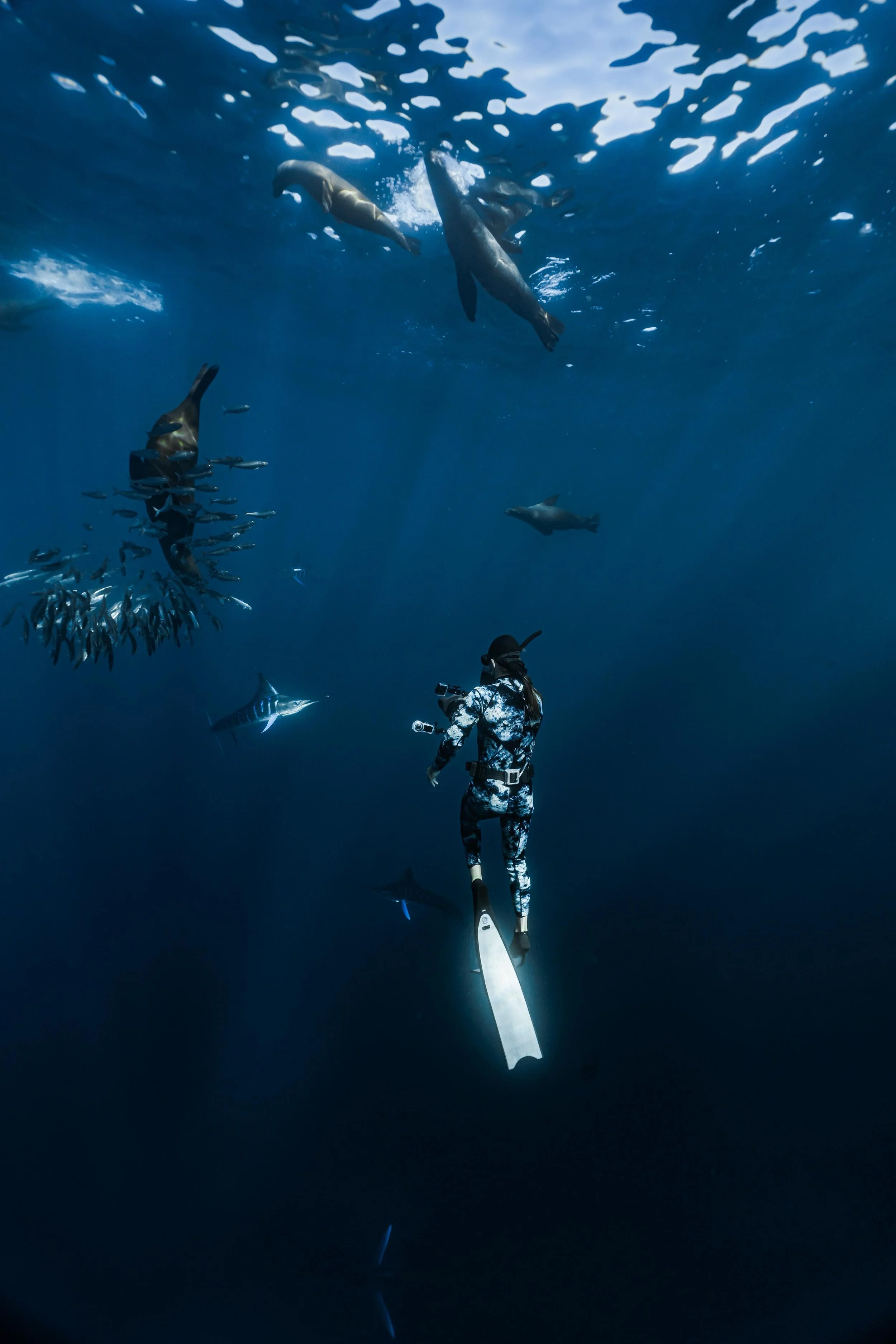
Protected bays, calm water, and a mix of reef and pelagic species make this ideal for learners. The water varies seasonally but is generally friendly for shore or boat diving.
Oahu, Hawaii (shore reefs and protected bays)
Clear reef zones and sheltered bays offer easy practice areas. Expect reef fish and small pelagics; obey local rules and be aware of currents around points.
Cozumel, Mexico
World-class clarity and well-marked reefs, with many guided trips tailored for beginners. Cozumel’s currents can be strong in places—pick sheltered sites.
Canary Islands (Gran Canaria, Fuerteventura)
Temperate water and sheltered coves give controlled conditions. Rocky reefs and moderate fish diversity are great for skill-building.
Red Sea, Egypt (Hurghada, Sharm el-Sheikh)
Superb visibility and shallow coral gardens with lots of small reef species. Boat trips are common; choose calm-weather months and legal areas.
Mediterranean (Mallorca, Cyprus)
Clear seas, many shallow rocky reefs, and easy shore entry points. The fish are smaller but abundant—perfect for practicing selectivity and shot accuracy.
Bay of Islands, New Zealand
Calm, sheltered bays and rocky reef systems. The fish species are different from tropical reefs but forgiving for beginners in terms of behavior.
La Paz to Cabo San Lucas corridor, Mexico (Baja)
Protected lagoons and gentle reefs, with varied seasonal species. Shore and short-boat access make this a practical training ground.
Each of these locations supports schooling species, accessible entry points, and guide services geared to new spearfishers. Always confirm local rules and seasons before you go.

Seasonal tips and local rules
Timing matters for safety and success. Follow these practical rules:
- Check seasons and size limits. Many spots protect breeding fish at particular times.
- Choose shoulder seasons for calmer weather and fewer tourists.
- Learn local gear restrictions. Some regions ban certain spears or have bag limits.
- Ask local shops about slack tide windows and best entry points.
- Book a guided trip for your first outing in any unknown area.
I once dove a promising reef out of season and learned the hard way about closed seasons. Always verify regulations before you travel.

Gear and techniques for beginners
Start simple, reliable, and safe. Your first setups should emphasize control and ease.
- Mask and snorkel: Clear fit and anti-fog. Vision is everything.
- Fins: Comfortable freediving-style fins for efficient kicks.
- Wetsuit: Thin or thick depending on water temperature; thermal comfort helps you stay longer.
- Spear choice: Pole spear or short banded gun for shore work. Both are easier for beginners than full power guns.
- Float and line: A safety float with a flag and a short line prevents lost gear and signals boats.
- Weight belt: Minimal weight for proper buoyancy. Practice neutral at shallow depth.
- Safety gear: Dive knife, whistle, and a surface marker buoy for emergencies.
Practice breath holds and duck dives in a pool before heading to the reef. Learn to relax on the surface, equalize early, and clear your mask without panic.
Common beginner mistakes and how to avoid them
Learning from mistakes speeds progress. These are the most frequent errors and simple fixes.
- Going out alone. Always dive with a buddy or a guide. A partner watches for fatigue and helps in an emergency.
- Overreaching for a big fish. Target smaller, easier species first to build skill and confidence.
- Poor buoyancy and gear setup. Test your kit in shallow practice dives until everything is comfortable.
- Ignoring local rules. Read regulations and ask locals—penalties can be steep and damaging to fish stocks.
- Not checking wind, swell, or tide. Plan around calm conditions and slack tides.
I once chased a trophy fish into a current and had to be rescued by my buddy. Lesson: pick manageable targets and trust the team.

Frequently Asked Questions about What are the best spearfishing locations for beginners?
What should I look for when choosing a beginner spearfishing spot?
Look for calm water, good visibility, shallow reef structure, and abundant, legal reef fish. Easy shore or short-boat access and local guides are also key.
Do I need boat access to learn spearfishing?
No, many beginner-friendly spots are shore-accessible and ideal for learning basics. Boats help you reach more varied reefs but are not required.
Which species are best for beginners to target?
Start with snapper, grouper, parrotfish, and small pelagics that are abundant and forgiving. Avoid apex predators until you have more experience.
How important are local rules and seasons?
Very important. Regulations protect fish and keep you legal; seasons and size limits control sustainable harvests. Always check before you fish.
Is professional instruction worth the cost for beginners?
Yes. A guided lesson accelerates skill building and ensures safety. Instructors teach local rules, safe entry points, and recovery techniques.
Conclusion
Choosing the right places is the fastest way to learn spearfishing well. Focus on calm, clear reefs with easy access and abundant, legal species. Start shore-based or take a guided trip, use simple gear, and practice safe habits like diving with a buddy. Take one step at a time: pick a beginner-friendly location, learn the local rules, and try short practice sessions until you feel confident. If you found these tips useful, share your planned location below, subscribe for more spearfishing guides, or leave a question so I can help you plan your first trip.

