

A reliable water heater is essential for comfort at home, especially during cold months. Bradford White water heaters are trusted for durability and quality, but like any appliance, they can develop problems over time. Troubleshooting these issues early can save money and prevent cold showers. Whether you have a gas or electric model, understanding how to identify and fix common problems is valuable for every homeowner.
This guide will help you troubleshoot your Bradford White water heater confidently. You’ll learn how to diagnose frequent issues, understand error codes, and know when to call a professional. With clear explanations, real examples, and practical tips, you’ll be able to solve most problems and maintain your water heater for years.

36% off Today’s Exclusive Deals
Limited-time Exclusive Deals. Check current discount on Amazon.
Check Price on Amazon As an Amazon Associate I earn from qualifying purchases.Understanding Your Bradford White Water Heater
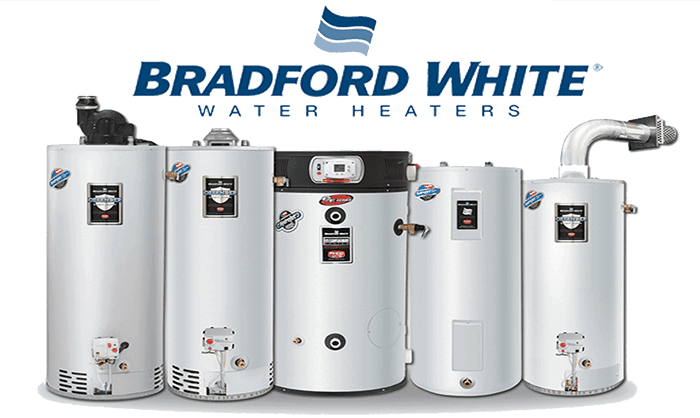
Before troubleshooting, it’s important to know your specific water heater type. Bradford White produces several models, but most fall into two categories:
- Gas water heaters: Use natural gas or propane.
- Electric water heaters: Use electric heating elements.
There are also tankless and hybrid models, but the troubleshooting basics are similar.
Each model has a rating plate with the serial number, model, and energy source. If you’re unsure about your model, locate this plate on the side of your unit. This information helps when reading manuals or talking to support.
Key Components
Typical Bradford White water heaters contain:
- Thermostat
- Pilot light (gas models)
- Heating elements (electric models)
- Gas valve
- Thermocouple
- Anode rod
- Temperature and pressure relief valve (T&P valve)
- Dip tube
Knowing these parts helps you understand where problems may start.
Common Problems And Troubleshooting Steps
Bradford White water heaters are built to last, but some issues occur more frequently. Here are the most common problems and how to troubleshoot them.
1. No Hot Water
If you turn on the faucet and get only cold water, several things could be wrong.
For Gas Models
- Pilot light is out: Check the viewing window. If there’s no small flame, relight it following the instructions on your unit.
- Thermocouple failure: If the pilot won’t stay lit, the thermocouple may be faulty.
- Gas supply issue: Make sure the gas valve is open and you have gas in your home.
- Control valve defect: The gas control valve could be malfunctioning.
For Electric Models
- Tripped circuit breaker: Check your electrical panel. Reset the breaker if needed.
- Faulty heating element: If one or both elements fail, the water will not heat.
- Thermostat failure: If the thermostat malfunctions, no power will reach the heating elements.
2. Not Enough Hot Water
If your water is warm but runs out quickly, the problem is often with the thermostat setting or heating elements.
- Thermostat set too low: Adjust the thermostat to 120–140°F.
- Sediment buildup: Hard water minerals can settle at the tank bottom, reducing heating efficiency.
- Undersized unit: If your household size has grown or usage increased, the heater may be too small.
3. Water Too Hot
Extremely hot water can be dangerous. Typical causes include:
- Thermostat set too high: Lower to a safe level (120°F is recommended).
- Stuck thermostat: A faulty thermostat may not regulate temperature correctly.
4. Water Leaks
Leaks can cause damage and should be addressed quickly.
- Loose connections: Inspect the cold/hot water lines and tighten if needed.
- Faulty T&P valve: If water drips from this valve, it may be opening due to excessive pressure or temperature.
- Tank corrosion: Rust at the tank bottom often means the tank has failed and needs replacement.
5. Strange Noises
Hearing Popping, Cracking, Or Rumbling Sounds From Your Heater?
- Sediment buildup: Minerals in water settle and harden at the bottom, causing noise.
- Scale on elements: In electric models, scale can form on heating elements.
Flushing the tank once or twice a year prevents this.
6. Discolored Or Smelly Water
- Rusty water: May signal a failing anode rod or tank corrosion.
- Rotten egg smell: Sulfur bacteria in the tank, especially with well water.
Replacing the anode rod or treating the tank with hydrogen peroxide can help.
7. Pilot Light Keeps Going Out (gas Models)
- Dirty thermocouple: Clean or replace if it can’t sense the pilot flame.
- Clogged pilot orifice: Clean with a needle.
- Drafts: Ensure no air movement blows out the flame.
8. Error Codes
Most modern Bradford White units have a status light or display that shows error codes. Refer to your manual for the meaning of each code.
Example Error Codes
| Error Code | Meaning | Action |
|---|---|---|
| 1 Flash | Normal Operation | No action needed |
| 2 Flashes | Thermopile voltage low | Check pilot assembly |
| 4 Flashes | High temperature shutdown | Lower thermostat, check valve |
| 5 Flashes | Sensor failure | Replace sensor |
9. Water Takes Too Long To Reheat
- Broken lower heating element (electric models): Replace if not heating.
- Sediment in tank: Flush tank to restore heat transfer.
- Gas burner issues: Clean or adjust burner assembly.
Step-by-step Troubleshooting Process
If your Bradford White water heater has a problem, follow these steps to diagnose and fix it.
Step 1: Identify Your Model And Fuel Type
Locate the rating plate and note your model number and whether it’s gas or electric.
Step 2: Check The Power Or Gas Supply
- Electric: Confirm the unit is plugged in and the breaker is on.
- Gas: Make sure the gas valve is open and the pilot is lit.
Step 3: Inspect For Visible Problems
- Look for water leaks, rust, or loose wires.
- Smell for gas leaks (call a professional if you detect gas).
Step 4: Review Error Codes Or Lights
Check the status indicator and compare with your manual or the table above.
Step 5: Test Components
For Electric Models
- Use a multimeter to check element resistance (should show continuity).
- Test thermostat operation.
For Gas Models
- Observe the pilot and burner flame. It should be blue and steady.
- Check the thermocouple output voltage (should be 25–35 mV).
Step 6: Flush The Tank
- Turn off power or gas.
- Attach a hose to the drain valve.
- Open a hot water tap upstairs.
- Drain several gallons or until water runs clear.
Step 7: Adjust Settings
- Set the thermostat to a safe, efficient temperature.
- Replace worn parts like the anode rod or T&P valve if needed.
When To Call A Professional
DIY fixes can solve many issues, but some require expert help:
- Gas leaks: Always call a licensed plumber or utility company.
- Major leaks: If water is pouring out, shut off water and power, then call for service.
- Tank corrosion: Replacement is the only option.
- Repeated tripping of breakers or error codes: May signal deeper electrical or gas issues.
Working with water and electricity or gas can be dangerous. If you’re not comfortable, it’s better to get professional support.
Preventive Maintenance Tips
Regular maintenance reduces breakdowns and extends your water heater’s life.
- Flush the tank: Once or twice a year removes sediment.
- Check the anode rod: Replace every 3–5 years or if worn.
- Test the T&P valve: Lift the lever; if water flows, it’s working.
- Inspect for leaks: Monthly checks can catch small issues early.
- Set the thermostat: Keep at 120°F for safety and efficiency.
- Keep area clear: Don’t store items close to the heater, especially flammable materials.
Maintenance Schedule Example
| Task | Frequency | Notes |
|---|---|---|
| Flush tank | Every 6–12 months | Prevents sediment buildup |
| Replace anode rod | Every 3–5 years | Protects against rust |
| Test T&P valve | Once per year | Ensures safety |
| Check thermostat setting | As needed | Improves efficiency |
Safety Precautions
Working on a water heater involves risks. Always:
- Turn off power or gas before starting repairs.
- Allow the tank to cool before draining or opening.
- Use proper tools and safety gear.
- Never block the pressure relief valve.
- Keep children and pets away from the area.
If you ever smell gas, evacuate and call your gas company immediately.
Understanding Warranty And Support
Bradford White water heaters usually come with a limited warranty (often 6–10 years). The warranty may cover the tank, parts, or labor. However, using unapproved parts or doing unqualified repairs can void the warranty.
Always keep your purchase receipt and installation records. If you need warranty service, have your model and serial number ready.
For specific support, you can contact Bradford White directly or visit their official website at Bradford White.
Comparing Bradford White To Other Brands
How do Bradford White water heaters compare to leading brands like Rheem or AO Smith? Here’s a brief overview.
| Brand | Strengths | Common Issues | Warranty |
|---|---|---|---|
| Bradford White | Durable, good support, made in USA | Sediment, anode rod wear | 6–10 years |
| Rheem | Wide range, energy-efficient models | Thermostat issues | 6–12 years |
| AO Smith | Advanced features, hybrid models | Leaking valves | 6–10 years |
While no brand is perfect, Bradford White stands out for reliability and straightforward troubleshooting.
Two Insights Beginners Often Miss
- Water quality matters: If your home has hard water, sediment and mineral buildup can happen quickly. Installing a whole-house water softener or using a filter can extend your heater’s life and reduce maintenance.
- Venting and airflow: For gas models, proper venting is crucial. Blocked vents can cause dangerous fumes to back up into your home and can also trigger safety shutdowns. Always check the vent pipe for blockages, especially after storms or if you have birds nesting nearby.
Frequently Asked Questions
Why Is My Bradford White Water Heater Making Popping Noises?
Popping or rumbling sounds usually come from sediment buildup at the tank bottom. As water heats, trapped air pockets in the sediment burst and create noise. Flushing the tank every 6–12 months helps stop these sounds and improves efficiency.
How Can I Reset My Bradford White Water Heater?
For electric models, there’s usually a red reset button above the upper thermostat under the access panel. Turn off power, press the button, and restore power. For gas models, resetting involves relighting the pilot or following instructions in your manual.
What Does A Flashing Red Light Mean On My Heater?
A flashing red light signals a diagnostic code. Count the number of flashes, then check your manual or the troubleshooting table above. Each pattern points to a specific problem, such as sensor failure or high temperature.
How Often Should The Anode Rod Be Replaced?
Inspect the anode rod every 3–5 years. If it’s less than ½ inch thick or coated with calcium, replace it. A healthy anode rod protects your tank from rust and extends its life.
Where Can I Find Official Bradford White Support?
You can get help from the manufacturer’s official site: Bradford White. There you’ll find manuals, troubleshooting guides, and customer service contacts.
Taking care of your Bradford White water heater doesn’t have to be stressful. With the right information, you can solve most problems yourself, keep your water hot, and your home comfortable. If you’re ever unsure, safety and expert help should always come first. By staying proactive and doing regular checks, you’ll enjoy reliable hot water for years to come.


