

Basic gear: rod, reel, fly line, leader, tippet, flies, waders, boots, and a few handy tools.
I’ve guided dozens of beginners and refined my own kit over years on rivers and lakes. This article answers What equipment do you need for fly fishing? with clear choices, simple setups, and real tips from time on the water. Read on to pick gear that fits your budget, skill level, and fishing style.

36% off Today’s Exclusive Deals
Limited-time Exclusive Deals. Check current discount on Amazon.
Check Price on Amazon As an Amazon Associate I earn from qualifying purchases.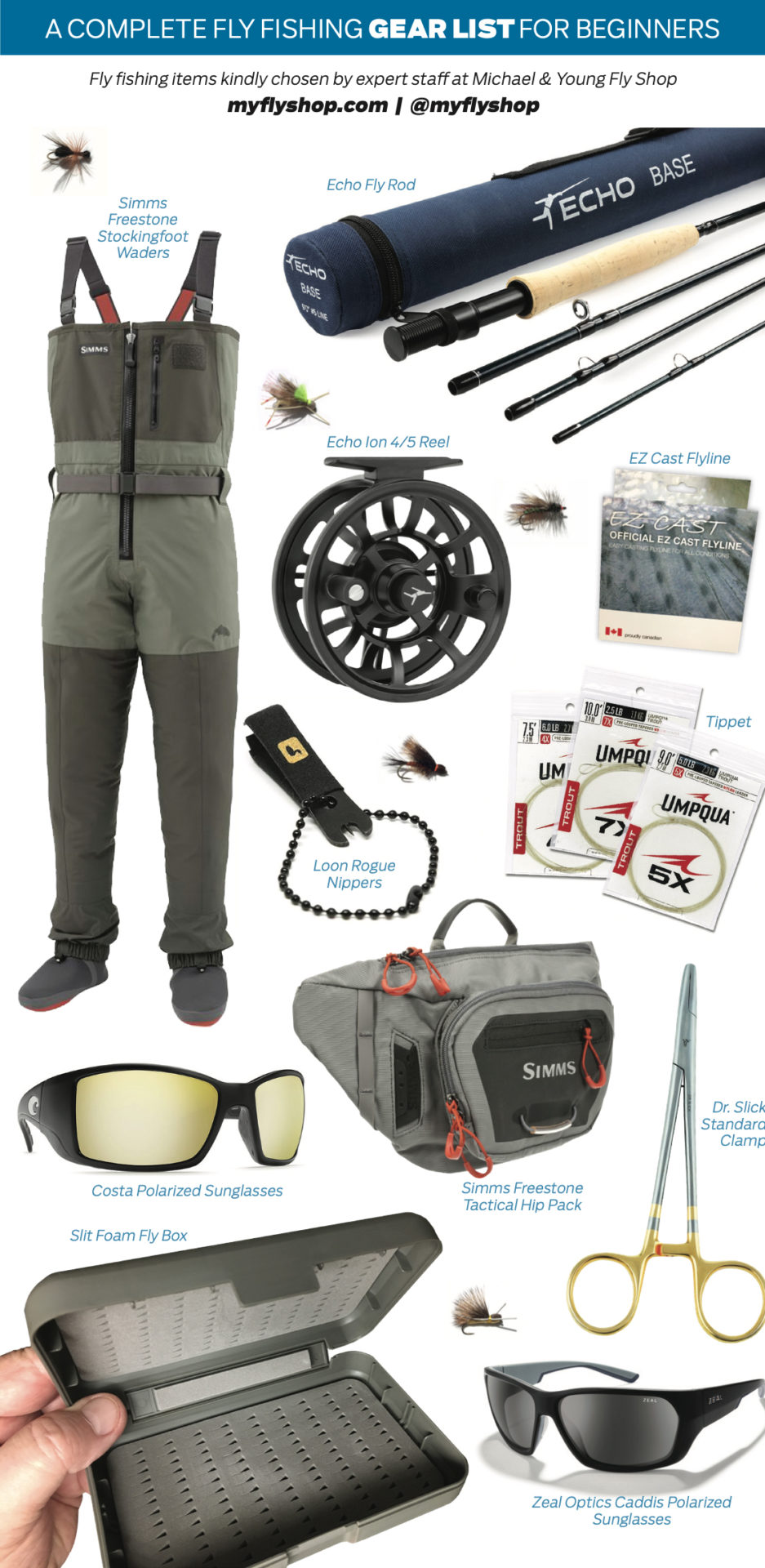
Essential fly fishing gear
What equipment do you need for fly fishing? Start with these core items. Keep each piece simple and matched to the fish and water you will chase.
- Fly rod
- Choose a rod by weight and length. A 9-foot 5-weight is a true all-rounder for trout and small warmwater fish.
- For bass, saltwater, or larger fish, go heavier: 7–9 weight or more.
- Fly reel
- A reel should balance the rod. It stores line and helps land fish.
- Drag quality matters for big fish in wide water.
- Fly line
- Match line weight to rod weight. Lines come in floating, sinking, and intermediate tapers.
- Weight-forward floating line is best for most beginners and river fishing.
- Leader and tippet
- Leader connects the thick fly line to the fly. Typical leaders are 7.5–9 feet.
- Tippet is thin line tied to the leader end. Use thinner tippet for spookier fish or smaller flies.
- Flies
- Carry a mix: dry flies, nymphs, and streamers. Pattern choice depends on hatch and water.
- Start with a few trusted patterns in sizes 12–18 for trout and larger sizes for other species.
What equipment do you need for fly fishing? The rod, reel, line, leader, and flies form the basic system. Get these right first, then add tools.

What size rod should I buy?
Pick a 9-foot 5-weight rod to start. It casts well, handles most flies, and suits streams and small rivers.
Do I need sinking line?
Not for beginners. Floating line covers most situations. Add sinking or intermediate lines later for deep pools or saltwater.

Clothing, footwear, and safety
What equipment do you need for fly fishing? Clothing is gear too. Dress for comfort, stealth, and safety.
- Waders and boots
- Breathable chest waders work for cold water. Hip waders suit warm seasons.
- Felt or rubber-soled boots provide grip on rocks; studded soles add traction.
- Clothing layers
- Use base layer, insulating mid-layer, and water-resistant outer shell. Quick-dry fabrics help.
- Hat and sunglasses
- Polarized sunglasses reduce glare and protect eyes from hooks. A brimmed hat blocks sun.
- Safety gear
- Wear a wading staff in fast water. Carry a whistle and a small first-aid kit.
- Bug and sun protection
- Bring sunscreen and insect repellent. Long sleeves and a neck gaiter reduce sun risk.
My experience: a lightweight shell and good boots saved a day when the weather turned. Clothes that dry fast keep you fishing longer.

Accessories, tools, and storage
What equipment do you need for fly fishing? Small items make big differences. Pack these tools.
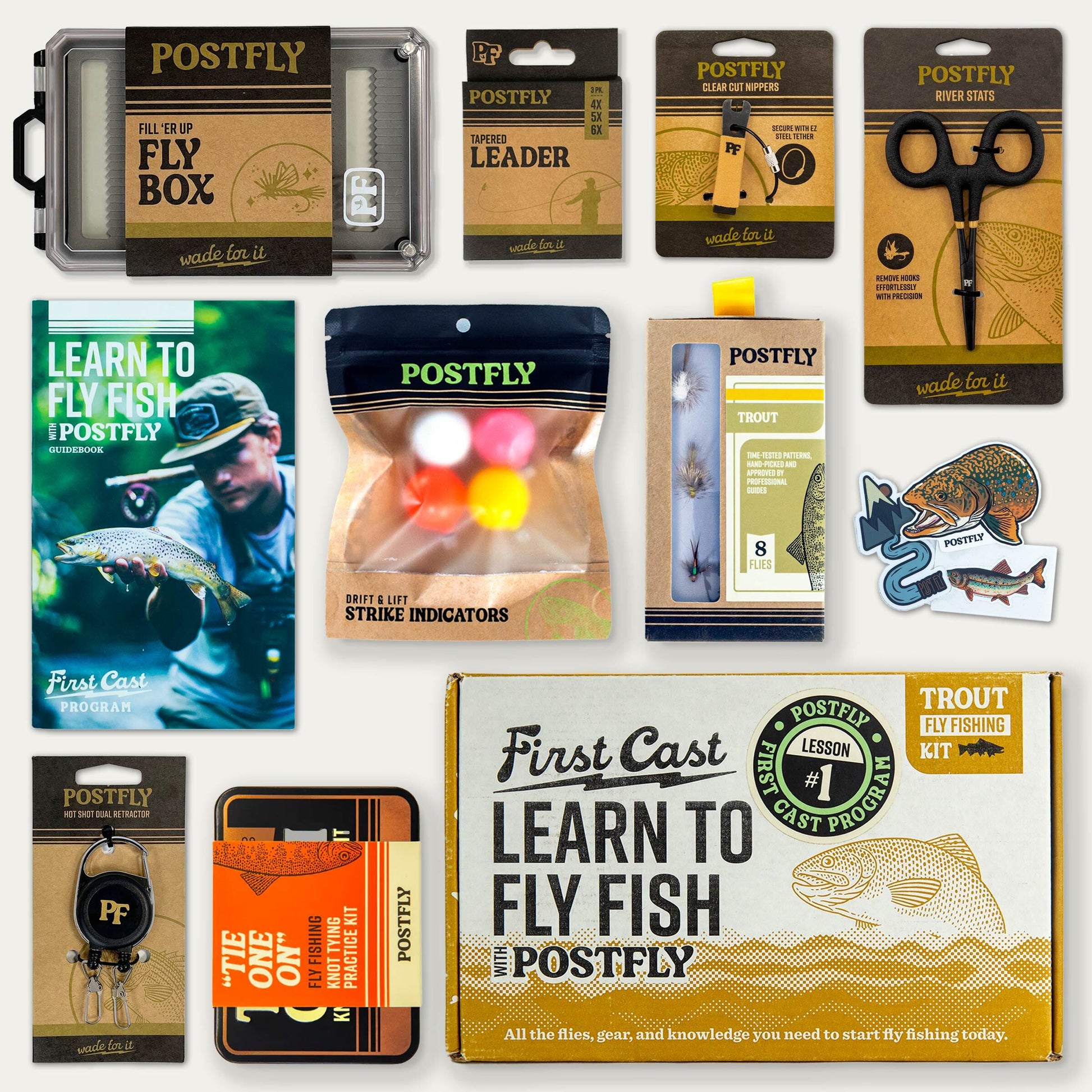
- Fly box
- Keep flies organized and dry. Use foam or slotted boxes.
- Nippers and forceps
- Nippers cut tippet cleanly. Forceps remove hooks safely.
- Floating indicator and split shot
- Use indicators for nymph rigs. Split shot helps flies reach depth.
- Net
- A rubber or knotless net protects fish and helps land them.
- Strike indicators and leaders
- Pre-tied leaders save time. Carry spare tippets in varied strengths.
- Backpacks and vests
- A pack or vest keeps gear handy and balanced for long wade days.
I learned to always carry spare tippet and an extra fly box. Lost flies and broken tippet are common, and fixes are quick with simple tools.
Matching rod, line, and flies
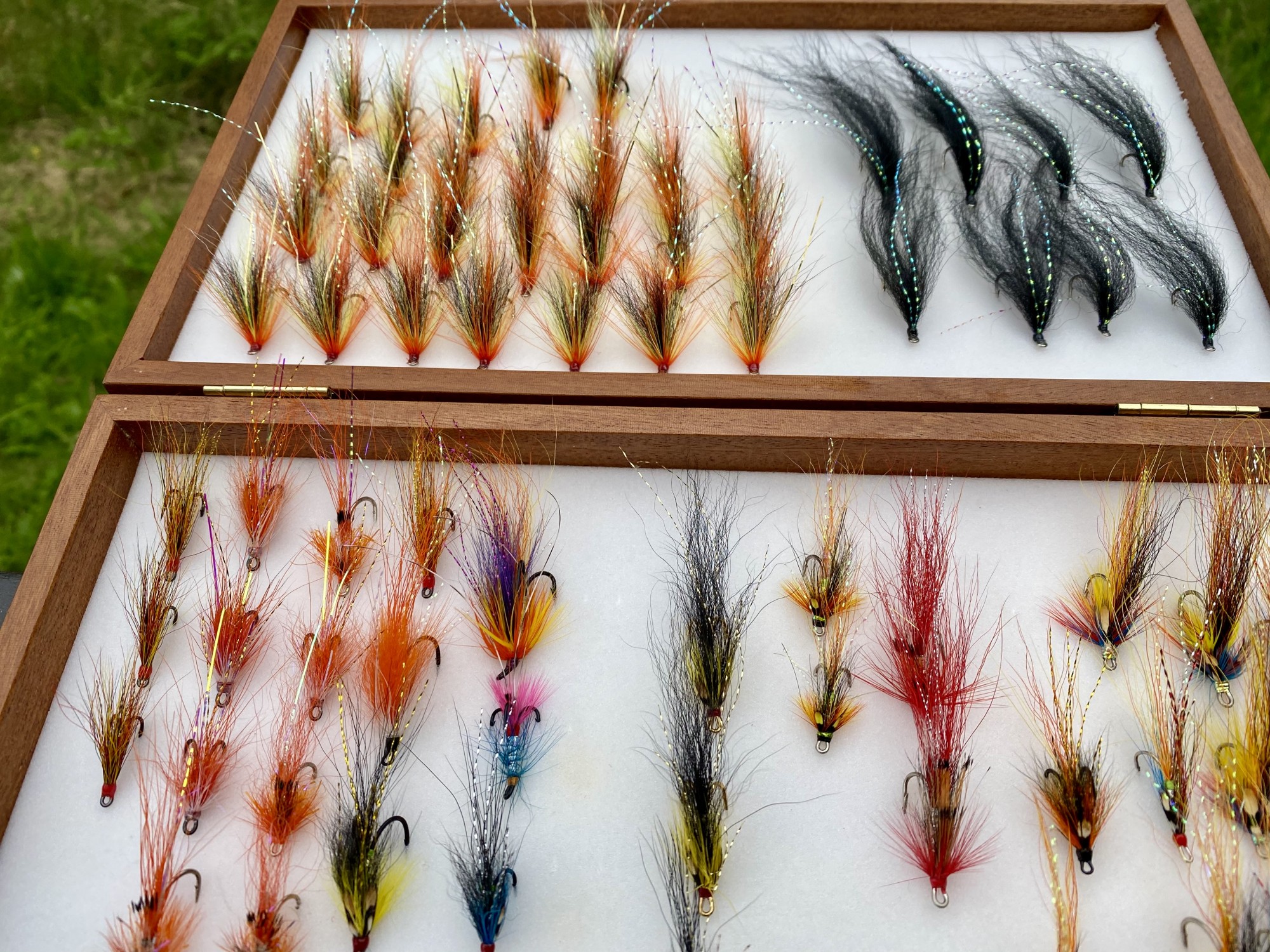
What equipment do you need for fly fishing? Matching gear creates a smooth setup that casts and presents flies easily.
- Rod and line weight
- Match the fly line weight to the rod’s weight rating for best performance.
- Line taper
- Weight-forward tapers help beginners cast. Double-taper lines aid roll casts and delicate presentations.
- Fly size and leader strength
- Small flies need light tippet; big streamers need heavy leaders. Match tippet strength to the target fish.
- Action and feel
- Fast-action rods bend near the tip and cast heavy leaders with power. Medium or slow action rods feel forgiving and help learning.
A balanced outfit lets you cast farther, mend line, and land fish without fighting gear. Test combos in a yard or pond before you hit the river.
Fly types and how to choose them
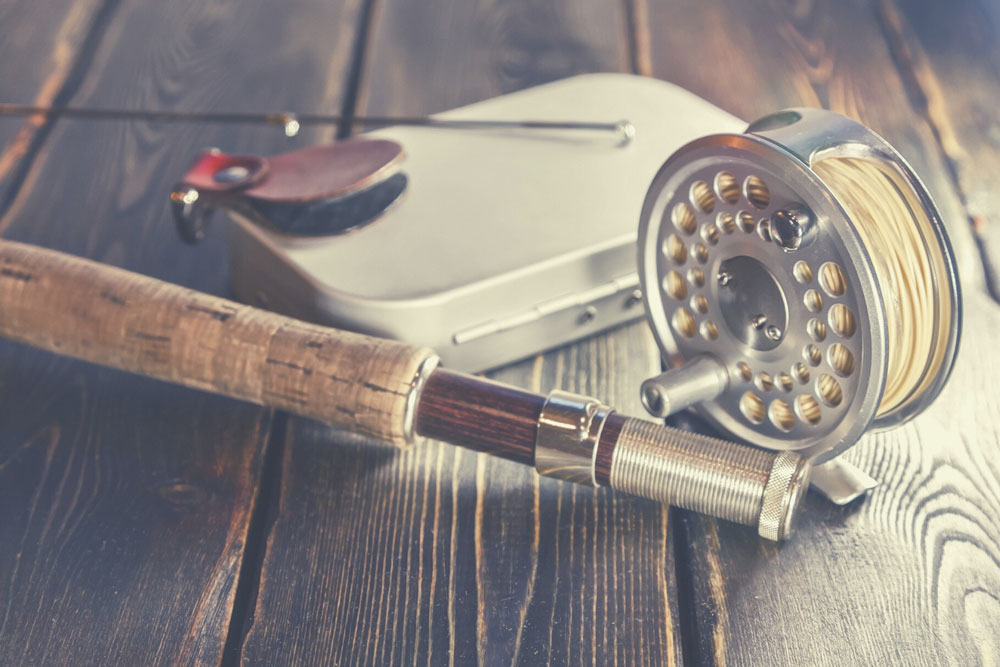
What equipment do you need for fly fishing? Knowing fly types helps you choose the right patterns.
- Dry flies
- Float on the surface to imitate adult insects. Use in clear water where trout feed on the surface.
- Nymphs
- Imitate aquatic insect nymph stages. Fish nymphs below the surface—these catch the bulk of trout.
- Streamers
- Imitate baitfish or large prey. Use streamers when fish feed aggressively or are in deeper runs.
- Emergers and wet flies
- Sit in the film zone. They work during hatches and in slow water.
- Saltwater patterns
- Larger, durable flies imitate shrimp, crabs, and baitfish. Use strong tippet and corrosion-resistant hooks.
When I started, I carried too many patterns. Focus on a few reliable flies per water type and learn which colors and sizes work locally.
Setting up your fly fishing rig — step by step
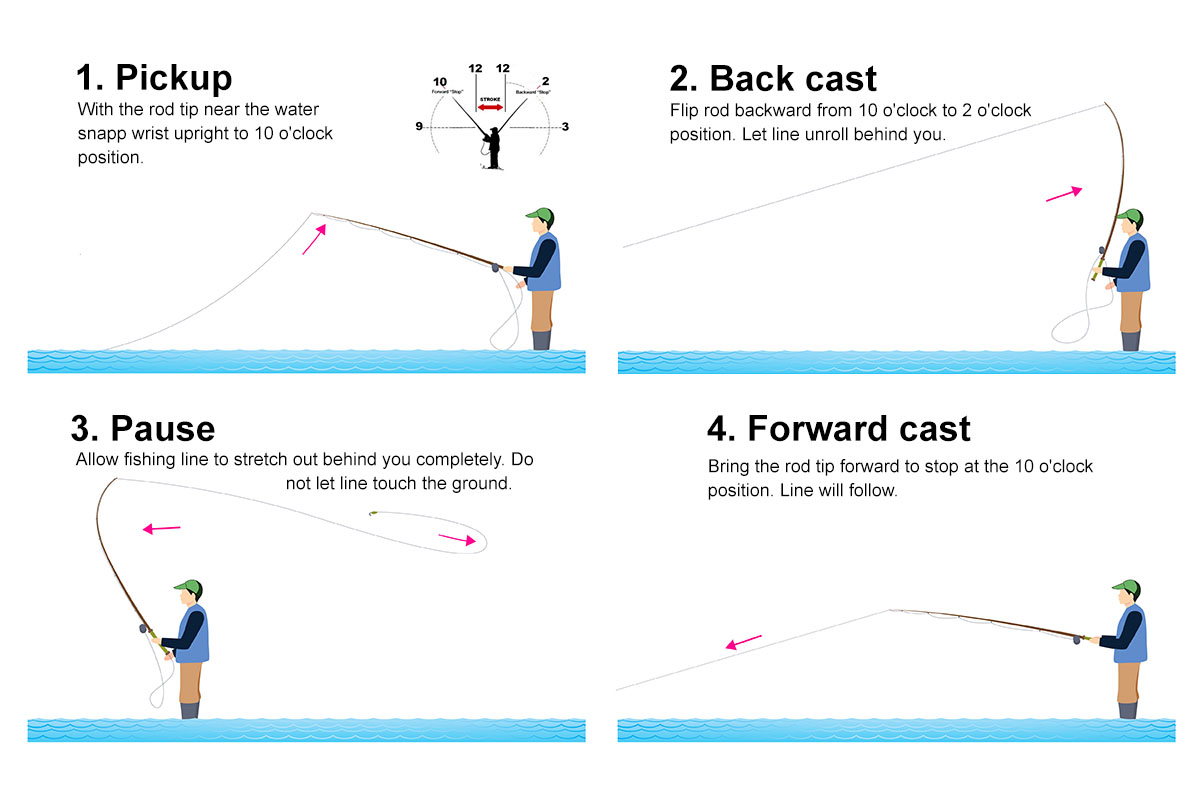
What equipment do you need for fly fishing? Follow a simple setup routine each trip.
- Assemble rod and reel
- Slide reel into the seat and tighten. Make sure the reel foot fits snugly.
- Spool line correctly
- Attach backing to the reel, then the fly line. Fill the spool evenly.
- Attach leader
- Use a secure knot, like a double surgeon or blood knot, to join line to leader.
- Tie tippet and fly
- Add tippet to the leader and use a clinch or improved clinch knot for the fly.
- Check knots and tension
- Test knots and check drag feel before you cast.
Practice knots at home. Simple, strong knots keep fish in the net. My tip: carry a small knot card until knots are second nature.
Maintenance, care, and budget tips
What equipment do you need for fly fishing? Take care of gear to make it last and save money.
- Line care
- Clean fly line with mild soap and rinse. Store coiled away from sunlight.
- Rod and reel care
- Rinse reels after saltwater use. Check guides for cracks and replace if needed.
- Fly care
- Dry flies after use. Replace or float-treat damp dries with floatant.
- Budget buys
- Start with a mid-range combo for best value. Buy a quality rod and add a basic reel.
- When to upgrade
- Upgrade line or rod when you want more distance, accuracy, or to target bigger species.
I kept a simple setup for years and upgraded only when I outgrew it. That saved money and taught me what mattered most.
Common mistakes and practical tips
What equipment do you need for fly fishing? Avoid these beginner traps and fish more.
- Mistake: Mismatched rod and line
- Fix: Match weights and practice casting. A balanced outfit casts cleaner.
- Mistake: Too many flies
- Fix: Carry a few patterns that work and learn when to change them.
- Mistake: Ignoring safety
- Fix: Use wading staff and check water conditions each trip.
- Practical tip: Learn basic knots
- Strong knots prevent lost fish. Practice at home until they are quick.
- Practical tip: Watch local anglers and talk to guides
- Local tips on flies and spots beat a long gear list.
I once lost a half-day because my line was old and brittle. Bring backups and check gear before you go.
Where to buy and build a starter kit
What equipment do you need for fly fishing? You can assemble a starter kit from shops or online.
- Starter kit options
- Many brands sell rod-and-reel combos that are ready to fish. They suit beginners well.
- Local shops
- Visit a fly shop for gear, local fly patterns, and casting lessons.
- Secondhand gear
- Used rods and reels can save money. Inspect for damage and smooth reel action.
- Budget breakdown
- Expect to spend modestly for a decent starter kit, with costs rising for advanced gear.
My advice: buy a modest new rod and reel from a shop, then supplement with used or upgraded parts as skills grow.
Quick PAA-style questions
What equipment do you need for fly fishing? Start with core gear and add items as you learn.
- How much does fly fishing cost to start?
- A basic starter kit can be affordable, but expect to invest more for quality gear. Budget under $300 for a decent setup or more for premium gear.
- Is fly fishing hard to learn?
- It has a learning curve, mainly for casting. Short practice sessions improve skill quickly.
- Do you need special permits?
- Most waters require a fishing license. Some areas have additional rules or catch limits.
- Can I use spinning gear instead?
- Spinning gear works but is a different style. Fly fishing has unique techniques and gear for presenting flies.
- How do I clean gear after saltwater use?
- Rinse reels with fresh water, dry lines, and apply light lubricant to metal parts. Store gear away from direct sun.
Frequently Asked Questions of What equipment do you need for fly fishing?
What is the minimal kit to start fly fishing?
A minimal kit includes a matched rod and reel, a floating fly line, a leader and tippet, a few flies, and basic tools like nippers and forceps. Add proper clothing and a fly box for day trips.
Do I need waders to fly fish?
You can fish from shore or a boat, but waders let you reach better water. For cold rivers, chest waders are important; for warm streams, hip waders may suffice.
How do I choose the right fly line?
Match the line weight to your rod weight. For most trout fishing, a floating weight-forward 5-weight line is a solid choice. Change taper or sink level for special conditions.
Can I learn fly fishing on my own?
Yes, through practice, online videos, and local casting clinics. A short session with an instructor speeds learning and prevents bad habits.
Should I buy new or used gear?
New gear offers warranty and reliability; used gear saves money but needs inspection. A good compromise is a new rod and reel with some used accessories.
Conclusion
This guide answers What equipment do you need for fly fishing? and gives practical steps to assemble a kit that fits your goals. Start with a matched rod and reel, a floating line, leaders, a few flies, and basic tools. Add clothing and safety gear, then refine your setup as you learn.
Takeaway: choose balanced gear, practice simple knots and casts, and learn from local anglers or a short lesson. Now pick a starter kit, find a nearby stream, and try one simple cast — you’ll learn fast.
Leave a comment about your first kit or subscribe for more tips and local fly patterns.

