

Fly fishing is casting lightweight artificial flies to imitate prey and fool fish into striking.
I’ve spent years on rivers, lakes, and shorelines learning how fly fishing works and why it’s different from other angling. In this guide I’ll explain what fly fishing is, break down the gear and physics, show core techniques, and share real-world tips from my own trips. Read on to gain a clear, practical view of what is fly fishing and how does it work? and feel ready to try or improve your next outing.

36% off Today’s Exclusive Deals
Limited-time Exclusive Deals. Check current discount on Amazon.
Check Price on Amazon As an Amazon Associate I earn from qualifying purchases.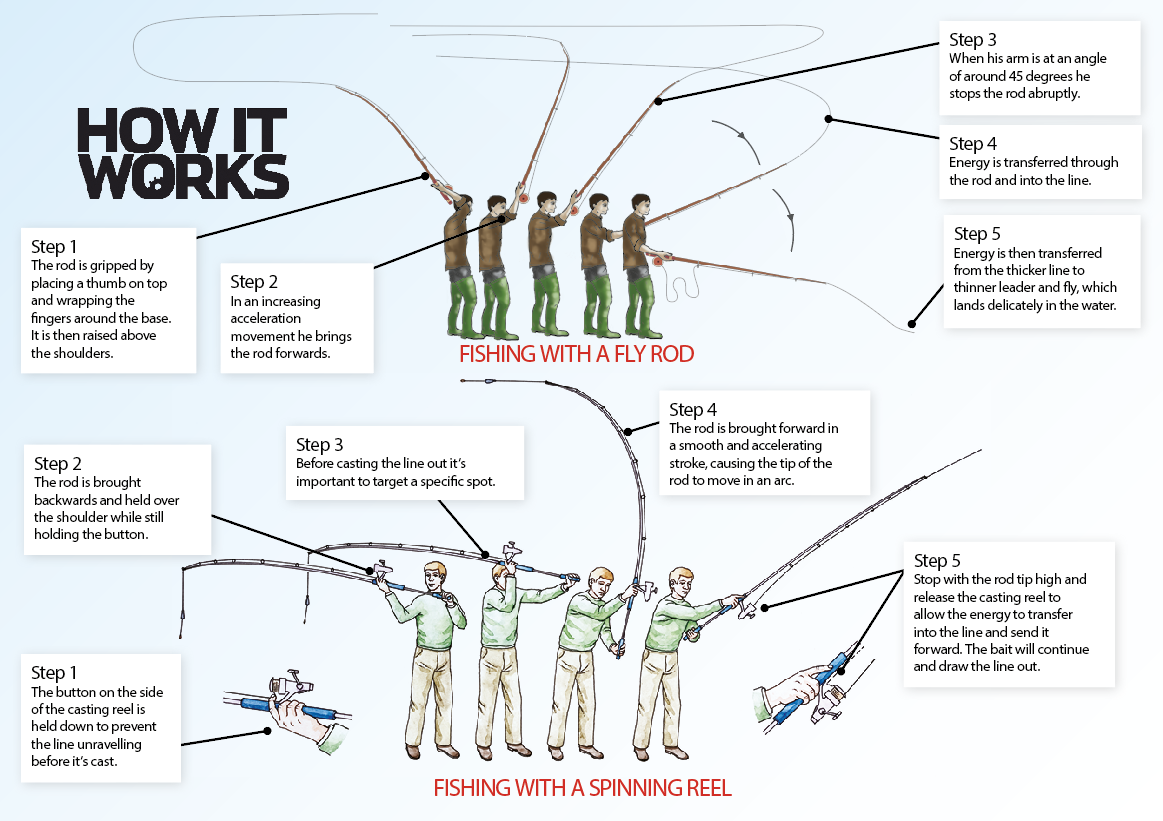
What is fly fishing?
Fly fishing is a method of fishing that uses a specialized cast to deliver a very light artificial fly. The fly is meant to look like an insect, baitfish, or other food. Rather than relying on the weight of the lure, fly fishing uses the fly line’s weight to carry the fly to the target. This focus on presentation and timing is a big part of what is fly fishing and how does it work?

How fly fishing works: the mechanics
At its core, fly fishing trades heavy lures for a weighted line and a fragile imitation fly. You load the rod with the line by making quick, controlled back-and-forth motions. The loop you form in the line carries energy and lays the fly softly on the water. Fish see a natural drift, then take the fly, and you set the hook by lifting the rod. Understanding this chain — rod, line, leader, fly, and hook set — is central to what is fly fishing and how does it work?

Essential gear and setup
- Fly rod — A long, flexible rod sized by "weight" (2-14). Choose based on target fish and water.
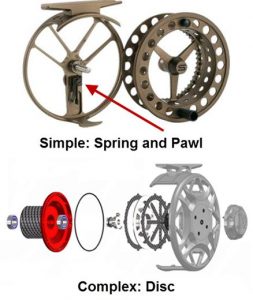
- Fly reel — Stores line and provides drag. Often simple balance gear in freshwater.
- Fly line — The weighted line that powers the cast. Match the rod weight.
- Leader and tippet — Clear, tapered line between fly line and fly to improve presentation.
- Flies — Artificial patterns: dry flies, nymphs, streamers, and saltwater flies.
- Waders and boots — Keep you dry and stable when you enter water.
- Polarized sunglasses — Reduce glare and help you see fish and structure.
- Net and forceps — For safe landing and hook removal.
A correct setup ties these pieces into one system. That system answers the question what is fly fishing and how does it work? by turning human motion into a delicate presentation.
Core techniques and casting styles
- Overhead cast — The basic back-and-forth cast for most open water.
- Roll cast — Useful with limited backcast space and tight trees.
- False cast — Builds line speed and distance without landing the fly.
- Roll-out presentation — A soft lay-down for spooky fish, common with dry flies.
- Mending — Adjusting the line on the water to correct drag and improve drift.
- Striking — A quick lift or sweep of the rod to set the hook after a take.
Practice these moves in short sessions. I learned early to focus on the loop shape and timing. That small change transformed my casts and clarified what is fly fishing and how does it work? in practice.

Where and when to fly fish
- Rivers and streams — Great for trout and salmon. Look for riffles, pools, and seams.
- Lakes and ponds — Use streamers or dries depending on insect activity and fish depth.
- Saltwater flats — Target bonefish, permit, and tarpon with heavier gear and different flies.
- Seasonal hatches — Match fly choice to insect hatches for higher success.
- Time of day — Early morning and late evening often yield the best feeding.
Location and timing shape your tactics. Knowing where to stand and when to fish answers much of what is fly fishing and how does it work? through observation and pattern recognition.
Common mistakes, tips, and real-life lessons
- Mistake: Trying to cast too far before mastering control. Tip: Start close and build distance slowly.
- Mistake: Using the wrong fly weight or size. Tip: Match the fly to local insects and fish behavior.
- Mistake: Poor leader setup. Tip: Use a tapered leader and fresh tippet to improve hookups.
- Real lesson: Watch water and insects more than other anglers. The river tells you where fish are.
- Practical tip: Practice false casting on grass to groove your timing before hitting water.
I once chased a hatch and kept missing fish because my leader was too heavy. Switching to a lighter tippet and slowing my presentation changed results fast. Small tweaks like that show how what is fly fishing and how does it work? becomes a set of solvable parts rather than one big mystery.

Frequently Asked Questions of What is fly fishing and how does it work?
What gear do I need to start fly fishing?
You need a matched rod, reel, and fly line, plus a few basic flies and a leader. Start with a medium 5-weight rod for freshwater and simple flies that imitate local insects.
How long does it take to learn fly casting?
You can learn basic casts in a few hours of focused practice, but refining distance and accuracy takes weeks or months. Regular short practice sessions speed progress.
Can I fly fish from shore or only from a boat?
You can fly fish from shore, wading, or a boat. Each setting changes your approach to presentation and where you cast.
Is fly fishing more effective than spin fishing?
Fly fishing excels in precise presentation and mimicking insects, while spin gear is better for deep water and heavier lures. Each method has strengths based on target species and conditions.
Do I need a fishing license to fly fish?
Most places require a valid fishing license and may have specific rules for catch limits and protected species. Check local regulations before you fish.
Conclusion
Fly fishing is a craft built on simple physics, careful gear choice, and thoughtful presentation. Master the rod-line-fly system, practice core casts, and read water to turn theory into success. Try one focused outing this weekend, use a light leader, and note what the water and insects tell you — then come back and refine your approach. Share your first catch story or questions in the comments and subscribe for more practical tips on what is fly fishing and how does it work?

