

Every RV owner knows that hot water is not just a luxury—it’s essential for comfort. Whether you’re enjoying a hot shower after a long hike or cleaning dishes, the water heater is the heart of your RV’s plumbing system. The Suburban Advantage RV tank water heater is a popular choice among RVers because of its reliability and performance. But what exactly is the capacity of these water heaters? And how does that capacity affect your day-to-day RV life? Let’s dive into the details, clear up confusion, and help you make confident decisions about your RV’s hot water needs.
What Is The Suburban Advantage Rv Tank Water Heater?
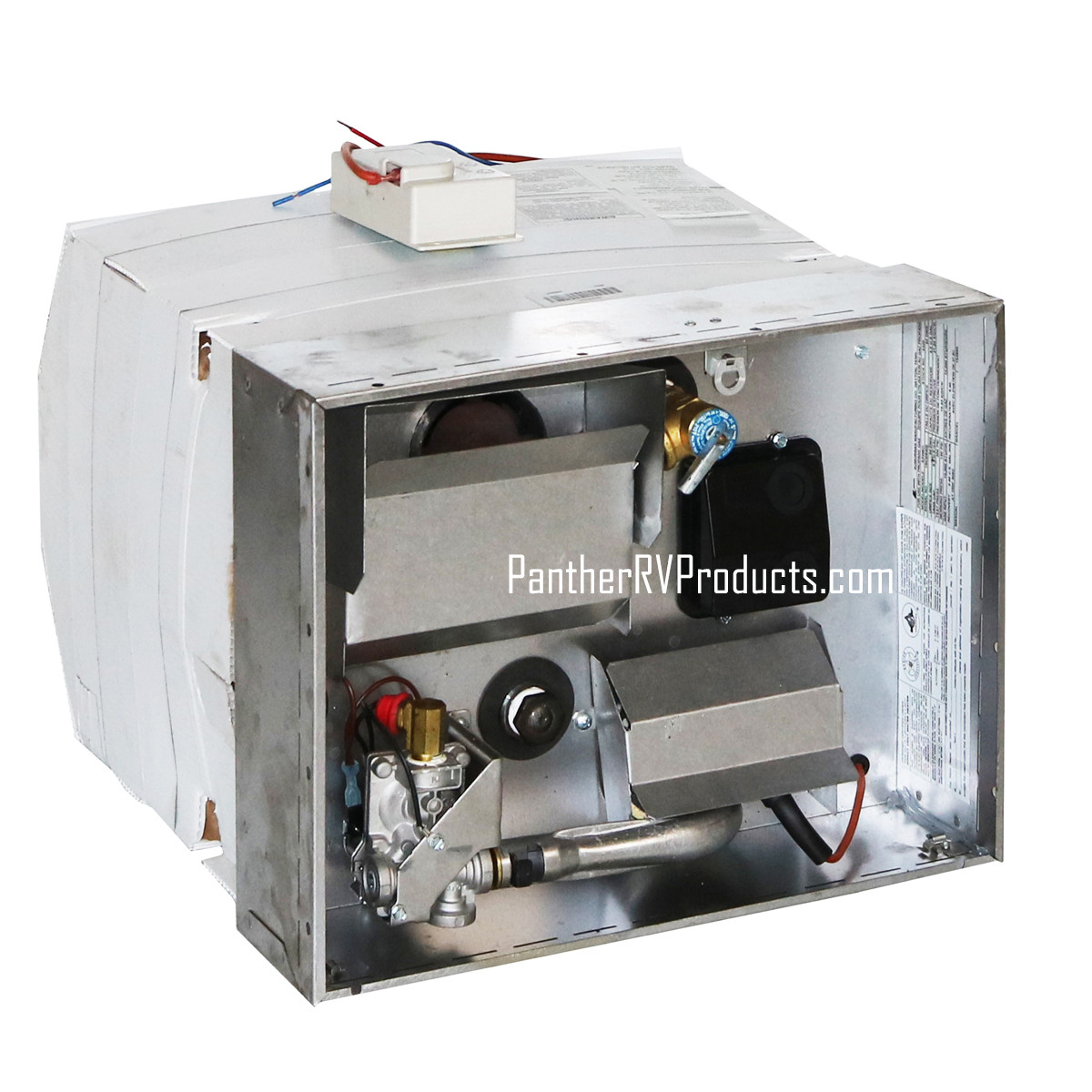
The Suburban Advantage is a series of tank water heaters built specifically for RVs. Unlike tankless models, these use a fixed-size tank to store and heat water, ready for use whenever you need it. Suburban is a trusted brand in the RV industry, known for tough construction, efficient heating, and easy maintenance.

36% off Today’s Exclusive Deals
Limited-time Exclusive Deals. Check current discount on Amazon.
Check Price on Amazon As an Amazon Associate I earn from qualifying purchases.These water heaters are installed in RVs of all sizes—from tiny campers to large motorhomes. The heaters use either propane gas, electricity, or both. Most models feature a porcelain-lined steel tank for durability, and replaceable anode rods to protect against corrosion.
Standard Capacity Options
When it comes to capacity, Suburban Advantage RV tank water heaters are available in several sizes. The two most common sizes are:
- 6 gallons
- 10 gallons
There are also rare larger versions (such as 12 gallons), but the 6 and 10-gallon models dominate the market. Let’s look at how these capacities stack up:
| Model | Tank Capacity (Gallons) | Typical RV Use |
|---|---|---|
| Suburban SW6DE | 6 | Small to mid-size RVs |
| Suburban SW10DE | 10 | Mid to large RVs |
| Suburban SW12DE | 12 | Luxury motorhomes |
A 6-gallon tank is usually enough for one or two people, covering short showers and basic tasks. The 10-gallon tank suits families or anyone who needs longer showers or more frequent hot water use.
How Capacity Impacts Your Rv Experience
Capacity isn’t just about numbers—it changes how you live in your RV. Here’s what you need to know:
Shower Time And Water Usage
A typical RV shower uses about 2 gallons per minute. With a 6-gallon tank, you can get about three minutes of continuous hot water. A 10-gallon tank stretches this to five minutes. However, mixing hot water with cold increases actual shower length.
Multiple Tasks
If you wash dishes, take a shower, and want to fill a basin, you’ll use up your hot water quickly. More capacity means less waiting for the heater to recover and heat fresh water.
Recovery Rate
This is how fast the heater can reheat water after the tank runs out. Suburban water heaters typically recover 10. 2 gallons per hour (gas) and 6. 1 gallons per hour (electric).
| Tank Size | Recovery Rate (Gas) | Recovery Rate (Electric) |
|---|---|---|
| 6 gallons | 10.2 GPH | 6.1 GPH |
| 10 gallons | 10.2 GPH | 6.1 GPH |
Gas heats water faster than electricity, which matters if you need back-to-back showers.
Weight And Space
Larger tanks weigh more and take up extra space. A 6-gallon heater weighs about 35 pounds when full, while a 10-gallon version is closer to 55 pounds. This affects your RV’s total weight, especially for smaller rigs.
Choosing The Right Capacity For Your Rv
Picking the right tank size is a balance between convenience and space/weight limitations. Here are practical tips:
- Count your users: If you travel solo or as a couple, 6 gallons is usually enough. For families or frequent guests, 10 gallons is safer.
- Think about your habits: If you take quick showers and don’t mind waiting for hot water to recover, a smaller tank works. If you dislike waiting, choose a bigger tank.
- Consider RV size: Smaller RVs often lack space for larger water heaters. Check your RV’s manual for maximum allowed size.
- Check weight limits: Every pound matters in an RV. If you’re close to your max weight, stick with a smaller tank.
- Budget: Larger water heaters cost more. Make sure the extra capacity is worth it for your lifestyle.
Installation And Compatibility
Not every Suburban Advantage heater fits every RV. Before upgrading or replacing, check:
- Physical space: Measure the available compartment.
- Power sources: Decide if you want gas, electric, or both.
- Connections: Make sure plumbing and electrical lines match the heater’s requirements.
Some RVs come with pre-installed Suburban water heaters. If you’re replacing, you may need adapters or extra fittings.
Real-world Example: Calculating Hot Water Needs
Let’s say you own a mid-size RV with a 6-gallon Suburban water heater. You want to:
- Take two 5-minute showers
- Wash dishes for 10 minutes
Each shower uses about 2 gallons per minute, so a 5-minute shower = 10 gallons. With a 6-gallon tank, you’ll need to stagger showers or wait for recovery. Washing dishes uses about 1 gallon per minute—so 10 minutes = 10 gallons.
If you try to do everything back-to-back, you’ll run out of hot water quickly. With a 10-gallon tank, you could almost finish both showers before needing to wait.
Common Mistakes When Choosing Capacity
Beginners often make these mistakes:
- Ignoring recovery rate: They focus only on tank size, forgetting that recovery speed matters. A fast recovery can make a small tank feel bigger.
- Overestimating needs: Some buy the largest tank possible, only to find it’s too heavy or takes up too much space.
- Forgetting about propane/electric options: Not all tanks can use both power sources, which limits flexibility.
- Missing maintenance needs: Larger tanks need more attention, especially with anode rod checks.
Maintenance And Longevity
The Suburban Advantage tank water heater needs regular care to last. Here’s how to keep it running:
- Flush the tank: At least once per season, drain and flush to remove sediment.
- Check the anode rod: This rod prevents corrosion. Replace it when worn.
- Inspect for leaks: Check connections and valves.
- Test heating elements: If using electric, make sure elements heat properly.
A well-maintained heater lasts 8–12 years. Neglect shortens its life and reduces performance.
Comparing Suburban Advantage With Other Rv Water Heaters
Suburban isn’t the only player in the RV water heater market. Here’s how it compares to other brands:
| Brand | Common Capacities | Typical Recovery Rate | Tank Material |
|---|---|---|---|
| Suburban Advantage | 6, 10, 12 gallons | 10.2 GPH (gas) | Porcelain-lined steel |
| Atwood | 6, 10 gallons | 8.4 GPH (gas) | Aluminum |
| Girard (Tankless) | N/A | Unlimited (flow-based) | No tank |
Suburban’s porcelain-lined steel tanks offer better corrosion resistance compared to Atwood’s aluminum. Tankless models (like Girard) provide unlimited hot water, but require more power and complex installation.
Non-obvious Insights For Beginners
- Hot water mixing increases effective shower time: RVers often forget that mixing hot water with cold extends shower duration. A 6-gallon tank can actually last 6–8 minutes if you don’t use all-hot.
- Anode rod health affects water quality: A worn-out rod can cause water to smell or taste bad. Regular replacement keeps your water fresh.
- Recovery rate is more important than tank size for frequent use: If you need hot water often, a fast recovery heater (gas-powered) is better than just a bigger tank.

Practical Tips To Maximize Your Water Heater’s Capacity
- Take military-style showers: Wet down, turn off water, soap, then rinse. Saves gallons.
- Wash dishes in batches: Heat water once, then use in sequence.
- Use gas mode for faster recovery: If your Suburban heater is dual-powered, gas heats water quicker.
- Install low-flow showerheads: Reduce usage without sacrificing comfort.
- Flush the tank regularly: Prevents buildup and keeps performance high.
Frequently Asked Questions
What Is The Most Common Capacity For Suburban Advantage Rv Tank Water Heaters?
The 6-gallon and 10-gallon tanks are most popular. Most RVs come with one of these sizes, depending on the rig’s size and typical use.
Can I Upgrade My Rv To A Larger Suburban Advantage Water Heater?
Yes, but only if your RV has enough space and can handle the extra weight. Check your RV’s manual and measure the compartment before buying a bigger tank.
How Quickly Does A Suburban Water Heater Recover After Use?
On gas, most Suburban models recover around 10.2 gallons per hour. Electric recovery is slower, about 6.1 gallons per hour. Using both at once speeds up recovery.
Does The Tank Capacity Affect Water Quality?
Tank size doesn’t affect water quality directly. However, larger tanks need more frequent maintenance. Always check the anode rod and flush the tank to prevent odors and buildup.
Where Can I Find Official Specifications For Suburban Advantage Water Heaters?
Visit the manufacturer’s website or check the owner’s manual for detailed specs. For reliable information, see Suburban Water Heaters Official Site.
RV life is about balancing comfort, weight, and space. Understanding the capacity of a Suburban Advantage RV tank water heater helps you plan better, avoid cold showers, and enjoy every adventure. Whether you’re a solo traveler or a family on the road, choosing the right water heater makes all the difference. Always consider your needs, habits, and maintenance routine for the best RV experience.


