

The foldable smartphone market is heating up, and battery life is now one of the most important features for users. If you’re considering the new Razr+ or the latest Galaxy Z Flip 6, you probably want to know which phone lasts longer and performs better on a single charge. Battery capacity is just one part of the story; real-world usage, charging speed, and software optimizations all play a role. This article dives deep into a head-to-head comparison, covering every key aspect of battery life for these two popular foldables. Whether you’re a heavy user or just want a phone that gets through the day without stress, you’ll find clear answers and practical advice below.
Battery Specifications: Razr+ And Galaxy Z Flip 6
To start, let’s look at the official battery specs for both devices. Numbers alone don’t tell the whole story, but they set the foundation for understanding battery performance.

36% off Today’s Exclusive Deals
Limited-time Exclusive Deals. Check current discount on Amazon.
Check Price on Amazon As an Amazon Associate I earn from qualifying purchases.Razr+ Battery Specs
The Razr+ comes with a 3,800 mAh battery. This is a slight increase over older Razr models, aimed at giving users more screen-on time. Motorola advertises “all-day battery life,” but does not give exact numbers for talk time or standby. The Razr+ supports 30W wired fast charging and 15W wireless charging, which is competitive for foldables.
Galaxy Z Flip 6 Battery Specs
The Galaxy Z Flip 6 features a 3,900 mAh battery. This is an upgrade from the Z Flip 5’s 3,700 mAh, and Samsung claims it should last longer thanks to improved efficiency. The Flip 6 offers 25W wired charging and 10W wireless charging. Samsung also promotes advanced battery management features in its One UI software.
Side-by-side Battery Specs Table
Here’s a quick comparison of the specs:
| Feature | Razr+ | Galaxy Z Flip 6 |
|---|---|---|
| Battery Capacity | 3,800 mAh | 3,900 mAh |
| Wired Charging | 30W | 25W |
| Wireless Charging | 15W | 10W |
| Advertised Battery Life | All-day | All-day |
| Software Battery Management | Motorola Optimizations | Samsung One UI Optimizations |
Real-world Battery Testing: How Long Do They Last?
Manufacturer numbers are often optimistic, so real-world testing gives a clearer picture. Here’s what independent reviewers and early users have found about the Razr+ and Z Flip 6 battery performance.
Razr+ Real-life Results
On a typical day with mixed usage—social media, messaging, streaming, occasional camera use—the Razr+ lasts about 14-15 hours before needing a charge. If you use it heavily, with lots of video, gaming, or camera, expect around 10-11 hours. The cover display does help save battery, since you can check notifications without unfolding the phone. Standby drain is moderate; the phone loses about 4-5% overnight if left unused.
Galaxy Z Flip 6 Real-life Results
The Z Flip 6 is slightly ahead in battery endurance. With similar mixed usage, users report 15-16 hours of battery life. Heavy use pushes it down to 11-12 hours. The Flip 6’s improved processor and One UI software are more efficient, reducing battery drain from background tasks. The standby drain is a bit lower, at 3-4% overnight.
Real-world Battery Life Table
Compare average real-world battery life below:
| Usage Type | Razr+ | Galaxy Z Flip 6 |
|---|---|---|
| Mixed (calls, web, social) | 14-15 hours | 15-16 hours |
| Heavy (gaming, video) | 10-11 hours | 11-12 hours |
| Light (standby, texts) | 20-22 hours | 22-23 hours |
| Overnight Standby | 4-5% drain | 3-4% drain |

Screen Usage And Impact On Battery
Foldable phones have two screens—the main foldable display and a smaller cover screen. How you use these affects battery life in surprising ways.
Razr+ Screen Efficiency
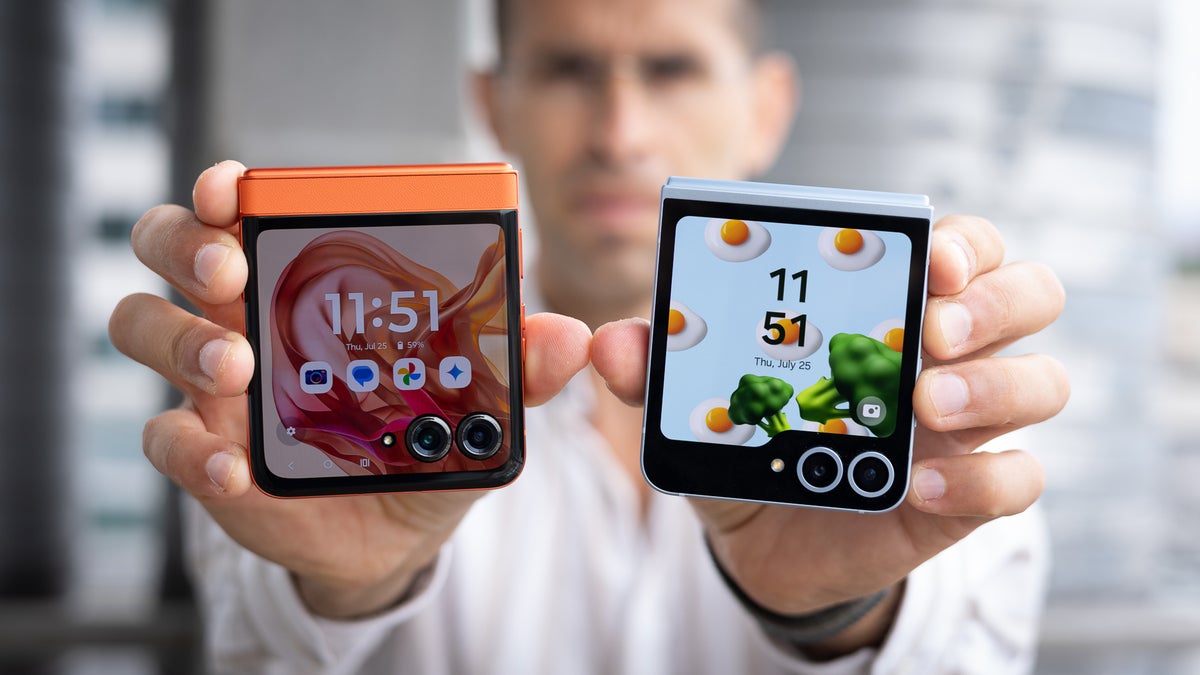
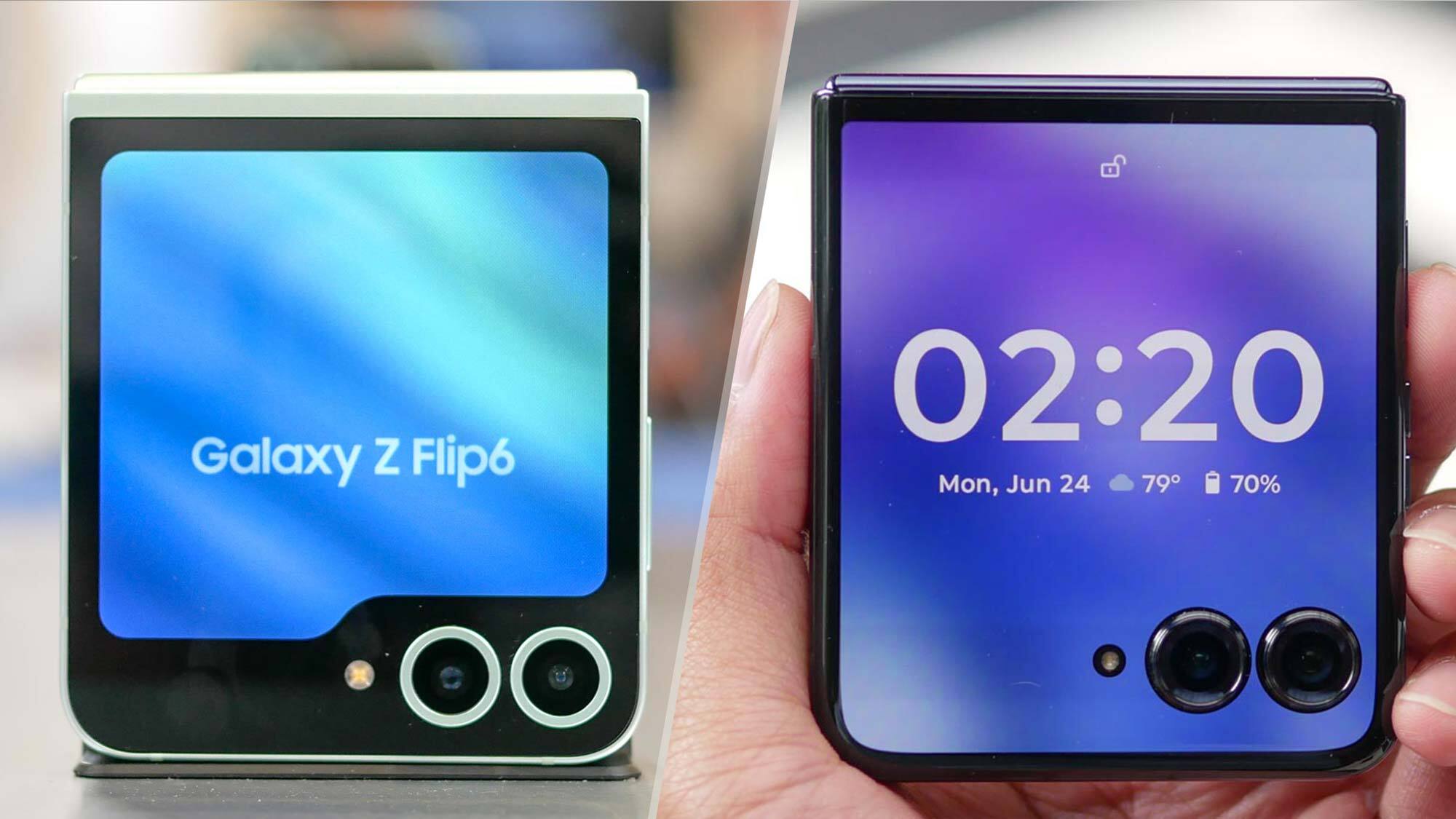
The Razr+ has a 6.9-inch main OLED and a 3.6-inch cover display. Motorola’s software lets you use the cover screen for many tasks, saving battery by reducing the main screen’s usage. Short tasks like replying to messages or checking weather use less power, but watching videos or gaming on the main screen drains the battery quickly. Brightness also matters; the Razr+ can reach 1400 nits, which uses more battery at peak brightness.
Galaxy Z Flip 6 Screen Efficiency
The Z Flip 6’s 6.7-inch main screen and 1.9-inch cover screen behave differently. Samsung’s cover screen is smaller, mainly for notifications or quick controls. Most tasks require opening the phone, which uses more battery. However, Samsung’s Dynamic AMOLED 2X tech is efficient, and the Flip 6 manages brightness well, with a peak of 1200 nits. The main screen’s refresh rate adjusts automatically, saving battery when you’re just reading or browsing.
Practical Tip: Use Cover Screen When Possible
One insight many users miss: using the cover screen for quick tasks saves battery. For Razr+, it’s especially useful, since the cover screen is larger and more functional. On the Flip 6, using the cover screen for notifications avoids unnecessary main screen activation.
Charging Speed And Convenience
Battery life isn’t just about how long a phone lasts—it’s also about how fast you can recharge.
Razr+ Charging Experience
The Razr+ supports 30W wired charging and 15W wireless charging. In practice, a full charge from 0% takes about 65 minutes with the wired charger. Wireless charging is slower, needing about 100 minutes for a full charge. Motorola’s battery health features limit charging speed if the battery gets too hot, helping extend battery lifespan.
Galaxy Z Flip 6 Charging Experience
The Z Flip 6’s 25W wired charging fills the battery in about 70 minutes from empty. Wireless charging at 10W is slower, taking roughly 110 minutes. Samsung’s software tries to keep the battery cool, slowing down charging if it senses overheating.
Charging Speed Table
Here’s a quick comparison:
| Charging Type | Razr+ | Galaxy Z Flip 6 |
|---|---|---|
| Wired (0–100%) | ~65 minutes | ~70 minutes |
| Wireless (0–100%) | ~100 minutes | ~110 minutes |
| Battery Health Features | Slows charging if hot | Slows charging if hot |
Software Battery Management Features
Battery specs and hardware matter, but software can make or break battery life. Both Motorola and Samsung use advanced battery management features.
Razr+ Battery Management
Motorola’s software includes Battery Saver, which reduces background activity and limits performance when the battery drops below 20%. The Razr+ also offers adaptive brightness and app sleep features, which pause unused apps. Motorola’s Smart Charging slows charging speed if the battery gets too hot, preventing overheating and damage.
Galaxy Z Flip 6 Battery Management
Samsung’s One UI comes with Adaptive Battery, learning your usage habits and limiting apps you rarely use. The Flip 6 also has Power Saving Mode, which lowers CPU speed, reduces brightness, and turns off unnecessary features. Another smart feature is Battery Protect, which caps charging at 85% to extend battery life. Samsung’s software is more aggressive, often giving longer battery life in real-world tests.
Non-obvious Insight: App Management Makes A Difference
One thing many users miss is how unused apps drain battery. Both phones let you control which apps run in the background. On the Flip 6, this is more automated, while the Razr+ gives manual controls. If you often install new apps, check battery settings regularly.
Battery Life When Folded Vs Unfolded
The way you use a foldable phone—folded for quick tasks, unfolded for media—impacts battery life more than most people realize.
Razr+ Folded Usage
When folded, the Razr+ uses its cover display for notifications, music controls, and quick replies. Battery drain is low—about 7-10% per hour with light cover screen use. Unfolded, the main screen is more power-hungry, especially for video or gaming, draining 13-16% per hour. Motorola’s UI tries to switch you to the cover screen whenever possible, which helps battery endurance.
Galaxy Z Flip 6 Folded Usage
The Flip 6’s cover screen is smaller, so folded usage is less common. Battery drain is minimal—5-7% per hour for quick tasks. When unfolded, the main screen’s efficient AMOLED tech helps, but battery drain jumps to 12-15% per hour during intense use. Samsung’s software encourages closing unused apps and reducing main screen brightness.
Tip: Mix Folded And Unfolded Use
A practical way to maximize battery: use the cover screen for simple tasks and unfold only when needed. On the Razr+, you can do more with the cover screen. On the Flip 6, use the cover screen for notifications, then open the phone for longer tasks.
Battery Performance During Calls, Streaming, And Camera Use
Battery drain changes a lot depending on what you’re doing. Here’s a closer look at battery performance during common activities.
Calls
Both phones last well during voice calls. The Razr+ drains about 7% per hour during calls, while the Flip 6 is slightly better at 6% per hour. Video calls are more demanding, using 13-15% per hour on both phones.
Streaming Video
Streaming is a big battery drain. On the Razr+, Netflix or YouTube uses about 14% per hour with full brightness. The Flip 6, thanks to its efficient screen, uses 12% per hour. Lowering brightness and using Wi-Fi instead of cellular can help.
Camera Use
Taking photos uses little battery, but recording video is intense. Both phones drain 18-20% per hour during 4K video recording. The Razr+ gets a bit warmer, which can slow charging afterward. The Flip 6 manages heat better, maintaining smoother performance during long shoots.
Non-obvious Insight: Avoid Long Video Calls On Cellular
Most users don’t realize that video calls on cellular networks use much more battery than on Wi-Fi. If you’re low on battery, switch to Wi-Fi when possible.
Battery Life With 5g And Cellular Data
Modern foldables support 5G, which is fast but can drain battery quickly. How do the Razr+ and Flip 6 handle 5G?
Razr+ 5g Performance
The Razr+ drains battery faster on 5G—about 18-20% per hour with heavy use, compared to 12-14% on Wi-Fi. Motorola’s software tries to reduce background data when battery is low, but if you stream or download over 5G, expect shorter battery life.
Galaxy Z Flip 6 5g Performance
The Flip 6 is more efficient on 5G, using 15-17% per hour with heavy use. Samsung’s processor and modem are optimized for lower power. Background data is managed aggressively, with apps limited when the battery drops below 15%.
Practical Tip: Switch To Wi-fi When Possible
If you need to conserve battery, switch to Wi-Fi for downloads and streaming. Both phones last longer and run cooler.
Battery Health, Longevity, And Replacement
Foldable phones are expensive, so battery health matters. How do these two models handle battery degradation?
Razr+ Battery Health Features
Motorola includes Smart Charging and Battery Health Monitoring. The Razr+ slows charging if the battery is hot and recommends charging below 90% for long-term health. After a year of typical use, users report about 7-10% battery capacity loss.
Galaxy Z Flip 6 Battery Health Features
Samsung offers Battery Protect, which limits charging to 85%, and detailed battery usage stats. The Flip 6 uses a new battery chemistry, reducing degradation. After a year, the average loss is 5-8% capacity. Battery replacement is possible, but not easy—service centers do it for a fee.
Non-obvious Insight: Avoid Frequent 100% Charging
Charging to 100% every time wears out the battery faster. Both phones offer settings to limit maximum charge. Use this for longer battery life.
Common Battery-related User Mistakes
Many users unknowingly shorten their phone’s battery lifespan or waste charge. Here are some common mistakes and how to avoid them.
- Using High Brightness All Day: Max brightness drains battery and heats the phone. Use auto-brightness or reduce manually.
- Leaving Apps Running: Apps in the background use power. Close unused apps or use battery optimization features.
- Charging Overnight: Frequent overnight charging to 100% wears out batteries. Use battery protection settings.
- Using Cellular Data for Streaming: Streaming over cellular drains battery faster than Wi-Fi.
- Ignoring Battery Health Settings: Both phones offer features to protect battery health; use them.
Razr+ Vs Galaxy Z Flip 6: Six Key Battery Life Factors Compared
Each device’s battery performance depends on many factors. Here are the six most important items, with dedicated sections for each:
1. Battery Capacity
The Razr+ has 3,800 mAh, while the Flip 6 offers 3,900 mAh. The difference is small, but the Flip 6’s extra 100 mAh provides a slight edge for heavy users. In practice, this translates to 30-60 minutes more battery for most users.
2. Charging Speed
Razr+ charges faster at 30W wired and 15W wireless. The Flip 6 is slower at 25W wired and 10W wireless. If quick top-ups are important, the Razr+ is better. However, in real-world tests, the difference is only 5-10 minutes per charge.
3. Screen Efficiency
The Razr+ cover screen is larger and more functional, letting you do more without opening the phone. This saves battery. The Flip 6’s main screen is more efficient, especially for media. For screen usage, the Razr+ is better for quick tasks, the Flip 6 is better for long sessions.
4. Software Battery Management
Samsung’s One UI is more aggressive, limiting background apps and learning your habits. The Flip 6 often lasts longer, especially with many apps installed. Motorola’s controls are manual, which is good for advanced users.
5. Battery Life During Heavy Use
For gaming, streaming, and camera use, the Flip 6’s processor and screen are more efficient. It lasts longer during intense use, draining 1-2% less per hour compared to Razr+.
6. Battery Health And Longevity
The Flip 6 uses newer battery tech and offers better protection settings. After a year, it typically loses less capacity. Razr+ is still good, but replacement is easier with Samsung’s service network.
Who Should Choose Razr+ Or Galaxy Z Flip 6 For Battery Life?
If battery life is your priority, the Galaxy Z Flip 6 is the better choice for most users. It lasts longer during daily use and heavy tasks, and its software keeps background drain low. The Razr+ is best if you want fast charging and use the cover screen often for quick tasks.
For users who travel or use 5G a lot, the Flip 6’s efficient modem and software will give more hours. If you care about battery health, Samsung’s protection features are easier to use.
Data Table: Razr+ Vs Galaxy Z Flip 6 Battery Life Summary
Here’s a summary table of battery performance:
| Factor | Razr+ | Galaxy Z Flip 6 |
|---|---|---|
| Capacity | 3,800 mAh | 3,900 mAh |
| Charging Speed | 30W wired, 15W wireless | 25W wired, 10W wireless |
| Screen Efficiency | Large cover screen, more tasks | Efficient AMOLED, better for media |
| Software Management | Manual controls | Automated, aggressive |
| Heavy Use Battery Drain | 10-11 hours | 11-12 hours |
| Battery Health | 7-10% loss/year | 5-8% loss/year |
Practical Battery Saving Tips For Foldable Users
Here are some real-world tips to extend battery life on Razr+ and Flip 6:
- Lower screen brightness: Use auto-brightness or manual adjustment.
- Use cover screen: Do quick tasks on the cover screen to save power.
- Close unused apps: Background apps drain battery.
- Limit 5G usage: Use Wi-Fi when possible.
- Enable battery protection: Set max charge to 85% if available.
- Avoid extreme temperatures: Heat and cold shorten battery lifespan.
- Update software: Bug fixes often improve battery efficiency.
Battery Life For Travelers And Heavy Users
If you travel often or use your phone for work, battery life is critical. The Flip 6’s efficiency and One UI features make it better for long days and heavy use. The Razr+ is good for people who want fast charging and often use the cover screen for quick tasks. Bring a portable charger or power bank if you need extra hours.
External Reference
For further reading on foldable phone battery technology and performance, visit GSMArena’s Galaxy Z Flip 6 page.
Frequently Asked Questions
Is The Galaxy Z Flip 6 Battery Better Than Razr+ In Real Life?
Yes, the Galaxy Z Flip 6 lasts longer in most real-world tests. Its battery is slightly larger, and Samsung’s software manages power more efficiently. For heavy use or many apps, Flip 6 gives about 1-2 hours more battery.
Does Fast Charging Hurt Battery Health On Razr+ Or Flip 6?
Fast charging can cause heat, but both phones have battery health features. They slow down charging if the battery gets hot. Using battery protection settings can help keep your battery healthy.
How Much Battery Is Used During Video Streaming On Each Phone?
Streaming video drains battery quickly. The Razr+ uses about 14% per hour, while the Flip 6 uses 12% per hour. Lowering brightness and using Wi-Fi can help reduce battery drain.
Can I Replace The Battery In Razr+ Or Flip 6?
Battery replacement is possible, but not easy. Both phones need to be opened by professionals. Samsung has a larger service network, so Flip 6 battery replacement is more accessible.
What’s The Best Way To Extend Battery Life On Foldable Phones?
Use cover screens for quick tasks, lower brightness, close unused apps, and use Wi-Fi instead of cellular data. Enable battery protection settings to limit maximum charge and update your phone regularly.
The battle between the Razr+ and Galaxy Z Flip 6 is close, but battery life tips the balance toward Samsung for most users. Still, both phones offer strong battery features, and choosing the right one depends on your habits and priorities. With the information above, you can pick the best foldable for your battery needs and enjoy longer, stress-free days on the go.

