

The smartphone market is full of choices, but few comparisons are as interesting as the Motorola Razr+ versus the OnePlus 12. These two phones take very different approaches—one is a stylish foldable, and the other is a classic flagship powerhouse. Whether you care about design, camera, battery, or raw performance, understanding the strengths and weaknesses of each is key to making the right choice. This article explores every aspect that matters, including display, durability, software, and more, to help you decide which device fits your lifestyle.
Design And Build Quality
Smartphone design is more than looks—it’s about how a phone feels in your hand and how well it survives daily life. Here, the Motorola Razr+ and OnePlus 12 go in completely different directions.

36% off Today’s Exclusive Deals
Limited-time Exclusive Deals. Check current discount on Amazon.
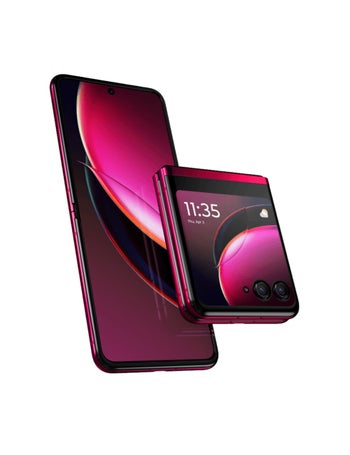
Check Price on Amazon As an Amazon Associate I earn from qualifying purchases.The Motorola Razr+ stands out with its foldable clamshell design. Closed, it feels compact and pocketable, almost like a makeup case or old-school flip phone. Open it up, and you get a tall, modern display. The hinge is firm but smooth, and Motorola has worked to minimize the crease in the middle. Materials include a combination of glass and aluminum, and the phone feels sturdy for a foldable. However, foldables are still more delicate than classic slabs, and the Razr+ has only IP52 water resistance—so it’s protected from some dust and light splashes, but not heavy rain or full immersion.
The OnePlus 12 takes the classic flagship approach. It has a glass front and back (Gorilla Glass Victus 2), with an aluminum frame. The curved edges and slim bezels make it look premium, and the phone feels solid in the hand. Unlike the Razr+, the OnePlus 12 comes with IP65 water and dust resistance, which means it can handle more water exposure, though it’s still not as waterproof as some top competitors.
Dimensions And Weight
- Motorola Razr+: 170.8 x 74 x 7 mm (open), 88.4 x 74 x 15.1 mm (closed), 188.5g
- OnePlus 12: 164.3 x 75.8 x 9.2 mm, 220g
The Razr+ is lighter and much more compact when folded. However, the OnePlus 12 feels denser and more traditional.
Color Options
- Motorola Razr+: Infinity Black, Glacier Blue, Viva Magenta, Peach Fuzz (special edition)
- OnePlus 12: Flowy Emerald, Silky Black, Silver
Both offer unique finishes, but the Razr+ stands out for bold, playful colors.
Key Insight: Foldable Phones Like The Razr+ Often Attract Fingerprints And Smudges More Quickly, Especially On The Hinge. A Case Helps, But Most Users Want To Show Off The Unique Design.
Display Technology
The display is often the first thing you’ll notice. Both phones use OLED tech, but their screens serve different purposes.
Main Displays
The Motorola Razr+ features a 6.9-inch pOLED panel with a 2640 x 1080 resolution, 165Hz refresh rate, and up to 1,400 nits peak brightness. The aspect ratio is a tall 22:9, making it great for scrolling social media but a bit narrow for widescreen video. The screen folds in half, but the crease is minimal during normal use.
The OnePlus 12 sports a 6.82-inch AMOLED screen with a sharper 3168 x 1440 resolution (QHD+), 120Hz adaptive refresh rate (LTPO), and up to 4,500 nits peak brightness. This makes it one of the brightest displays on any phone. The screen is nearly flat, with slightly curved edges for a modern look.
Cover Display (razr+ Exclusive)
A unique feature of the Razr+ is the 3.6-inch external cover display (pOLED, 1066 x 1056, 144Hz). You can check notifications, use widgets, and even run most apps without opening the phone.
Always-on And Hdr
Both phones support always-on display features and HDR10+, but the OnePlus 12 goes further with Dolby Vision support, which boosts video quality in supported apps.
Key Insight: The Razr+ Cover Screen Is More Than A Gimmick. You Can Reply To Messages, Control Music, Or Take Selfies With The Main Cameras—all Without Unfolding The Device.
Display Comparison
| Feature | Motorola Razr+ | OnePlus 12 |
|---|---|---|
| Main Display Size | 6.9-inch (pOLED) | 6.82-inch (AMOLED) |
| Resolution | 2640 x 1080 | 3168 x 1440 (QHD+) |
| Refresh Rate | 165Hz | 120Hz (LTPO) |
| Peak Brightness | 1,400 nits | 4,500 nits |
| Cover Display | 3.6-inch pOLED | None |
Performance And Hardware
Performance is a key area where these phones take different paths, both using Qualcomm Snapdragon chips but with different generations.
Processors
- Motorola Razr+: Snapdragon 8+ Gen 1 (2022)
- OnePlus 12: Snapdragon 8 Gen 3 (2024)
The OnePlus 12’s chip is newer and faster, offering better CPU and GPU performance, improved AI features, and greater efficiency. In benchmarks, the OnePlus 12 scores about 20-30% higher than the Razr+, making it a better choice for gaming, heavy multitasking, and future-proofing.
Ram And Storage
- Motorola Razr+: 8GB or 12GB RAM, 256GB or 512GB UFS 3.1 storage (no microSD slot)
- OnePlus 12: 12GB or 16GB LPDDR5X RAM, 256GB or 512GB UFS 4.0 storage (no microSD slot)
The OnePlus 12 uses faster RAM and storage technology, which helps with loading apps and overall speed. Both phones lack expandable storage, so pick wisely.
Real-world Use
For everyday tasks like social media, streaming, and messaging, both phones are fast. But if you use demanding apps (video editing, 3D games), the OnePlus 12 has a clear edge.
Non-obvious Insight: While The Razr+ Feels Snappy, Foldable Phones Sometimes Throttle Performance To Reduce Heat Near The Hinge Area. This Can Impact Gaming Or Long Video Calls.
Software Experience
A smooth and enjoyable software experience can make even a powerful phone frustrating if done poorly. Let’s see how these two compare.
Operating Systems And Interfaces
- Motorola Razr+: Ships with Android 13, lightly customized with Motorola’s MyUX. The software is close to stock Android, with a few helpful tweaks for gestures and the cover display.
- OnePlus 12: Comes with OxygenOS 14 (based on Android 14). OxygenOS is fast, customizable, and now includes more features than ever, though it’s not as “clean” as it was in early OnePlus days.
Update Policies
- Motorola Razr+: Promises 3 major Android updates and 4 years of security updates.
- OnePlus 12: Offers 4 major Android updates and 5 years of security patches.
OnePlus edges ahead for long-term support, which matters if you keep your phone more than two years.
Unique Features
- Razr+: Custom gestures for quick camera launch, cover display widgets, and “Ready For” desktop mode when connected to a monitor.
- OnePlus 12: Advanced customization, floating windows, split-screen, and an IR blaster to control home appliances.
Hidden Detail: The Razr+ Lets You Run Nearly Any App On Its Cover Display, But Some Apps (like Banking) May Not Support This Feature Due To Security Restrictions.
Camera Systems
The camera setup is a major difference between these phones. One is focused on versatility, the other on creative use of hardware.
Rear Cameras
Motorola Razr+:
- Main: 12MP, f/1.5, OIS
- Ultra-wide: 13MP, f/2.2, macro support
- No dedicated telephoto lens
OnePlus 12:
- Main: 50MP, f/1.6, OIS (Sony LYT-808 sensor)
- Ultra-wide: 48MP, f/2.2
- Telephoto: 64MP, f/2.6, 3x optical zoom
The OnePlus 12 offers much higher resolution sensors, a dedicated telephoto for real zoom, and uses a top-class Sony main sensor. In daylight and low light, the OnePlus 12 generally produces sharper, more detailed photos with better dynamic range.
Front Cameras
- Motorola Razr+: 32MP inside screen, but most users take selfies with the main camera using the cover display for a preview.
- OnePlus 12: 32MP front camera, fixed focus.
Both are strong for video calls and selfies, but the Razr+’s foldable design means you can use its best camera for selfies—something most slab phones can’t match.
Video Recording
- Motorola Razr+: Up to 4K at 60fps (main), 4K at 30fps (selfie)
- OnePlus 12: Up to 8K at 24fps, 4K at 60fps (all cameras)
If you shoot a lot of video, the OnePlus 12 offers more options and higher quality.
Camera Features Comparison
| Feature | Motorola Razr+ | OnePlus 12 |
|---|---|---|
| Main Sensor | 12MP, OIS | 50MP, OIS, Sony LYT-808 |
| Ultra-wide | 13MP, macro | 48MP |
| Telephoto | None | 64MP, 3x optical |
| Max Video | 4K 60fps | 8K 24fps, 4K 60fps |
| Selfie Camera | 32MP (plus main via cover) | 32MP |
Key Insight: The Razr+’s Biggest Camera Trick Is Its Cover Display. You Can Record Yourself Or Friends Using The Main Sensor For Vlogs Or Group Shots, Making It More Versatile For Social Content.
Battery Life And Charging
How long a phone lasts and how quickly it recharges are vital for everyday convenience.
Battery Capacity
- Motorola Razr+: 3,800 mAh
- OnePlus 12: 5,400 mAh
The OnePlus 12 has a much larger battery, thanks to its non-foldable design. In real-world use, the Razr+ usually gets a full day of moderate use, but power users may need to top up by evening. The OnePlus 12 can often go a day and a half or more.
Charging Speeds
- Motorola Razr+: 30W wired, 5W wireless
- OnePlus 12: 80W wired (US), 50W wireless, 10W reverse wireless
The OnePlus 12 charges much faster—about 30 minutes from 1% to 100%—while the Razr+ takes closer to an hour. Wireless charging is also much quicker on the OnePlus.
Hidden Detail: Foldable Phones Like The Razr+ Often Limit Charging Speed To Reduce Heat And Protect The Hinge Area. This Is One Reason Why Its Charging Is Slower Than Some Slab Phones.
Connectivity And Additional Features
Both phones cover the basics, but there are small differences that may matter depending on your needs.
5g And Network Support
Both support 5G, Wi-Fi 6E, Bluetooth 5.3, and NFC. The OnePlus 12 adds Wi-Fi 7 for future-proofing.
Audio
- Motorola Razr+: Stereo speakers, no headphone jack
- OnePlus 12: Stereo speakers, no headphone jack, supports high-res audio codecs
Special Features
- Motorola Razr+: Unique cover display, ready for desktop mode, eSIM and nano-SIM
- OnePlus 12: IR blaster, improved haptics, more advanced vibration motor, dual SIM
Biometrics
- Motorola Razr+: Side-mounted fingerprint sensor (power button)
- OnePlus 12: In-display optical fingerprint sensor
Both are quick, but the OnePlus 12’s sensor is slightly faster and more seamless.
Durability And Repairability
Durability is a concern, especially with foldables.
- Motorola Razr+: Uses a flexible plastic OLED screen inside, which is more prone to scratches and dents than glass. The hinge is rated for over 400,000 folds (about five years of heavy use), but real-world results can vary. Outer cover is glass, but less impact-resistant than slab phones.
- OnePlus 12: Gorilla Glass Victus 2 front and back, more resistant to scratches and drops. IP65 means better protection against dust and water splashes.
Repairability is tricky: Foldables are generally harder and more expensive to repair due to the hinge and flexible screen. Replacing the main display on the Razr+ can cost more than a standard phone screen. The OnePlus 12, while not perfect, is more traditional inside and easier to service.
Practical Tip: If You Are Rough On Phones Or Work In Environments With Dust, Sand, Or Moisture, The Oneplus 12 Is The Safer Bet.
Price And Value
Pricing changes based on region, storage, and promotions, but here’s where things stand as of mid-2024.
- Motorola Razr+: $999 (base model, 8/256GB)
- OnePlus 12: $799 (base model, 12/256GB)
The Razr+ costs more for its unique foldable form, while the OnePlus 12 offers higher specs for less money. However, the Razr+ often goes on sale, and special editions may cost more.
Non-obvious Insight: Resale Value For Foldables Like The Razr+ Is Still Unpredictable. Classic Flagships Like The Oneplus 12 Typically Lose Value More Slowly.
User Experience: Day-to-day Life
Motorola Razr+
The Razr+ is about fun and convenience. The cover display lets you check messages, take selfies, or control music without opening the phone. It’s a conversation starter and feels nostalgic for anyone who loved flip phones. Unfolded, it’s a tall, narrow device—great for scrolling but less ideal for split-screen multitasking or gaming. One-handed use is easier when folded, but the hinge takes some getting used to.
Oneplus 12
The OnePlus 12 is a workhorse. It’s powerful, lasts long, and handles everything you throw at it. The larger screen is fantastic for movies, games, and multitasking. It’s less exciting design-wise but incredibly reliable. OxygenOS is fast, and the phone rarely slows down, even with heavy use.
Key Insight: The Razr+ Is Perfect For Those Who Want Something Different And Use Their Phone Mostly For Social Media, Messaging, And Selfies. The Oneplus 12 Is Better For Power Users, Gamers, And Anyone Who Values Camera Quality Or Battery Life.

Which Phone Should You Choose?
This is the big question. There’s no “best” for everyone—only what’s best for your needs.
Choose the Motorola Razr+ if:
- You love the idea of a foldable and want something unique
- You value compact size and portability
- You often take selfies or short videos for social media
- You want a phone that stands out in a crowd
Choose the OnePlus 12 if:
- You want top specs and performance for the price
- You use your phone heavily for gaming, photography, or work
- You need the best battery life and fastest charging
- You care about long-term updates and reliability
Real-world Example
Imagine a college student who likes to keep their phone in a small bag or pocket, takes lots of TikTok videos, and enjoys showing off new tech—the Razr+ is a fun choice. But a mobile professional who travels, edits photos, plays games, and wants a phone that lasts all day will prefer the OnePlus 12.
Comparison Summary Table
Here’s a side-by-side overview:
| Category | Motorola Razr+ | OnePlus 12 |
|---|---|---|
| Design | Foldable, compact | Classic slab, premium |
| Main Display | 6.9″ pOLED, 165Hz | 6.82″ AMOLED, QHD+, 120Hz |
| Cover Display | 3.6″ pOLED | None |
| Processor | Snapdragon 8+ Gen 1 | Snapdragon 8 Gen 3 |
| Camera | Dual (12+13MP), cover selfies | Triple (50+48+64MP), 3x zoom |
| Battery | 3,800 mAh, 30W | 5,400 mAh, 80W |
| OS Updates | 3 years major, 4 years security | 4 years major, 5 years security |
| Price (base) | $999 | $799 |
Frequently Asked Questions
Is The Motorola Razr+ Durable Enough For Daily Use?
The Motorola Razr+ is more durable than older foldables thanks to its improved hinge and water resistance (IP52). However, it’s still more delicate than classic phones. The flexible plastic screen can scratch more easily, and the hinge needs to be kept free from dust and sand. Using a case and being careful with the fold will help the phone last longer.
Does The Oneplus 12 Have Wireless Charging?
Yes, the OnePlus 12 supports fast wireless charging up to 50W (with a compatible charger). It also offers reverse wireless charging, so you can top up earbuds or another phone. In the US, wired charging is capped at 80W, which still fills the battery very quickly.
Can I Use The Cover Display On Razr+ For All Apps?
Most apps work on the Razr+ cover display, including messaging, navigation, and even games. However, some banking and security apps may block access for safety reasons. Motorola continues to add compatibility, but there are a few exceptions.
Which Phone Takes Better Photos?
The OnePlus 12 generally takes better photos, especially in low light, thanks to its newer sensors and advanced processing. However, the Razr+ is great for selfies and social content, since you can use the main camera for front-facing shots. For zoom, the OnePlus 12’s telephoto lens is a big advantage.
Which Phone Will Get More Software Updates?
The OnePlus 12 will receive 4 major Android updates and 5 years of security updates, while the Motorola Razr+ gets 3 major updates and 4 years of security patches. This means the OnePlus 12 is better for long-term support.
—
Whether you choose the playful Motorola Razr+ or the powerhouse OnePlus 12, each phone offers a unique experience. The Razr+ is perfect for trendsetters and those who value compact style, while the OnePlus 12 is a top choice for performance, battery, and camera quality. Consider your daily needs, priorities, and budget before making the call. For more in-depth specs and user reviews, check the official OnePlus website.

