

The world of smartphones is always evolving, but sometimes two models stand out for all the right reasons. The Oppo Find N3 Flip and Asus Zenfone 11 Ultra are both premium devices that offer unique experiences. Both come from respected brands, but they take very different approaches to design, features, and user experience. If you’re considering a new flagship phone and these two are at the top of your list, understanding the differences is crucial.
This article gives a clear, detailed comparison of both devices. You’ll learn about their design, displays, performance, cameras, software, battery, and extra features. To help you decide, you’ll also see practical insights, non-obvious tips, and helpful data tables. By the end, you’ll know which phone suits your needs best.

36% off Today’s Exclusive Deals
Limited-time Exclusive Deals. Check current discount on Amazon.
Check Price on Amazon As an Amazon Associate I earn from qualifying purchases.Oppo Find N3 Flip: Unique Folding Experience
The Oppo Find N3 Flip is not just another smartphone—it’s a foldable that tries to blend style with substance. Oppo has worked hard to make folding phones practical for daily use, and this model shows that effort.
Design & Build
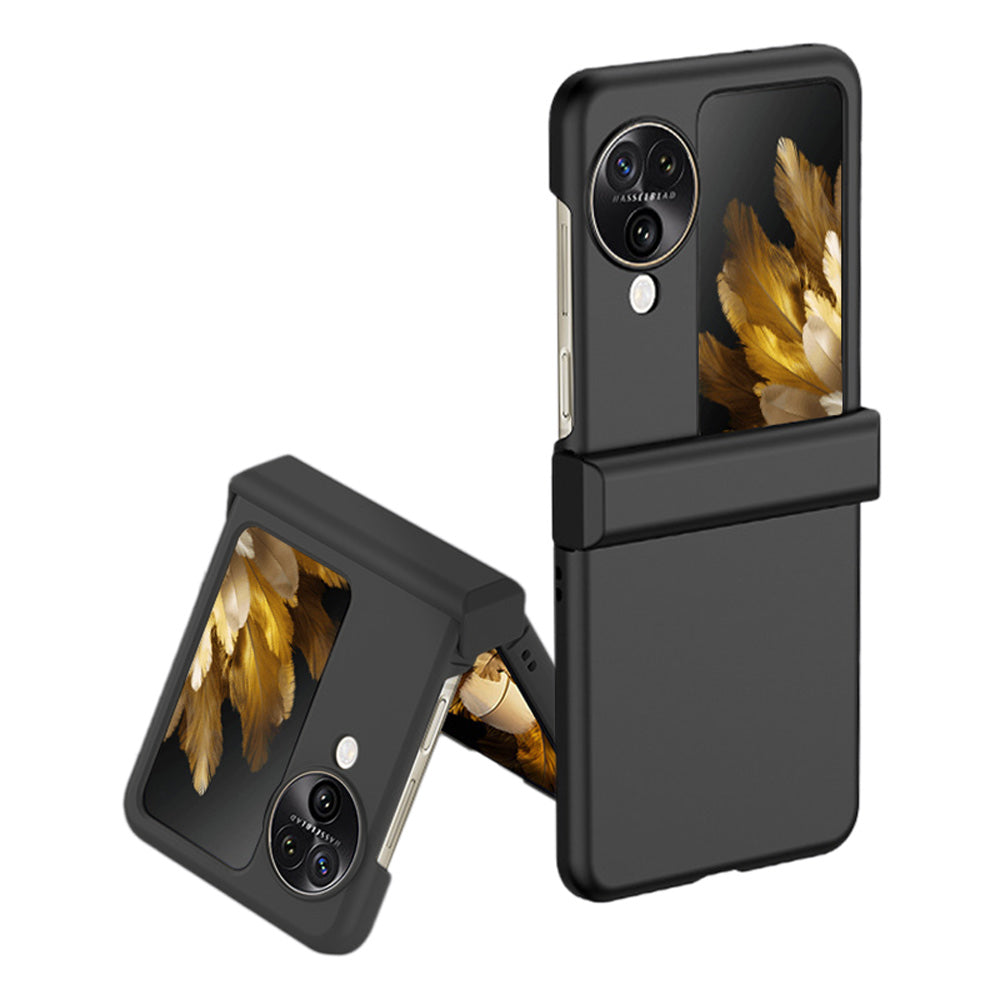
The N3 Flip stands out with its clamshell foldable design. When closed, it’s compact and fits easily into pockets or small bags. The hinge feels solid, using a unique waterdrop design to reduce the screen crease. The outer shell is made from aluminum with Gorilla Glass for extra durability. At 198 grams, it’s light for a foldable and feels well-balanced.
One detail that surprises many users: the vertical cover screen. Unlike Samsung’s horizontal approach, Oppo’s outer display is tall, making it easy to check notifications, control music, or even reply to messages without opening the phone.
Display Quality
Oppo uses a 6.8-inch AMOLED main display with 120Hz refresh rate, which means smooth scrolling and vibrant colors. The crease in the middle is less visible than on many other foldables, thanks to Oppo’s hinge tech.
The 3.26-inch outer display is another highlight. It’s bright, responsive, and supports interactive widgets. You can quickly access the camera, weather, or calendar without flipping open the device. For people who want a phone that’s both compact and practical, this is a big plus.
Performance & Hardware
Inside, the N3 Flip uses the MediaTek Dimensity 9200 chipset, paired with up to 12GB RAM and 256GB storage. This combination is strong enough for gaming, multitasking, and demanding apps. While MediaTek isn’t as famous as Qualcomm’s Snapdragon, the 9200 is a high-end chip and performs smoothly in daily use.
A small detail: the phone doesn’t heat up quickly, even during long video calls or gaming sessions. That’s thanks to improved cooling inside the foldable frame—a feature many users miss.
Cameras
Oppo puts a lot of focus on cameras. The N3 Flip has a triple rear camera system:
- 50MP main sensor (Sony IMX890)
- 32MP telephoto (2x optical zoom)
- 48MP ultrawide
Photos are sharp, with good color accuracy, even in low light. The foldable design lets you use the main cameras for selfies with the outer display as a viewfinder. This means much better selfie quality than most regular phones.
The camera app also supports advanced modes like Night, Portrait, and Pro, giving more control to photography lovers.
Software Experience
The phone runs ColorOS 13.2, based on Android 13. Oppo’s software has improved a lot, with less bloatware and smoother animations. The cover screen supports third-party apps, not just widgets—so you can reply to WhatsApp or check Google Maps without opening the phone.
One feature that often goes unnoticed: the customizable quick launch menu on the cover display. With a double-tap, you can access your favorite tools instantly.
Battery & Charging
The N3 Flip packs a 4,300mAh battery, which is large for a foldable. It easily lasts a full day for most users. 44W fast charging gets you from 0 to 50% in about 23 minutes. There’s no wireless charging, which some might miss, but the fast wired charging makes up for it.
Special Features
- Alert Slider: A physical switch to mute or set the phone to vibrate, rare in Android devices.
- Dual SIM support: Good for travelers or people with work and personal numbers.
- High-res audio: For people who use wired headphones, the sound quality is impressive.
The N3 Flip is for people who want something innovative but still reliable. Its folding design is not just a gimmick; it’s practical and well-executed.
Asus Zenfone 11 Ultra: The Powerhouse Flagship
The Asus Zenfone 11 Ultra is a classic flagship in every sense—no folding tricks, but plenty of raw power, advanced features, and a focus on user control. Asus is known for its gaming phones, and some of that DNA is here, but with a more mainstream style.
Design & Build
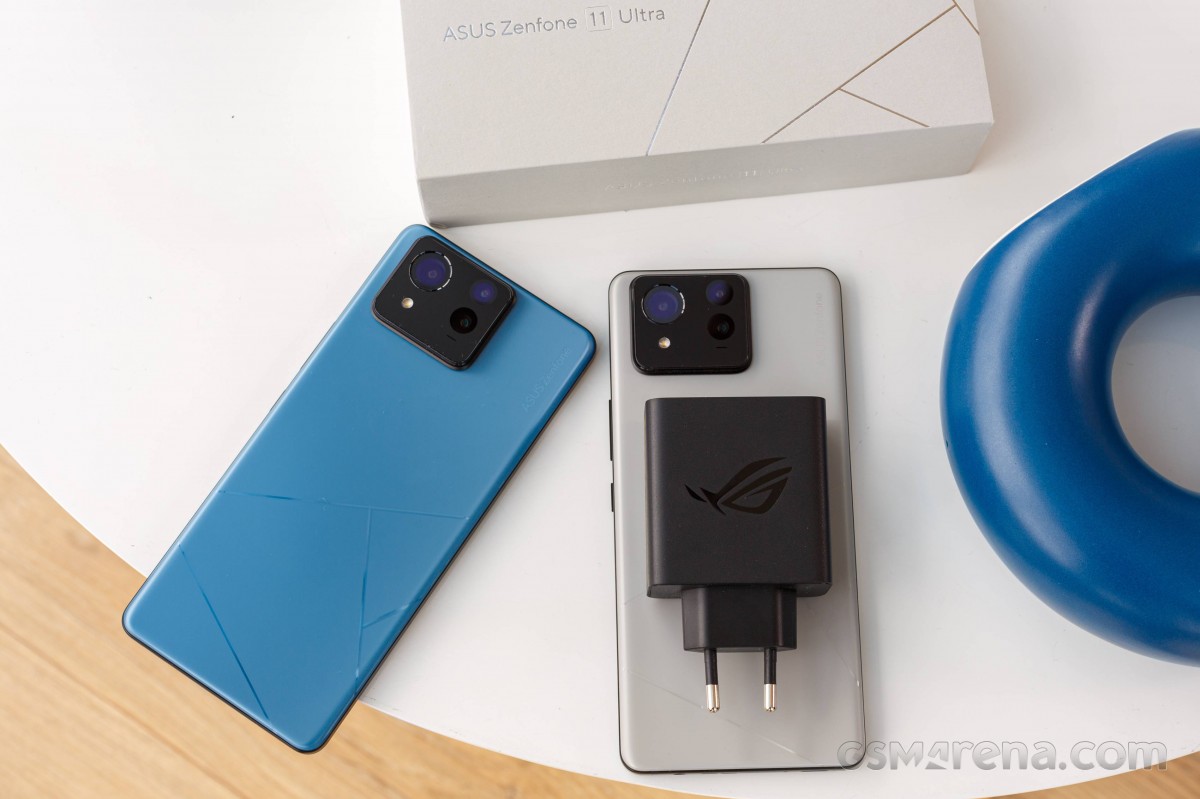
The Zenfone 11 Ultra uses a traditional slab design with a sturdy aluminum frame and Gorilla Glass Victus. At 225 grams, it’s heavier than the N3 Flip, but this extra weight comes from a larger battery and cooling system. The phone feels premium, with a slightly curved back for a better grip.
One subtle feature: the dedicated smart key. It sits above the power button and can be mapped to launch apps, take screenshots, or trigger the camera instantly. This level of customization is rare in modern flagships.
Display Quality
The phone features a 6.78-inch AMOLED display with 144Hz refresh rate. This is one of the fastest screens in any mainstream phone, offering super-smooth scrolling and excellent gaming performance. The display supports HDR10+, making movies and photos look vibrant.
Brightness peaks at 2,500 nits, so you can read the screen even under direct sunlight. The LTPO technology allows the phone to adjust refresh rate automatically, saving battery when you don’t need the full 144Hz.
Performance & Hardware
At its heart is the Qualcomm Snapdragon 8 Gen 3—the most powerful Android chip available in 2024. With 12GB or 16GB RAM and up to 512GB UFS 4.0 storage, the Zenfone 11 Ultra handles everything from video editing to high-end gaming without breaking a sweat.
An often-overlooked advantage: advanced cooling. Asus uses a vapor chamber and graphite sheets to keep temperatures low, even during long gaming sessions. This means the phone won’t throttle or slow down, keeping performance consistent.
Cameras
The Zenfone 11 Ultra has a triple camera setup:
- 50MP main sensor (Sony IMX890) with gimbal OIS
- 13MP ultrawide
- 32MP telephoto (3x optical zoom)
Photos are detailed and punchy. The gimbal stabilization helps a lot with video and night shots, reducing blur. For creators, the Pro Video mode offers features like 8K recording and manual controls—something vloggers and advanced users will appreciate.
One small but useful detail: the Audio Zoom feature, which focuses on the sound from your subject when recording videos.
Software Experience
Running ZenUI based on Android 14, Asus keeps the interface close to stock Android but adds a few productivity tools. There are no ads or bloatware, and updates come quickly. The software allows for deep customization of gestures, notification controls, and even hardware buttons.
A hidden gem: the Game Genie overlay. If you play games, you can block notifications, record gameplay, or adjust performance settings instantly.
Battery & Charging
With a 5,500mAh battery, the Zenfone 11 Ultra offers one of the longest battery lives in its class. Even with heavy use, it can last more than a day. 65W wired charging fills the battery from 0 to 100% in around 40 minutes, and there’s 15W wireless charging as well.
A tip for buyers: the phone supports reverse wired charging, so you can use it as a power bank for other devices—handy for emergencies.
Special Features
- Stereo speakers with Dirac tuning for immersive audio.
- IP68 water and dust resistance: Use the phone in rain without worry.
- Expandable storage: Uses a hybrid SIM slot for a microSD card, something rare in flagships now.
The Zenfone 11 Ultra is perfect for those who want maximum power, control, and battery life, without sacrificing camera or display quality.

Direct Comparison: Oppo Find N3 Flip Vs Asus Zenfone 11 Ultra
Choosing between these two phones means balancing innovation, power, and everyday usability. Here’s a side-by-side look at the most important differences.
Design And Build
- Oppo Find N3 Flip: Compact and stylish, fits in small pockets, foldable clamshell, lighter (198g), unique vertical cover screen.
- Asus Zenfone 11 Ultra: Traditional large phone, premium materials, slightly heavier (225g), customizable smart key.
People who want a pocket-sized device may prefer the N3 Flip, while those who don’t mind larger phones and want a classic feel will lean towards the Zenfone.
Display
- Oppo Find N3 Flip: 6.8″ 120Hz AMOLED (main), 3.26″ outer display, less crease, very usable cover screen.
- Asus Zenfone 11 Ultra: 6.78″ 144Hz AMOLED, HDR10+, LTPO, ultra-bright, no secondary screen.
The Zenfone offers a larger, faster, and more color-accurate screen, great for gaming and movies. The N3 Flip’s outer screen is a game-changer for productivity on the go.
Performance
- Oppo Find N3 Flip: MediaTek Dimensity 9200, up to 12GB RAM, 256GB storage.
- Asus Zenfone 11 Ultra: Snapdragon 8 Gen 3, up to 16GB RAM, 512GB storage, better cooling.
The Zenfone wins on raw power, especially for gaming and heavy multitasking. The N3 Flip is fast for daily use, but not a performance leader.
Cameras
- Oppo Find N3 Flip: 50MP main, 32MP telephoto, 48MP ultrawide, main camera selfies.
- Asus Zenfone 11 Ultra: 50MP main with gimbal OIS, 13MP ultrawide, 32MP telephoto, Pro Video features.
Both have strong main cameras. The N3 Flip shines for selfies and casual shots, while the Zenfone excels in video and low-light with its gimbal system.
Battery And Charging
- Oppo Find N3 Flip: 4,300mAh, 44W fast charging, no wireless charging.
- Asus Zenfone 11 Ultra: 5,500mAh, 65W fast charging, 15W wireless, reverse charging.
If battery life is a top concern, the Zenfone is the clear winner.
Features
- Oppo Find N3 Flip: Foldable, alert slider, main camera selfies, dual SIM.
- Asus Zenfone 11 Ultra: Smart key, stereo speakers, IP68, microSD support, Game Genie.
Each phone has unique strengths, depending on your daily needs.
Price And Value
Prices can vary by region, but generally, the N3 Flip is priced at a premium for its foldable tech—often $1,000 or more. The Zenfone 11 Ultra is slightly less, usually around $900–$1,000 for the base model.
A non-obvious factor: foldables often have higher repair costs. If you’re concerned about long-term value, keep this in mind.
Key Specifications At A Glance
Here’s a data table comparing the main specs side by side:
| Feature | Oppo Find N3 Flip | Asus Zenfone 11 Ultra |
|---|---|---|
| Design | Foldable clamshell | Bar, aluminum, glass |
| Main Display | 6.8″ AMOLED, 120Hz | 6.78″ AMOLED, 144Hz, LTPO |
| Outer Display | 3.26″ AMOLED | N/A |
| Processor | MediaTek Dimensity 9200 | Snapdragon 8 Gen 3 |
| RAM & Storage | 12GB / 256GB | 12/16GB / 256/512GB + microSD |
| Main Camera | 50MP, OIS | 50MP, Gimbal OIS |
| Telephoto | 32MP, 2x | 32MP, 3x |
| Ultrawide | 48MP | 13MP |
| Battery | 4,300mAh | 5,500mAh |
| Charging | 44W wired | 65W wired, 15W wireless |
| Weight | 198g | 225g |
| Water Resistance | No official rating | IP68 |
Usability: Which Fits Your Lifestyle?
Portability And Convenience
The N3 Flip’s foldable design makes it easy to carry. It’s great for people who want a big screen but hate large phones. The vertical cover screen is more than a gimmick—you can read messages, check maps, or control music without opening the phone.
The Zenfone 11 Ultra is bulkier, but the large battery and screen are perfect for media lovers, gamers, or business users who need a device that lasts all day.
Everyday Performance
Both phones are fast, but the Zenfone has the edge in gaming, video editing, and heavy apps due to its more powerful chip and cooling system. The N3 Flip is smooth for social media, calls, and productivity tasks.
Camera Use Cases
- N3 Flip: Best for social media users, vloggers, or anyone who wants the best selfies.
- Zenfone 11 Ultra: Best for photographers, videographers, or anyone who values low-light and video stability.
Battery In Real Life
A common mistake: judging battery life only by the numbers. The Zenfone’s 5,500mAh seems much bigger, but real-world use depends on how you use the high refresh rate display and 5G. The N3 Flip’s battery is smaller but lasts well due to software optimization and the ability to use the cover screen for simple tasks.
Longevity And Updates
Asus offers at least two years of major updates and three years of security patches. Oppo promises similar support. However, foldables are newer tech, and long-term durability is still being tested. If you plan to keep your device for three years or more, the Zenfone might offer more peace of mind.
User Experience: Practical Insights
- Typing on the N3 Flip’s cover screen is possible but not for long messages. It’s best for quick replies.
- Zenfone’s smart key can launch Google Assistant, take a photo, or open any app with a single press—a time saver that’s easy to overlook.
- The Zenfone’s stereo speakers are noticeably louder and clearer than the N3 Flip, making a big difference for media and calls.
- Oppo’s hinge is tested for over 400,000 folds, but avoid closing it with objects inside (like sand or keys) to prevent damage.
- Asus’s Game Genie is not just for gamers—it can block calls during presentations or video calls too.
Which Should You Choose?
- Choose the Oppo Find N3 Flip if you want a stylish, pocketable phone with a unique folding design, top-notch cameras for selfies, and a cover screen for quick tasks.
- Pick the Asus Zenfone 11 Ultra if you need maximum performance, all-day battery, best-in-class display, and advanced video features.
For most users, the decision comes down to whether you value innovation and compactness (Oppo) or raw power and versatility (Asus).
If you want to dig even deeper, check out the official specs and user reviews on the GSMArena website.
Frequently Asked Questions
Is The Oppo Find N3 Flip Durable For Daily Use?
Yes, the N3 Flip is tested for hundreds of thousands of folds. The hinge is strong, and the materials are high quality. However, foldable phones are more sensitive to dust and sharp objects. Always keep the phone clean and avoid pressing hard near the hinge area.
Does The Asus Zenfone 11 Ultra Support Wireless Charging?
Yes, it supports 15W wireless charging and also reverse wired charging. This means you can charge other devices using a USB-C cable, which is useful for accessories or friends’ phones.
Which Phone Is Better For Gaming?
The Asus Zenfone 11 Ultra is better for gaming. Its Snapdragon 8 Gen 3 chip, 144Hz display, and advanced cooling make it ideal for long gaming sessions. The N3 Flip can handle games well, but it’s not designed for heavy gamers.
Can I Use Both Phones With Two Sim Cards?
Yes, both phones offer dual SIM support. The Zenfone 11 Ultra uses a hybrid slot, so you can use either two SIMs or one SIM plus a microSD card. The N3 Flip supports two physical SIMs.
Which Phone Gets Updates Faster?
The Asus Zenfone 11 Ultra generally receives Android updates faster, as Asus keeps its software close to stock Android and has a good record for timely updates. Oppo has improved, but updates can arrive a bit later, especially in some regions.
Both the Oppo Find N3 Flip and Asus Zenfone 11 Ultra are excellent choices. Your final decision should depend on which features matter most in your daily life. Foldable innovation or pure flagship power—the choice is yours.

