

The foldable smartphone market is heating up, and two brands are making a big splash: Oppo and Xiaomi. Their latest clamshell devices, the Oppo Find N3 Flip and the Xiaomi Mix Flip, are not just about sleek design—they promise advanced photography in a compact package. If you care about camera quality on a flip phone, you’re probably wondering: Which one delivers the best experience? Let’s break down their camera hardware, photo quality, video features, and real-world results to help you decide.
Camera Hardware Overview
Understanding the camera setup is the first step to comparing these two flip phones. Both offer triple-camera systems, but there are important differences in sensors, lenses, and partnership brands.

36% off Today’s Exclusive Deals
Limited-time Exclusive Deals. Check current discount on Amazon.
Check Price on Amazon As an Amazon Associate I earn from qualifying purchases.Oppo Find N3 Flip Camera System
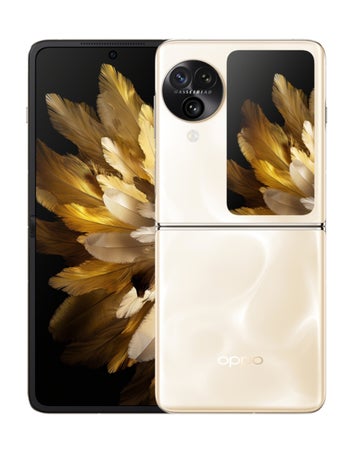
The Oppo Find N3 Flip stands out for its collaboration with Hasselblad, a name respected in professional photography. This partnership influences both hardware tuning and software color science.
- Main Camera: 50MP Sony IMX890 sensor, f/1.8 aperture, OIS (Optical Image Stabilization)
- Ultra-Wide Camera: 48MP Sony IMX581 sensor, f/2.2 aperture, 114° field of view
- Telephoto Camera: 32MP Sony IMX709 sensor, f/2.0 aperture, 2x optical zoom
- Selfie Camera: 32MP, f/2.4 aperture, supports face unlock and wide-angle
Oppo’s focus is on versatility. The main sensor is large for a flip phone, and the dedicated telephoto lens is rare in this class. Hasselblad color tuning aims to deliver more natural, accurate skin tones.
Xiaomi Mix Flip Camera System
The Xiaomi Mix Flip brings strong specs and Xiaomi’s software expertise. It doesn’t have a major camera co-branding, but uses proven sensors and computational tricks.
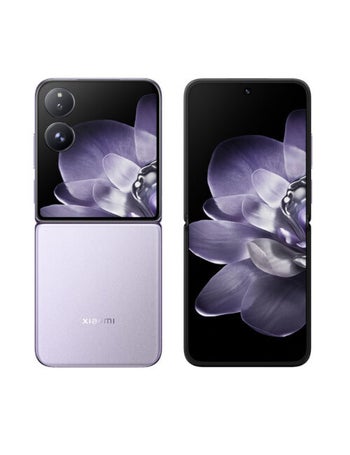
- Main Camera: 50MP Sony IMX800 sensor, f/1.8 aperture, OIS
- Ultra-Wide Camera: 12MP, f/2.2 aperture, 120° field of view
- Telephoto Camera: 10MP, f/2.4 aperture, 2x optical zoom
- Selfie Camera: 20MP, f/2.2 aperture, punch-hole design
Xiaomi’s main sensor is modern and capable, but the ultra-wide and telephoto cameras are lower in resolution compared to Oppo’s. However, Xiaomi uses aggressive image processing to push detail and dynamic range.
Side-by-side Specs
Here’s a technical snapshot for quick reference:
| Camera | Oppo Find N3 Flip | Xiaomi Mix Flip |
|---|---|---|
| Main Sensor | 50MP, Sony IMX890, OIS | 50MP, Sony IMX800, OIS |
| Ultra-Wide | 48MP, 114° FOV | 12MP, 120° FOV |
| Telephoto | 32MP, 2x optical | 10MP, 2x optical |
| Selfie | 32MP | 20MP |
| Special Partnership | Hasselblad | None |
The Oppo Find N3 Flip wins on sensor resolution and the Hasselblad partnership, especially for the ultra-wide and telephoto lenses.
Daylight Photography
Both phones promise to deliver crisp, vibrant shots during the day. But how do they perform in the real world? Let’s take a closer look at color, detail, and dynamic range.
Oppo Find N3 Flip In Good Light
Oppo’s main camera captures sharp, high-contrast images with balanced colors. Thanks to the IMX890 sensor and Hasselblad tuning, photos appear true-to-life rather than overly saturated. Skin tones are particularly impressive, with less redness or yellowness.
The ultra-wide lens maintains detail across the frame with minimal distortion. The 48MP sensor ensures that even wide landscapes retain texture and sharpness. The telephoto camera delivers solid 2x zoom shots, and because it’s a true optical zoom (not just digital cropping), detail is preserved.
Xiaomi Mix Flip In Good Light
Xiaomi’s main sensor is also 50MP, but the color profile is punchier. Greens and blues pop, which some users prefer for social media. The phone boosts contrast and sharpness, making images look vivid on screen, but sometimes unnatural.
The ultra-wide camera’s 12MP resolution can’t match Oppo’s for fine detail, but its 120° field of view is slightly wider, fitting more into the frame. The 10MP telephoto lens gets you closer to the subject, but fine textures (like grass or hair) can appear soft.
Real-world Example: Cityscape
Imagine shooting a city skyline at noon:
- Oppo Find N3 Flip: The sky is a natural blue, building edges are sharp, and glass reflections don’t blow out. Shadows are deep but not crushed.
- Xiaomi Mix Flip: The sky is a stronger blue, sometimes leaning cyan. Building details pop but may have a slight halo from processing. Dynamic range is good, but highlights can clip in direct sun.
Non-obvious Insights
- The Oppo’s main sensor, tuned by Hasselblad, has a subtle effect: It controls highlights better, so bright clouds don’t lose detail as often as on the Xiaomi.
- Xiaomi’s processing sometimes over-sharpens, which can introduce noise when you zoom into photos—this isn’t always clear unless you crop or print large.

Low-light And Night Photography
Low-light shooting separates average cameras from great ones. Both the Oppo Find N3 Flip and Xiaomi Mix Flip claim advanced night modes, but results differ.
Oppo Find N3 Flip At Night
Oppo’s main camera excels in dim light. The Sony IMX890 sensor is large for a flip phone, letting in more light. Night photos are bright, with realistic colors and minimal grain. The night mode kicks in automatically, stacking multiple shots for a clean result.
The ultra-wide lens also does well, but some softness appears at the corners. The telephoto camera handles indoor lighting, such as restaurants or events, with less noise than expected.
Xiaomi Mix Flip At Night
Xiaomi relies on heavy computational photography. Night mode brightens dark scenes and boosts color. Photos are sometimes brighter than what your eyes see, but fine details can get smoothed out. Light sources (like street lamps) can show lens flare.
The ultra-wide and telephoto lenses struggle more here, producing softer images with visible noise. Xiaomi’s software can make shadows look almost gray, which isn’t always natural.
Real-world Example: Street At Night
Picture a street with neon signs and moving cars:
- Oppo Find N3 Flip: Signs are clear, with true colors. The road is visible, not too bright. Motion is frozen unless it’s very dark.
- Xiaomi Mix Flip: Signs glow with extra intensity, sometimes bleeding color. The road is well-lit, but moving cars can blur.
Non-obvious Insights
- Oppo’s night mode is less aggressive; you see a more realistic scene, not a fake daylight look. This is good for mood and atmosphere.
- Xiaomi’s night mode can make small details—like stars in the sky—disappear due to its strong noise reduction.
Portrait And Selfie Performance
For many, the main use of a flip phone camera is taking portraits and selfies. The cover screen on both devices adds new ways to frame yourself, but sensor quality and software matter most.
Oppo Find N3 Flip: Portraits And Selfies
Oppo’s 32MP telephoto camera is used for portraits. This creates a natural background blur (bokeh) and flattering subject separation. Hasselblad’s color science is most visible here: skin tones look natural, and hair retains detail.
The 32MP front camera delivers sharp, wide selfies, even in groups. You can use the main rear cameras for selfies, thanks to the cover screen preview—ideal for higher quality.
Xiaomi Mix Flip: Portraits And Selfies
Xiaomi uses its 10MP telephoto lens for portrait mode. The blur is pleasant but less precise, sometimes smudging edges. Skin smoothing is more aggressive, which some users like, but can remove fine detail.
The 20MP front camera is clear and does well in good light. Using the rear cameras for selfies is possible, but the preview is smaller due to screen size. Edge detection in group shots can miss small details, like glasses or hair strands.
Real-world Example: Outdoor Portrait
Imagine taking a portrait in a garden:
- Oppo Find N3 Flip: The background is softly blurred, face is in focus, and colors are true. Even tricky lighting (like sun through leaves) is handled well.
- Xiaomi Mix Flip: The blur is stronger, but sometimes cuts into hair or ears. Skin is smoother, which some find artificial.
Non-obvious Insights
- Oppo’s use of the telephoto for portraits means faces look more natural, without wide-angle distortion—this is subtle but makes a big difference in pro-looking shots.
- Xiaomi’s aggressive skin smoothing can hide blemishes, but also removes freckles or makeup details, which not everyone wants.
Video Recording Features And Quality
Video is another area where these flip phones compete hard. Both offer 4K recording, but details like stabilization, color, and low-light performance separate them.
Oppo Find N3 Flip: Video Strengths
Oppo supports up to 4K 60fps on the main camera and 4K 30fps on the others. Stabilization is strong, with OIS and EIS working together for smooth walking shots. Autofocus is fast and accurate, rarely hunting for focus even with moving subjects.
Colors are consistent with still photos—natural, never too saturated. Low-light video is above average for a flip phone, with good noise control and steady exposure.
Xiaomi Mix Flip: Video Capabilities
Xiaomi also records 4K 60fps on the main sensor, but only 1080p on ultra-wide and telephoto. Stabilization is electronic and sometimes crops the frame to keep things steady. Colors are more vivid, but can shift in changing light.
Low-light video is bright, but noise reduction can cause faces to look waxy. Autofocus is fast, but sometimes pulses during quick movement.
Side-by-side Video Features
Here’s a quick comparison of video features:
| Feature | Oppo Find N3 Flip | Xiaomi Mix Flip |
|---|---|---|
| Max Resolution | 4K 60fps (main), 4K 30fps (others) | 4K 60fps (main), 1080p (others) |
| Stabilization | OIS + EIS | EIS (main only) |
| Autofocus | Fast, reliable | Fast, but can pulse |
| Low-Light Video | Good noise control | Bright, but waxy faces |
Practical Tips
- If you want to vlog or film moving subjects, Oppo’s video stabilization is more forgiving.
- For colorful scenes—like parties or festivals—Xiaomi’s vibrant profile can be more eye-catching but less accurate.
Camera Software And Shooting Modes
A phone’s camera is more than hardware. The software experience, special effects, and unique modes can change how you shoot and share.
Oppo Find N3 Flip: Software Experience
Oppo’s camera app is clean and easy to use. Key features include:
- Hasselblad Pro Mode: Manual control over ISO, shutter speed, and white balance.
- XPAN Mode: Ultra-wide cinematic shots in a classic film ratio.
- AI Scene Enhancement: Automatically adjusts color and contrast for over 20 scene types.
- Dual Preview: Shows the preview on both the main and cover screen for group selfies.
Oppo’s software is fast, with little lag when switching lenses or shooting high-res photos.
Xiaomi Mix Flip: Software Features
Xiaomi’s app is feature-packed, sometimes at the cost of simplicity. Notable features:
- AI Sky Replacement: Instantly changes a gray sky to blue or sunset.
- Magic Erase: Removes unwanted objects from photos, handy for travel.
- Clone Mode: Lets you appear multiple times in one photo.
- Vlog Templates: Automatic video editing with music and transitions.
Switching between modes can take an extra tap or two. Some advanced features are hidden in menus, so exploring the app pays off.
Non-obvious Insights
- Oppo’s XPAN mode is unique—it gives a film-like, wide-aspect photo you won’t find on Xiaomi, great for landscapes.
- Xiaomi’s Magic Erase is sometimes better than Google’s equivalent, but works best on simple backgrounds (complex scenes can look unnatural).
Macro And Close-up Photography
Close-up shots are a fun way to use your phone’s camera. While neither phone has a dedicated macro lens, both use their ultra-wide or main sensors for macro shots.
Oppo Find N3 Flip
Oppo’s ultra-wide sensor doubles as a macro shooter. You can focus as close as 3cm, capturing fine details like flower petals or insects. The high resolution helps retain texture, and colors remain true even at close range.
Xiaomi Mix Flip
Xiaomi’s macro mode uses the ultra-wide lens. The 12MP sensor is capable, but detail is lower than Oppo’s. Colors can shift to warmer tones in artificial light. The minimum focusing distance is slightly longer, so you can’t get quite as close.
Practical Examples
- Oppo: Close-up of a watch face shows every scratch and reflection, with good edge sharpness.
- Xiaomi: Same shot is clear, but text on the watch may look softer.
Non-obvious Insights
- Oppo’s macro mode benefits from Hasselblad color tuning—even small subjects look natural.
- Xiaomi’s macro mode is good for casual snaps but struggles with complex textures (like fabric or leaves).
Special Features For Foldables
Flip phones have unique advantages for photography. Both Oppo and Xiaomi use the foldable design for creative shooting.
Oppo Find N3 Flip
- FlexForm Mode: Prop the phone at any angle for hands-free group shots or long exposures.
- Cover Screen Preview: Use the main camera for selfies, with a real-time preview.
- Quick Launch: Double-tap the power button to launch the camera when closed.
Xiaomi Mix Flip
- FlexCapture: Set the phone on a surface, bend to any angle, and trigger the shutter with a gesture.
- Mini-Viewfinder: The cover screen shows a cropped preview for selfies.
- Voice Shutter: Take photos with a voice command when the phone is folded.
Non-obvious Insights
- Oppo’s cover screen is larger and shows the full camera interface, making it easier to compose and adjust settings for selfies.
- Xiaomi’s gesture control is handy for group shots, but sometimes misfires in noisy places.
Battery Life And Camera Usage
Shooting photos and videos drains battery quickly on any smartphone, but foldables have smaller batteries due to space limits.
Oppo Find N3 Flip
Oppo’s 4300mAh battery is above average for a flip phone. Shooting a mix of 4K video, photos, and using night mode for 2 hours drains about 25%. The phone manages heat well, so performance doesn’t drop during long shoots.
Xiaomi Mix Flip
Xiaomi’s 4000mAh battery is slightly smaller. Intensive camera use for 2 hours can drain up to 30%. The phone gets warm, especially in 4K video mode, which may cause the camera app to suggest pausing.
Practical Tips
- Carry a power bank for all-day shooting, especially with 4K video.
- Oppo’s camera app is less likely to throttle or crash during long sessions.
Value For Photographers
If your main concern is photography on a foldable, which phone offers the best value?
- Oppo Find N3 Flip: Stronger hardware, more versatile lenses, and natural color tuning. Best for those who want reliable, realistic photos in all conditions.
- Xiaomi Mix Flip: More creative software tricks and punchy color. Good for social media, creative editing, and those who like strong processing.
Final Thoughts
Choosing between the Oppo Find N3 Flip and the Xiaomi Mix Flip for camera performance comes down to your priorities. Oppo offers higher resolution across all lenses, natural colors, and better low-light performance, thanks to the Hasselblad partnership and premium sensors. Xiaomi counters with more creative software features, punchy photos, and a playful approach to editing.
If you want a flip phone that acts like a pocket camera, especially for portraits and low-light, the Oppo Find N3 Flip is the clear winner. If you love fun modes, vibrant colors, and lots of editing options, the Xiaomi Mix Flip is a great choice.
Both deliver impressive results for a foldable, but the Oppo edges ahead for serious photographers.
For more on foldable camera technology, see this DxOMark mobile reviews resource.
Frequently Asked Questions
Is The Oppo Find N3 Flip Camera Better Than The Xiaomi Mix Flip For Night Photography?
Yes, the Oppo Find N3 Flip has a larger main sensor and less aggressive noise reduction. This means brighter, more detailed night shots with natural colors compared to the Xiaomi Mix Flip, which sometimes smooths out details.
Can I Use The Rear Cameras For Selfies On Both Phones?
Absolutely. Both the Oppo Find N3 Flip and Xiaomi Mix Flip let you use the main cameras for selfies, using their cover screens for previews. Oppo’s cover screen is bigger and offers more control, making it easier to compose shots.
Which Phone Offers Better Video Stabilization?
The Oppo Find N3 Flip provides better video stabilization due to a combination of OIS and EIS, especially at 4K resolution. This results in smoother handheld videos compared to Xiaomi Mix Flip, which relies mostly on electronic stabilization.
Which Device Is Best For Portraits?
Oppo’s dedicated 32MP telephoto lens gives more natural-looking portraits with accurate skin tones and soft background blur. Xiaomi’s portraits can be more vibrant but may over-smooth skin and blur edges.
Does Hasselblad Branding On Oppo Make A Real Difference?
Yes, the Hasselblad partnership on Oppo Find N3 Flip isn’t just marketing. It affects color science, especially for skin tones and landscape shots, giving a more professional and natural look than typical smartphone processing.

