

Installing a ski pylon on your boat can transform your water sports experience. With the right pylon, you’ll enjoy smoother towing for water skiing, wakeboarding, and tubing. But installing one isn’t as simple as buying and bolting it on. There are choices to make, steps to follow, and mistakes to avoid.
Whether you’re a beginner or have some boating experience, this guide will walk you through everything you need to know about ski pylon installation—without confusing jargon or complicated instructions.

36% off Today’s Exclusive Deals
Limited-time Exclusive Deals. Check current discount on Amazon.
Check Price on Amazon As an Amazon Associate I earn from qualifying purchases.Why Install A Ski Pylon?
A ski pylon is a vertical post mounted on your boat to tow skiers, wakeboarders, or tubers. Unlike towing from a low cleat or eye, a pylon raises the tow point. This change improves the angle, reduces drag, and makes the ride safer and more enjoyable for everyone.
The benefits are clear:
- Better towing angle: The rope stays clear of the boat’s wake and motor.
- Less stress on the boat: Forces are distributed more evenly compared to towing from a transom hook.
- Enhanced safety: Reduces rope tangling and keeps the skier visible.
- Versatility: Supports various water sports, not just skiing.
Many boaters underestimate the impact a good pylon makes. For frequent water sports, a well-installed ski pylon is essential.
Choosing The Right Ski Pylon
Before you start drilling holes or tightening bolts, you must pick the right ski pylon for your boat. Choosing the wrong type can lead to damage, instability, or frustration. Here’s what to consider:
Types Of Ski Pylons
- Removable pylons: Easy to install and remove. Ideal for boats used for both fishing and skiing.
- Fixed pylons: Permanently attached. Offers maximum stability but may interfere with other activities.
- Adjustable pylons: Height can be changed. Useful for different water sports or boat sizes.
Material Matters
Most ski pylons are made from stainless steel or aluminum. Stainless steel is more durable and corrosion-resistant, while aluminum is lighter. Stainless steel is recommended for saltwater environments.
Boat Compatibility
Not every boat supports a ski pylon. Check for:
- Center console boats: Usually require special pylons.
- Outboard boats: Need pylons that clear the motor.
- Inboard boats: Easier to fit standard pylons.
Weight And Load Ratings
Always check the maximum weight rating. A typical ski pylon can handle up to 500 pounds of pulling force. For heavy-duty towing or multiple riders, look for higher ratings.
Common Mistakes When Choosing
- Ignoring the boat’s size and layout
- Choosing a pylon with poor mounting options
- Overlooking the need for saltwater resistance
If you’re unsure, ask your dealer or check the manufacturer’s recommendations.
Preparing For Installation
Preparation is often overlooked but crucial for a successful ski pylon installation. Here’s how to prepare:
Gather Tools And Materials
You’ll need:
- Drill and bits
- Wrenches
- Screwdrivers
- Measuring tape
- Marine-grade bolts and fasteners
- Sealant (marine silicone)
- Backing plates (for extra support)
- Safety gear: Gloves, goggles
Inspect Your Boat
Look for a solid mounting surface. Most pylons mount near the center or stern. Avoid areas with wiring, fuel lines, or thin fiberglass.
Mark The Location
Use a measuring tape to find the centerline. Mark the position with a pencil or tape. Double-check for clearance above and below deck.
Check For Clearance
Ensure there’s enough space for the pylon to swing and rotate. Also, check for clearance around the motor and seating area.
Practical Example
A common mistake is placing the pylon too close to the motor, leading to rope tangling. Always leave at least 12 inches between the pylon base and any moving parts.
Step-by-step Ski Pylon Installation
Now comes the main task: installing the pylon. Follow these steps for a safe, sturdy installation.
Step 1: Position The Pylon
Place the pylon in the marked spot. Ensure it’s straight and centered. If your pylon has adjustable feet, set them evenly.
Step 2: Drill Mounting Holes
- Use a drill bit slightly larger than the mounting bolts.
- Drill carefully to avoid splintering the fiberglass.
- Wear safety goggles.
Step 3: Install Backing Plates
Backing plates distribute force and prevent damage. Place them under the deck, aligned with the holes.
Step 4: Apply Marine Sealant
Sealant prevents water leaks and corrosion. Apply a generous bead around each hole and under the pylon base.
Step 5: Bolt The Pylon
- Insert bolts through the pylon and backing plate.
- Tighten with a wrench, but don’t overtighten.
- Check that the pylon sits flush against the deck.
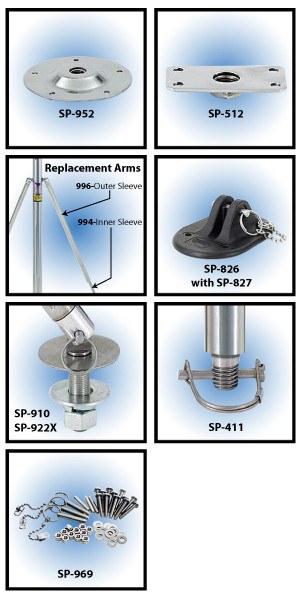
Step 6: Attach Support Arms (if Included)
Some pylons have support arms for stability. Attach them to the pylon and secure to the deck or hull.
Step 7: Test Stability
Push, pull, and twist the pylon. It should not move. Re-tighten bolts if needed.
Step 8: Connect Rope And Test
Attach your tow rope and pull gently. Check for any flex or movement. If the pylon shifts, check the backing plate and bolts.
Example Data Table
Here is a comparison of three popular ski pylon models:
| Model | Type | Material | Max Load | Price (USD) |
|---|---|---|---|---|
| Pro Pylon 2000 | Removable | Stainless Steel | 600 lbs | $320 |
| EZ Ski Pole | Adjustable | Aluminum | 450 lbs | $250 |
| UltraMount X | Fixed | Stainless Steel | 700 lbs | $370 |
Common Installation Mistakes
Even experienced boaters can make errors when installing a ski pylon. Avoid these pitfalls:
- Skipping the backing plate: This leads to deck damage.
- Using standard bolts: Always use marine-grade bolts for corrosion resistance.
- Misaligning the pylon: A crooked pylon affects towing.
- Ignoring sealant: Water leaks will cause rot and corrosion.
- Over-tightening bolts: This can crack fiberglass.
Non-obvious tip: If your boat is older, check for soft spots in the deck. Weak areas need reinforcement before installation.
Practical Tips For A Strong, Safe Installation
A ski pylon is only as good as its installation. Follow these extra tips for confidence and durability:
Reinforce Weak Areas
If your deck flexes, reinforce it with a marine plywood plate before installing the backing plate.
Use Double Nuts
Double nuts prevent bolts from loosening due to vibration. Install a second nut on each bolt for extra security.
Check Alignment
After tightening, sight down the pylon to ensure it’s perfectly vertical. A slight tilt can cause rope friction.
Protect Against Corrosion
Apply a thin layer of marine grease to bolts and support arms, especially in saltwater environments.
Example Stability Table
Below is a comparison of pylon stability based on mounting method:
| Mounting Method | Stability Rating | Suitable for |
|---|---|---|
| Direct to Deck | Medium | Small boats, light towing |
| Deck with Backing Plate | High | Medium to large boats, heavy towing |
| Reinforced Deck + Plate | Very High | Older boats, high loads |

After Installation: Testing And Maintenance
Once your ski pylon is installed, you’re not quite finished. Testing and regular maintenance are key to safe operation.
Testing
- Check bolts and nuts: After first use, re-tighten bolts.
- Pull test: Have someone pull the rope at full strength. Listen for creaks or see if the pylon shifts.
- Visual inspection: Look for cracks in the deck or base.
Maintenance
- Rinse with fresh water after each use, especially in saltwater.
- Inspect bolts and backing plates monthly.
- Reapply marine grease every 6 months.
- Replace any worn or rusty hardware.
Non-obvious Insight
Many boaters forget to check the support arms. These arms take much of the load and should be inspected for cracks or loose fittings regularly.
Safety Considerations
Installing a ski pylon isn’t just about performance—it’s about safety.
Rope Placement
Always keep the rope clear of the motor and passengers. Use rope guides if necessary.
Passenger Awareness
Make sure passengers know to avoid the pylon area when skiing or tubing. Sudden rope tension can cause injury.
Emergency Detachment
Some pylons offer quick-release features. If you tow in busy areas or with kids, consider this option.
Example Safety Table
Here’s a comparison of pylon safety features:
| Feature | Benefit | Recommended for |
|---|---|---|
| Quick-Release | Fast detachment in emergencies | Family boating |
| Rope Guides | Keeps rope away from motor | Outboard boats |
| Support Arms | Extra stability | High-load towing |

Troubleshooting Common Problems
Sometimes, things don’t go as planned. Here’s how to handle common ski pylon issues:
Pylon Feels Loose
- Check bolt tightness.
- Inspect the backing plate.
- Reinforce the deck if needed.
Rope Gets Tangled
- Adjust the pylon’s position.
- Use rope guides.
- Double-check clearance from the motor.
Water Leaks Around Mount
- Remove the pylon and reapply marine sealant.
- Check for cracks or gaps.
Pylon Tilts Or Leans
- Loosen bolts and realign.
- Reinforce the deck if there’s flex.
Support Arms Rattle
- Tighten all fasteners.
- Add rubber washers to reduce vibration.
Non-obvious Solution
If your pylon shakes only at high speed, check for deck flex. A flexible deck can cause vibration. Reinforcing with marine plywood solves most vibration issues.
How Ski Pylons Compare To Other Tow Points
Many boats come with tow hooks or eyelets. How does a ski pylon stack up?
Ski Pylon Vs. Tow Hook
- Tow hook: Low, often at the stern. Good for light towing. Rope drags in the water.
- Ski pylon: Higher, center-mounted. Rope stays clear, better for skiing and wakeboarding.
Ski Pylon Vs. Tower
- Tow tower: Very high, often used for wakeboarding tricks.
- Ski pylon: Lower, easier to install, less expensive.
Example Comparison Table
| Tow Point | Towing Angle | Installation Difficulty | Price Range |
|---|---|---|---|
| Transom Hook | Low | Easy | $50–$100 |
| Ski Pylon | Medium-high | Moderate | $200–$400 |
| Tow Tower | High | Hard | $1,000–$3,000 |
Real-world Example: Installing A Ski Pylon On A Family Boat
Let’s look at a practical scenario. The Smith family owns a 20-foot outboard boat. They want to install a removable ski pylon for weekend water skiing.
Steps they followed:
- Chose a stainless steel, removable pylon with 600-pound load rating.
- Located a clear, central spot near the stern, away from the motor.
- Marked and drilled mounting holes, avoiding wiring below deck.
- Used a marine plywood backing plate for extra support.
- Applied marine sealant generously.
- Installed bolts with double nuts for vibration resistance.
- Attached support arms to deck fittings.
- Tested the pylon with gentle pulls, then full strength.
Outcome: The Smiths now tow skiers smoothly. Their pylon stays sturdy, and regular maintenance keeps it safe for family fun.
Frequently Asked Questions
What Is A Ski Pylon And Why Do I Need One?
A ski pylon is a strong, vertical post on your boat used to tow skiers, wakeboarders, or tubers. It raises the tow point, making towing safer and more efficient. You need one for better towing angles, reduced rope drag, and improved safety compared to standard tow hooks.
Can I Install A Ski Pylon On Any Boat?
Not every boat can support a ski pylon. You need a solid mounting area, enough clearance, and the right pylon type for your boat’s layout. Check your boat’s manual or ask your dealer before buying.
How Long Does Installation Take?
For most boats, installation takes 2–4 hours. Complicated layouts or older boats may require extra time for reinforcing the deck or running support arms.
Is Professional Installation Necessary?
If you’re comfortable with tools and follow instructions, you can install a ski pylon yourself. For complex boats or heavy-duty pylons, professional installation is safer and ensures warranty coverage.
How Do I Maintain My Ski Pylon?
Rinse with fresh water after each use, check bolts and fittings monthly, and reapply marine grease every 6 months. Inspect for cracks or corrosion regularly to keep your pylon safe.
Installing a ski pylon is more than a quick upgrade—it’s a commitment to safer, more enjoyable water sports. By choosing the right model, preparing carefully, and following proper installation steps, you’ll unlock new possibilities for family fun and adventure. With regular checks and maintenance, your ski pylon will serve you for years. If you want more technical details or installation videos, visit Boatsafe.com for trusted boating resources.

