

Use an improved clinch, nail, blood, or uni knot—tighten, seat, and trim the tag end for a secure fly fishing knot.
I’ve tied knots in dawn light, in rain, and under pressure from big trout. I know the small differences that make or break a hookup. This guide covers why knots matter, the right gear, clear step-by-step tying for five essential knots, testing tips, common mistakes, and quick fixes. If you’ve ever asked, "How do you tie a fly fishing knot?" you’ll find practical, real-world answers here from experience and tested technique. Read on to build confidence on the water and tie knots that hold.

36% off Today’s Exclusive Deals
Limited-time Exclusive Deals. Check current discount on Amazon.
Check Price on Amazon As an Amazon Associate I earn from qualifying purchases.
Why strong knots matter in fly fishing
Knots are the weak link or the strongest link. A poorly tied knot snaps fish away or ruins a day on the water. Learning how do you tie a fly fishing knot? gives you consistent hookups and fewer lost flies.
Good knots protect tippet strength and preserve fly action. A solid knot saves time and bait, and keeps fish in the net.
Gear, terms, and basics before tying
Know your lines and parts. Short, clear definitions help when you learn knots.
- Fly line: The thick line that launches the fly.
- Leader: Tapered section from fly line to tippet.
- Tippet: Thin line that ties to the fly.
- Fly eye/hook eye: Where you attach the fly.
- Tag end: The short leftover piece after tying.
Basic tips before you practice:
- Dry your hands and the knot area. A wet knot may slip.
- Lubricate knots with water or saliva before tightening.
- Trim tag ends close, but not too close—leave 1–2 mm for safety.
How do you tie a fly fishing knot? Start slow. Learn the knot shape first. Then speed up with practice.

Step-by-step: Five essential fly fishing knots
Below are five knots I use daily. Each is short and reliable. Practice each until you can tie it without looking.
Improved Clinch Knot — attaching fly to tippet
This is the most common knot for tying a fly to tippet.
- Thread the tag end through the hook eye and double back.
- Wrap the tag around the standing line 5–7 times.
- Thread the tag end through the small loop by the eye.
- Then pass it through the big loop you just made.
- Moisten and pull the standing line while holding the tag to seat the knot.
- Trim the tag close to the knot.
Tips:
- Use 5 turns for heavy tippet, 7 for light tippet.
- If you ask, "How do you tie a fly fishing knot?" this is where many anglers start.
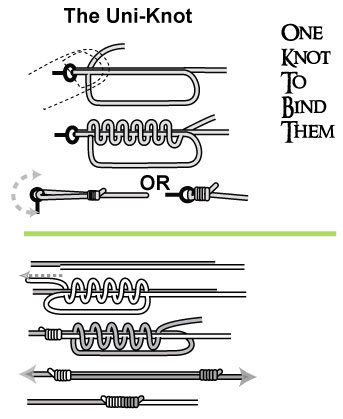
Uni Knot — versatile for tippet or hook
The uni is strong and easy to tie in tight spots.
- Pass the line through the eye and double back, creating a loop.
- Make 4–6 coils around the doubled line and through the loop.
- Tighten by pulling the tag and sliding the knot down to the eye.
- Trim the tag.
Tips:
- Use two uni knots to join unequal lines (double uni).
- The uni holds well on slippery fluorocarbon.
Blood Knot — joining two tippets
Use this when you need a slim, smooth join that passes through guides.
- Overlap two lines by 6–8 inches.
- Wrap one tag around the other line 4–6 times and tuck through the center.
- Repeat with the other tag in the opposite direction.
- Moisten and pull both standing ends to tighten the knot.
- Trim both tags close.
Tips:
- Keep wraps neat and parallel for strength.
- If you prefer, use a surgeon’s knot for easier tying.
Nail Knot — attaching leader to fly line
This knot joins the leader to the fly line with a slim profile. Use a nail or tool to ease the wrap.
- Place a thin tube, nail, or dedicated tool along the end of the fly line.
- Lay the leader butt against the fly line and make 6–8 wraps of the leader around both the fly line and the tool.
- Slide the wraps over the end of the tool and pull the leader tag to seat the knot.
- Trim the tag and remove the tool.
Tips:
- Use a nail knot tool for fast, neat knots.
- Practice once at home before relying on it on the water.
Non-Slip Loop — giving flies more action
This loop keeps the fly free to move naturally.
- Make an overhand knot in the line, leaving a tag about 6 inches.
- Pass the tag through the hook eye and then back through the overhand loop.
- Wrap the tag around the standing line 3–4 times and pass it back through the overhand loop.
- Pull the standing line to tighten, forming a small loop at the eye.
- Trim the tag.
Tips:
- Leave a slightly larger loop for streamers and articulated flies.
- This knot lets the fly swing and breathe in the water.
How do you tie a fly fishing knot? These five will cover most situations. Practice all of them until your hands know the moves.
Testing, trimming, and best practices
Always test the knot before casting. Give a firm pull on the tag and the standing line. If it slips, cut it off and retie.
Trim tag ends to about 1–2 mm. Too long and they snag; too short and they can slip.
Keep knots lubricated while tightening. Use water or saliva. Avoid oil or lotions that can weaken line performance.
If you wonder, "How do you tie a fly fishing knot?" remember the test step. Strong knots are visible by neat wraps and no slippage.
Common mistakes and quick fixes
Short, clear fixes to problems I’ve seen on the river.
- Twisted leader or tippet: Rinse and let it untwist, or cut and re-tie the knot.
- Too few wraps: Add one or two more turns for security.
- Over-tightened knot: Moisten before cinching to prevent heat damage.
- Wrong knot for the role: Use nail for leader-to-line, blood or surgeon for joins, clinch for fly-to-tippet.
People also ask: quick answers to common doubts
How many turns for an improved clinch?
Use 5–7 turns. More turns for thin tippet, fewer for thick tippet.
Which knot is best for fluoro tippet?
Try the uni knot or improved clinch with extra turns. Both work well with fluorocarbon.
Can I reuse a knot after it has held a big fish?
Best practice is to cut and retie. Fibers can compress and weaken after heavy load.
Frequently Asked Questions of How do you tie a fly fishing knot?
How do you tie a fly fishing knot for a dry fly?
Use the improved clinch or uni knot. Thread the tippet through the eye, wrap 5–7 times, moisten, tighten, and trim the tag.
How do you tie a fly fishing knot between leader and tippet?
The blood knot or surgeon’s knot works well. Overlap the lines, make neat wraps, moisten, pull to seat, and trim tags close.
How do you tie a fly fishing knot for big flies?
Use a non-slip loop or a strong uni knot. Leave a larger loop for more fly action and extra turns for strength.
How do you tie a fly fishing knot when it’s cold or with gloves?
Use larger, simpler knots like the uni or surgeon’s knot. Practice with gloved hands and slow movements.
How do you tie a fly fishing knot to the fly line?
Use the nail knot or a loop-to-loop connection. The nail knot joins leader to fly line with a slim profile that passes through guides smoothly.
How do you tie a fly fishing knot that won’t slip on fluorocarbon?
Tie a uni knot with extra wraps and moisten before tightening. Ensure wraps are neat and dress the knot before trimming.
Conclusion
Mastering how do you tie a fly fishing knot? changes your day on the water. Learn the improved clinch, uni, blood, nail, and non-slip loop. Practice in calm conditions. Test each knot, trim carefully, and adjust for tippet type and fly size.
Takeaway: practice short, focused sessions until tying feels automatic. Head to the river, try each knot on a few casts, and note what works for your gear. If this guide helped, leave a comment, share your favorite knot, or subscribe for more practical tips and on-river lessons.

