

Wakeboarding has become one of the most popular water sports, attracting everyone from first-timers to seasoned thrill-seekers. But many people wonder: can you wakeboard with a Sea-Doo ski pylon? If you own a Sea-Doo personal watercraft (PWC) or are thinking of getting one, you probably want to use it for more than just riding waves. The idea of towing a wakeboarder behind your Sea-Doo is exciting and practical. However, there are key details, limitations, and safety considerations you need to know before you hit the water.
Let’s break down exactly what a Sea-Doo ski pylon is, how it works for wakeboarding, and what to expect if you want to try it. We’ll also compare it with other tow options, look at real-world results, and help you decide if wakeboarding with a Sea-Doo ski pylon is the right choice for you.

36% off Today’s Exclusive Deals
Limited-time Exclusive Deals. Check current discount on Amazon.
Check Price on Amazon As an Amazon Associate I earn from qualifying purchases.What Is A Sea-doo Ski Pylon?
A Sea-Doo ski pylon is a special attachment designed for towing water sports riders behind a Sea-Doo. The ski pylon sits behind the rear seat and extends upward, providing a higher tow point than the factory rear tow hook. This higher position is important because it helps keep the tow rope out of the water, reducing drag and making starts easier for the person being towed.
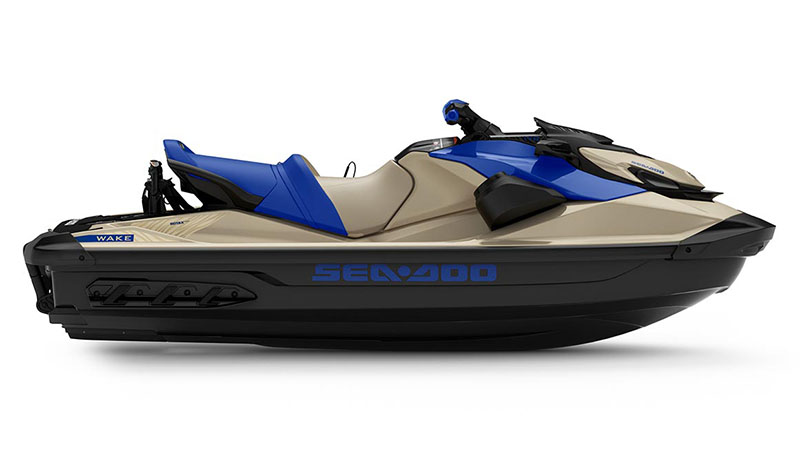
Most modern Sea-Doo models, especially those in the Wake and GTX lines, offer a retractable ski pylon as an option or standard feature. It can be raised for towing and lowered out of the way when not in use. The pylon typically has a soft grip handle for the spotter (the person sitting on the back to watch the rider), and sometimes rope holders to help manage slack.
The main jobs of a ski pylon are:
- Lifting the tow rope above water level
- Providing a secure attachment point
- Reducing rope spray and tangling
- Offering a handle for the spotter
But is this enough to make wakeboarding behind your Sea-Doo both fun and safe? Let’s look deeper.
How Wakeboarding Works And Why Tow Point Height Matters
Wakeboarding involves being towed behind a boat or PWC on a single board. The rider holds a handle attached to a rope, uses the boat’s speed to get up on the water, and rides across the wake for jumps and tricks.
Tow point height is critical in wakeboarding for three reasons:
- Easier Deep Water Starts: A higher tow point helps pull the rider upward, making it less tiring to get on top of the water.
- Less Rope Drag: When the tow rope stays above water, there’s less drag, so the rider can maintain control.
- Better Jumps: Advanced wakeboarders use the wake as a ramp for tricks. Higher tow points make it easier to get air.
Traditional wake boats often have towers rising 6–7 feet above the water. In contrast, a Sea-Doo ski pylon is much shorter—usually around 2–3 feet above the deck. This difference affects performance.

Can You Wakeboard With A Sea-doo Ski Pylon?
The short answer is yes, you can wakeboard with a Sea-Doo ski pylon. But the experience is not the same as wakeboarding behind a full-sized wake boat. Here’s what you need to know:
What Works Well
- Great for Beginners: Sea-Doo ski pylons make it easier for beginners and kids to start wakeboarding. The higher tow point compared to the basic rear hook helps with getting up and reduces water spray.
- Good for Fun and Learning: If you want to cruise, learn the basics, or pull kids around, a ski pylon is enough.
What’s Limited
- Small Wake Size: Sea-Doos create much smaller wakes than wake boats. This makes big jumps, spins, and advanced tricks very difficult.
- Tow Point Height: The ski pylon is not as high as a wake tower. Deep water starts are easier than from a low hook but still harder than behind a boat.
- Power and Speed: Most Sea-Doos can pull a single wakeboarder, but they may struggle with heavier riders or advanced tricks that require more speed or torque.
- Legal Limits: Some states or countries limit how many people you can tow, or require a spotter on board. Always check your local laws.
Notable Real-world Insight
Many users find wakeboarding behind a Sea-Doo with a ski pylon a great way to get started, especially on smaller lakes or when a full-size boat isn’t available. However, advanced riders quickly feel the limits—especially with wake size and air time.
Comparing Tow Points: Ski Pylon Vs Tow Hook Vs Wake Tower
To understand why the Sea-Doo ski pylon is a good, but not perfect, solution, let’s compare it with other common tow points.
| Tow Point | Height Above Water | Best For | Main Weakness |
|---|---|---|---|
| Rear Tow Hook | 6–12 inches | Tubing, basic skiing | Low tow, hard starts, rope drag |
| Sea-Doo Ski Pylon | 24–36 inches | Wakeboarding, kneeboarding, skiing | Not high enough for big jumps |
| Wake Tower (boat) | 6–7 feet | Advanced wakeboarding, tricks | Not available on PWCs |
The ski pylon is a big improvement over a simple tow hook. But it still isn’t as high as a real wake tower. This matters most if you want to do spins, flips, or other advanced moves.
Sea-doo Models With Ski Pylon Options
Not every Sea-Doo comes with a ski pylon. Some have it as a standard feature, while others offer it as an optional accessory. Below are some popular models and their ski pylon options:
| Sea-Doo Model | Ski Pylon Standard? | Notes |
|---|---|---|
| Wake Pro 230 | Yes | Best for water sports, includes ski mode |
| Wake 170 | Yes | Sport-focused, ski pylon included |
| GTX Limited | Optional | Accessory add-on |
| Fish Pro | No | Not designed for towing |
| RXT-X | Optional | Accessory add-on |
If you want to wakeboard, pick a model that has the ski pylon either included or as an easy add-on. The Wake series is the top choice for water sports.
How To Wakeboard With A Sea-doo Ski Pylon
Wakeboarding with a Sea-Doo ski pylon is straightforward, but you must follow proper steps and safety tips.
Preparation
- Check Equipment: Make sure the ski pylon is securely locked in the upright position. Inspect the tow rope for damage.
- Attach Rope Properly: Use a wakeboard-specific rope (typically 60–70 feet long). Clip it to the pylon’s tow eye.
- Wear Life Jackets: Every rider and spotter must wear an approved life vest.
- Assign a Spotter: Many places require a third person to act as a spotter, watching the rider at all times.
- Understand Local Laws: Check if there are age, speed, or distance limits for towing.
The Towing Process
- Deep Water Start: The wakeboarder starts in the water with the board facing up and knees bent. The driver applies slow, steady throttle.
- Accelerate Smoothly: Increase speed gradually to avoid jerking the rider. Ideal speed is 18–22 mph for most wakeboarders.
- Maintain Steady Course: Avoid sharp turns or sudden throttle changes.
- Watch for Hand Signals: Riders use hand signals to communicate (e.g., thumb up for faster, down for slower, slashing across neck to stop).
- Spotter Job: The spotter should hold the rear handle, watch the rider, and alert the driver if the rider falls.
Ending The Ride
- Slow down before making turns or stopping.
- Circle back quickly if the rider falls.
- Shut off the engine when picking up the rider to avoid injury.

Safety Tips And Common Mistakes
Wakeboarding behind a Sea-Doo is fun, but safety comes first. Many beginners make mistakes that can cause injury or damage equipment.
Top Safety Tips
- Never Overload: Check your Sea-Doo’s max weight limit. Overloading makes the craft unstable and illegal.
- Use the Right Rope: Wakeboard ropes are stronger and less stretchy than ski ropes.
- Spotter Always Needed: The driver can’t watch the rider and the waterway at the same time.
- Stay Clear of Other Boats: Sea-Doos are small and can be hard to see, especially when towing a rider.
- Check the Area: Avoid shallow water, debris, or busy boat lanes.
Common Mistakes
- Using the Wrong Tow Point: Don’t tie the rope to handrails or other parts not designed for towing.
- Starting Too Fast: Jerky starts can pull the handle out of the rider’s hands or cause a faceplant.
- Ignoring Local Laws: Fines and accidents are common when people skip the rules.
- Forgetting the Spotter: It’s tempting to go with only two people, but it’s not safe or legal in most places.
- Not Checking Connections: A loose pylon or frayed rope can fail suddenly.
One non-obvious tip: always check the pylon’s locking mechanism before every ride. Vibration and waves can loosen it over time.
What’s The Real Wakeboarding Experience Like With A Sea-doo?
Let’s be clear: wakeboarding behind a Sea-Doo with a ski pylon is a blast for first-timers, kids, and casual riders. It’s a great way to learn the basics and enjoy the water without needing a large, expensive wake boat.
Pros
- Affordable: PWCs cost much less than full-size wake boats.
- Easy Setup: No need to launch a big boat or manage complicated gear.
- Accessible: Great for smaller lakes or places where large boats aren’t allowed.
Cons
- Small Wake: You won’t get big air or do advanced tricks.
- Limited Seating: Most Sea-Doos only hold two or three people.
- Shorter Sessions: Less fuel capacity and storage than boats.
- Not for Groups: You can’t tow multiple riders at once.
A common surprise for new users is just how much fun wakeboarding on a Sea-Doo can be, even with the smaller wake. For most people, the convenience and fun outweigh the limitations.
Wakeboarding Performance: Sea-doo Vs Wake Boat
It helps to see the differences in key areas:
| Feature | Sea-Doo w/ Ski Pylon | Wake Boat |
|---|---|---|
| Wake Size | Small | Large, shaped for tricks |
| Max Riders | 1 at a time | Up to 2–3 (sometimes more) |
| Tow Point Height | 2–3 feet | 6–7 feet |
| Fuel Capacity | Small (1–2 hours) | Large (all day) |
| Cost | $$ | $$$$$ |
| Setup Time | Very quick | Longer |
If your main goal is learning or occasional fun, a Sea-Doo is perfect. If you want to master wakeboarding tricks, eventually you’ll want a proper wake boat.
Practical Advice For Getting The Most Out Of Your Sea-doo Ski Pylon
If you decide to wakeboard with a Sea-Doo ski pylon, here are some tips to maximize your enjoyment:
- Choose Calm Water: Early mornings or windless days are best. Small waves make getting up and riding much easier.
- Shorter Rope for Beginners: Start with a 50–55 ft rope to keep the rider closer to the craft and in the smoothest water.
- Adjust Speed for Skill: Go slower for kids (16–18 mph), faster for adults (18–22 mph).
- Practice Communication: Establish clear hand signals before starting.
- Upgrade Where Possible: If your Sea-Doo allows, consider adding a ski pylon if you don’t have one.
Another expert tip: keep a waterproof whistle or emergency signal device on the rider in case they fall far from the craft and need attention.
Legal And Insurance Considerations
Many people don’t realize that towing with a PWC has unique legal and insurance risks.
- Licensing: Some areas require a boating license or special safety course for towing sports.
- Insurance: Not all PWC insurance covers towing. Check your policy.
- Rules: You may be required to carry a fire extinguisher, horn, or other safety gear.
For up-to-date regulations, visit the U.S. Coast Guard’s official boating safety site.
Is Wakeboarding With A Sea-doo Ski Pylon Worth It?
The answer depends on your goals. If you want to learn wakeboarding, have fun with friends and family, or enjoy water sports without a huge investment, a Sea-Doo ski pylon is a fantastic option. The experience is friendly, affordable, and accessible.
However, if your dream is to do big air tricks and ride large wakes, you’ll eventually need a wake boat with a proper tower. The Sea-Doo is best for fun and learning, not serious competition.
Either way, the key is understanding both the strengths and limits of your equipment, following safety rules, and making the most of your time on the water.
Frequently Asked Questions
Can I Use A Regular Tow Rope For Wakeboarding With A Sea-doo Ski Pylon?
It’s best to use a wakeboard-specific rope. These are designed to be less stretchy and more durable, which means a smoother ride and less risk of snapping. Ski ropes or cheap ropes may stretch, making starts harder and increasing the chance of rope burn or failure.
Is It Safe To Wakeboard Behind Any Sea-doo?
Not every Sea-Doo is designed for towing. You need a model with enough power (usually 130 HP or more) and a secure tow point like a ski pylon. Always follow the manufacturer’s recommendations and never exceed the craft’s weight limit.
How Many People Can Ride On A Sea-doo While Towing A Wakeboarder?
Most Sea-Doos are rated for 2–3 people total. You must have a driver, a spotter, and the wakeboarder. The craft must not be overloaded, as this affects safety and handling.
Can I Add A Ski Pylon To My Existing Sea-doo?
On many models, yes. Sea-Doo sells retractable ski pylon kits that can be added to compatible models. Check your owner’s manual or talk to a dealer to see if your craft supports this upgrade.
What’s The Minimum Speed For Wakeboarding Behind A Sea-doo?
The ideal speed for wakeboarding is usually 18–22 mph. For young kids or beginners, you can start slower (around 16 mph). Going too slow makes staying on the water harder, while going too fast can be dangerous.
Wakeboarding with a Sea-Doo ski pylon opens up a world of fun for families and friends. With the right setup and safety precautions, you can enjoy the sport—even if you don’t have a massive wake boat. Always use the right equipment, respect the limits of your craft, and keep safety your top priority.

