

Owning a boat with a ski pylon opens up a world of fun on the water. Whether you love water skiing, wakeboarding, or tubing, a ski pylon is essential for pulling riders safely and smoothly. But many boat owners don’t realize that maintaining a ski pylon is just as important as maintaining the engine or hull. A neglected pylon can cause performance issues, safety hazards, and even costly repairs. This guide will show you how to keep your ski pylon in top shape, avoid common mistakes, and extend its life—so you can enjoy worry-free days on the lake.
Understanding Ski Pylons
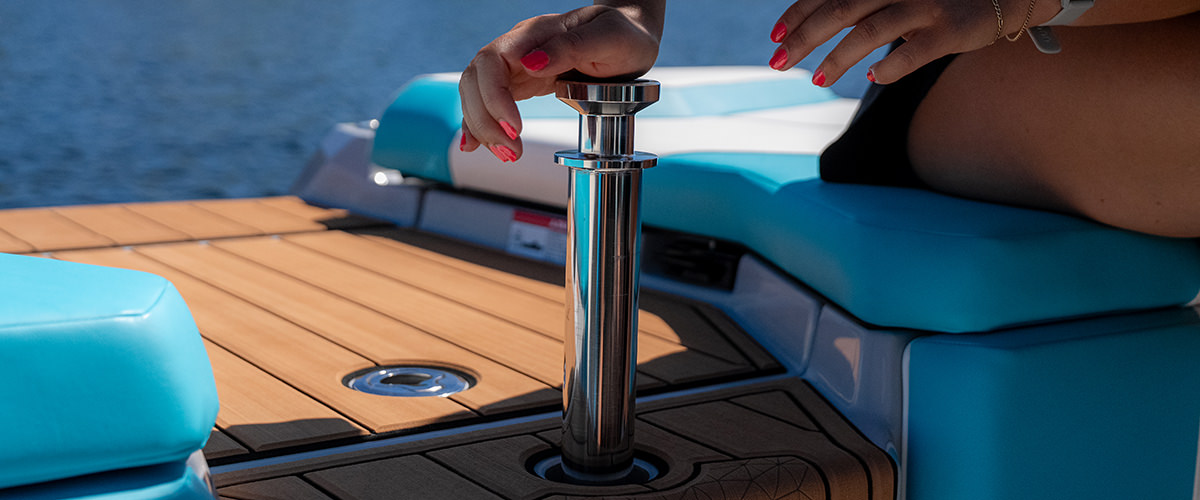
Before diving into maintenance, it’s important to know what a ski pylon is and why it matters. A ski pylon is a strong, vertical metal post installed on a boat. Its main job is to provide a secure attachment point for tow ropes. The pylon must handle heavy loads and sudden movements, especially when pulling riders. Most pylons are made of stainless steel or aluminum for strength and corrosion resistance.

36% off Today’s Exclusive Deals
Limited-time Exclusive Deals. Check current discount on Amazon.
Check Price on Amazon As an Amazon Associate I earn from qualifying purchases.Types Of Ski Pylons
Different boats require different ski pylon designs. Here are three common types:
- Fixed Pylons: Permanently mounted, usually on the floor or near the engine. They are strong but less flexible.
- Removable Pylons: Can be taken off and stored when not in use. These are popular for boats that serve multiple purposes.
- Adjustable Pylons: Height and angle can be changed. They suit families who switch between skiing and wakeboarding.
Each type has its own maintenance needs. For example, removable pylons need checks for wear on mounting points, while adjustable pylons require regular inspection of moving parts.
Ski Pylon Anatomy
A ski pylon typically includes:
- Base plate: Secures the pylon to the boat.
- Main post: The vertical shaft that carries the load.
- Tow hook or ring: Where the rope attaches.
- Mounting hardware: Bolts, washers, and brackets.
Knowing these parts helps you understand where problems might appear and what to check.
Why Ski Pylon Maintenance Is Essential
Many boaters underestimate the risks of neglecting their ski pylon. A weak or damaged pylon can fail suddenly, posing dangers to riders and passengers. Here’s why regular maintenance matters:
- Safety: Prevents accidents caused by breakage or loose hardware.
- Performance: Ensures smooth, reliable towing.
- Longevity: Protects your investment by avoiding early replacement.
- Compliance: Meets local boating regulations and insurance requirements.
According to the U.S. Coast Guard, mechanical failures are a leading cause of boating accidents. Ski pylons experience high stress, so they must be maintained just like engines or steering systems.
Routine Inspection Steps
Regular inspection is the foundation of ski pylon care. Most experts recommend checking your pylon at least once a month during boating season, or before every trip if you tow frequently.
Visual Inspection
Start by looking for obvious signs of wear:
- Cracks or dents: Especially in the main post or base plate.
- Corrosion: Rust, pitting, or discoloration, particularly on steel pylons.
- Loose hardware: Bolts, nuts, and washers should be tight.
- Bent parts: Check the tow hook and post for bending.
Don’t rely only on sight—run your fingers over joints and seams to feel for hidden flaws.
Physical Checks
Give the pylon a gentle shake. There should be no movement beyond a slight flex. If the pylon wiggles, inspect mounting points and hardware for looseness or damage.
Also, check the rope attachment point. The tow ring or hook should be smooth, with no sharp edges or burrs that could fray ropes.
Inspect Mounting Area
The area where the pylon connects to the boat often gets overlooked. Look for:
- Cracks in fiberglass or wood: Stress from towing can cause these.
- Water leaks: Moisture around the base may signal a problem.
- Soft spots: Press around the base plate—if the floor feels soft, it could mean rot or structural weakness.
Cleaning Your Ski Pylon
Keeping the pylon clean prevents corrosion and keeps it looking sharp. Here’s how to do it right:
What You Need
- Mild soap (boat or car wash)
- Soft sponge or cloth
- Fresh water
- Marine metal polish (for stainless steel)
- Protective wax (optional)
Cleaning Steps
- Rinse: Wash off salt, dirt, and debris with fresh water.
- Wash: Use mild soap and a sponge to clean the post, base, and hardware. Avoid harsh chemicals—they can damage metal or paint.
- Dry: Wipe down with a soft cloth to prevent water spots.
- Polish: Apply metal polish if your pylon is stainless steel. This protects against rust and keeps it shiny.
- Wax: For added protection, use marine wax. This helps repel water and slows corrosion.
Extra Tip
If your pylon is aluminum, avoid acidic cleaners—they can cause pitting. For painted pylons, never use abrasive pads.

Lubricating Moving Parts
Some ski pylons have moving parts, like adjustable height or swivel heads. These parts need regular lubrication to prevent sticking and wear.
How Often To Lubricate
- Monthly: For frequent use.
- Seasonally: If used less often.
Recommended Lubricants
- Marine-grade grease for joints and pivots.
- Silicone spray for easy movement.
Lubrication Process
- Clean the area first.
- Apply grease to joints, hinges, or adjustable sections.
- Wipe off excess to avoid attracting dirt.
- Operate the part to spread lubricant.
Common Mistake
Many people use household oils, which can wash away easily or attract grime. Always use marine-specific products.
Checking And Replacing Hardware
Bolts, nuts, and washers are small but critical. They hold the pylon in place and prevent accidents. Here’s how to keep them reliable:
What To Inspect
- Bolts: Look for rust, stretching, or stripped threads.
- Nuts: Check for tightness and corrosion.
- Washers: See if they are cracked or deformed.
Replacement Tips
- Use stainless steel hardware for best durability.
- Match sizes exactly—never use undersized bolts.
- Tighten bolts with a torque wrench if possible. Over-tightening can damage the mounting area.
Example Data
A typical ski pylon uses 3/8-inch stainless bolts rated for up to 2,000 pounds of force. If towing heavier loads, consult your boat manufacturer for specs.
Comparison Table: Stainless Steel Vs. Galvanized Hardware
| Feature | Stainless Steel | Galvanized Steel |
|---|---|---|
| Corrosion Resistance | Excellent | Good |
| Strength | High | Medium |
| Maintenance | Low | Medium |
| Cost | Higher | Lower |
Stainless hardware is best for ski pylons exposed to water.
Preventing Corrosion
Corrosion is the enemy of any metal component on a boat. Even stainless steel can corrode if neglected. Here’s how to protect your pylon:
Protective Measures
- Rinse after each use: Especially in saltwater.
- Apply corrosion inhibitors: Marine sprays can help.
- Cover when not in use: Sun and moisture speed corrosion.
Watch For Galvanic Corrosion
If your pylon is in contact with other metals, like aluminum or brass, galvanic corrosion can occur. This is a chemical reaction caused by different metals touching in water. It can quickly weaken the pylon.
Comparison Table: Saltwater Vs. Freshwater Maintenance
| Factor | Saltwater | Freshwater |
|---|---|---|
| Corrosion Risk | High | Low |
| Rinse Frequency | Every Use | Weekly |
| Metal Polish | Monthly | Seasonally |
| Hardware Check | Every Trip | Monthly |
Saltwater boating demands stricter maintenance routines.
Storing Your Ski Pylon
Proper storage prevents damage during the off-season. Here’s how to do it:
For Removable Pylons
- Clean before storage: Remove all dirt and moisture.
- Apply protective spray: For metal parts.
- Store in dry, cool place: Avoid direct sunlight or damp areas.
- Wrap with cloth: Prevent scratches.
For Fixed Pylons
- Cover with waterproof material: Protect from dust and moisture.
- Inspect periodically: Even in storage, check for corrosion or pests.
Extra Tip
Never store a wet pylon. Moisture can cause hidden corrosion, especially in joints and mounting holes.
Addressing Common Ski Pylon Problems
Even with good care, issues can arise. Here’s how to handle the most frequent problems:
Loose Pylon
If your pylon feels loose, tighten the mounting hardware. If the problem returns, inspect the boat floor for structural damage. Soft spots or cracks may require professional repair.
Corrosion
Minor surface rust can be removed with metal polish. For deep corrosion, replace affected parts. If the pylon itself is severely rusted, it’s safer to install a new one.
Bent Or Damaged Post
A bent pylon is unsafe. Never try to straighten it yourself—it can weaken the metal. Replace the post or the entire pylon.
Frayed Tow Ring
Replace the ring if it’s rough or damaged. A sharp edge can cut ropes or cause sudden failures.
Example Problem Table
| Problem | Cause | Solution |
|---|---|---|
| Loose pylon | Worn hardware or boat floor | Tighten bolts, check structure |
| Corrosion | Saltwater exposure | Clean, polish, replace if severe |
| Bent post | Overloading, impact | Replace post |
| Frayed ring | Wear or sharp edges | Replace ring |
Upgrading Your Ski Pylon
Sometimes, maintenance isn’t enough. If your pylon is old or undersized, consider upgrading. Modern pylons offer better strength, corrosion resistance, and features.
When To Upgrade
- Frequent repairs: If you’re always fixing issues.
- Higher loads: New tow sports need stronger pylons.
- Boat modifications: Changing boat layout may require a new pylon.
Choosing A New Pylon
Look for:
- Material: Stainless steel is best for durability.
- Load rating: Match to your towing needs.
- Compatibility: Check fit for your boat model.
For more information, visit BoatUS Maintenance Guide.
Non-obvious Insight
Some boaters install reinforced backing plates under the pylon base. This spreads the load and prevents damage to the boat floor—a smart upgrade for frequent towing.
Ski Pylon Maintenance Schedule
Keeping a maintenance calendar helps you stay organized and avoid missing critical checks. Here’s a sample schedule:
- Before each trip: Quick visual check, hardware tightness.
- Monthly: Deep cleaning, lubrication, corrosion check.
- Seasonally: Inspect mounting area, replace worn parts, store or cover pylon.
By following this routine, you reduce the risk of sudden failures and costly repairs.
Professional Maintenance And Repairs
Not all problems can be fixed at home. If you find major structural damage, severe corrosion, or recurring issues, call a marine specialist. Professional repair shops have tools and knowledge to safely fix or replace ski pylons.
Cost Data
- Minor repairs: $50–$150 (hardware replacement, cleaning)
- Major repairs: $200–$500 (post replacement, structural fixes)
- Full replacement: $300–$1,000+ (new pylon, installation)
Investing in professional help can save money in the long run by preventing accidents and bigger damage.
Frequently Asked Questions
How Often Should I Inspect My Ski Pylon?
Most experts recommend a monthly inspection during boating season. If you tow riders often or use your boat in saltwater, check before every trip.
What’s The Best Way To Clean A Ski Pylon?
Use mild soap, fresh water, and a soft cloth. For stainless steel, apply metal polish. Avoid harsh chemicals, which can damage the metal and mounting area.
Can I Use Household Hardware For My Ski Pylon?
No. Always use marine-grade stainless steel bolts and nuts. Household hardware rusts quickly and can fail under heavy loads.
What Should I Do If My Ski Pylon Is Bent?
Never try to straighten a bent pylon. Replace the post or the entire pylon. Bent metal loses strength and can break unexpectedly.
Do Ski Pylons Need Lubrication?
Yes, if they have moving parts like adjustable height or swivels. Use marine-grade grease or silicone spray monthly for smooth operation.
Final Thoughts
A well-maintained ski pylon is the key to safe, reliable fun on the water. Regular inspections, cleaning, and hardware checks keep your pylon strong and ready for action. Remember to watch for corrosion, lubricate moving parts, and store properly during the off-season.
If you spot serious issues, don’t risk it—call a professional. By following these tips, your ski pylon will last for years and keep your water sports adventures smooth and safe.

