Fishing is more than just catching fish; it’s a global activity rich with history, culture, and techniques. People fish for food, sport, relaxation, or as a way of life. Each type of fishing brings its own tools, strategies, and unique challenges.
If you’re curious about the different methods, or want to try something new, understanding the main types of fishing can open up a world of adventure.

36% off Today’s Exclusive Deals
Limited-time Exclusive Deals. Check current discount on Amazon.
Check Price on Amazon As an Amazon Associate I earn from qualifying purchases.This guide will walk you through the most important types of fishing, from simple freshwater angling to deep-sea expeditions. We’ll look at the gear involved, where each method is popular, what makes each style unique, and common mistakes to avoid.
You’ll also find real-world examples, useful tables, and practical advice—even if you’re just starting out. By the end, you’ll know which type of fishing matches your interests and how to get started safely and successfully.
Freshwater Fishing
Freshwater fishing is the most accessible style for most people. It takes place in rivers, lakes, ponds, and streams—basically, any water that isn’t salty.
Common Methods
- Bank Fishing: You fish from the shore with simple gear like a rod, reel, and bait. This is popular for beginners because it’s easy to start.
- Boat Fishing: You use a small boat to reach deeper parts of a lake or river.
- Fly Fishing: This uses lightweight lures called flies. The technique is different from normal casting and often targets trout and salmon.
- Ice Fishing: Done on frozen lakes, you drill a hole in the ice and drop your line below. Special clothing and safety gear are needed.
Popular Species
- Bass (largemouth and smallmouth)
- Trout
- Catfish
- Crappie
- Carp
Gear Needed
- Rods and reels (spinning or baitcasting)
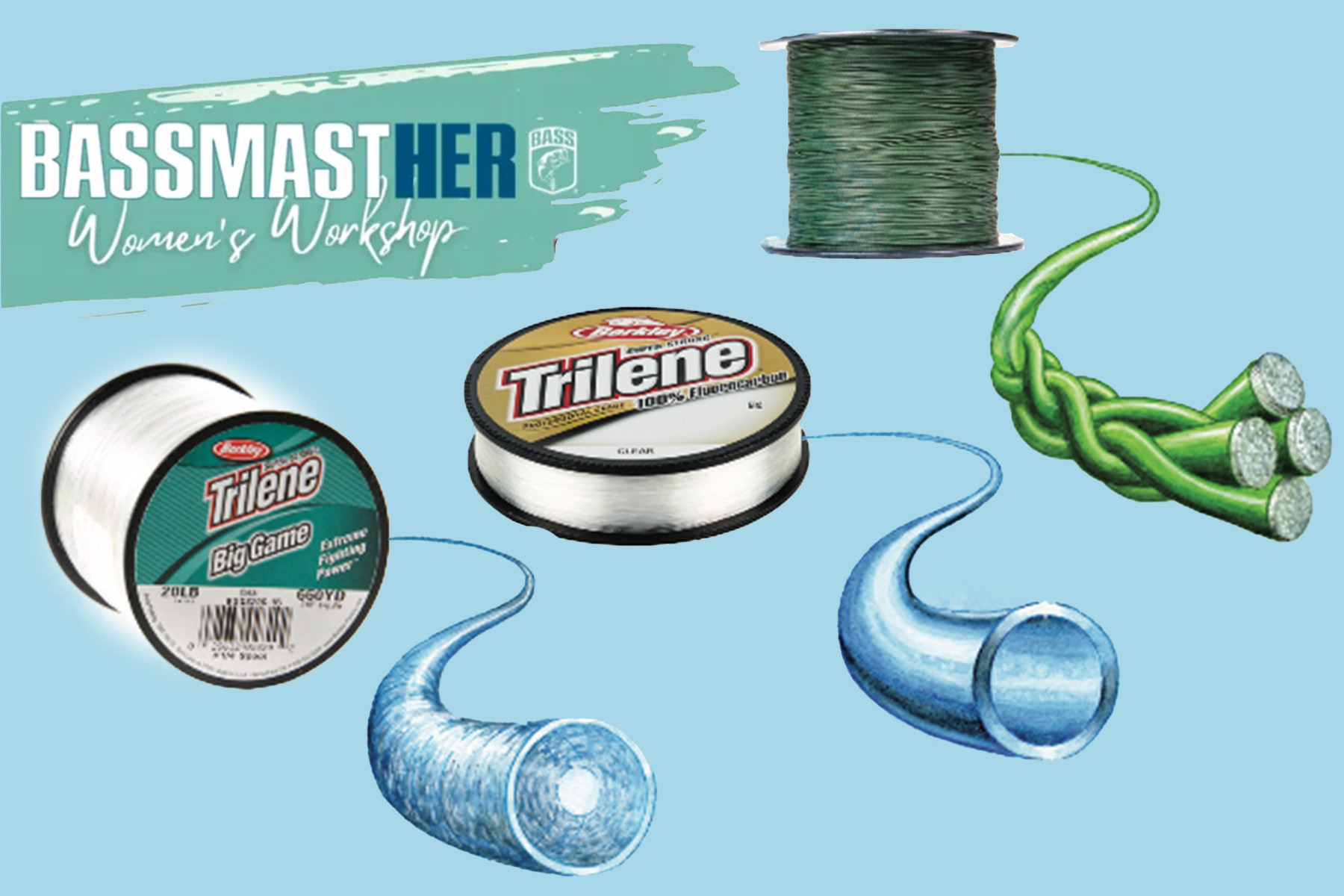
- Fishing line (6–20 lb test, depending on species)
- Hooks, sinkers, and floats
- Live bait (worms, minnows) or lures (plastic worms, spinners)
Practical Insights
Many beginners think the fanciest rod catches more fish, but in reality, location and bait choice matter more. Early morning and late evening are usually the best times to fish in freshwater.
Data Comparison
Here’s a look at the average sizes and best seasons for popular freshwater fish:
| Species | Average Size (lbs) | Best Season | Common Regions (US) |
|---|---|---|---|
| Bass | 2–8 | Spring/Summer | Southeast, Midwest |
| Trout | 1–4 | Spring/Fall | Rocky Mountains, Northeast |
| Catfish | 2–10 | Summer | South, Midwest |
Saltwater Fishing
Saltwater fishing takes place in oceans and seas. It’s more challenging than freshwater fishing due to stronger fish, larger bodies of water, and varying conditions.
Main Styles
- Surf Fishing: Casting from the beach into the surf zone. You need longer rods and heavier gear.
- Pier Fishing: Fishing from a pier built over the water. This is a good way to reach deeper water without a boat.
- Inshore Fishing: Fishing in shallow coastal waters, often from small boats.
- Offshore (Deep Sea) Fishing: Going far from shore to catch large species like tuna, marlin, and sharks.
Saltwater Species
- Redfish
- Snook
- Flounder
- Tarpon
- Tuna
- Mahi-mahi
- Sharks
Equipment Essentials
- Heavier rods and reels (able to handle 20–80 lb test line)
- Saltwater-resistant gear (to avoid rust)
- Live or cut bait (shrimp, squid, mullet)
- Artificial lures (jigs, spoons, plugs)
Key Insights
Saltwater fishing requires regular gear cleaning. Salt is very corrosive and can ruin your equipment fast. Also, always check local regulations—many saltwater areas have strict size and bag limits.
Cost And Gear Comparison
Let’s see how starting costs differ between surf, inshore, and offshore fishing:
| Type | Starter Gear Cost (USD) | Common Bait/Lures | Typical Fish Size (lbs) |
|---|---|---|---|
| Surf | $100–$300 | Live shrimp, cut bait, spoons | 2–10 |
| Inshore | $200–$600 | Jigs, live mullet, shrimp | 2–20 |
| Offshore | $500–$3,000+ | Trolling lures, squid, live bait | 10–500 |
Fly Fishing
Fly fishing is known for its beauty and skill. It uses lightweight flies (artificial lures that look like insects) and special casting techniques. This method is popular in rivers and streams, especially for catching trout and salmon.
Main Features
- Light tackle and flexible rods
- Floating lines for delicate presentations
- Casting skill is crucial—distance matters less than accuracy
- Wading (standing in the water) is common
Notable Locations
- Rocky Mountains (US)
- Scottish Highlands
- New Zealand rivers
Unique Insights
Many people think fly fishing is only for trout in mountain streams. In fact, fly fishing is used for bass, pike, and even saltwater fish. The real challenge is learning the cast and “reading” the water for where fish are feeding.
Common Mistakes
- Using the wrong fly size
- Casting too much and spooking fish
- Ignoring weather and water clarity
Fly Types
- Dry flies (float on the surface)
- Nymphs (sink below the surface)
- Streamers (imitate small fish)
Ice Fishing
Ice fishing is a unique winter sport in colder climates. You fish through holes drilled in the ice of frozen lakes.
How It Works
- Drill a hole (usually 6–10 inches wide)
- Set up a shelter (optional, for warmth)
- Drop bait or a lure below the ice
- Use tip-ups (devices that signal a bite)
Gear Needed
- Short rods (24–36 inches)
- Ice auger (to drill holes)
- Insulated clothing
- Buckets or portable shelters
Safety Tips
Always check ice thickness—at least 4 inches for walking, 8–12 inches for vehicles. Bring a friend and have safety spikes handy. Falling through thin ice is a real risk.
Species Targeted
- Perch
- Walleye
- Northern pike
- Trout
Non-obvious Insights
Fish are less active in winter, so patience is important. Use smaller baits and lighter lines for better results. Many ice anglers use sonar “flashers” to locate fish under the ice.
Deep Sea Fishing
Deep sea fishing (offshore fishing) targets large fish in open ocean waters, usually far from land.
Typical Targets
- Marlin
- Sailfish
- Tuna
- Mahi-mahi
- Sharks
Boats And Gear
- Sportfishing boats (20–60+ feet)
- Heavy-duty rods and reels
- Special harnesses for fighting big fish
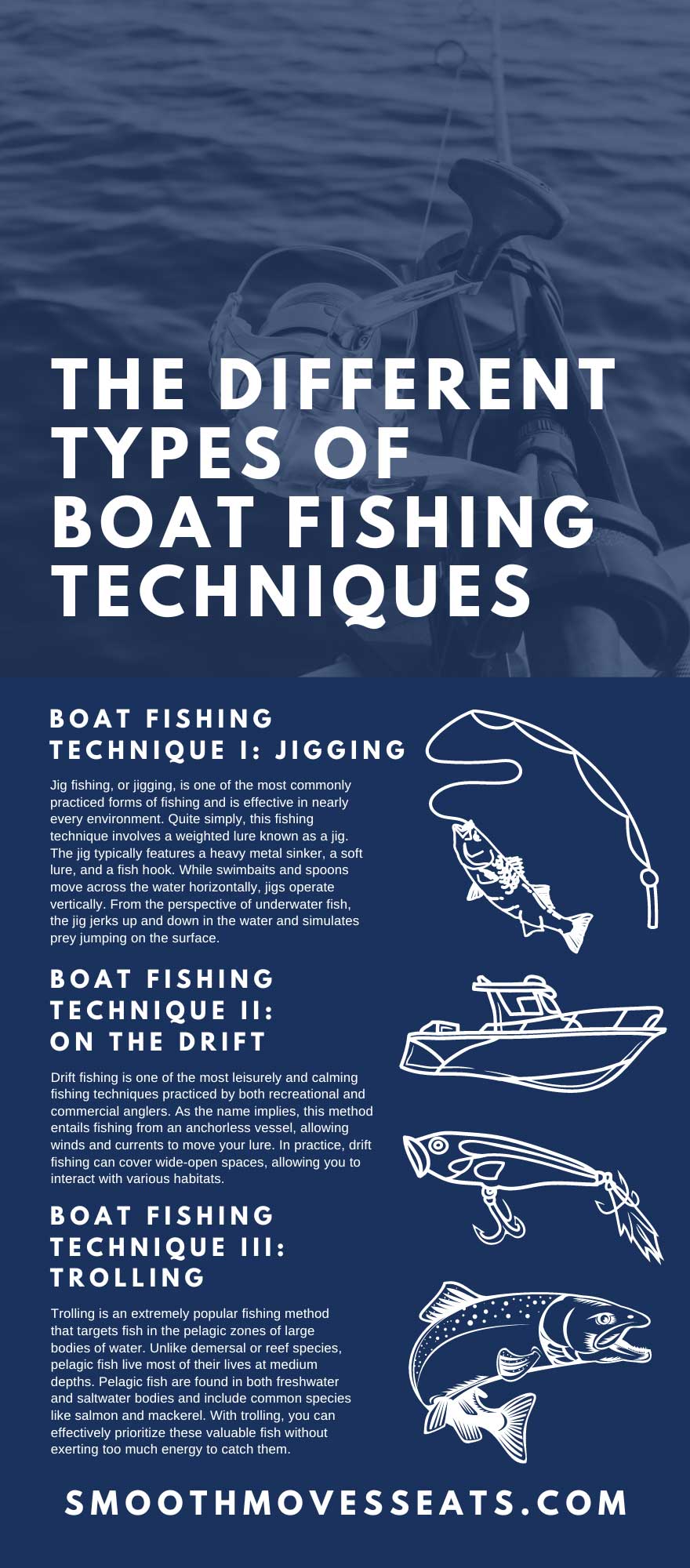
- Trolling (pulling lures behind the boat)
What Makes It Unique
Battling a 100-pound fish in deep water is an intense experience. Trips often last all day and require teamwork. Weather and sea conditions can change quickly, making safety and preparation critical.
Cost And Accessibility
Deep sea fishing is the most expensive type. Charters can cost $800–$2,000+ per day, but you often share the boat with others. Many people try it once for the adventure.
Common Mistakes
- Not bringing seasickness medicine
- Underestimating the strength of ocean fish
- Poor communication with the boat crew
Sport And Recreational Fishing
Many people fish for fun or competition rather than food. Sport fishing covers all environments—freshwater, saltwater, even fly and ice fishing.
Tournaments And Records
- Bassmaster Classic: Major bass fishing tournament in the US
- IGFA World Records: International records for largest fish of each species
Catch And Release
Sport anglers often release fish to protect populations. Special hooks and handling methods reduce harm to the fish.
Essential Skills
- Reading water for fish “structure” (like logs or rocks)
- Choosing the right lure or bait for current conditions
- Following local fishing laws and respecting limits
Non-obvious Insights
Many beginners don’t realize that a fishing license is required in most places, even for catch and release. Failing to get one can lead to fines.

Commercial Fishing
Commercial fishing is a business. Large boats and crews catch fish for sale, using nets, long lines, or traps. This industry feeds millions but faces sustainability challenges.
Main Types
- Trawling: Dragging large nets behind a boat to catch fish like cod or haddock.
- Longlining: Setting long lines with many hooks for tuna, swordfish, and halibut.
- Purse Seining: Using a large net to surround a school of fish, then closing it like a purse.
- Pot Fishing: Using cages or traps for crabs, lobsters, or shrimp.
Scale And Impact
Commercial fishing is big business. For example, in 2021, the US commercial fishing industry landed over 8.4 billion pounds of seafood, valued at more than $5.3 billion.
Sustainability Concerns
Overfishing and bycatch (catching unwanted species) are serious issues. Many governments and organizations now set quotas and use science-based rules to help fish populations recover.
Common Misunderstandings
Some think all commercial fishing is harmful. In reality, many fisheries now use sustainable practices and eco-labels to protect the oceans.
Spearfishing
Spearfishing is one of the oldest fishing methods. It involves hunting fish underwater with a spear or spear gun.
Techniques
- Free diving: Holding your breath and diving without tanks
- Scuba diving: Using tanks to stay underwater longer
- Pole spears and spear guns: Main tools for catching fish
Where It’s Popular
- Mediterranean Sea
- Australia’s Great Barrier Reef
- Caribbean islands
Safety And Challenges
Spearfishing is physically demanding. You need to be a strong swimmer and know local marine life. In some regions, sharks are a risk, and there are strict rules about what you can catch.
Non-obvious Insights
Spearfishing has almost no bycatch, making it more sustainable than most commercial methods. However, it requires good judgment, as it’s easy to over-harvest in small areas.
Bowfishing
Bowfishing uses specialized bows and arrows to shoot fish in shallow water. It’s usually done from a boat or the shore, often at night using bright lights.
Common Targets
- Carp
- Gar
- Catfish
- Tilapia
Gear Needed
- Bow with reel
- Special arrows (with barbed tips)
- Polarized sunglasses (for seeing fish)
- Boat with lights (for night fishing)
Unique Factors
Bowfishing is both hunting and fishing. Accuracy is more important than casting skill. Many states encourage bowfishing for invasive species, helping control their numbers.
Practical Tips
Refraction (bending of light in water) makes fish look higher than they are. You have to aim below the fish to hit your target—this is a common beginner mistake.
Net Fishing
Net fishing uses different types of nets to catch fish, either by hand or from boats.
Popular Types
- Cast Nets: Circular nets thrown by hand to catch bait fish in shallow water.
- Gill Nets: Set vertically in water to trap fish by their gills.
- Seine Nets: Dragged through water to surround and catch fish.
Where It’s Used
- Coastal communities
- Rivers and estuaries
- Commercial and subsistence fishing
Environmental Impact
Net fishing can be efficient, but it can also catch non-target species and damage habitats. Many areas now limit net use or require special permits.
Non-obvious Insights
Cast netting is a skill that takes practice. Beginners often throw too hard or too soft, causing the net to tangle and scare fish away.
Trolling
Trolling means dragging bait or lures behind a moving boat. It’s used in both freshwater and saltwater.
Main Targets
- Walleye
- Pike
- Salmon
- Tuna
- Mackerel
Gear And Setup
- Trolling rods and reels
- Downriggers (to control lure depth)
- Multiple lines (to cover more water)
Advantages
You can cover large areas and target fish at different depths. Trolling is popular on big lakes and the open sea.
Common Mistakes
- Running lures too close together, causing tangles
- Moving too fast or too slow for the target species
Handline Fishing
Handline fishing is one of the oldest and simplest ways to catch fish. You use a single fishing line with bait, held in your hand instead of a rod.
Where It’s Used
- Small rivers and ponds
- Off boats in developing countries
- Survival situations
Target Species
- Panfish
- Catfish
- Snapper
Pros And Cons
Handlining is cheap and easy but gives less control over the fish. It’s a good way for beginners to learn about bait, fish behavior, and bite detection.
Comparison: Popular Fishing Types
Here’s a summary comparison to help you choose the right type for your needs:
| Fishing Type | Best For | Skill Level | Main Equipment |
|---|---|---|---|
| Freshwater | Beginners, families | Easy–Intermediate | Rod, reel, bait |
| Saltwater | Adventure, big fish | Intermediate–Expert | Heavy rods, saltwater gear |
| Fly Fishing | Nature lovers, challenge seekers | Intermediate–Expert | Fly rod, flies |
| Ice Fishing | Winter sports, cold climates | Beginner–Intermediate | Short rod, auger |
| Deep Sea | Adventure, trophy fish | Expert | Heavy rods, boat |
| Spearfishing | Active hunters, divers | Expert | Spear gun, fins |
| Bowfishing | Archers, invasive species control | Intermediate | Bow, arrows |
| Net Fishing | Bulk catch, bait | Beginner–Expert | Nets |
How To Choose The Right Type Of Fishing For You
Choosing a fishing style depends on your goals, location, budget, and personal interests. Consider these factors:
- Location: Are you near lakes, rivers, or the ocean? This will narrow your choices.
- Budget: Freshwater and handline fishing are the most affordable. Offshore and fly fishing can be expensive.
- Physical ability: Some types, like spearfishing and deep sea, require more strength and stamina.
- Time available: Bank fishing and handlining can be done in an hour. Deep sea and ice fishing trips may take all day.
- Social aspect: Some people love fishing alone; others enjoy group trips or tournaments.
If you’re new, start simple. Try freshwater bank fishing or pier fishing—these are low cost and easy to learn. As you gain experience, you can branch out to more specialized styles.
The Role Of Conservation In Fishing
Modern fishing isn’t just about catching fish. Conservation is more important than ever. Overfishing, habitat loss, and pollution threaten fish populations worldwide.
Best Practices
- Catch and release when possible, especially for rare or breeding fish
- Follow local regulations (size and bag limits, seasonal closures)
- Use barbless hooks to reduce injury
- Pick up litter and avoid damaging plants and habitats
- Report invasive species if you catch them
By fishing responsibly, you help protect waters for future generations.
Cultural And Economic Importance
Fishing is a key part of many cultures. For example, the Japanese practice of “ayu” fishing uses special rods and live decoys, while in Norway, cod fishing is a centuries-old tradition. In many coastal communities, fishing is the main source of income and protein.
The global fishing industry is huge—worth over $400 billion per year according to the Food and Agriculture Organization. Sport fishing alone adds billions to local economies through tourism, gear sales, and events.
Safety And Legal Considerations
Safety should always come first. Drowning, sunburn, dehydration, and accidents with sharp hooks or knives are real risks. Always tell someone where you’re going and check the weather before fishing.
Most places require a fishing license, even for catch and release. Some types (like net, bow, or spearfishing) require special permits. Check state or national regulations before you fish.
For more details on fishing safety and rules, see the National Park Service’s fishing page.
Frequently Asked Questions
What Is The Easiest Type Of Fishing For Beginners?
Freshwater bank fishing is usually the easiest. You need minimal gear, and it’s easy to learn basic casting and baiting skills. Ponds and small lakes are great places to start.
What Is The Difference Between Freshwater And Saltwater Fishing?
Freshwater fishing happens in lakes, rivers, and streams, using lighter gear and targeting smaller fish. Saltwater fishing takes place in oceans and seas, needs heavier equipment, and targets larger, stronger fish.
Is Fly Fishing Only For Trout?
No. While fly fishing is famous for trout and salmon, people use fly rods for bass, pike, panfish, and even saltwater species like bonefish. It’s a versatile method if you learn different casting techniques.
Do I Need A License To Fish?
In most countries and US states, you need a fishing license for both freshwater and saltwater fishing, even if you plan to release the fish. Special types like bowfishing or netting may need extra permits.
How Can I Fish Responsibly?
Follow all regulations, use proper gear, release fish you don’t plan to eat, and avoid polluting the water. Respect other anglers and wildlife, and learn about local conservation rules.
Fishing is a lifelong journey with endless variety. Whether you’re after dinner, a trophy catch, or just peace and quiet by the water, there’s a style of fishing for everyone. Choose the right method for your situation, fish responsibly, and enjoy all that the world’s waters have to offer.