

Choosing the right wakeboard tower height is more important than many boat owners realize. The tower is not just a flashy accessory—it affects your riding experience, boat safety, and even how you interact with your friends and family on the water.
If you pick a tower that’s too low, you might struggle with tricks and jumps. If it’s too high, you could face stability issues or have trouble storing your boat. So, how tall should a wakeboard tower be? Let’s break down the key factors, real-world measurements, and expert tips to help you make a confident decision.

36% off Today’s Exclusive Deals
Limited-time Exclusive Deals. Check current discount on Amazon.
Check Price on Amazon As an Amazon Associate I earn from qualifying purchases.What Is A Wakeboard Tower?
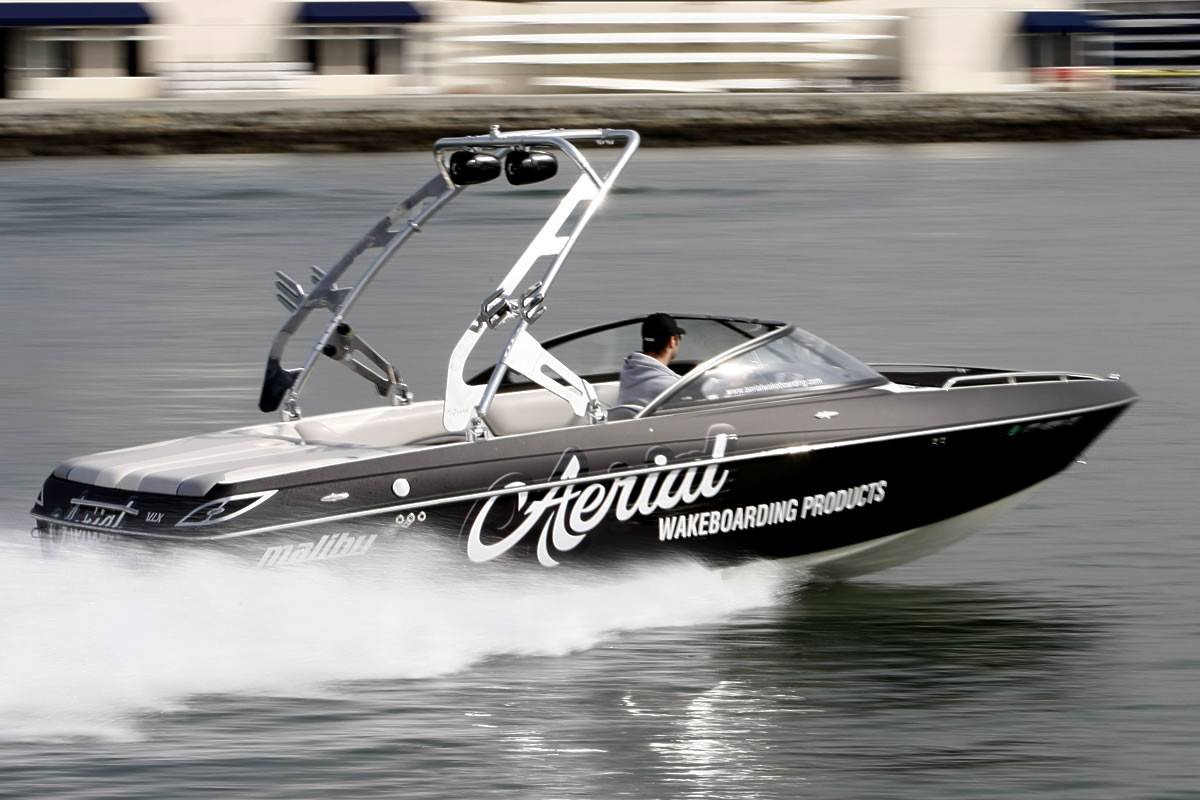
A wakeboard tower is a metal frame attached to your boat. It lifts the tow point higher above the water than a regular ski pole or transom hook. This higher tow point gives wakeboarders a better pull, helping them get more air for jumps and tricks.
Towers also support speakers, lights, racks, and other gear.
Most towers are made from aluminum or stainless steel. They’re designed to fold down for storage or transport. The height, shape, and mounting position can vary between brands and boat types.
Why Tower Height Matters
The height of your wakeboard tower changes how you ride. Here’s why it matters:
- Jump Height: A taller tower lifts the tow rope, helping riders get more air for jumps.
- Rope Angle: The rope stays above the water, reducing drag and making tricks easier.
- Boat Storage: Taller towers may not fit in garages or under bridges.
- Stability: Very tall towers can make smaller boats feel less stable, especially in rough water.
- Safety: Too-high towers can increase stress on mounting points and risk damage.
Wakeboard tower height is not just about personal preference; it affects performance and safety. Beginners often miss the impact of height on rope angle and jump dynamics.
Typical Wakeboard Tower Heights
Most commercial wakeboard towers have a height range. The most common heights are:
- 5 feet (60 inches) above deck: Standard for many boats.
- 6 feet (72 inches) above deck: Popular for larger boats and advanced riders.
- 4 feet (48 inches) above deck: Found on compact boats and crossover models.
Let’s compare some real-world examples:
| Brand | Model | Tower Height (inches) | Boat Type |
|---|---|---|---|
| Monster Tower | MTK | 68 | Runabout |
| Roswell | Area 53 | 62 | Wake Boat |
| Origin | Pro Tower | 64 | Bass Boat |
| Samson | Sentry Tower | 72 | Ski Boat |
Most towers sit between 62–72 inches above the deck. This gives enough height for jumps without making storage difficult.
How To Measure Tower Height
To measure wakeboard tower height:
- Stand on the boat deck where the tower will mount.
- Measure straight up from the deck to the highest point of the tower.
- If the tower folds, measure both the upright and folded height.
Remember, the deck-to-tower height is what matters—not the height above the waterline. Boats with deeper hulls will have a higher tower relative to the water.
For example, a tower that is 68 inches above deck may be 90 inches above the water, depending on boat design.
Key Factors When Choosing Tower Height
Tower height is not just about numbers. Here are the real factors to consider:
1. Rider Skill Level
- Beginner: Shorter towers (48–60 inches) are easier for learning and safer.
- Intermediate: Medium towers (60–68 inches) offer more air for jumps.
- Advanced: Taller towers (68–72 inches) allow bigger tricks but require strong boat mounts.
2. Boat Size
Small boats (under 20 feet) work best with towers under 65 inches. Large boats can handle taller towers.
| Boat Length | Recommended Tower Height | Reason |
|---|---|---|
| 16–18 ft | 48–62 in | Stability, storage |
| 19–21 ft | 60–68 in | More air, stronger hull |
| 22+ ft | 68–72 in | Advanced tricks, space |
3. Storage And Transport
If you store your boat in a garage, check ceiling height. Many garages are 7–8 feet tall. Foldable towers help but measure carefully.
4. Mounting Strength
Higher towers put more pressure on mounting points. Make sure your boat’s hull is strong enough. Always use backing plates and quality hardware.
5. Accessories
Taller towers give more space for speakers, lights, and board racks. Short towers can feel crowded.
6. Legal Restrictions
Some areas limit boat height for bridges or docks. Check local regulations before choosing an extra-tall tower.
The Science Behind Tower Height
Many riders don’t realize the physics involved. The tow rope angle changes with tower height.
- Low tow point: Rope pulls down, making it hard to jump.
- High tow point: Rope pulls up, helping riders lift off the wake.
A study by the American Waterski Association found that a 68-inch tower improves jump height by up to 20% compared to a standard transom tow.
But a tower that’s too high can create side-to-side instability. The higher the tower, the more leverage wind and waves have.
Common Mistakes When Choosing Tower Height
Avoid these mistakes:
- Ignoring boat size: Don’t pick a tall tower for a small boat.
- Overlooking storage needs: Measure garage or dock clearance.
- Assuming “bigger is better”: Extra height can cause instability.
- Forgetting about mounting strength: Weak hulls may crack.
- Not checking local laws: Some lakes have height restrictions.
Beginners often think only about jump height. They miss how tower height affects boat handling and safety.
Real-world Examples
Let’s look at two scenarios:
Case 1: Family Runabout Boat (18 ft)
- Installed a 70-inch tower.
- Result: Tower felt unstable in choppy water. Had trouble fitting in garage.
- Solution: Switched to 62-inch tower. Stability improved; fit in storage.
Case 2: Tournament Wake Boat (22 ft)
- Installed a 72-inch tower.
- Result: Riders achieved bigger jumps and could mount more accessories.
- Boat handled well due to larger hull and strong mounts.
These examples show that matching tower height to boat size and use is critical.
Custom Vs Universal Towers
You can buy custom towers made for your boat or universal towers that fit many models. Custom towers often fit better and look cleaner. Universal towers are cheaper and easy to install.
Custom towers can be built to your exact height needs. Universal towers usually offer adjustable heights, but only within a set range.
| Type | Height Range | Pros | Cons |
|---|---|---|---|
| Custom | Any (built to order) | Perfect fit, matched style | Expensive, longer wait |
| Universal | 48–72 in | Easy install, lower cost | May not fit perfectly |
Wakeboard Tower Height For Other Water Sports
Wakeboard towers are also used for waterskiing, kneeboarding, and tubing. For these sports:
- Waterskiing: Lower towers (48–60 inches) are safer; high towers can make slalom harder.
- Kneeboarding: Medium towers (60–68 inches) work well.
- Tubing: Lower towers preferred; higher towers risk flipping the tube.
If you want a multi-sport tower, aim for 60–68 inches above deck.
Installation Tips
Proper installation matters as much as height. Here are some tips:
- Use backing plates: Prevent hull cracks.
- Check for wiring: Avoid drilling through cables.
- Seal mounting holes: Stop leaks.
- Align mounts: Keep tower balanced.
- Test before final tightening: Make sure height feels right.
Always follow the manufacturer’s instructions. If unsure, use a professional installer.
Wakeboard Tower Height Vs. Performance
Tower height changes the riding experience:
- Short towers: Less air, easier storage, safer for beginners.
- Medium towers: Good for most riders, balance of jump height and stability.
- Tall towers: Maximum air, best for advanced tricks, more risk for small boats.
A survey by Wakeboarding Magazine found most riders prefer towers between 62–68 inches for all-around use.
How To Decide The Best Height For Your Needs
Here’s a step-by-step guide:
- Measure your boat’s deck height.
- Set your main use: Wakeboarding, waterskiing, or multi-sport?
- Check storage and transport limits.
- List accessory needs: Speakers, racks, lights?
- Check local height restrictions.
- Match tower height to rider skill.
Try using a broomstick or PVC pipe to simulate tower height before installing. This helps you visualize clearance and rope angle.
Is Adjustable Tower Height Useful?
Some towers offer adjustable height. These are useful for:
- Families: Change height for kids and adults.
- Multi-sport use: Lower for skiing, higher for wakeboarding.
- Storage: Lower tower for garage, raise for riding.
But adjustable towers usually cost more and add complexity. For most users, a fixed-height tower works well.
Wakeboard Tower Height And Rope Length
Rope length interacts with tower height. Most wakeboarders use ropes 65–75 feet long. Higher towers let you use longer ropes, which helps advanced tricks.
But longer ropes make timing jumps harder for beginners. Match rope length to tower height and rider skill.
Wakeboard Tower Height And Boat Handling
Tower height affects boat handling, especially in wind and waves. Taller towers act like sails, catching wind and making steering harder.
If you ride in windy conditions, choose a lower or medium-height tower.
Wakeboard Tower Height And Accessories
Accessories can add weight and size to your tower. Speakers, lights, and racks all increase wind resistance. Make sure your tower is strong enough.
Plan accessory placement before installing your tower. Overloading a tall tower risks damage or instability.
Wakeboard Tower Height: Maintenance And Safety
Inspect your tower regularly:
- Check for loose bolts.
- Inspect mounting hardware.
- Look for cracks in the hull.
- Test fold-down mechanisms.
High towers need extra care. Wind and waves stress the mounts more. If you notice movement or cracks, lower the tower or reinforce mounts.

Wakeboard Tower Height: Cost Considerations
Taller towers often cost more. Custom towers can run $2,000–$5,000. Universal towers are $800–$1,500.
Installation costs add $300–$700. Accessories can add another $500–$2,000. Make sure your budget matches your needs.
Wakeboard Tower Height: Trends And Innovations
Modern towers use lightweight aluminum, folding designs, and integrated accessories. Some brands offer smart towers that adjust height with a button.
A recent innovation is the automatic folding tower, useful for low bridges and storage. These towers cost more but offer flexibility.
For more on wakeboard tower technology, check Wakeboarding Magazine.
Frequently Asked Questions
How Do I Measure My Boat For A Wakeboard Tower?
Stand on the deck and measure straight up to the desired tower height. Check the maximum height for storage and transport. Always measure from deck, not waterline.
Can I Install A Tall Tower On A Small Boat?
It’s risky. Tall towers on small boats can cause instability and hull damage. Stick to recommended heights (48–62 inches) for boats under 18 feet.
Will A Taller Tower Help Me Jump Higher?
Yes, a taller tower gives a better rope angle and helps you get more air. But too tall can cause instability and stress mounts.
Are Adjustable Towers Worth The Extra Cost?
Adjustable towers are useful for multi-sport families and storage needs. They cost more and require careful installation, but offer flexibility.
What’s The Best Wakeboard Tower Height For Families?
For mixed skill levels and sports, choose a tower between 60–68 inches above deck. This gives a good balance of jump height, stability, and accessory space.
Choosing the right wakeboard tower height is a mix of science, experience, and practicality. It’s not just about bigger jumps—it’s about safe, fun, and easy boating. Measure carefully, match tower height to your boat and needs, and enjoy your time on the water.
The perfect tower height will make every ride smoother and every jump higher.

