

Building muscle is a goal for many people, but the path can feel confusing. With so much advice online, it’s easy to get lost in details and miss what really works. The truth is, gaining muscle is possible for anyone, no matter your age or experience.
You just need the right knowledge, a smart plan, and patience to see results. In this guide, you’ll learn exactly how to build muscle—step by step—with clear explanations, proven methods, and tips that help you avoid common mistakes. Whether you want to look stronger, improve your health, or boost confidence, this article will show you how to turn your efforts into real results.

36% off Today’s Exclusive Deals
Limited-time Exclusive Deals. Check current discount on Amazon.
Check Price on Amazon As an Amazon Associate I earn from qualifying purchases.Understanding Muscle Growth
Before starting, it helps to know what actually causes muscles to grow. When you lift weights or do resistance exercises, you create tiny tears in your muscle fibers. Your body repairs these tears, making the muscle stronger and a bit bigger. This process is called muscle hypertrophy.
Muscle growth depends on a few key factors:
- Mechanical tension: The force your muscles use to lift weights.
- Muscle damage: Small injuries to muscle fibers during tough workouts.
- Metabolic stress: The build-up of substances like lactic acid, which happens when you push your muscles hard.
Genetics play a role, but everyone can get stronger and bigger with the right routine. Age, diet, and sleep also affect how fast you see results.
Setting Realistic Goals
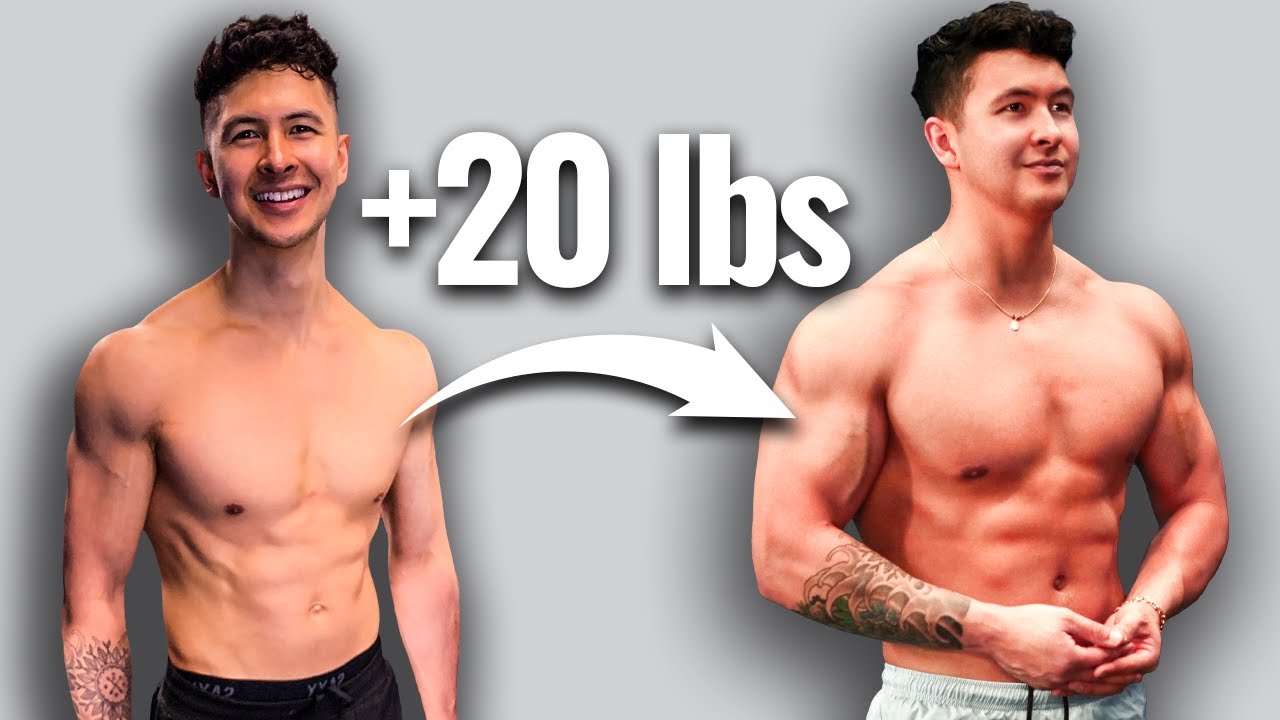
Setting clear and realistic goals helps you stay motivated. Most beginners can expect to gain 1–2 pounds of muscle per month with proper training and nutrition. Advanced lifters gain muscle more slowly.
Goals should be:
- Specific: “I want to gain 5 pounds of muscle in 3 months.”
- Measurable: Use a scale, tape measure, or progress photos.
- Achievable: Don’t expect to look like a fitness model overnight.
- Time-based: Set a deadline to check your progress.
Tracking your progress weekly or monthly helps you adjust your plan and celebrate small wins.
The Basics Of Strength Training
To build muscle, you must challenge your body with resistance training. This means working against a force, like weights, bands, or your own body weight.
Types Of Resistance Training
- Free weights (dumbbells, barbells): These allow natural movement and work many muscles at once.
- Machines: Good for beginners, as they guide your movement and reduce injury risk.
- Bodyweight exercises: Push-ups, squats, and pull-ups are great for home workouts.
- Resistance bands: Useful for travel or light workouts.
No single type is “best. ” Mixing different tools can keep your workouts fresh and balanced.
Key Strength Training Principles
- Progressive overload: You must gradually increase the weight, reps, or sets over time. This signals your body to grow stronger and build more muscle.
- Volume: This is the total amount of work you do, usually measured as sets x reps x weight. More volume (with good form) usually means more muscle growth.
- Frequency: How often you train a muscle group each week. Most experts recommend training each muscle group 2–3 times per week for best results.
Sample Weekly Training Split
Here’s an example of how you might organize your workouts:
| Day | Muscle Group | Example Exercises |
|---|---|---|
| Monday | Chest & Triceps | Bench Press, Push-Ups, Triceps Dips |
| Tuesday | Back & Biceps | Pull-Ups, Rows, Biceps Curls |
| Wednesday | Legs | Squats, Lunges, Leg Curls |
| Thursday | Rest | — |
| Friday | Shoulders & Abs | Shoulder Press, Lateral Raises, Planks |
| Saturday | Full Body | Deadlifts, Push-Ups, Pull-Ups |
| Sunday | Rest | — |
This is just one example. You can adjust days or combine muscle groups based on your schedule.
Choosing The Right Exercises
Not all exercises are equal for muscle growth. Compound movements, which work several muscles at once, are the foundation. Isolation exercises focus on one muscle at a time.
Compound Vs. Isolation
Compound exercises:
- Squats
- Deadlifts
- Bench Press
- Pull-Ups
- Rows
- Shoulder Press
These moves help you lift heavier weights and build more overall muscle.
Isolation exercises:
- Biceps curls
- Triceps extensions
- Leg extensions
- Calf raises
These are useful for targeting specific areas, but should not be your main focus.
A typical workout should include 2–4 compound movements and 1–2 isolation exercises per muscle group.
Example: Full-body Workout
A simple, effective full-body workout for beginners might look like this:
- Squats – 3 sets of 8–12 reps
- Bench Press – 3 sets of 8–12 reps
- Bent-Over Rows – 3 sets of 8–12 reps
- Overhead Press – 2 sets of 10 reps
- Planks – 3 sets of 30 seconds
Rest about 60–90 seconds between sets.

Reps, Sets, And Rest: What Works Best?
The number of repetitions (reps), sets, and rest you use can change your results.
How Many Reps And Sets?
For muscle growth, most research suggests:
- Reps: 6–12 per set
- Sets: 3–5 per exercise
- Rest: 60–120 seconds between sets
Lifting heavier weights for fewer reps (3–5) builds strength but not as much muscle size. Higher reps (15+) help endurance, but not maximum muscle growth.
Example Set Structure
| Goal | Reps per Set | Sets per Exercise | Rest Between Sets |
|---|---|---|---|
| Muscle Growth (Hypertrophy) | 6–12 | 3–5 | 60–120 sec |
| Strength | 3–5 | 4–6 | 2–5 min |
| Endurance | 15–20+ | 2–4 | 30–60 sec |
For most people, staying in the 6–12 rep range with moderate to heavy weights is ideal for muscle growth.
Progressive Overload In Action
To keep building muscle, you must make your workouts harder over time. Here are ways to apply progressive overload:
- Add more weight
- Do more reps with the same weight
- Add another set
- Shorten rest times
- Slow down the movement (increase time under tension)
Small, steady increases work better and are safer than big jumps.
Nutrition For Muscle Building
Exercise is only half the equation. To build muscle, you need to eat more calories than you burn and provide your body with enough protein, carbohydrates, and healthy fats.
Calories: Eating For Growth
You must be in a calorie surplus—eating more than your body needs to maintain its weight. A good starting point is 250–500 extra calories per day. This helps build muscle without adding too much fat.
If you gain weight too fast, you might be gaining mostly fat. If you gain too slowly or not at all, try increasing your calories by 100–200 per day.
Protein: The Building Block
Protein is essential for repairing and building new muscle. Aim for 0.7–1 gram of protein per pound of body weight (1.6–2.2 grams per kg).
Good sources include:
- Chicken, turkey
- Fish, lean beef
- Eggs
- Greek yogurt, cottage cheese
- Tofu, lentils, beans
Spread your protein across 3–5 meals per day for best results.
Carbohydrates And Fats
Carbs give you energy for tough workouts. Focus on whole grains, rice, potatoes, fruit, and vegetables.
Healthy fats help hormone production, including testosterone, which is important for muscle growth. Include nuts, olive oil, avocados, and fatty fish.
Example Daily Meal Plan
| Meal | Example Foods | Protein (g) | Calories |
|---|---|---|---|
| Breakfast | Oatmeal with milk, banana, scrambled eggs | 25 | 450 |
| Lunch | Grilled chicken, rice, broccoli | 35 | 600 |
| Snack | Greek yogurt, nuts | 15 | 250 |
| Dinner | Salmon, sweet potato, asparagus | 30 | 500 |
| Evening Snack | Cottage cheese, berries | 15 | 200 |
This plan provides about 120 grams of protein and 2,000 calories. Adjust portions based on your needs.
Supplements: Are They Needed?
Supplements are not required, but some can help:
- Whey protein powder: Easy way to reach your daily protein goal.
- Creatine monohydrate: Proven to boost strength and muscle growth.
- Vitamin D: Important if you get little sunlight.
- Omega-3: Supports overall health.
Always focus on real food first. Supplements are just a bonus.

The Importance Of Rest And Recovery
Muscle is built while you rest, not while you train. Recovery is a key part of any muscle-building plan.
Why Sleep Matters
Aim for 7–9 hours of sleep per night. Poor sleep reduces your body’s ability to build muscle and recover from workouts.
Rest Days
Take at least 1–2 rest days per week. This allows your muscles and nervous system to recover. Too much training without rest leads to injuries and slower progress.
Active Recovery
Gentle activities like walking, stretching, or yoga can help blood flow and speed up recovery without stressing your muscles.
Tracking Progress And Avoiding Plateaus
If you’re not seeing results, don’t panic. Small changes in your body add up over time.
Ways To Track Progress
- Take weekly or monthly photos
- Measure arms, chest, waist, and legs with a tape
- Record weights and reps in a workout log
- Notice strength improvements
Sometimes, the scale doesn’t move much because you lose fat while gaining muscle. Photos and measurements tell the true story.
Overcoming Plateaus
If progress stalls for more than 3–4 weeks:
- Check your calorie and protein intake
- Increase workout volume or intensity
- Change your exercises or routine
- Prioritize sleep and stress management
Sticking to the basics is often the answer. Beginners often change routines too often, which can slow progress.
Common Mistakes To Avoid
Building muscle seems simple, but many people make these errors:
- Skipping compound exercises: Isolation moves alone won’t give you a strong, balanced body.
- Not eating enough: Underestimating calorie needs is common, especially for thin or active people.
- Training too often: More is not always better. Muscles need time to grow.
- Poor form: Lifting too heavy with bad technique leads to injuries.
- Ignoring progressive overload: Doing the same workout every week stops results.
- Neglecting sleep and recovery: Recovery is as important as training.
A non-obvious insight: Many beginners worry too much about “muscle confusion” or fancy routines. Consistency with simple, proven methods beats complicated plans.
Advanced Tips For Faster Muscle Gain
Once you have a solid routine, a few advanced methods can help push past plateaus:
- Drop sets: After your last set, immediately lower the weight and keep going until failure.
- Supersets: Pair two exercises back-to-back with no rest, like push-ups and pull-ups.
- Slow negatives: Lower the weight slowly (3–4 seconds) to increase time under tension.
- Pause reps: Pause at the hardest part of the lift for 1–2 seconds before finishing the movement.
These methods should be used sparingly. Overuse can lead to burnout or injury. Use them for 4–6 weeks, then return to your normal routine.
Another often-missed insight: You don’t need to feel sore after every workout to build muscle. Soreness isn’t a sign of growth—progress is measured by getting stronger or adding reps over time.
Frequently Asked Questions
How Long Does It Take To See Muscle Growth?
Most people notice changes in 4–8 weeks if they follow a good plan. Beginners often see faster results. Visible muscle growth depends on your starting point, nutrition, and consistency.
Can I Build Muscle And Lose Fat At The Same Time?
Yes, especially if you are new to training or returning after a break. This is called body recomposition. To do this, eat enough protein, train hard, and keep a slight calorie deficit. Results are slower, but you will get stronger and leaner.
How Important Is Protein Timing For Muscle Growth?
While total daily protein matters most, spreading protein across 3–5 meals can help. Eating some protein within 2 hours after training may boost muscle repair, but it’s not a magic window.
Do I Need To Change My Workout Every Week To Keep Growing?
No, changing routines too often can slow progress. Stick to the same exercises for at least 6–8 weeks. Focus on adding weight or reps before making big changes.
Are Supplements Necessary For Muscle Building?
Supplements are not required if your diet is balanced. Whey protein and creatine are useful and safe for most people. But real food should always come first. For more details, you can check this resource from the National Institutes of Health.
Building muscle takes effort, patience, and smart planning. Focus on the basics—train hard, eat well, rest enough—and you’ll see steady progress. Don’t be discouraged by slow weeks. Over time, your hard work will show, both in the mirror and in your health.

