

The world of smartphones is always changing. New models arrive, each promising better features and a fresh experience. In 2024, two phones stand out for people who want something different: the Samsung Galaxy Z Flip 7 and the Nothing Phone 2. Both are designed for users who want style and performance, but they take very different paths. If you are deciding between these two, you need more than just a list of specifications. You want to know which phone fits your life, your style, and your needs.
This article compares the Samsung Galaxy Z Flip 7 and the Nothing Phone 2 across seven key areas. You’ll learn how each phone looks, how they perform, their camera abilities, software experience, battery life, price, and what unique features set them apart.

36% off Today’s Exclusive Deals
Limited-time Exclusive Deals. Check current discount on Amazon.
Check Price on Amazon As an Amazon Associate I earn from qualifying purchases.Along the way, you’ll find real examples, tables for easier comparison, and answers to common questions. Let’s discover which phone is the right choice for you.
1. Design And Build Quality
The first thing you notice about a phone is how it looks and feels in your hand. Both the Z Flip 7 and the Nothing Phone 2 have their own ideas about design.
Samsung Galaxy Z Flip 7
The Z Flip 7 is a foldable phone. When closed, it is a small square that fits easily in your pocket or bag. Open it up, and you get a tall, slim smartphone. The body uses strong materials, including Gorilla Glass Victus 2 on the outside and an aluminum frame. Samsung has improved the hinge over past generations. Now, the crease in the middle is less visible, and the hinge feels more solid. The phone is also IPX8 water resistant, which means it can handle splashes and even short dips in water—though it’s not dustproof.
Color options are bold this year: you can pick from Mystic Lilac, Graphite Black, and a few special editions. The outside display is larger than before, making it easy to check notifications or control music without opening the phone.
Nothing Phone 2
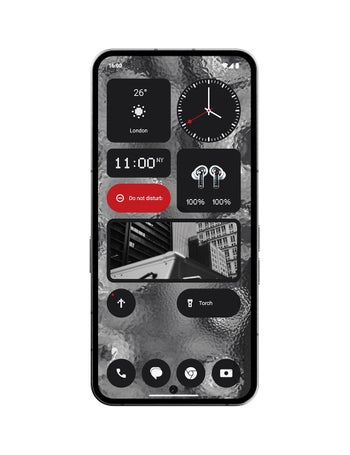
The Nothing Phone 2 follows a very different path. It has a classic flat shape but with a twist—the back is made of transparent glass, showing off the inside components and Glyph Interface (a set of LED lights). These lights flash for notifications, calls, and even as a camera fill light. It feels unique but not flashy.
The frame is made from 100% recycled aluminum, and the glass is toughened for durability. The Nothing Phone 2 is IP54 certified, so it can handle dust and splashes but not full water submersion. It comes in white and black, giving a clean, modern look.
Key Takeaways
- Z Flip 7: Best for those who want a compact phone that stands out and folds for portability.
- Nothing Phone 2: Best for those who want a fresh, transparent look and care about eco-friendly materials.
2. Display Quality
Your phone’s display is where you spend all your time. Clarity, color, and smoothness matter for both work and entertainment.
Samsung Galaxy Z Flip 7
The Z Flip 7’s main display is a 6.7-inch Dynamic AMOLED 2X panel. It offers a 120Hz refresh rate, which makes scrolling and animations smooth. The resolution is 2640 x 1080 pixels, giving sharp images. Samsung’s AMOLED technology means deep blacks and vibrant colors. The screen supports HDR10+, so watching movies is a treat.
On the outside, there’s a cover display—now 3.4 inches. You can check notifications, see widgets, or even reply to messages without opening the phone. The cover display is also AMOLED, making it bright and colorful.
Nothing Phone 2
The Nothing Phone 2 has a slightly larger 6.7-inch LTPO OLED display, also with a 120Hz refresh rate. The resolution is higher at 2412 x 1080 pixels. The screen is flat, with slim bezels and a small punch-hole camera in the top center. It supports HDR10+ as well.
One unique feature: the Glyph Interface on the back can also help with notifications and fill light for the camera, but it’s not a true secondary screen.
Comparison Table
Here’s a quick look at the main display features:
| Feature | Galaxy Z Flip 7 | Nothing Phone 2 |
|---|---|---|
| Size | 6.7 inches (main) | 6.7 inches |
| Type | Dynamic AMOLED 2X | LTPO OLED |
| Resolution | 2640 x 1080 | 2412 x 1080 |
| Refresh Rate | 120Hz | 120Hz |
| Secondary Display | 3.4-inch AMOLED (cover) | Glyph LED (back, notifications only) |
Insights
- The Z Flip 7’s cover display is a real advantage for quick actions.
- Both screens are excellent, but the Flip 7’s foldable nature adds versatility.

3. Performance And Hardware
How fast is each phone? Can they handle gaming, multitasking, and heavy apps?
Samsung Galaxy Z Flip 7
The Z Flip 7 uses the Qualcomm Snapdragon 8 Gen 3 processor—a top-tier chip for 2024. It comes with 8GB or 12GB of RAM and storage options of 256GB or 512GB. This setup means you can run many apps at once, play demanding games, and edit photos or videos without lag.
Samsung’s cooling system is improved, so the phone stays cooler during long gaming sessions. The main limitation: there’s no microSD card slot, so choose storage wisely.
Nothing Phone 2
The Nothing Phone 2 uses the Qualcomm Snapdragon 8+ Gen 1 chip. It’s not the newest, but still very powerful. RAM options are 8GB or 12GB, and storage goes up to 512GB as well. The phone runs smoothly, but in direct comparison, the Z Flip 7 is a bit faster for the most demanding tasks.
A real-world difference: only heavy gamers or users who do a lot of video editing will notice the speed gap. For daily tasks, both are excellent.
Hardware Comparison
| Feature | Galaxy Z Flip 7 | Nothing Phone 2 |
|---|---|---|
| Processor | Snapdragon 8 Gen 3 | Snapdragon 8+ Gen 1 |
| RAM | 8/12GB | 8/12GB |
| Storage | 256/512GB | 128/256/512GB |
| MicroSD slot | No | No |
Insights
- Z Flip 7 is slightly ahead in raw power.
- Both phones lack expandable storage—choose storage size based on your needs.
4. Camera System
Cameras are a big reason people upgrade their phones. Let’s see how these two compare.
Samsung Galaxy Z Flip 7
The Z Flip 7 has a dual-camera system on the back: a 12MP wide and a 12MP ultra-wide. Samsung’s image processing is top-notch, giving bright colors and sharp images even in low light. The foldable design lets you use the main cameras for selfies—just fold the phone halfway and set it on a table.
The front camera is 10MP and works well for video calls. Video recording is up to 4K at 60fps. The cover display makes it easy to frame shots without opening the phone.
Nothing Phone 2
The Nothing Phone 2 also uses a dual 50MP camera setup: one wide, one ultra-wide. The sensor size is larger, meaning better performance in low light and more detail. The software offers features like Motion Capture, Night Mode, and Expert controls.
The front camera is 32MP, giving sharper selfies. Video recording also supports 4K at 60fps. The Glyph Interface on the back acts as a fill light, which is helpful for close-up shots or creative lighting.
Camera Comparison
| Feature | Galaxy Z Flip 7 | Nothing Phone 2 |
|---|---|---|
| Main Camera | 12MP wide + 12MP ultra-wide | 50MP wide + 50MP ultra-wide |
| Front Camera | 10MP | 32MP |
| Video | 4K@60fps | 4K@60fps |
| Special features | Foldable for selfies, cover display preview | Glyph fill light, Expert mode |
Insights
- Nothing Phone 2 wins on raw camera specs, especially for selfies and detail.
- Z Flip 7’s foldable design gives you new ways to take photos, like hands-free or creative angles.
5. Software Experience
The software experience shapes how you use your phone every day. Both phones use Android but add their own flavor.
Samsung Galaxy Z Flip 7
The Z Flip 7 runs One UI 6.1 based on Android 14. Samsung’s interface is known for its customization and extra features. There’s a special focus on using the fold—apps can split into two, and you can open multiple windows at once. The cover display supports widgets, quick replies, and even some third-party apps.
Samsung promises four years of major updates and five years of security patches, which means your phone stays safe and fresh for longer. Samsung’s ecosystem—like Samsung DeX for a desktop-like experience, and SmartThings for smart home control—adds value if you have other Samsung devices.
Nothing Phone 2
The Nothing Phone 2 uses Nothing OS 2.5, also based on Android 14. The design is clean, with minimal extra apps or bloat. The interface is smooth and simple, focusing on fast access to what you need. The Glyph Interface is tightly connected to the OS, allowing you to customize which lights flash for which contacts or apps.
Nothing promises three years of major updates and four years of security patches. While a bit shorter than Samsung, it’s still solid. The Nothing OS is lighter, which some users prefer.
Insights
- Z Flip 7 offers more features and longer update support.
- Nothing Phone 2 keeps things simple and fast, with unique Glyph customization.
6. Battery Life And Charging
Battery life is more than just the size—it’s about how long the phone lasts in real use, how fast it charges, and wireless options.
Samsung Galaxy Z Flip 7
The Z Flip 7 has a 3,700mAh battery. It’s smaller than many phones because of the foldable design. With regular use, it lasts a full day, but heavy users might need a quick top-up by evening. Fast charging is 25W wired and 15W wireless. Samsung’s battery optimization helps, but big gaming sessions will drain the battery faster.
Nothing Phone 2
The Nothing Phone 2 has a larger 4,700mAh battery. In real-world tests, it often lasts a day and a half, even with video streaming and social media. Charging is faster—45W wired, 15W wireless, and it also supports reverse wireless charging for earphones or another phone.
Insights
- Nothing Phone 2 is the clear winner for battery life and charging speed.
- The Z Flip 7 is fine for most users, but power users will need to charge more often.

7. Price And Value
What do you get for your money? Both phones offer premium features, but the price difference is important.
Samsung Galaxy Z Flip 7
The Z Flip 7 starts at $999 for the 256GB model and goes up for more storage. It’s a premium price for a unique design and top hardware. You’re paying for the foldable technology, compact design, and Samsung’s ecosystem.
Nothing Phone 2
The Nothing Phone 2 starts at $649 for the 128GB version, with higher prices for more storage. It offers high-end specs but undercuts most flagship phones. You get a unique look, great cameras, and smooth software for less money.
Value Insights
- If you want the excitement of a foldable phone and Samsung’s features, the Z Flip 7 justifies its price.
- If you want flagship features and standout design for less, the Nothing Phone 2 is the better value.
Unique Features And Innovations
Both phones bring something special to the table. Here’s what makes each one unique beyond just hardware.
Samsung Galaxy Z Flip 7
- Flex Mode: The phone can sit at a 90-degree angle, turning into its own tripod. Great for hands-free video calls or TikTok.
- Multi-Active Window: Open two apps at once, each using half the screen.
- Samsung Ecosystem: Works smoothly with Samsung watches, tablets, and other devices.
- Cover Display Widgets: Quick access to weather, calendar, music, and more without opening the phone.
Nothing Phone 2
- Glyph Interface: The LED lights on the back are not just for show. They can signal different contacts, show charging progress, or act as a timer.
- Sustainability: Uses recycled materials and eco-friendly packaging.
- Minimal OS: Clean, fast, and easy to use, with a focus on user control.
- Reverse Wireless Charging: Charge earphones or a friend’s phone wirelessly.
Non-obvious Insights
- Z Flip 7’s foldable design is more than just a party trick. It can help you avoid buying a separate tripod for video calls or selfies—a small detail, but useful for creators and frequent travelers.
- Nothing Phone 2’s Glyph lights can be programmed for silent notifications. For example, you can set it to flash only for important contacts, so you don’t miss work calls during meetings but still keep your phone silent.
Which Should You Choose?
Choosing between these phones comes down to your priorities. The Z Flip 7 is for those who want the latest foldable tech, love Samsung’s features, and don’t mind paying a premium. The Nothing Phone 2 is for people who want something fresh, care about sustainability, and want flagship features at a lower price.
If you value pocketability and unique folding features, go for the Z Flip 7. If you want a phone that stands out with its design and long battery life, the Nothing Phone 2 is hard to beat.
Neither phone is perfect for everyone. The Z Flip 7’s battery is smaller, and the Nothing Phone 2 isn’t as powerful as some rivals. But both offer something you won’t find in other phones.
Frequently Asked Questions
Is The Galaxy Z Flip 7 Durable Enough For Daily Use?
Yes, the Z Flip 7 is designed for everyday use. Its hinge and screen are stronger than past models, and it’s IPX8 water resistant. However, it’s not dustproof, so avoid sandy environments. Foldable phones are more delicate than classic models, so use a case and avoid dropping it.
Does The Nothing Phone 2’s Glyph Interface Really Help, Or Is It Just For Looks?
The Glyph Interface is both stylish and useful. You can program the lights for different contacts, reminders, or notifications. For example, set a unique pattern for family calls or silent alerts during meetings. It also works as a fill light for the camera—something standard phones don’t offer.
How Long Will Each Phone Get Software Updates?
The Galaxy Z Flip 7 gets four years of major Android updates and five years of security patches. The Nothing Phone 2 gets three years of major updates and four years of security patches. Samsung offers longer support, but both are above average for Android phones.
Which Phone Is Better For Photography?
The Nothing Phone 2 has higher-resolution cameras and does better in low light and selfies. The Z Flip 7’s unique folding design gives creative ways to take photos, like hands-free group shots. Both are good, but the Nothing Phone 2 has the edge for pure camera quality.
Where Can I Find More Technical Details About These Phones?
For the most accurate and updated details, check the official product pages or trusted sites like GSMArena.
Both the Samsung Galaxy Z Flip 7 and the Nothing Phone 2 show how exciting the smartphone market can be. Whether you want something that folds or something that glows, you have great choices. Let your style, needs, and budget guide you to the phone that fits your life.

