

Camping in the wilderness is one of the purest ways to reconnect with nature, challenge yourself, and find peace away from the digital world. Whether you dream of pitching a tent in a quiet forest, waking up by a mountain lake, or watching the stars from a remote desert, wilderness camping offers a unique adventure.
But it also brings special challenges that require good planning, the right gear, and a solid understanding of safety and respect for nature. If you’ve never camped outside a developed site, or you want to improve your skills, this guide will help you prepare, pack, and camp with confidence.

36% off Today’s Exclusive Deals
Limited-time Exclusive Deals. Check current discount on Amazon.
Check Price on Amazon As an Amazon Associate I earn from qualifying purchases.What Makes Wilderness Camping Different
Wilderness camping means no developed campsites, no running water, and often, no cell service. You’ll need to bring everything you need and take everything out with you. This is often called “backcountry” camping. It’s very different from “car camping,” where you park near your tent and have access to toilets, picnic tables, and maybe even a store.
In the wild, you are more exposed to the elements, wildlife, and your own decisions. This makes planning and self-reliance much more important. Experienced campers say that being prepared is not about having the most expensive gear, but about understanding your environment and your own limits.
Choosing Your Wilderness Destination
Choosing the right spot is the first big step. Your destination will shape your experience and what you need to bring. Think about:
- Climate and weather: Are you heading to a hot desert, a cool mountain, or a rainy forest?
- Remoteness: How far will you be from roads or help?
- Terrain: Flat meadows are different from steep hills or rocky coastlines.
- Water sources: Will you need to carry all your water, or can you filter from a stream?
- Regulations: Many wilderness areas require permits. Some don’t allow fires or have specific rules about camping locations.
A good starting point is a national forest or park that allows dispersed camping. These areas often have clear rules and marked boundaries. Check the official website for maps and details. Some popular US options include:
- Boundary Waters Canoe Area (Minnesota)
- Desolation Wilderness (California)
- White Mountain National Forest (New Hampshire)
Always research local hazards, such as bears, ticks, or poisonous plants. Talk to rangers if you have questions. For up-to-date maps and rules, the National Park Service is a reliable source.
Essential Gear For Wilderness Camping
You can’t bring everything, so packing the right items is critical. Here’s a breakdown of what you’ll need, based on decades of backcountry experience.
| Gear Category | Must-Have Items | Optional/Upgrade |
|---|---|---|
| Shelter | Tent, ground tarp, stakes | Lightweight hammock, bivvy sack |
| Sleeping | Sleeping bag (rated for temp), sleeping pad | Pillow, liner for extra warmth |
| Cooking | Backpacking stove, fuel, pot, utensils | Lightweight mug, collapsible sink |
| Water | Water bottles, filter or purification tablets | Water reservoir/bladder |
| Navigation | Map, compass, GPS (optional) | Altimeter, personal locator beacon |
| Safety | First aid kit, headlamp, whistle | Satellite messenger, bear spray (if needed) |
| Clothing | Weather-appropriate layers, rain jacket | Gaiters, camp shoes |
Pack light but don’t skip essentials. The lighter your pack, the easier your hike will be, but missing a key item can ruin your trip. Always test your gear before your trip—set up your tent at home, fire up your stove, and check batteries in your headlamp.
Planning And Preparation
Wilderness camping requires more than just packing a bag. Good planning keeps you safe and comfortable.
Research Your Route
Study maps and guides. Understand the trail, elevation changes, and possible campsites. Download offline maps or print them out—phones may not work.
Create A Packing List
Write down everything you need and check it off as you pack. Many experienced campers use a master list for every trip and adjust it for the conditions.
Leave A Trip Plan
Tell someone you trust where you’re going, your route, and when you plan to return. Give them a map if possible. This is a simple habit that can save your life if something goes wrong.
Check Weather Forecasts
Check the latest weather for your area and be ready for sudden changes. In the mountains, weather can shift quickly. If storms or extreme conditions are likely, consider changing your plans.
Physical Preparation
If your trip involves long hikes or high elevations, do some training. Go for walks with your backpack. Practice setting up camp and using your gear.
Food And Water In The Wilderness
Staying fed and hydrated is vital, but you need to be smart about what you bring and how you handle it.
Food Choices
Pick food that is:
- Lightweight and high-energy (nuts, dried fruit, energy bars, instant meals)
- Easy to cook (just add hot water or eat cold)
- Long-lasting without refrigeration
Avoid canned foods (too heavy) and anything that spoils quickly. Most campers plan meals in advance for each day.
Example meal plan:
- Breakfast: Instant oatmeal, nuts, coffee
- Lunch: Tortilla with peanut butter, jerky, dried fruit
- Dinner: Freeze-dried meal, chocolate, tea
Cooking Tips
- Use a backpacking stove for safety and efficiency.
- Cook away from your tent to avoid attracting animals.
- Clean up all crumbs and food scraps.
Water
Never drink untreated water from streams or lakes, even if it looks clean. Use a filter, purifier, or boil water for at least 1 minute (longer at high elevations).
Estimate water needs: Most people need at least 2-3 liters per day, more in hot weather or if hiking hard.
Pro tip: Always carry a backup water treatment method (like iodine tablets) in case your filter breaks.
Campsite Selection And Setup
Choosing the right spot for your camp is one of the most important wilderness skills.
How To Choose A Campsite
- Look for flat, durable ground: Avoid fragile areas, muddy patches, or places where water might collect in rain.
- Stay 200 feet from water: This protects wildlife and prevents pollution.
- Avoid hazards: Don’t camp under dead trees (“widowmakers”), on exposed ridges during storms, or in dry riverbeds.
- Respect regulations: Some places have specific camping zones or require permits.
Setting Up Camp
- Pitch your tent with the door facing away from the wind.
- Stake it down securely—even in calm weather, wind can pick up.
- Store food safely. In bear country, use a bear canister or hang food from a tree at least 10 feet off the ground and 4 feet from the trunk.
Small detail: Sleeping slightly uphill (head higher than feet) can help you sleep more comfortably.

Campfire Safety And Alternatives
Many people picture a campfire as part of camping, but in wilderness areas, fires are often banned or discouraged due to wildfire risk and environmental damage.
When To Skip The Fire
- If the area is dry or fire bans are in effect.
- Where wood is scarce or collecting it would harm the ecosystem.
- If local rules prohibit fires.
Safe Campfire Practices
If fires are allowed:
- Use only established fire rings.
- Keep fires small and manageable.
- Never leave a fire unattended.
- Put out fires completely with water, stirring until cold.
Alternatives To Campfires
- Use a camp stove for cooking and warmth.
- Bring a headlamp or lantern for light.
- Wear warm layers instead of relying on fire for heat.
Wildlife Awareness And Safety
Wild animals are a natural part of the wilderness. Seeing them can be amazing, but you need to keep yourself and the animals safe.
Storing Food And Trash
- Always store all food, trash, and scented items (toothpaste, deodorant) in bear-proof containers or hang them.
- Never keep food in your tent.
- Pack out all trash—leave no trace.
Encounters With Animals
- Bears: Make noise while hiking. If you see a bear, stay calm, back away slowly, and never run.
- Snakes: Watch where you step and put your hands. Use a flashlight at night.
- Insects: Use insect repellent and wear long sleeves in tick or mosquito areas.
Non-obvious tip: Even small animals, like mice or raccoons, can chew through bags to get at your food. Use tough containers or hang your food well.
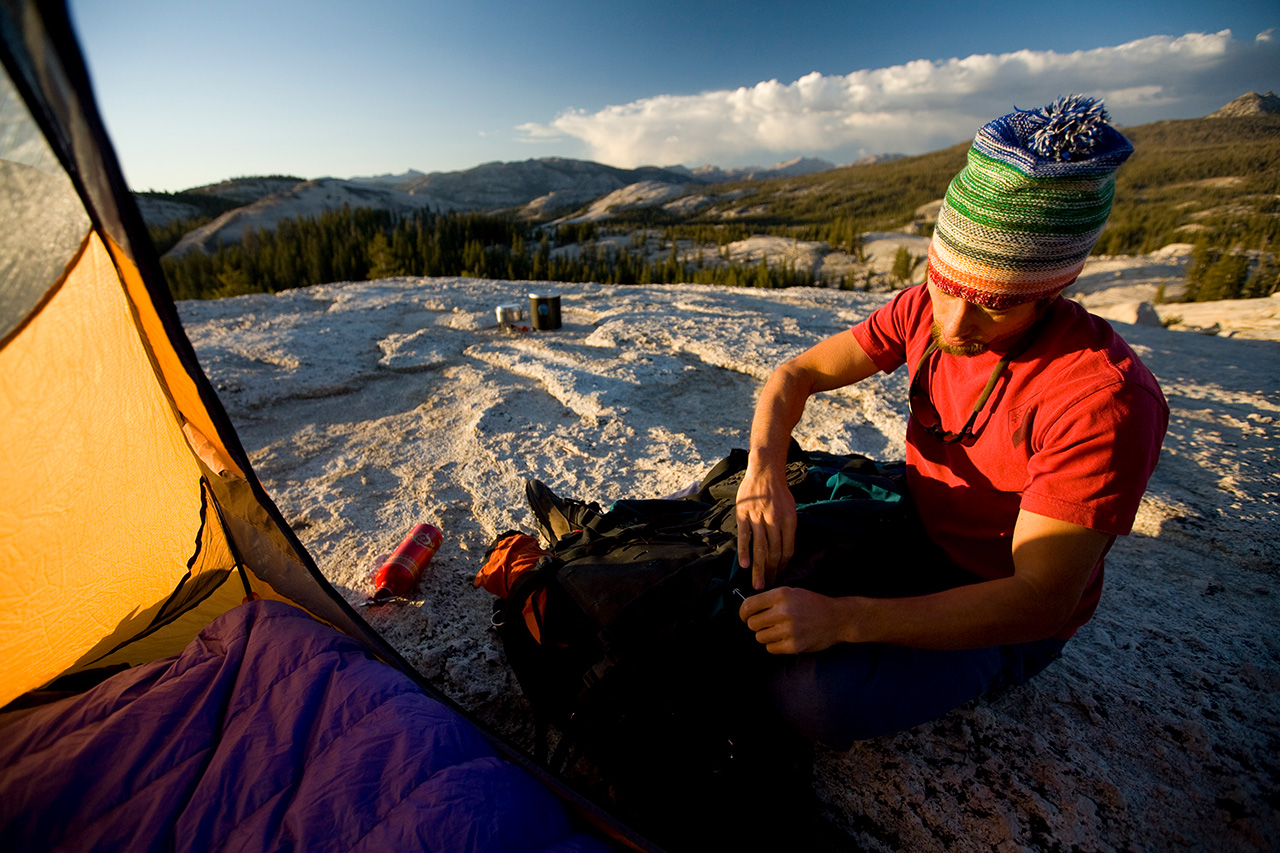
Leave No Trace Principles
A core idea in wilderness camping is to leave the place better than you found it. The Leave No Trace guidelines help protect nature for everyone.
Here are the seven main principles:
- Plan ahead and prepare
- Travel and camp on durable surfaces
- Dispose of waste properly
- Leave what you find
- Minimize campfire impact
- Respect wildlife
- Be considerate of others
Following these rules is not just about rules—it’s about respect for nature and future campers.
Navigating In The Wilderness
Getting lost is one of the biggest dangers. Technology helps, but traditional skills are essential.
Map And Compass Skills
- Learn how to read a topographic map and use a compass.
- Practice before your trip—don’t rely only on GPS.
Gps And Phones
- Download offline maps in case you lose service.
- Carry extra batteries or a portable charger.
Trail Markers
- Many wilderness trails are unmarked or lightly marked.
- Pay attention to landmarks and always know how to return to your camp.
Unexpected insight: Trails can disappear under snow or leaves. Look back often while hiking, so the route back looks familiar.
Dealing With Emergencies
Even with planning, things can go wrong. Be ready for injuries, sudden weather, or getting lost.
| Emergency Type | Preparation | Response |
|---|---|---|
| Injury | Carry a first aid kit, know basic first aid | Stop bleeding, immobilize injuries, evacuate if serious |
| Getting lost | Map, compass, GPS, leave trip plan | Stop, stay calm, retrace steps, signal for help |
| Weather changes | Check forecast, bring rain gear, extra food | Seek shelter, stay dry, avoid exposed areas |
| Wildlife encounter | Store food properly, carry bear spray | Stay calm, don’t run, follow animal safety protocols |
Two things many beginners miss: Always carry a whistle (three blasts is a distress signal) and a small mirror for signaling aircraft or searchers.
Health And Hygiene In The Wild
Staying clean and healthy is harder in the wilderness, but it’s important to avoid sickness and discomfort.
Hygiene Basics
- Bring biodegradable soap and use it at least 200 feet from water sources.
- Use a trowel to dig a “cathole” 6–8 inches deep for waste, and cover it after use.
- Pack out used toilet paper in a sealed bag.
- Use hand sanitizer before eating.
Staying Healthy
- Change into dry clothes before sleeping to avoid chills.
- Treat all water before drinking.
- Watch for signs of hypothermia (shivering, confusion) and heat exhaustion (dizziness, headache).
Advanced tip: Even in cold weather, you can sweat a lot while hiking. Stay hydrated and eat salty snacks to replace lost electrolytes.
Solo Vs. Group Wilderness Camping
Camping alone and camping with others both have advantages and risks.
Solo Camping
Pros:
- Complete freedom
- Deeper sense of solitude
Cons:
- Higher risk if injured
- More mentally challenging
Group Camping
Pros:
- Shared gear and tasks
- Built-in safety net
Cons:
- Need to agree on pace, decisions
- Can disturb wildlife more easily
For your first wilderness trip, many experts suggest going with a small group of 2–4 people. If you go solo, be extra careful with your trip plan and don’t take unnecessary risks.
When Not To Go
Sometimes, the best choice is to wait. Avoid wilderness camping if:
- Severe weather is forecast
- You are not physically ready
- You don’t have proper gear or knowledge
- Local regulations prohibit access (fire bans, wildlife closures)
Respecting these limits is part of being a responsible camper.
Frequently Asked Questions
How Can I Find Good Beginner Wilderness Camping Spots?
Look for national forests or parks that allow dispersed camping and have easy trails. Ranger stations can suggest safe areas for first-timers. Avoid remote or rugged areas until you have more experience.
What Should I Do If I See A Bear Near My Camp?
Stay calm, do not run, and make yourself look bigger by raising your arms. Talk loudly and slowly back away. If the bear approaches, use bear spray if you have it. Never feed or approach wildlife.
Can I Drink Water Directly From Streams In The Wilderness?
No, always treat water before drinking. Streams may contain bacteria or parasites like Giardia. Use a filter, purifier, or boil water for safety.
How Do I Handle Trash In The Wilderness?
Pack out all trash, including food scraps and used toilet paper. Use a sealed bag to carry waste. Leaving trash behind harms wildlife and the environment.
What If I Get Lost And Have No Cell Service?
Stay where you are if possible. Use your whistle or mirror to signal for help. Try to retrace your steps only if it’s safe. This is why leaving a trip plan with someone is so important.
Camping in the wilderness is both a challenge and a joy. With good planning, respect for nature, and the right skills, you’ll create memories that last a lifetime. Take it slow, learn from each trip, and always leave the wild as beautiful as you found it.

