

Poker has a special charm. The game combines skill, luck, and social interaction. If you walk into a casino or join a home game, you’ll notice that the size of the poker table matters a lot. But how many players can a standard poker table hold?
This question isn’t just about furniture. It affects the pace of the game, player comfort, and even your winning chances. Let’s explore the world of poker tables, from their typical capacities to the reasons behind these limits—and what you need to know before sitting down to play.

36% off Today’s Exclusive Deals
Limited-time Exclusive Deals. Check current discount on Amazon.
Check Price on Amazon As an Amazon Associate I earn from qualifying purchases.What Is A Standard Poker Table?
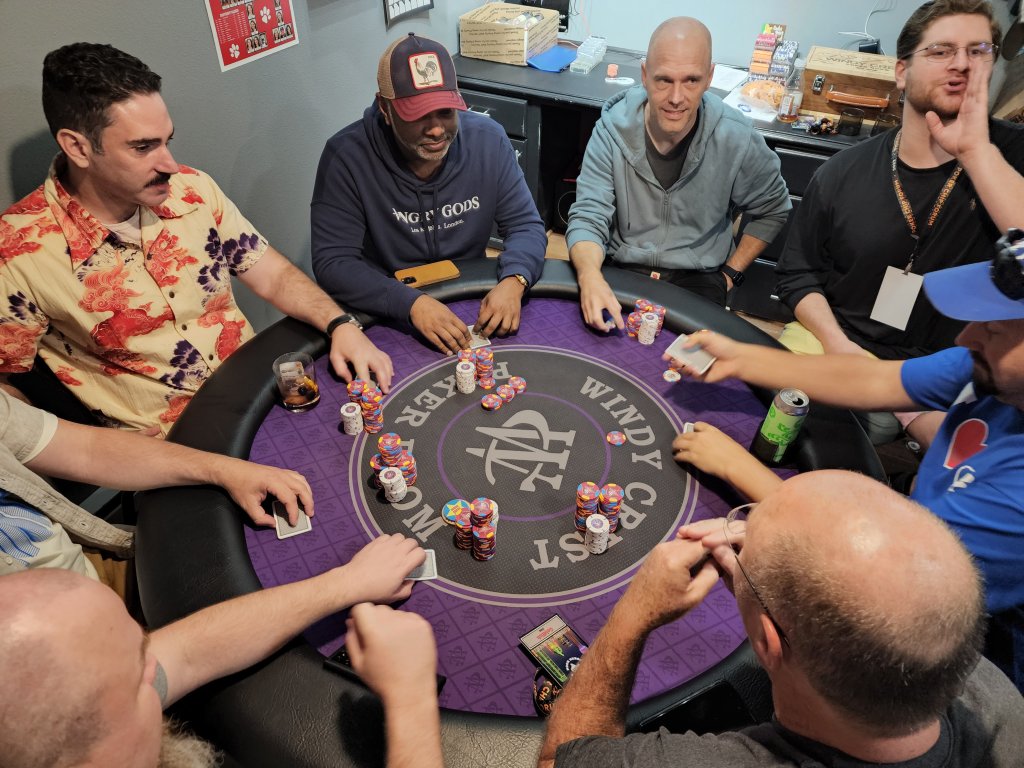
A standard poker table is the most common table shape and size used in casinos, card rooms, and home games. It’s designed to host popular games like Texas Hold’em, Omaha, and Seven Card Stud. Most standard tables are oval, though some are round or octagonal. The oval style is preferred because it gives every player a clear view of the dealer and the community cards.
Typical dimensions for a standard oval poker table are:
- Length: 84 inches (7 feet)
- Width: 42 inches (3.5 feet)
- Height: 30 inches (standard table height)
These measurements allow enough space for multiple players, chips, cards, and the dealer’s tray. However, the size isn’t just about comfort. It’s also about practicality—fitting everyone without crowding, while keeping the game manageable.
How Many Players Can A Standard Poker Table Hold?
The most direct answer: A standard poker table usually holds 9 or 10 players. This is the capacity you’ll see in most casinos and official tournaments. Sometimes, the dealer also sits at the table, making the total number of seats 10 or 11, but the dealer is not counted as a player.
Here’s a quick breakdown:
- Full ring games: 9 or 10 players
- Short-handed games: 6 players (common in online poker)
- Heads-up games: 2 players (special tables or at the same table)
Why 9 Or 10 Players?
The number isn’t random. It’s based on:
- Space per player: Each person needs about 20–24 inches of table edge to play comfortably.
- Game speed: More players means slower games, but also bigger pots and more action.
- Visibility: Players must see all cards, chips, and the dealer easily.
If you try to squeeze more than 10 players, the table becomes crowded. People bump elbows, cards get mixed, and mistakes happen. With fewer than 9 players, the game speeds up, but you lose some excitement and strategic complexity.
Poker Table Types And Player Capacity
Different tables support different player counts. Let’s compare common poker table types:
| Table Shape | Typical Capacity | Best For |
|---|---|---|
| Oval | 9–10 players | Casino, tournaments |
| Round | 6–8 players | Home games |
| Octagonal | 6–8 players | Casual play |
| Rectangular | Up to 10 players | Large home games |
Most professional games use oval tables with 9 or 10 seats. Smaller tables (round or octagonal) are popular for home poker nights.
Practical Effects Of Player Count
The number of players at a poker table changes the game in several ways:
- Game Dynamics: With more players, each hand takes longer. There are more decisions, more betting, and more chances for big pots.
- Strategy: In full ring games (9–10 players), you need tighter starting hands. In short-handed games (6 players), you can play more aggressively.
- Comfort: Crowded tables lead to discomfort and mistakes. Spacious tables make for a better experience.
Example: Texas Hold’em Odds
Let’s look at the odds for two hands in Texas Hold’em, depending on the number of players:
| Number of Players | Chance of Winning with AA | Chance of Winning with AK |
|---|---|---|
| 2 (Heads-up) | 85% | 65% |
| 6 | 45% | 19% |
| 9 | 31% | 14% |
As you see, more players mean lower chances for strong hands. This changes how you play and how you value your cards.
Differences Between Casino And Home Poker Tables
Not all poker tables are created equal. Casinos invest in professional poker tables with built-in features like chip trays, padded rails, and automatic shufflers. Home tables are often smaller and simpler.
Casino Tables
- Usually oval, seating 9 or 10 players plus the dealer
- Padded rails for comfort
- High-quality felt for smooth card movement
- Sometimes include cup holders, chip trays, and automatic shufflers
Home Tables
- Round or octagonal shapes are common
- Typically seat 6–8 players
- Portable or foldable designs
- Less padding and fewer features
If you host a home game with more than 8 players, you’ll need a larger table or extra chairs, but this can reduce comfort and slow the game.
Building Or Buying A Poker Table: What You Need To Know
If you want your own poker table, think about player capacity before buying or building. Here are the key factors:
- Measure your space: Make sure you have room for the table and chairs.
- Choose the right shape: Oval tables fit more players; round tables are better for small groups.
- Check seat width: Each player needs 20–24 inches of edge.
- Consider padding: Padded rails and good felt make games more comfortable.
- Decide on cup holders: Useful for home games but not always needed in casinos.
Example: Home Poker Table Dimensions
| Table Size | Shape | Player Capacity |
|---|---|---|
| 84″ x 42″ | Oval | 9–10 |
| 60″ diameter | Round | 6–8 |
| 48″ diameter | Octagonal | 6–8 |
If you want to host a full ring game (9–10 players), an 84-inch oval table is the best choice. For smaller groups, a round or octagonal table works fine.
Non-obvious Insights: What Beginners Miss
It’s easy to think that player count is just about fitting chairs around a table. But there are deeper effects:
- Dealer Position Matters: In games with a dedicated dealer, the dealer often sits at the end of the table. This changes the way cards are dealt and can affect game speed. In home games, players often take turns as dealer, so you need extra space or a rotating dealer button.
- Tournament vs. Cash Games: Most tournaments use 9 or 10 seats per table. But as players are eliminated, tables “break down,” and the number of players per table drops. Cash games allow players to join and leave, so the table size is more flexible.
- Table Size Affects Betting Behavior: Smaller tables (fewer players) lead to more aggressive play. More hands are played, and pots are smaller on average. Larger tables create tighter play and bigger pots.
Common Mistakes When Choosing A Poker Table
Many beginners make errors when buying or setting up a poker table:
- Trying to fit too many players: This leads to discomfort, slow play, and mistakes.
- Ignoring table shape: Oval tables are best for big groups; round tables are only good for small games.
- Not measuring space: A full-size table needs room for chairs and movement. Don’t forget to measure before buying.
- Skipping features: Padded rails, cup holders, and quality felt make a big difference in playability and comfort.
Can You Play With More Than 10 Players?
Some games, especially casual home games, try to squeeze in extra players. You might see tables with 12 or even 14 seats. But this is rare and usually not recommended.
- Crowded tables: Players don’t have enough space.
- Longer hands: Each hand takes more time to play.
- Dealer mistakes: With more cards and players, errors are more likely.
For official play and smooth games, stick to 9 or 10 players per table.
Why Player Capacity Matters In Poker Strategy
Player count isn’t just about logistics—it shapes your poker strategy:
- Hand selection: With more players, you need stronger hands to win.
- Position importance: Your seat matters more at larger tables, since acting later gives you more information.
- Bluffing frequency: Bluffing is harder at big tables, easier at smaller tables.
If you’re serious about poker, learn how player count changes the way you play. Adjust your strategy based on the number of opponents.

Popular Poker Variants And Table Sizes
Different poker games use different table sizes:
- Texas Hold’em: Full ring (9–10 players), short-handed (6), heads-up (2)
- Omaha: Usually 9 or 10 players
- Seven Card Stud: Often 8 players, because more cards are dealt
- Home variants: Can be played with 6–8 players
If you’re playing a variant like Seven Card Stud, remember it uses more cards per player, so tables may have fewer seats.
What If You’re Playing Online?
Online poker sites use virtual tables. The screen size isn’t a limit, but most online tables are:
- Full ring: 9 players
- Short-handed: 6 players
- Heads-up: 2 players
Online poker uses the same standards as live poker, but with faster play and no physical space limits.
Real-world Examples
Let’s look at some famous poker events:
- World Series of Poker (WSOP): Uses 9 or 10-player tables for most events
- European Poker Tour (EPT): Also uses 9-player tables
- Local casino cash games: Usually 9 or 10 players per table
These tournaments and casinos follow the same standards for a reason: it keeps the game fair, comfortable, and fun.
Frequently Asked Questions
How Many Players Can Fit Around A Standard Poker Table?
A standard poker table holds 9 or 10 players comfortably. This is the norm in casinos and professional tournaments.
Can You Play Poker With More Than 10 Players At A Table?
You can, but it’s not recommended. More than 10 players leads to crowding, slow play, and mistakes. Official games rarely go above 10.
What Is The Ideal Space Per Player At A Poker Table?
Each player should have 20–24 inches of table edge. This gives enough room for chips, cards, and comfortable play.
Are There Different Sizes For Home Poker Tables?
Yes. Home tables are often smaller, seating 6–8 players. Shapes like round and octagonal are common for casual games.
Does The Number Of Players Affect Poker Strategy?
Absolutely. More players mean tighter play, stronger hands, and different betting behavior. Fewer players allow more aggressive moves.
Poker is more than a game—it’s an experience. The right table size can make or break your session. Whether you’re playing with friends at home or in a big casino tournament, understanding how many players a standard poker table holds is essential. It impacts strategy, comfort, and game flow. If you’re curious about official standards or want to see more, check out the Wikipedia poker table entry for more details. Next time you sit down to play, remember: the table shape and size aren’t just about looks—they shape the whole game.

