

How To Improve Focus
Staying focused is not easy in today’s world. Phones buzz, emails arrive, and people chat everywhere. Your mind can jump from one thing to another. Many people struggle to concentrate at school, work, or even when reading a book. But improving focus is possible for anyone.
With the right strategies, you can train your brain to pay attention longer and deeper. This article explains practical ways to boost your focus using science, real examples, and simple advice. You’ll discover how to avoid common mistakes and find techniques that really work.

36% off Today’s Exclusive Deals
Limited-time Exclusive Deals. Check current discount on Amazon.
Check Price on Amazon As an Amazon Associate I earn from qualifying purchases.Understanding Focus: What It Really Means
Focus is your ability to keep your attention on one task or idea. It’s like a spotlight for your mind. When you focus well, you ignore distractions and finish things faster. But focus is not just about willpower. It also depends on your environment, habits, and even your health.
Types Of Focus
- Sustained Focus: Keeping attention on one thing for a long time, like studying for an exam.
- Selective Focus: Choosing what to pay attention to, such as listening to a teacher in a noisy classroom.
- Divided Focus: Doing two things at once, like driving and talking.
Most people want to improve sustained focus and selective focus. Divided focus is useful, but it’s harder to do well.
Why Focus Is Important
Better focus leads to:
- Higher productivity
- Fewer mistakes
- Less stress
- Better memory
Studies show that workers who focus well can finish tasks 25% faster. Students with good focus get higher grades. Even athletes use focus to win games.
Common Causes Of Poor Focus
Before you try to improve your focus, it helps to know what causes distraction. Here are some of the main reasons:
- Digital Distractions: Phones, social media, and emails are the biggest sources of interruptions.
- Multitasking: Switching between tasks can cut productivity by up to 40%. Your brain needs time to adjust.
- Lack of Sleep: Being tired makes it hard to concentrate. Adults need 7–9 hours of sleep for good focus.
- Stress and Anxiety: Worry can fill your mind with thoughts, leaving less space for your task.
- Poor Nutrition: Your brain needs fuel. Low blood sugar or dehydration can make you feel foggy.
- Cluttered Environment: Messy desks or noisy rooms can distract you.
Many people miss that even small distractions, like a nearby conversation or an open window, can break focus. Changing your environment often improves concentration more than changing your habits.
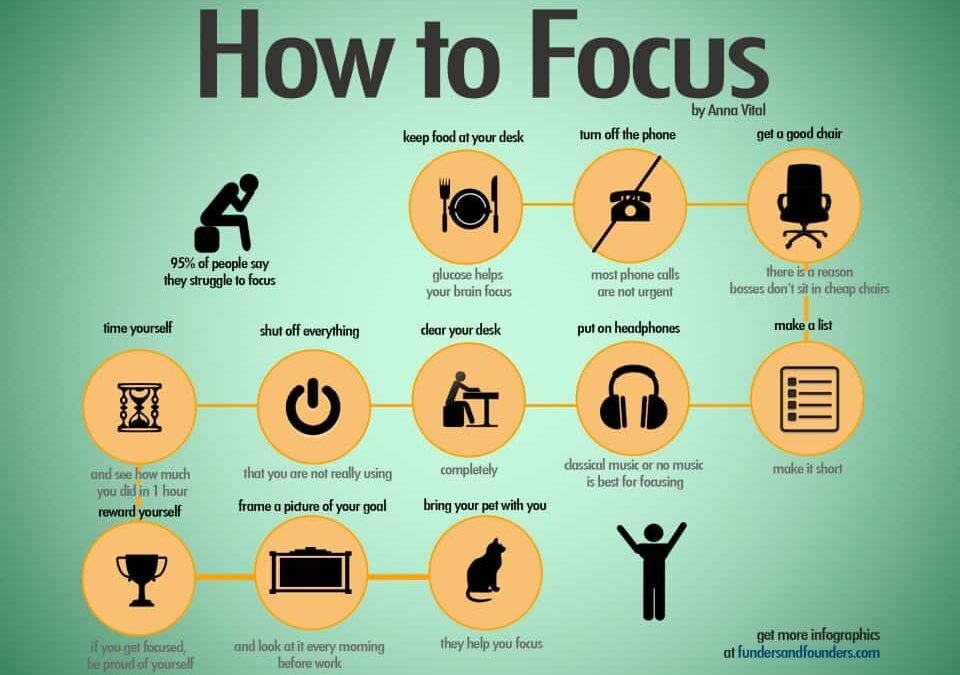
Science-backed Techniques To Improve Focus
Researchers have studied focus for decades. Here are some proven methods:
The Pomodoro Technique
This method uses a timer:
- Work for 25 minutes.
- Take a 5-minute break.
- After four cycles, take a longer break (15–30 minutes).
This approach helps your brain stay fresh. A study found that people using Pomodoro finished tasks 15% faster.
Mindfulness Meditation
Mindfulness is about paying attention to the present moment. Practicing meditation for just 10 minutes a day can help you notice distractions and bring your focus back.
Example: Sit quietly, close your eyes, and breathe deeply. Whenever your mind wanders, gently return attention to your breath.
Single-tasking
Focus on one thing at a time. Research shows that people who single-task make fewer mistakes and remember more. Try closing all tabs on your computer except the one you need.
Task Prioritization
Start with the most important task first. Your energy and attention are highest at the beginning of the day.
Environmental Control
- Use noise-canceling headphones
- Work in a clean space
- Turn off phone notifications
Even small changes, like moving to a quieter room or using soft background music, can boost focus.
How Nutrition And Lifestyle Affect Focus
Your brain uses about 20% of your body’s energy. Eating well and staying active can improve attention.
Foods That Help Focus
- Whole grains: Give steady energy
- Blueberries: Improve memory
- Leafy greens: Support brain health
- Eggs: Rich in choline, which helps memory
- Fish: Omega-3 fats boost brain function
Hydration
Drink enough water. Dehydration can cause tiredness and trouble concentrating. Even losing 1–2% of body water can affect mental performance.
Exercise
Physical activity increases blood flow to the brain. Walking for 20 minutes before work can improve focus by 15%, according to some studies.
Sleep
Getting enough sleep is crucial. Lack of sleep reduces attention, memory, and decision-making.
| Factor | Impact on Focus | Tips |
|---|---|---|
| Sleep | High | 7–9 hours per night |
| Nutrition | Medium | Eat balanced meals |
| Hydration | Medium | Drink 8 glasses/day |
| Exercise | Medium | Walk or stretch daily |
Practical Strategies For Daily Life
Improving focus is not just about willpower. Here are steps you can take every day:
Set Clear Goals
Write down what you want to achieve each day. Clear goals help your brain know where to direct attention.
Example: “finish Two Chapters Of My Textbook Before Lunch.”
Use Visual Reminders
Sticky notes or simple checklists can help you remember tasks.
Block Distractions
- Close unnecessary apps
- Silence your phone
- Use website blockers
Schedule Focus Times
Pick times when you are most alert. For many people, this is morning or early afternoon.
Take Regular Breaks
Short breaks help your brain recover and stay fresh. Even standing up and stretching for two minutes can help.
Practice Self-compassion
If you lose focus, don’t be hard on yourself. Just gently bring your attention back.
Try Focus-boosting Apps
There are apps like Forest, Freedom, and Focus@Will that help reduce distractions.
Environment: How Your Surroundings Shape Focus
Where you work or study matters a lot. A good environment can double your concentration. Here’s how to set it up:
Lighting
Natural light improves mood and focus. If you can, sit near a window.
Noise
Some people focus better with silence, others prefer background music. Experiment to see what works for you.
Organization
Keep your workspace tidy. Remove things you don’t need.
Temperature
A comfortable room (around 72°F/22°C) helps concentration. Too hot or cold can distract you.
Social Environment
Let others know when you need to focus. Use signs or messages to say you’re busy.
| Environment Factor | Focus Impact | Common Mistake |
|---|---|---|
| Lighting | Better focus with natural light | Working in dark rooms |
| Noise | Silence or soft music helps | Allowing loud distractions |
| Organization | Clear spaces boost attention | Cluttered desks |
| Temperature | Comfortable rooms aid focus | Ignoring room comfort |
Focus Exercises: Training Your Brain
Like any skill, focus improves with practice. Here are exercises to try:
- Memory Games: Play games like Sudoku, crosswords, or memory cards. They train your mind to stay sharp.
- Reading Without Interruptions: Choose a book and read for 20 minutes without checking your phone.
- Timed Writing: Set a timer for 15 minutes and write about any topic. Don’t stop or edit.
- Mindful Observation: Sit and notice everything around you for five minutes. Focus on sights, sounds, and smells.
Beginners often miss that these exercises should be done regularly, not just once. Over time, your brain learns to stay on task longer.
The Role Of Technology: Friend Or Foe?
Technology can help or hurt focus, depending on how you use it.
Negative Effects
- Constant notifications
- Easy access to distractions
- Multitasking with apps
Positive Effects
- Apps that block distractions
- Timers and reminders
- Online courses for learning focus skills
How To Use Technology Wisely
- Turn off unnecessary notifications
- Use productivity tools
- Limit screen time
Many people forget that setting boundaries with technology is as important as using tools to help focus.
| Technology Tool | Benefit | Drawback |
|---|---|---|
| Focus Apps | Block distractions | May be ignored |
| Timers | Encourage breaks | Can add pressure |
| Notifications | Stay updated | Distract attention |
| Social Media | Connect with others | Interrupts focus |
Non-obvious Tips For Improving Focus
Some focus tips are not widely known, but can make a big difference.
Use “attention Anchors”
Choose a simple object or phrase to remind yourself to focus. For example, a special pen or a sticky note with the word “Focus. ” Whenever you see it, bring your mind back to the task.
Change Task Types
Switch between tasks that use different parts of your brain. For example, after writing, do something visual like drawing. This prevents fatigue.
Practice “micro-focus”
If you are very distracted, try focusing for just two minutes. Gradually increase the time. This builds confidence and attention.
Keep A Distraction Notebook
Write down thoughts or distractions that pop up. This helps your brain let go and focus better.
Use Scent
Certain smells, like peppermint or lemon, can boost alertness. Try using scented candles or oils in your workspace.
Mistakes To Avoid When Trying To Improve Focus
Improving focus is not just about doing more. Avoid these common mistakes:
- Trying to focus for too long: Attention drops after 45–50 minutes. Take breaks.
- Ignoring mental health: Stress and anxiety make focus harder. Take care of your mind.
- Skipping meals: Hunger distracts your brain.
- Overusing technology tools: Apps help, but don’t rely on them alone.
- Forgetting to review progress: Check if your focus is actually improving. Adjust strategies as needed.
A non-obvious mistake is thinking that more effort always leads to better focus. Sometimes, relaxing and giving your mind a rest helps more.
Real-life Examples Of Improving Focus
Student Case
Maria, a college student, struggled with distractions. She started using the Pomodoro Technique and moved her study desk near a window. After two weeks, her grades improved, and she finished assignments faster.
Office Worker Case
James works in a busy office. He began using noise-canceling headphones and set clear work times. He also took short walks during lunch. His productivity increased, and he felt less stressed.
Athlete Case
Professional athletes use focus exercises to train their minds. Many do mindfulness meditation before games to stay calm and focused.
These examples show that improving focus is possible in different settings. The key is to find strategies that fit your life.
How To Measure Your Progress
Tracking your focus helps you see if your efforts work. Here are ways to measure:
- Time how long you can work without distraction
- Count completed tasks each day
- Notice how often you lose focus
Some apps can track your productivity and show patterns. Reviewing your progress once a week is helpful.

When To Seek Professional Help
If you try many strategies and still struggle, you may need help. Problems like ADHD or depression can make focus very hard.
Signs you may need support:
- Focus problems last for months
- Trouble affects work or school
- You feel anxious or depressed
Talking to a doctor or counselor can help you find the right solution. For more information on attention disorders, see CDC ADHD Facts.
Frequently Asked Questions
What Is The Best Way To Improve Focus Quickly?
The fastest way is to remove distractions and set a clear goal. Turn off your phone, close unnecessary tabs, and write down what you need to do. Start with short bursts, like 20 minutes, then take a break.
How Does Sleep Affect Focus?
Sleep is critical. Not enough sleep lowers attention, memory, and decision-making. Adults need 7–9 hours per night. If you wake up tired, your focus will suffer all day.
Are There Foods That Help With Focus?
Yes. Foods like blueberries, fish, and eggs provide nutrients that support brain function. Eating balanced meals and staying hydrated can make a big difference.
Can Technology Improve Focus?
It can, if used wisely. Apps like Forest or Freedom help block distractions. But too much screen time or constant notifications can reduce your ability to focus.
How Do I Know If I Have A Focus Problem?
If you regularly struggle to finish tasks, lose track of time, or feel distracted even in quiet places, you may have a focus problem. Try tracking your attention and ask for help if it affects your work or school.
Improving focus is a journey, not a race. Start with small changes and build new habits. You’ll notice progress step by step, and your mind will thank you.

