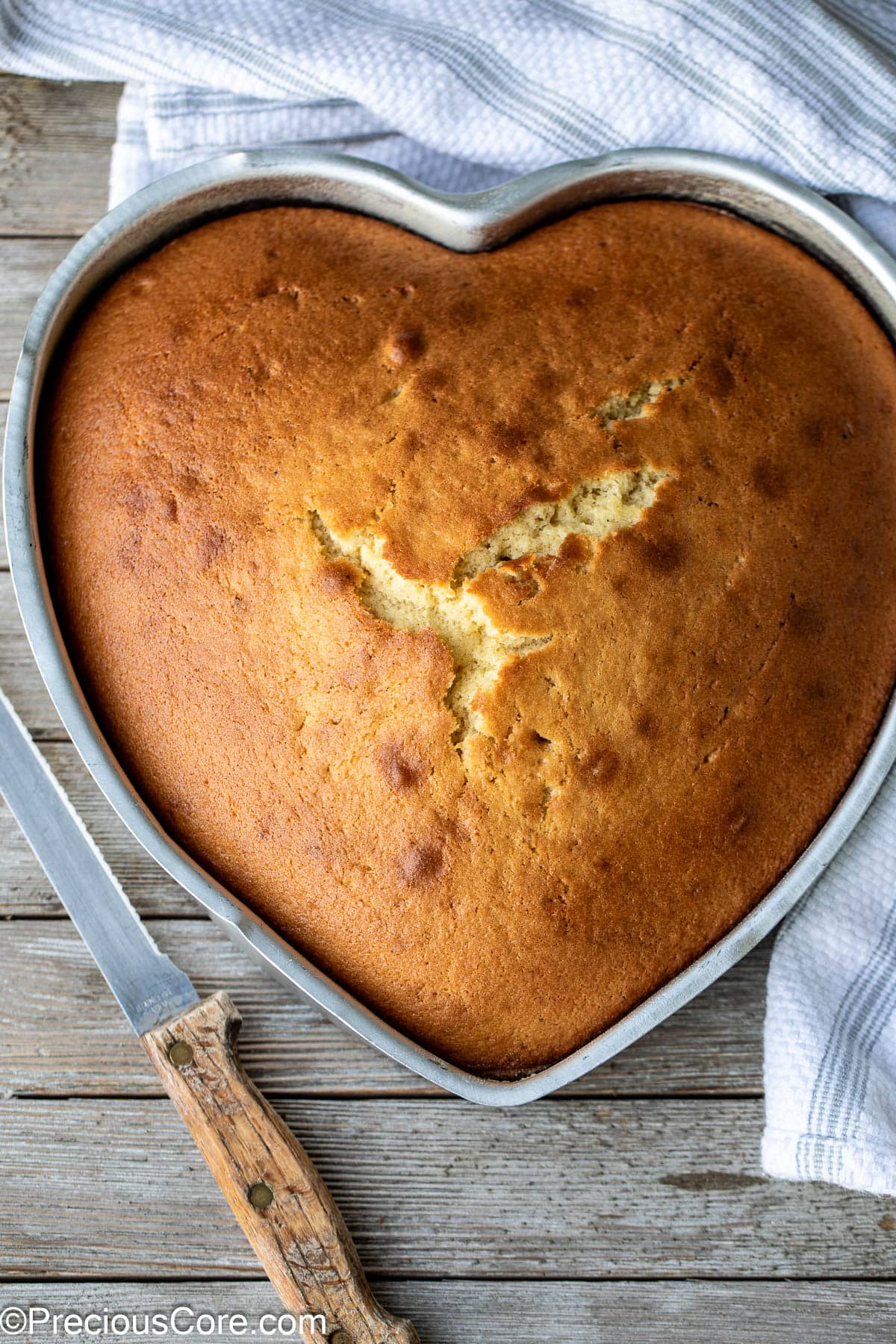
Baking a cake is both an art and a science. For many, the smell of a fresh cake brings back memories of birthdays, holidays, or simple family gatherings. But if you have never baked a cake before, the process may seem confusing and full of small details that are easy to miss.
Even people who cook regularly can feel nervous about baking because it often feels less forgiving than cooking a meal. The good news is that baking a cake is easier than you might think once you understand the steps and the reasons behind them.

36% off Today’s Exclusive Deals
Limited-time Exclusive Deals. Check current discount on Amazon.
Check Price on Amazon As an Amazon Associate I earn from qualifying purchases.In this guide, you will discover exactly how to bake a cake from scratch, what tools and ingredients you need, and how to avoid common mistakes. You will also learn secrets that experienced bakers use to get perfect results every time.
Whether you want to bake a classic vanilla cake, a rich chocolate cake, or experiment with new flavors, the principles here will help you succeed. Let’s start your journey to baking a delicious cake that you’ll be proud to share.
Why Baking A Cake Is Different From Cooking
Baking is not just about mixing ingredients and putting them in the oven. Unlike most cooking, baking is precise. The amounts, the order, and even the temperature of your ingredients can change the outcome. If you add too much flour, your cake may be dense. If you forget the baking powder, it might not rise at all. Understanding these details helps you control the final result.
There is also a science behind why cakes rise and become soft. When you mix flour, eggs, sugar, and fat, you are creating a structure that traps air. Baking powder or baking soda reacts with other ingredients to make bubbles of gas, which expand in the oven and make the cake rise.
This is why accuracy matters.
Essential Tools For Baking A Cake
Before you start, make sure you have the right tools. Good tools make baking easier and more predictable. Here are the basics:
- Mixing bowls – At least two, different sizes.
- Measuring cups and spoons – For both dry and liquid ingredients.
- Electric mixer or whisk – Helps mix ingredients well and add air.
- Rubber spatula – For scraping the bowl and folding batter.
- Cake pans – The size depends on your recipe (usually 8-inch or 9-inch).
- Oven thermometer – Many ovens are not accurate; this helps you check.
- Cooling rack – Lets air circulate around the cake as it cools.
- Parchment paper – Prevents sticking and makes cleanup easier.
Comparing Cake Pans
Choosing the right cake pan affects baking time and cake texture. Here’s a quick comparison:
| Pan Type | Size (Inches) | Best For | Notes |
|---|---|---|---|
| Round | 8 or 9 | Layer cakes | Most common, easy to frost |
| Square | 8 or 9 | Sheet cakes, brownies | Sharp corners, bakes a bit faster |
| Bundt | 10 | Decorative shapes | Requires thorough greasing |
| Loaf | 9×5 | Pound cakes | Dense cakes, longer bake time |
If you don’t have the exact pan size, you can still bake the cake but watch the baking time closely.
Ingredients: What You Need And Why
A simple cake usually uses just a few ingredients. But each one has a key role.
- Flour: The main structure. All-purpose flour is common, but cake flour makes lighter cakes.
- Sugar: Sweetens and helps the cake stay moist.
- Eggs: Bind ingredients and help the cake rise.
- Butter or oil: Makes the cake soft and rich.
- Milk or water: Adds moisture.
- Leavening agents (baking powder or soda): Make the cake rise.
- Salt: Balances the flavors.
- Vanilla or other extracts: Add flavor.
Ingredient Comparison: Butter Vs. Oil
Which fat is better for cakes? Here’s a simple comparison:
| Fat Type | Texture | Flavor | Best Use |
|---|---|---|---|
| Butter | Light, airy | Rich, creamy | Yellow cakes, pound cakes |
| Oil | Moist, dense | Neutral | Chocolate cakes, carrot cakes |
Butter gives a strong flavor, but oil keeps cakes moist for longer.
Classic Vanilla Cake Recipe
Let’s use a basic vanilla cake as an example. This recipe makes one 9-inch round cake, enough for 8–10 slices.
Ingredients
- 2 1/2 cups (310g) all-purpose flour
- 2 1/2 tsp baking powder
- 1/2 tsp salt
- 1 cup (226g) unsalted butter, room temperature
- 2 cups (400g) granulated sugar
- 4 large eggs, room temperature
- 1 tbsp vanilla extract
- 1 cup (240ml) whole milk, room temperature
Why Room Temperature Ingredients Matter
Many beginners skip this step, but it makes a big difference. Room temperature butter and eggs blend more easily, trapping air and making a lighter cake. Cold ingredients can cause the batter to split or become lumpy.
:max_bytes(150000):strip_icc()/9.BakingaChocolateCakeIced_preview-5b0eeb5d30371300373a5beb.jpeg)
Step-by-step: How To Bake A Cake
1. Prepare Your Tools And Ingredients
Before you start, read the recipe all the way through. Measure out every ingredient. Preheat your oven to 350°F (175°C). Grease your cake pan with butter or oil, then line the bottom with parchment paper. This prevents sticking.
2. Mix The Dry Ingredients
In a medium bowl, whisk together the flour, baking powder, and salt. Mixing these first ensures even distribution, so you don’t get pockets of baking powder or salt in your cake.
3. Cream The Butter And Sugar
In a large bowl, beat the butter until smooth using an electric mixer. Add the sugar and continue beating for 3–5 minutes, until the mixture is light and fluffy. This step is called “creaming. ” It adds air, which helps the cake rise.
4. Add The Eggs And Vanilla
Add the eggs one at a time, beating well after each one. This keeps the batter smooth. Stir in the vanilla extract.
5. Alternate Adding Dry Ingredients And Milk
Add one-third of the flour mixture to the wet ingredients and mix gently. Add half of the milk and mix again. Repeat, ending with the last third of the flour mixture. This prevents overmixing, which can make the cake tough.
6. Pour And Smooth The Batter
Pour the batter into your prepared pan. Use a spatula to spread it evenly. Tap the pan gently on the counter to remove air bubbles.
7. Bake
Place the pan in the center of the oven. Bake for 30–35 minutes. Do not open the oven door early — sudden drops in temperature can cause the cake to sink.
8. Check For Doneness
Insert a toothpick into the center of the cake. If it comes out clean or with a few crumbs, it’s ready. If it’s wet, bake for a few more minutes and check again.
9. Cool The Cake
Let the cake cool in the pan for 10–15 minutes. Then, run a knife around the edge and turn it out onto a cooling rack. Remove the parchment paper. Let the cake cool completely before frosting or slicing.
Common Cake-baking Mistakes (and How To Avoid Them)
Even careful bakers make mistakes. Here are some frequent problems and how to fix them:
- Cake sinks in the middle: Oven temperature too low, underbaking, or opening the oven door too soon.
- Dense or heavy cake: Overmixing the batter, too much flour, or expired baking powder.
- Dry cake: Overbaking, too little fat or liquid.
- Stuck cake: Not greasing the pan well or skipping parchment paper.
Non-obvious tip: Always check your baking powder or soda’s expiration date. Old leaveners lose strength and your cake won’t rise.
Tips For A Perfect Cake Every Time
Baking is about details. Here are two expert tips that many beginners miss:
- Weigh your ingredients. Volume measurements (like cups) can vary depending on how you fill them. Using a kitchen scale gives you consistent results.
- Let your batter rest for a few minutes before baking. This helps hydrate the flour and can make your cake softer.
It’s also smart to write notes after each cake you bake. If you change something (like the pan size or oven rack position), record it. This way, you learn from each try.
Frosting And Decorating Your Cake
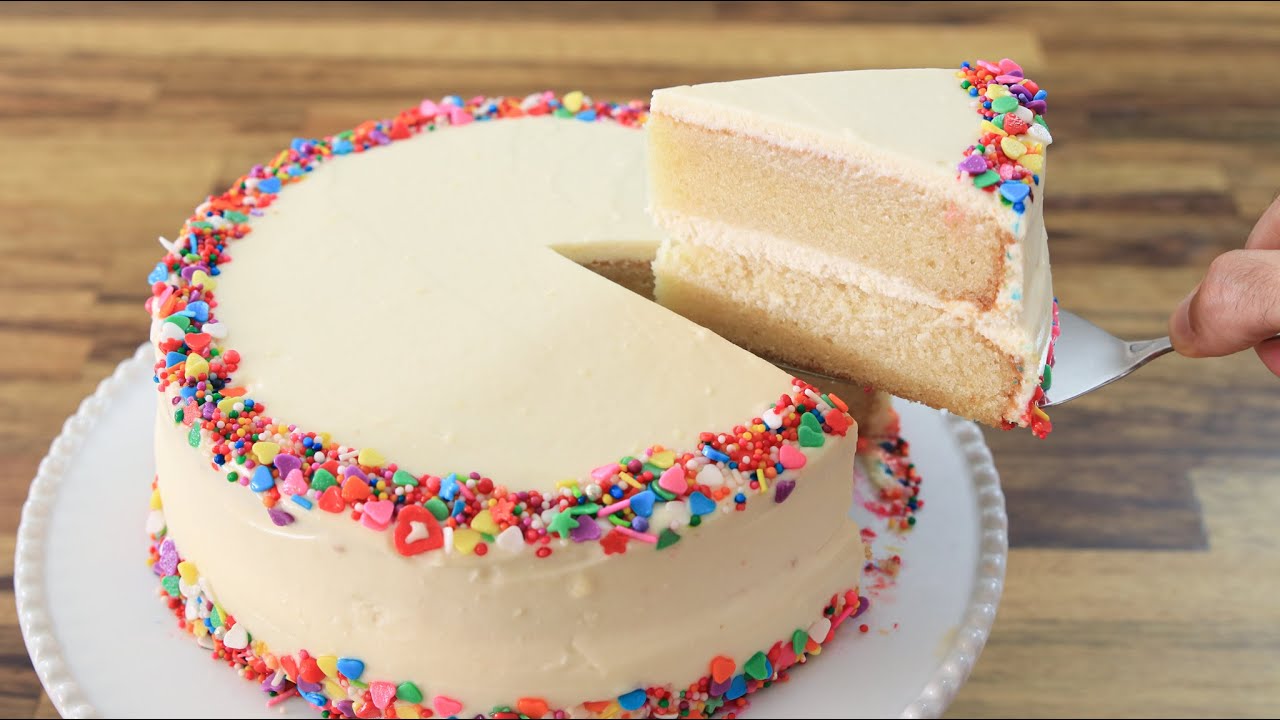
Once your cake is cool, you can frost and decorate it. There are many options, but here are the most common:
- Buttercream: Smooth, creamy, and easy to spread.
- Cream cheese frosting: Tangy, great for carrot cakes or red velvet.
- Ganache: Made from chocolate and cream, glossy and rich.
- Whipped cream: Light and airy, but less stable.
Simple Buttercream Frosting Recipe
- 1 cup (226g) unsalted butter, room temperature
- 3–4 cups (360–480g) powdered sugar, sifted
- 2–3 tbsp (30–45ml) milk or cream
- 1 tsp vanilla extract
- Pinch of salt
Beat the butter until smooth. Add sugar one cup at a time, mixing well. Add vanilla, salt, and enough milk for a spreadable texture. Beat for 3–4 minutes until fluffy.
Pro tip: If your kitchen is warm, chill your cake and frosting before decorating. Warm buttercream can slide off the cake.
Adapting Cakes For Special Diets
You can bake cakes for almost any diet. Here are some ways to adjust a recipe:
Gluten-free
Use a gluten-free flour blend instead of all-purpose flour. Add 1/2 tsp of xanthan gum if your flour mix doesn’t include it. This helps mimic the texture of wheat.
Dairy-free
Swap plant-based butter or oil for regular butter, and use non-dairy milk (like almond or soy).
Egg-free
Replace each egg with:
- 1/4 cup unsweetened applesauce, or
- 1 tablespoon ground flaxseed mixed with 3 tablespoons water (let sit 5 minutes)
These swaps work for most basic cake recipes, though texture may change slightly.
Cake Types Around The World
Cakes come in many shapes and flavors. Here are a few famous types:
- Sponge cake: Light, airy, uses whipped eggs for rise.
- Pound cake: Dense, rich, equal parts butter, sugar, eggs, flour.
- Chiffon cake: Combines oil and whipped eggs for a moist, fluffy texture.
- Cheesecake: Not a true cake, but baked and loved worldwide.
Popular Cake Flavors Comparison
| Flavor | Main Ingredients | Texture | Occasions |
|---|---|---|---|
| Vanilla | Vanilla extract, butter | Light, soft | Birthdays, weddings |
| Chocolate | Cocoa powder, chocolate | Rich, moist | Celebrations, desserts |
| Red Velvet | Cocoa, buttermilk, red color | Tender, slightly tangy | Holidays, parties |
| Carrot | Grated carrot, spices | Moist, spiced | Easter, spring events |
Trying new flavors is a great way to improve your baking skills.
Storing And Freezing Cakes
Proper storage keeps your cake fresh longer.
- Room temperature: Unfrosted cake can stay fresh for 2–3 days if wrapped tightly.
- Refrigerator: Frosted cakes last up to a week, but cold can dry them out. Cover with plastic wrap.
- Freezer: Wrap unfrosted layers in plastic, then foil. Freeze up to 3 months. Thaw at room temperature before decorating.
Non-obvious tip: If you want to freeze a whole decorated cake, freeze it uncovered for one hour, then wrap it. This keeps the frosting from sticking to the wrap.
How To Fix Cake Problems
Sometimes, your cake may not turn out perfect. Don’t worry — many problems can be fixed:
- Dry cake: Brush layers with simple syrup (sugar water) before frosting.
- Cracked top: Level the cake with a knife and frost as usual.
- Overbaked edges: Trim them off before decorating.
If your cake falls apart, turn it into a trifle by layering pieces with whipped cream and fruit. Mistakes can become delicious desserts.
Baking For Beginners: Extra Advice
If you are new to baking, here are a few more tips to help you:
- Always read the recipe twice before starting.
- Start with simple cakes before trying complicated ones.
- Clean as you go — baking can be messy.
- Don’t rush cooling. Warm cakes break easily and melt frosting.
- Practice makes perfect. Even if your first cake isn’t perfect, each try will teach you something new.
For more in-depth science about baking, the Wikipedia page on cake is a helpful resource.
Frequently Asked Questions
How Do I Make My Cake More Moist?
Use oil instead of butter, or add a spoonful of sour cream or yogurt to your batter. Don’t overbake — check your cake a few minutes before the recommended time.
Why Did My Cake Sink In The Middle?
This usually happens if you open the oven door too early, underbake the cake, or use too much baking powder. Always preheat your oven and measure carefully.
Can I Use Self-rising Flour Instead Of All-purpose Flour?
Yes, but skip the baking powder and salt in the recipe. Self-rising flour already has these added, so using both can make your cake rise too much and then collapse.
How Do I Know When My Cake Is Done?
Insert a toothpick in the center. If it comes out clean or with a few crumbs (not wet batter), the cake is ready. The edges will also start to pull away from the pan.
What Is The Best Way To Frost A Cake?
Let the cake cool completely. Apply a thin “crumb coat” of frosting first and chill it. Then add a second, thicker layer for a smooth finish.
Baking a cake is a skill anyone can learn with a little patience and practice. By understanding the basics, paying attention to details, and not being afraid to experiment, you can bake cakes that delight your friends and family. Every cake you bake is a chance to improve and enjoy the simple pleasure of homemade dessert.