

Starting a dropshipping business can be one of the easiest ways to enter e-commerce without a big upfront investment. Imagine running your own online store, selling products worldwide, but never needing to keep those items in stock. That’s the power of dropshipping.
You sell, someone else packs and ships, and you keep the profit difference. Sounds simple, but the process needs careful planning and smart decisions.

36% off Today’s Exclusive Deals
Limited-time Exclusive Deals. Check current discount on Amazon.
Check Price on Amazon As an Amazon Associate I earn from qualifying purchases.In this guide, you’ll learn how to start dropshipping step by step. We’ll cover finding products, choosing suppliers, building your store, marketing, and handling customer service. You’ll also see practical examples, helpful tables, and answers to common questions. Whether you’re new to online business or looking for a side hustle, this article gives you the tools to launch your dropshipping journey with confidence.
What Is Dropshipping?
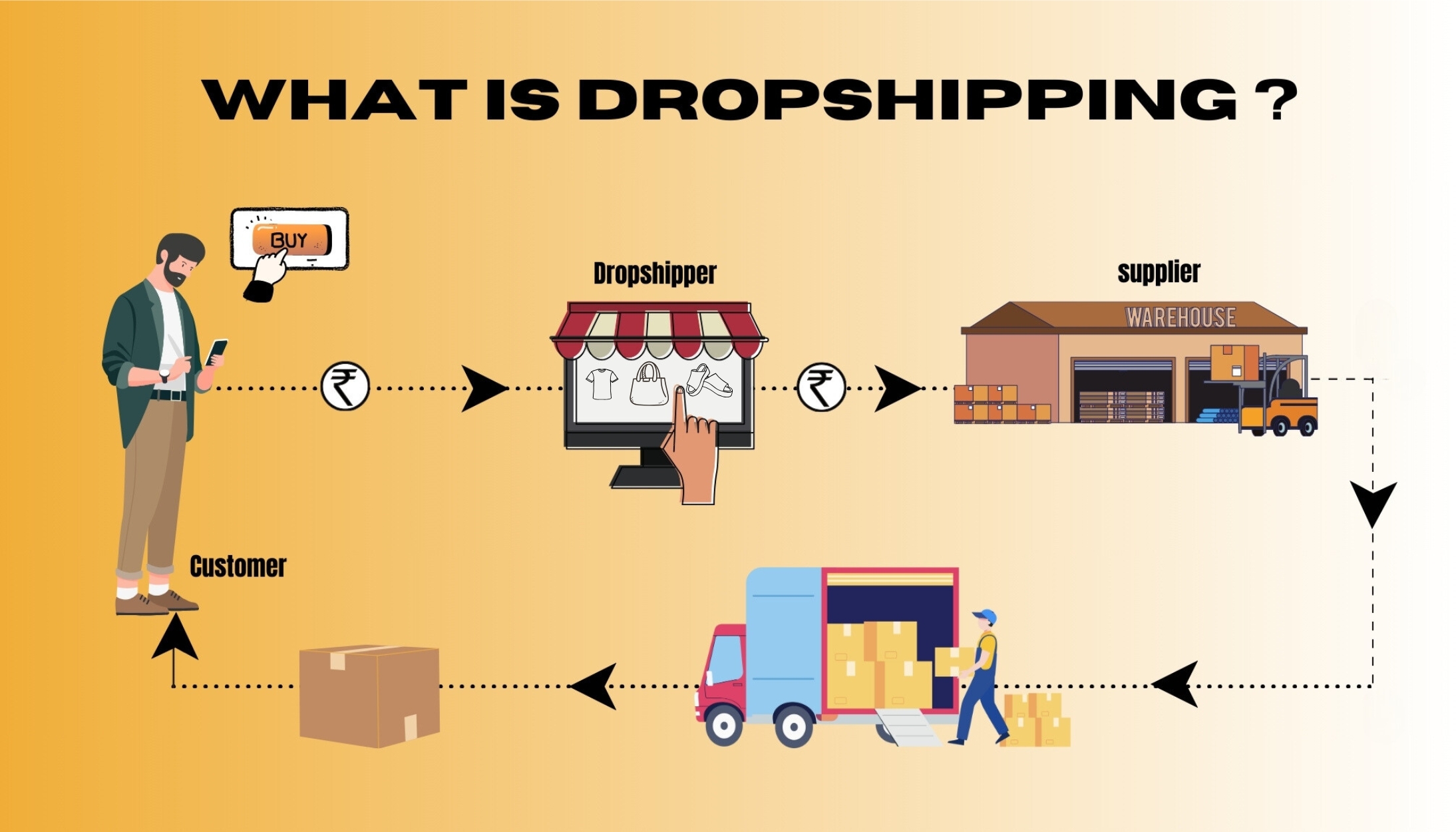
Dropshipping is a business model where you sell products online, but you don’t keep those products in stock. Instead, when a customer buys from your store, you order the item from a third-party supplier who ships it directly to the customer.
This means:
- No need for a warehouse
- Lower upfront costs
- Less risk if products don’t sell
Many people choose dropshipping because it’s flexible and can be run from anywhere with an internet connection.
Example Of Dropshipping In Action
Let’s say you have an online store selling phone cases. Someone orders a case for $20. You buy the same case from your supplier for $10, and the supplier ships it to your customer. Your profit is $10 minus any business expenses.
Key Benefits
- Low startup cost: You don’t pay for inventory upfront.
- Easy to scale: Add new products quickly.
- Work from anywhere: All you need is a laptop and internet.
But dropshipping has challenges too, like finding reliable suppliers and handling customer issues if things go wrong.
Choosing A Profitable Niche
Picking the right niche is one of the most important steps. Your niche is the category of products you’ll sell. If you choose well, your business can grow fast. If you choose poorly, you may struggle to get sales.
How To Find A Good Niche
- Research demand: Use tools like Google Trends or Amazon Best Sellers to see what’s popular.
- Check competition: Too much competition can make it hard to stand out. Look for niches where big brands aren’t dominant.
- Solve a problem: Products that fix a real problem sell well.
- Passion and interest: You’ll work more easily with products you like.
Examples Of Dropshipping Niches
- Pet accessories
- Fitness gear
- Home decor
- Eco-friendly products
- Phone accessories
Don’t just follow trends blindly. For example, fidget spinners were hot for a short time, but sales dropped quickly. Look for products with steady demand.
Data Table: Comparing Dropshipping Niches
Here’s a table showing three popular dropshipping niches and their market factors:
| Niche | Average Monthly Searches | Competition Level | Profit Margin |
|---|---|---|---|
| Pet Accessories | 120,000 | Medium | 30-50% |
| Fitness Gear | 85,000 | High | 25-40% |
| Eco-Friendly Products | 65,000 | Low | 35-60% |
Non-obvious insight: Many beginners ignore low competition niches, thinking only high demand matters. Often, low competition means easier marketing and better profit.
Finding Reliable Suppliers
Your supplier is the backbone of your dropshipping business. If they fail, your reputation suffers. So, choosing a reliable supplier is critical.
Where To Find Suppliers
- AliExpress: Popular for international dropshipping.
- SaleHoo: Curated supplier directory.
- Oberlo: Integrates with Shopify.
- Worldwide Brands: Large database of wholesalers.
Each platform has pros and cons. For example, AliExpress offers low prices but longer shipping times. SaleHoo charges a fee but gives verified suppliers.
Supplier Comparison Table
Here’s a quick comparison of three top dropshipping supplier platforms:
| Platform | Product Variety | Shipping Time (Avg.) | Integration | Cost |
|---|---|---|---|---|
| AliExpress | Very High | 10–30 days | Shopify, WooCommerce | Free |
| SaleHoo | High | 7–20 days | Manual | $67/year |
| Oberlo | High | 10–20 days | Shopify | Free/$29.90/mo |
Tips For Choosing Suppliers
- Order samples first to check quality and shipping time.
- Ask about return policies and customer support.
- Choose suppliers with good ratings and reviews.
A mistake many beginners make is ignoring shipping times. Long delays can lead to unhappy customers and refunds.
Setting Up Your Online Store
You need a website to sell your products. Most dropshippers use platforms like Shopify or WooCommerce because they are easy to set up and manage.
Popular Dropshipping Store Platforms
- Shopify: Simple setup, many apps, monthly fee.
- WooCommerce: Free, works with WordPress, more technical.
- BigCommerce: Good for scaling, higher cost.
Shopify is the most popular for beginners because it’s fast to launch and integrates well with dropshipping apps.
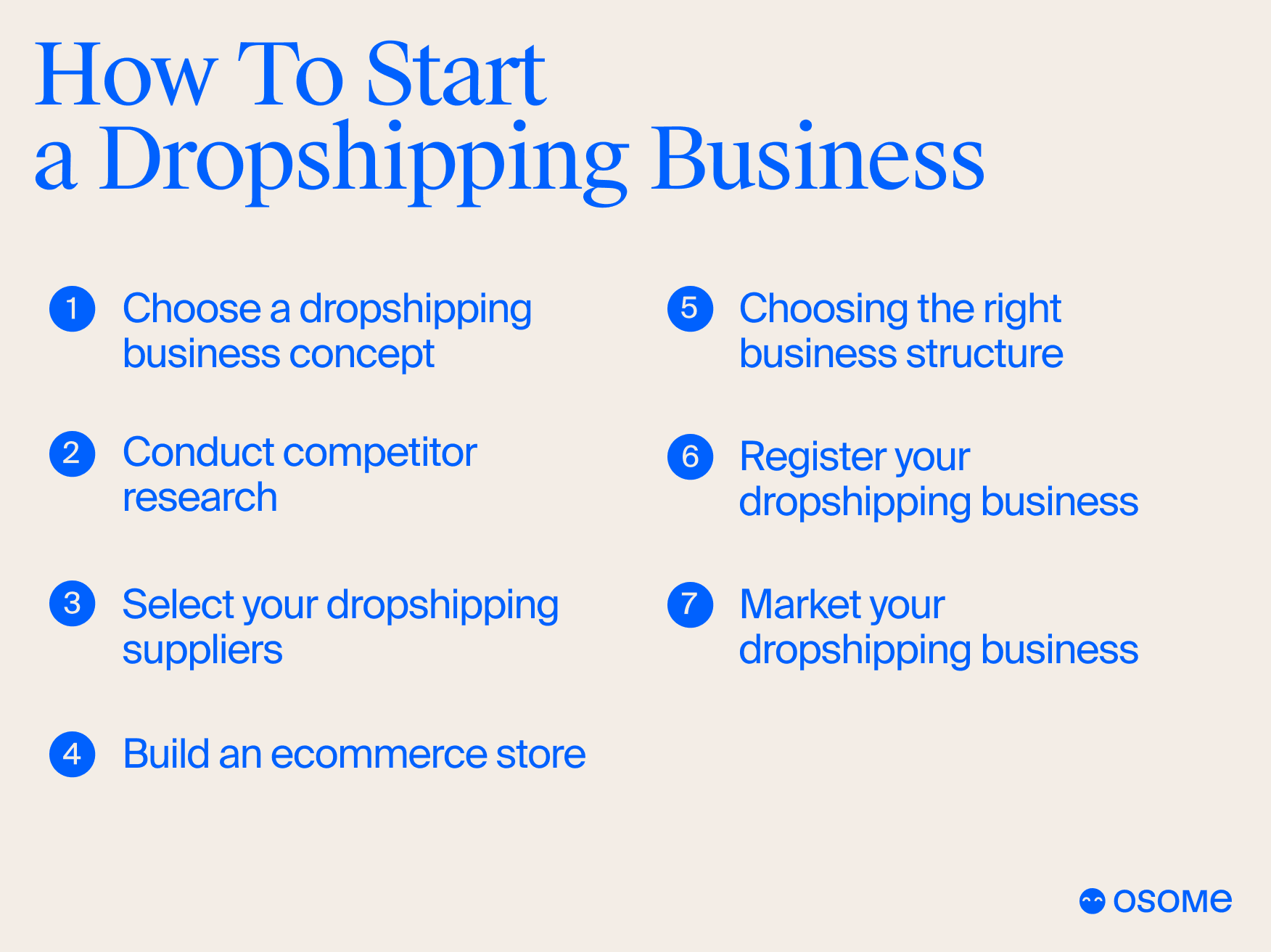
Steps To Set Up Your Store
- Choose a platform (e.g., Shopify).
- Pick a domain name (your store’s web address).
- Select a theme to design your store.
- Add products from your supplier.
- Set prices and write product descriptions.
- Setup payment methods (credit card, PayPal).
- Test checkout process to make sure it works.
Example: Shopify Store Setup
- Sign up for Shopify.
- Choose a store name (e.g., “GreenPetStore”).
- Pick a theme that fits your niche.
- Use Oberlo to import pet products from AliExpress.
- Add your own branding and logo.
Non-obvious insight: Many people skip writing unique product descriptions, using supplier text. This hurts SEO and makes your store look unprofessional. Always write your own descriptions.
Pricing Your Products
Setting the right price is key. If you price too high, you lose sales. If you price too low, you lose profit.
How To Calculate Price
A simple formula:
Retail Price = Cost of Goods + Shipping + Profit Margin
For example, if the product costs $10 and shipping is $3, and you want a $7 profit, price it at $20.
Data Table: Price Example
| Product | Supplier Cost | Shipping | Target Profit | Retail Price |
|---|---|---|---|---|
| Yoga Mat | $15 | $5 | $10 | $30 |
| Dog Leash | $8 | $2 | $7 | $17 |
| Reusable Water Bottle | $6 | $3 | $6 | $15 |
Pricing Mistakes To Avoid
- Forgetting to include shipping cost.
- Not checking competitor prices.
- Ignoring payment fees.
Some dropshippers use psychological pricing, like $19. 99 instead of $20, to boost sales.
Legal And Business Basics
Starting a dropshipping business means you’ll need to handle some legal basics. This protects you and builds trust with customers.
Register Your Business
- Decide on a business structure (LLC, sole proprietorship).
- Register your business name.
- Get any needed licenses or permits.
Taxes
You must pay taxes on profits. Check local laws and consider consulting a tax professional.
Policies
Have clear policies for:
- Returns and refunds
- Shipping times
- Privacy
Many beginners skip this step, but clear policies help avoid disputes and boost customer confidence.

Marketing Your Dropshipping Store
To get sales, you must bring people to your store. Marketing is where most dropshippers succeed or fail.
Best Marketing Channels
- Social media ads: Facebook, Instagram, TikTok.
- Search engine optimization (SEO): Optimize your site to rank on Google.
- Influencer marketing: Partner with influencers in your niche.
- Email marketing: Collect emails and send offers.
Example Marketing Strategy
- Run Facebook ads targeting pet owners.
- Share pet tips on Instagram.
- Collaborate with a dog trainer influencer.
- Offer a 10% discount for email signups.
Marketing Tips
- Start with a small budget and test different ads.
- Use high-quality images and videos.
- Track results and adjust your strategy.
Non-obvious insight: Many beginners only use paid ads. Organic marketing (like SEO and content) can bring free traffic and build long-term success.
Managing Orders And Customer Service
After you start getting sales, you need to handle orders and customer service. This is where dropshipping can get tricky, especially if suppliers delay or ship wrong items.
Order Management
- Use apps like Oberlo or Dropified to automate ordering.
- Double-check each order for accuracy.
- Send tracking numbers to customers.
Customer Service Tips
- Reply quickly to questions and complaints.
- Be honest about delays.
- Offer refunds or replacements when needed.
Common mistake: Ignoring customer emails. Fast, friendly replies lead to repeat business and good reviews.
Scaling Your Dropshipping Business
Once your store is running smoothly, you can scale up for more profit.
Ways To Scale
- Add more products.
- Expand to new countries.
- Increase ad spend.
- Build a brand with custom packaging.
Advanced Strategies
- Work with suppliers for faster shipping.
- Create your own branded products.
- Automate tasks with apps and software.
Non-obvious insight: Scaling too fast can lead to mistakes, like too many orders for your supplier to handle. Always scale gradually and monitor quality.
Common Dropshipping Mistakes And How To Avoid Them
Learning from other people’s mistakes can save you time and money.
- Picking a bad supplier: Always order samples.
- Copying product descriptions: Write your own for SEO.
- Ignoring shipping times: Be clear with customers.
- Underpricing products: Include all costs.
- Skipping marketing: No visitors, no sales.
- Not handling customer service: Leads to bad reviews.
- Trying to scale too fast: Quality drops, customers get upset.
- Neglecting legal basics: Can lead to fines or business closure.
Real-life Dropshipping Success Stories
Many entrepreneurs have built successful dropshipping stores. One example is Sarah, who started a pet accessory store with $500. She focused on eco-friendly products, wrote her own descriptions, and built a strong Instagram following. Within six months, she was making $2,000 a month.
Another is Mike, who launched a fitness gear shop targeting yoga fans. He partnered with influencers and used Facebook ads. His store grew to $10,000 a month, but only after he fixed slow shipping issues by finding better suppliers.
What these stories show: Success comes from smart niche choice, reliable suppliers, strong marketing, and good customer service.
Frequently Asked Questions
What Is The Minimum Investment To Start Dropshipping?
You can start with as little as $100–$500 if you use Shopify or WooCommerce and free marketing channels. Most costs are for the website, ads, and initial sample orders.
Do I Need To Register A Business For Dropshipping?
Yes, it’s best to register your business. This protects you legally and builds trust. Check your local laws for details.
How Long Does It Take To Make Money With Dropshipping?
Some people see sales in the first month, but most take 3–6 months to become profitable. Success depends on niche, marketing, and supplier quality.
What Are The Best Dropshipping Products?
Products that solve real problems, have steady demand, and are not too competitive. Examples include pet accessories, eco-friendly items, and unique gifts.
Can Dropshipping Be Automated?
Yes, many tasks can be automated. Apps like Oberlo and Dropified handle orders, tracking, and inventory updates. Still, you must manage marketing and customer service.
Starting dropshipping is not a get-rich-quick scheme. It takes effort, research, and patience. But with the right approach, you can build a real business that fits your lifestyle. For more in-depth tips and research, check resources like Shopify Dropshipping Guide.
The dropshipping journey starts with a single step: choosing your niche. From there, build your store, find reliable suppliers, set fair prices, and market your products. Be ready to learn and adapt. If you focus on quality and service, your dropshipping business can thrive for years to come.

