

Most Honeywell gas valve issues stem from wiring, power, or a stuck internal component.
I have over a decade of hands-on experience repairing and testing gas controls. This guide breaks down Honeywell Gas Valve Troubleshooting with clear steps, simple tests, and real tips I learned on the job. Read on to find safe ways to diagnose, test, and fix common valve faults. This article covers symptoms, causes, tools, and when to call a pro so you can act with confidence.

36% off Today’s Exclusive Deals
Limited-time Exclusive Deals. Check current discount on Amazon.
Check Price on Amazon As an Amazon Associate I earn from qualifying purchases.
How Honeywell Gas Valves Work
Honeywell gas valves control fuel flow to a furnace or water heater.
They combine safety switches, solenoids, and a mechanical diaphragm or stepper motor.
The thermostat signals the control. The valve opens. Gas flows to the burner.
If anything fails the valve will not let gas through or it will close prematurely.
Knowing how the valve works makes troubleshooting simple and safe.
Common Symptoms and Causes
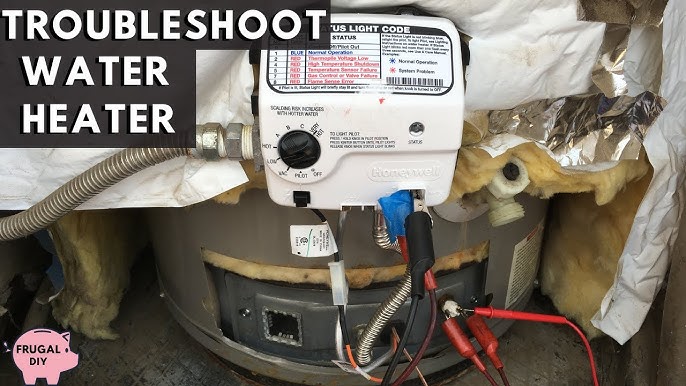
Common signs point to a valve problem. Here are symptom and cause pairs.
- No heat even when the thermostat calls for heat. Often a dead valve coil or no power.
- Intermittent heat or short runs. Can be a sticky valve or dirty pilot assembly.
- Clicking but no ignition. May be a weak gas supply or blocked pilot.
- Smell of gas or unusual burner behavior. Could be a leak or failed seal.
- Valve hums or buzzes. Often low voltage or coil stress.
Common root causes include wiring faults, failed coils, clogged ports, bad control boards, and low gas pressure. Regular checks catch many issues early.

Step-by-Step Troubleshooting Guide
Follow safety first. Always shut off gas and power when working on gas valves. Use short tests. Take notes.
Tools to gather first
- Multimeter for voltage and continuity.
- Manometer for gas pressure.
- Small wrench set and nut drivers.
- Leak detector spray or soapy water.
- Replacement valve or coil if needed.
Initial safety check
- Turn off electrical power to the unit.
- Turn off the gas supply at the shutoff valve.
- Ventilate the area. Smell test for gas. If strong gas smell, call a pro.
Visual inspection
- Look for loose wires or burned connectors.
- Inspect for oil, dirt, or corrosion around the valve.
- Check mounting screws and the pilot tubing.
Power and signal checks
- Turn power back on with gas still off.
- Measure control voltage at the valve terminals when the thermostat calls for heat.
- Typical control voltage is 24 VAC for many Honeywell valves. No voltage means a thermostat, transformer, or control board issue.
Coil and continuity tests
- Remove power.
- Test coil continuity with a multimeter.
- A steady low resistance indicates a coil. An open coil fails.
- Very high or very low values can mean the coil is bad.
Resistance reference tips
- Many Honeywell valve coils read between 10 and 200 ohms.
- Check exact model specs. Compare measured values to specs before assuming failure.
Solenoid and mechanical checks
- With power off, try to move the valve actuator gently.
- Do not force it. A stuck actuator may need cleaning.
- Avoid disassembling sealed valves. Replace if sealed.
Pilot and ignition checks
- Inspect the pilot or hot surface igniter for cleanliness.
- Clean flame sensors with fine steel wool or an emery cloth.
- A weak flame signal can cause the valve to shut off.
Gas pressure and flow
- Use a manometer to test manifold pressure while the burner is firing.
- Low gas pressure can mimic valve failure.
- If pressure is low, contact the gas company or a licensed technician.
Leak testing
- Turn on gas and use a leak detector spray on joints.
- Look for bubbles at fittings. Tighten or replace fittings as needed.
When to replace the valve
- Coil is open or shorted.
- Internal seals leak or valve is sticky after safe cleaning.
- Valve fails safety checks or shows intermittent internal faults.
Document each test. This helps if you need a pro later. I often keep a small log on site with values and steps taken.

Tools and Parts You Need
Keep these on hand for Honeywell Gas Valve Troubleshooting.
- Multimeter: For voltage and continuity checks.
- Manometer: For accurate gas pressure testing.
- Leak detector spray: For safe leak checks.
- Replacement gasket or valve: For final repairs.
- Insulated screwdrivers and pliers: For safe work.
- Safety gloves and eye protection: For personal safety.
Having the right parts saves time. I pack spare coils and common Honeywell valve models on service trucks.

When to Call a Pro
Call a licensed technician if any of the following apply.
- You smell gas strongly. This is an emergency.
- You lack permits or local code knowledge for gas work.
- Tests show low system pressure or complex control faults.
- The valve is sealed or the unit is under warranty.
- You are unsure after basic checks.
Professional techs handle complex repairs, follow codes, and can certify work. Do not delay calling help for safety issues.
Preventive Maintenance and Best Practices
Simple upkeep reduces failures and keeps systems safe.
- Schedule annual HVAC checks before cold months.
- Keep burners and pilots clean. A small brush helps.
- Replace brittle or corroded wiring.
- Check for gas leaks at each service call.
- Use OEM replacement parts for best fit.
I once found a failing valve caused by a nesting insect blocking a vent. A quick inspection avoided a full replacement. Small checks matter.

Common Models and Specific Notes
Honeywell uses many valve families. Note common points.
- VR Series: Often used in residential furnaces. Check coil resistance specs.
- V8000 Series: Stepper motor operation. Do not force the actuator.
- S86 and S8610: Safety relays combined with valves on commercial units. Test control board signals.
- Replacement parts: Match model numbers exactly to avoid fit or function issues.
Model-specific manuals list exact voltages and resistance values. Always follow those specs.

Frequently Asked Questions of Honeywell Gas Valve Troubleshooting
What is the first thing to check when a Honeywell gas valve won't open?
Check for 24 VAC at the valve when the thermostat calls for heat. No voltage usually means a control or transformer issue.
Can I test a Honeywell gas valve coil with a multimeter?
Yes. Test continuity and resistance with power off. An open circuit means the coil has failed.
How do I know if the valve is stuck or the pilot is bad?
Check the pilot flame and clean the orifice. If the valve still does not open with correct voltage, the valve may be stuck or defective.
Is it safe to disassemble a Honeywell gas valve?
Do not disassemble sealed valves. Only perform external checks and replace the valve if internal parts are suspected faulty.
How often should I service a Honeywell gas valve?
Service yearly as part of HVAC maintenance. Regular checks catch wear and prevent failures.
Can low gas pressure mimic a valve failure?
Yes. Low supply pressure can prevent the valve from delivering fuel and mimic valve failure symptoms.
Conclusion
Honeywell Gas Valve Troubleshooting starts with safety, clear checks, and the right tools. Follow the simple steps here to test power, coils, pilot, and pressure. If tests point to internal failure or you smell gas, call a licensed pro. Apply regular maintenance and use OEM parts to reduce future calls. Try the basic checks today, keep notes, and subscribe to updates or ask a question below if you need more help.

