

Most Resideo gas valve issues stem from wiring, power, or stuck internal components.
I have spent years fixing HVAC parts and training techs on safe, reliable repairs. This guide on Resideo Gas Valve Troubleshooting cuts through jargon. You will get clear steps to find causes, test parts, fix common faults, and know when to call a pro. Read on for hands-on tips, safety rules, and real-world fixes that work.

36% off Today’s Exclusive Deals
Limited-time Exclusive Deals. Check current discount on Amazon.
Check Price on Amazon As an Amazon Associate I earn from qualifying purchases.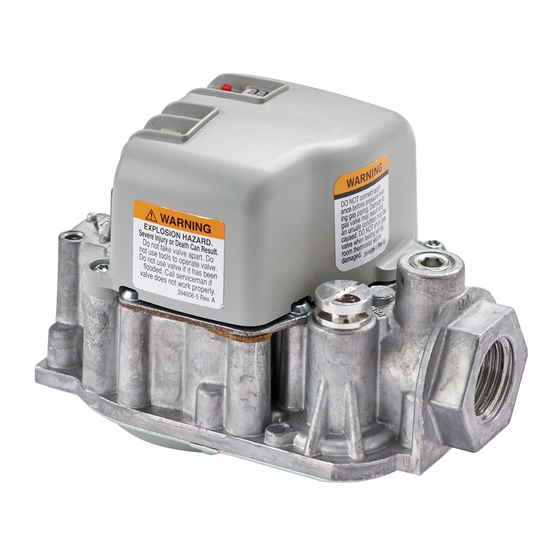
How a Resideo gas valve works and why it fails
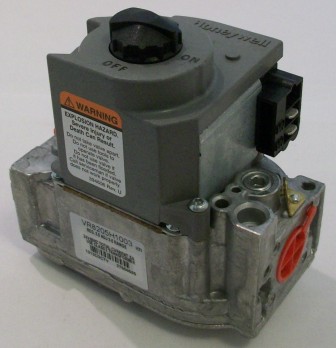
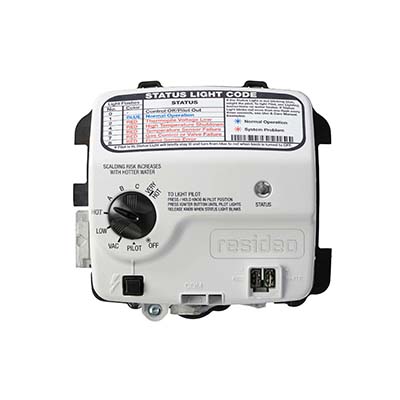
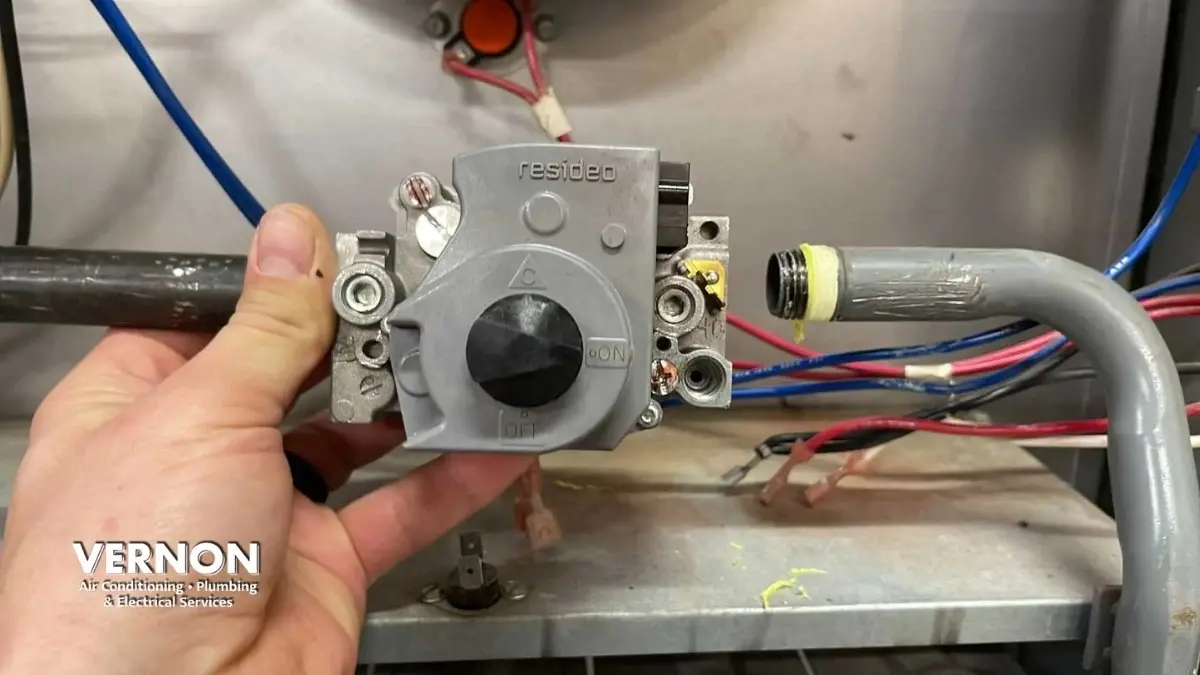
A Resideo gas valve controls gas flow to the burner. It opens and closes when the thermostat calls for heat. The valve uses a coil, diaphragm, and solenoid or stepper motor. If one part fails, the valve may not open or close correctly.
Common failure reasons include:
- Power loss to the valve
- Faulty wiring or loose connectors
- Stuck valve from dirt or corrosion
- Failed solenoid or motor
- Control board or thermostat issues
Understanding these basics helps you do Resideo Gas Valve Troubleshooting safely and fast. In my shop most failures were wiring or debris. I often fixed those in under an hour.

Safety first: what to do before any troubleshooting
Always put safety above speed. Gas systems can be dangerous if mishandled.
Steps to stay safe:
- Turn off power to the furnace at the breaker.
- Close the gas shutoff valve if you will work on the valve block.
- Ventilate the area if you smell gas.
- Use a gas leak detector or soapy water on joints to check for leaks.
- Wear gloves and eye protection.
If you smell gas and cannot stop it, leave the area and call your gas company or emergency services. Follow these safety steps before any Resideo Gas Valve Troubleshooting.
Tools and parts you will need
Keep basic tools ready. They make troubleshooting faster and safer.
Essentials:
- Multimeter with AC/DC voltage and continuity
- Screwdrivers and nut drivers
- Pipe wrench or adjustable wrench
- Gas leak detector or soapy water and brush
- Replacement valve or solenoid (if required)
- Manufacturer wiring diagram or manual
Having the right tools saves time during Resideo Gas Valve Troubleshooting. When I lacked a multimeter, I made poor calls. A meter gives clear answers.

Symptom checklist: what to look for
Start by matching symptoms to likely causes. This narrows tests.
Common symptoms and likely causes:
- No heat and no clicking: power or thermostat issue
- Clicking but no gas: stuck valve or blocked gas line
- Burner lights then shuts off: safety switch or gas pressure issue
- Hissing or smell of gas: stuck open valve or leak
- Error codes on control board: control or sensor fault
Use this list to plan your Resideo Gas Valve Troubleshooting steps. Note times and patterns. That often points to the root cause.
Step-by-step Resideo Gas Valve Troubleshooting
Follow a clear order. Test simple things first. Move to deeper checks next.
- Verify power and thermostat
- Check circuit breaker and switch.
- Set thermostat to heat and raise setpoint.
- Measure 24V at the thermostat terminals and at the valve control wires.
- Inspect wiring and connectors
- Look for burnt wires or loose terminals.
- Tighten screw terminals and reseat plug connectors.
- Listen and look during a call for heat
- A click at the valve often means the coil is energized.
- If you hear no click, the coil may not be getting power.
- Test valve coil with a multimeter
- Measure coil resistance per spec. Many coils read 20–200 ohms depending on model.
- Check for continuity. Open coil means failure.
- Check gas supply and pressure
- Confirm gas valve upstream is open.
- Measure manifold pressure with a gauge if you are qualified.
- Test control signal and safety interlocks
- Verify flame sensor, pressure switch, and limit switches are closed when needed.
- Bypass only for testing and with safety in mind.
- Replace valve if internal parts fail
- If the coil is good but the valve does not open, the internal diaphragm or motor may be bad.
- Replace with the exact Resideo model or approved substitute.
These steps form a clear workflow for Resideo Gas Valve Troubleshooting. Take notes at each step. That record helps if you call for help.
How to test a Resideo gas valve coil safely
A coil test is a fast way to find faults. Do not power the valve with the gas line open unless you are sure the valve works.
Quick coil test:
- Turn off power. Disconnect the valve connector.
- Set multimeter to ohms. Measure coil resistance across coil pins.
- Compare reading to the spec. A very high or infinite reading means open coil.
- With power on and gas off, measure for 24VAC at the coil terminals during a call for heat.
If you read correct voltage but coil is open or unresponsive, swap the valve. I once traced a furnace no-heat issue to a bad coil that read open. It saved the customer a long service call.
Cleaning, minor fixes, and when to replace parts
Some valves fail from dirt or stickiness. Clean and test before replacing.
Cleaning and minor fixes:
- Turn off gas and power. Remove valve per manual.
- Clean deposits with a soft brush and approved cleaner.
- Check pilot orifice if present and clear obstructions.
- Replace gaskets when reassembling.
Replace the valve when:
- Coil is open or out of spec
- Internal parts are damaged or corroded
- Valve sticks after cleaning
- Manufacturer recommends replacement for safety
I once cleaned a valve that solved a hard start. But do not ignore a worn valve. Replacement is safer and often more cost-effective than repeated fixes.

Troubleshooting error codes and control signals
Modern furnaces show codes that point to the issue. Use the board code chart.
Steps:
- Note the flash or code sequence on the control board.
- Match code to the likely component (flame sensor, pressure switch, valve).
- Verify the control sends 24VAC to the valve during a call for heat.
- If the control never reaches the valve, fix controls or wiring first.
Resideo Gas Valve Troubleshooting often ends at the control board. I have seen good valves fail to operate due to a bad board. Test both sides.
Maintenance tips to avoid future valve problems
A little care prevents many issues.
Maintenance checklist:
- Schedule annual HVAC tune-ups
- Keep air filters clean to reduce soot and deposits
- Check gas pressure during routine service
- Inspect valve and piping for corrosion
- Replace old valves proactively if parts are obsolete
Routine care cuts down on emergency Resideo Gas Valve Troubleshooting calls. I recommend a yearly check each fall.
When to call a professional
Know your limits. Gas work can be risky and may require licensed techs.
Call a pro if:
- You smell gas and cannot stop it
- You lack the tools to test safely
- The valve needs replacement and code work is needed
- The issue involves gas pressure or complicated wiring
A certified tech will ensure code compliance and safe replacement. I always advise getting help for gas line changes or manifold work.
Parts, warranties, and replacement costs
Expect varied costs and options. Price depends on model and labor.
What to expect:
- Replacement valve cost ranges widely by model
- OEM Resideo parts often cost more than generic valves
- Labor costs depend on complexity and local rates
- Check warranty before replacing; some valves are under factory warranty
If the valve is still under warranty, document your tests and contact support. That can save money and time.
Personal experiences and lessons learned
I have repaired many Resideo valves over the years. Most fixes were simple. Many were loose wires or dirty parts. A few required full valve swaps.
Lessons I learned:
- Always start with power and wiring checks.
- Keep a good multimeter. It is the best money spent.
- Document tests to avoid repeated work.
- Never bypass safety switches for long. Short tests only.
These practical tips come from real jobs and help you do safer Resideo Gas Valve Troubleshooting.
PAA-style questions you might search for
How do I know if my Resideo gas valve is bad?
- Look for no heat with calls for heat, clicking without gas flow, or burned wiring. Test coil resistance and 24VAC control signal.
Can a thermostat cause gas valve failure?
- Yes. A bad thermostat can fail to send 24VAC to the valve. Test voltage at the valve during a call for heat.
Is it safe to clean a gas valve myself?
- You can clean external parts with power and gas off. Do not disassemble sealed sections unless you are trained.
How long does a Resideo gas valve last?
- Many valves last 10–15 years with good care. Harsh conditions can shorten life.
Will a stuck valve cause a gas leak?
- A stuck open valve can cause a leak. If you smell gas, shut off supply and call a pro immediately.
Frequently Asked Questions of Resideo Gas Valve Troubleshooting
How do I reset a Resideo gas valve?
Reset is usually done by cycling power to the furnace. Turn off breaker, wait 30 seconds, then restore power. This can clear control board faults but not fix a bad valve.
What voltage should I see at the valve?
You should see about 24VAC at the valve control terminals when the thermostat calls for heat. If voltage is present but valve does not open, the valve is likely bad.
Can a dirty flame sensor mimic a valve problem?
Yes. A dirty flame sensor can cause the burner to shut off, which looks like a valve fault. Clean the sensor and retest the system.
Is it okay to test the valve with gas on?
It is safer to turn off the gas when doing internal checks. You can measure control voltage with gas on, but avoid extended live testing if the valve is suspected faulty.
How long does replacement take?
A valve replacement often takes one to two hours for a trained tech. Time varies with access, piping work, and code requirements.
Conclusion
This guide gives clear, safe steps for Resideo Gas Valve Troubleshooting. Follow safety rules, test power and wiring first, and use a meter for quick answers. Start with simple fixes and call a pro for gas or complex electrical issues. Try the steps above, keep notes, and schedule regular service to avoid future problems. If this helped, share your experience or ask a question below, and consider subscribing for more hands-on HVAC tips.

