

A bad coil stops spark; test, inspect, then replace if resistance or spark fail.
I have spent years fixing small engines and diagnosing ignition parts. This guide on Lawn Mower Coil Troubleshooting pulls that hands‑on experience into clear steps. You will learn what a coil does, how to spot failure, safe tests you can run at home, and when to repair or replace the part. Read on for practical, low-cost fixes and pro tips to get your mower running again.

36% off Today’s Exclusive Deals
Limited-time Exclusive Deals. Check current discount on Amazon.
Check Price on Amazon As an Amazon Associate I earn from qualifying purchases.
What is a Lawn Mower Coil and Why It Matters
A coil is the small ignition unit that creates the high voltage spark for the spark plug. It sits near the flywheel and works with the magnet to pulse electricity at the right time. A failing coil means weak spark, rough idle, hard starting, or no start at all. Lawn Mower Coil Troubleshooting focuses on this part because it is a common point of failure on small engines and often a simple fix.
Common Symptoms Pointing to Coil Problems
- Engine will not start even with fresh fuel and a clean air filter.
- Engine cranks but there is no spark at the plug.
- Engine starts then dies quickly, often when warmed.
- Intermittent spark that changes with vibration.
- Visible burn marks, cracks, or corrosion on the coil or plug wire.
These signs help narrow down whether the coil is the issue or if the problem is fuel, carburetion, or compression. Lawn Mower Coil Troubleshooting starts with symptoms like these to avoid wasted repairs.
Tools and Safety Checklist for Lawn Mower Coil Troubleshooting
- Multimeter with ohms and continuity functions.
- Spark tester or spare spark plug and insulated pliers.
- Socket set and screwdrivers for access.
- Feeler gauge or small ruler for gap checks.
- Safety gloves and eye protection.
- Spark plug wrench and boot puller.
Safety steps:
- Remove spark plug wire before working.
- Disconnect spark plug to prevent accidental starts.
- Work on a cool engine and stable surface.
- Keep fuel away from sparks and work in a ventilated area.
A clean, safe setup makes Lawn Mower Coil Troubleshooting faster and lowers risk.

Step-by-Step Lawn Mower Coil Troubleshooting
- Visual inspection first. Look for cracks, melted plastic, loose wires, or oil contamination.
- Check spark plug and wire. Swap in a known good plug. Tighten boot firmly.
- Test for spark with a spark tester. Crank the engine and watch for a bright blue spark.
- Test kill switch wiring. Bypass the switch briefly to rule out a grounding fault.
- Measure coil resistance. Use multimeter to test primary and secondary coils per manufacturer spec.
- Check flywheel magnet. Ensure magnets are clean and not loose. Weak magnets cause weak spark.
- Re-check connections and reassemble. Try starting with new plug if tests look good.
Each step is part of Lawn Mower Coil Troubleshooting. Progress from easy checks to electrical tests to save time.

How to Test a Mower Coil: Methods and Expected Results
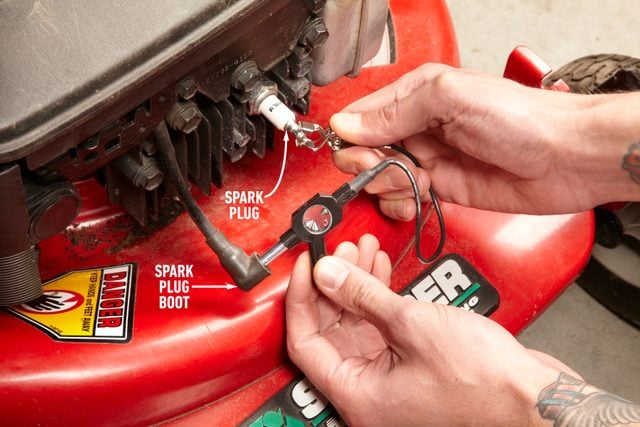
- Spark tester method:
- Remove plug and connect to tester.
- Ground the tester to engine.
- Crank engine and observe spark. Bright blue spark is healthy. Weak orange or no spark indicates trouble.
- Multimeter resistance method:
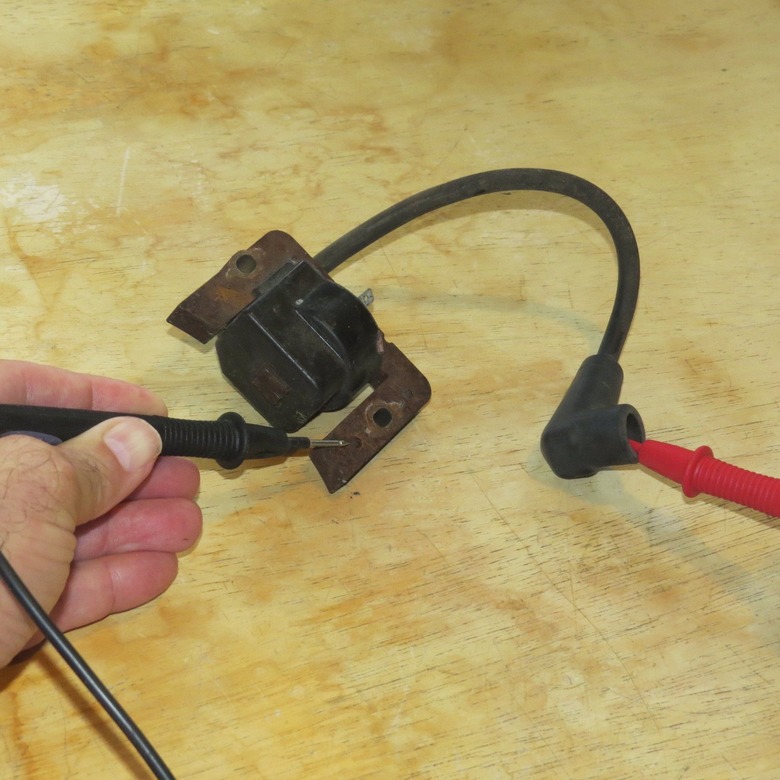
- Primary coil: measure between kill/contact terminal and coil ground. Expect low ohms (often 0.2–5 ohms) but check specs.
- Secondary coil: measure between output terminal (to spark plug) and coil ground. Expect high ohms (several kilo-ohms).
- Continuity and short checks:
- No continuity where continuity is expected indicates open coil.
- Very low resistance on the secondary could mean a short.
PAA-style questions:
- Can I test the coil without a multimeter? Yes. Use a spark tester or spare plug to check for spark. This is a fast practical test.
- What if the coil resistance is off by a little? Small variations can be okay, but large deviations usually mean the coil needs replacement.
I once found a coil that passed the secondary test but failed under load. Repeating the spark test while cranking exposed an intermittent internal break. That taught me to always do both types of tests.

Common Coil Faults and Solutions
- Open coil windings: Replace the coil. Winding repair is rarely practical.
- Shorted windings: Replace the coil to restore correct resistance.
- Cracked or damaged housing: Replace to avoid moisture and oil ingress.
- Faulty kill switch wiring: Repair or replace switch and harness.
- Weak magnet or gap out of spec: Clean magnets or reset gap per spec.
- Oil contamination: Clean or replace coil and address engine leaks.
Fixes often mean replacement parts or minor wiring repairs. Lawn Mower Coil Troubleshooting aims to isolate these faults quickly.

When to Replace the Coil and How to Install a New One
When to replace:
- No spark after basic tests.
- Measured resistance far outside the spec range.
- Physical damage, burning, or oil saturation.
- Intermittent spark that appears tied to vibration.
Installation steps:
- Label and disconnect wires. Keep photos to aid reassembly.
- Remove flywheel shroud and any covers.
- Unbolt old coil and clean mounting area.
- Fit new coil and set air gap. Typical gap is 0.010–0.020 inches but check your manual.
- Re‑torque fasteners and route wires away from heat and moving parts.
- Reinstall spark plug and test for spark before full reassembly.
Use OEM or high-quality aftermarket coils. A correct gap and clean magnets make a big difference for reliable spark. Lawn Mower Coil Troubleshooting ends well when the new coil is fitted and tested.
Maintenance Tips to Prevent Coil Failures
- Keep the engine clean. Dirt and grass clogging cause heat build-up.
- Replace old spark plugs on schedule to lower coil stress.
- Fix oil leaks quickly to prevent coil contamination.
- Store mower under cover to avoid moisture damage.
- Check wiring and boots each season for cracks or corrosion.
Small routine steps reduce the chance of coil failure and make Lawn Mower Coil Troubleshooting less needed.
Troubleshooting Scenarios and Quick Fixes
Scenario 1: Mower cranks but won't run after sitting overnight.
- Likely moisture or a flooded plug. Clean or replace the plug. Test spark. Check coil if no spark.
Scenario 2: Mower runs, then dies when hot.
- Suspect an intermittent coil fault or heat‑sensitive wiring. Test coil after warm‑up or replace coil.
Scenario 3: Mower sparks but misfires under load.
- Weak coil or weak magnet. Check resistance and magnet condition. Replace coil if weak.
These short scenarios cover common calls I get from neighbors and clients. Lawn Mower Coil Troubleshooting under real conditions often follows these patterns.
Frequently Asked Questions of Lawn Mower Coil Troubleshooting
How do I know if my mower coil is bad?
A bad coil gives no spark, a weak spark, or intermittent spark. Test with a spark tester and a multimeter to confirm.
Can I replace a mower coil myself?
Yes. With basic tools and safety steps you can replace a coil. Follow the air gap and wiring instructions for your model.
What resistance should a mower coil read?
Primary resistance is usually low, secondary is high. Check your mower manual for exact values. Large deviations mean replacement.
Is a weak spark always the coil?
Not always. Weak spark can come from bad plug, gap issues, weak flywheel magnets, or wiring faults. Test each component.
How long do mower coils last?
Coils can last many seasons, but heat, oil, and vibration shorten life. Regular checks extend service life.
Can a bad coil damage other parts?
A failing coil rarely damages other parts but can cause hard starting and stress on the starter system. Replace a faulty coil promptly.
Conclusion
Lawn Mower Coil Troubleshooting is a practical skill that saves time and money. Start with visual checks, test for spark, use a multimeter, and replace the coil when tests or damage indicate failure. Small fixes and routine care can prevent most coil problems. Try the steps here, and leave a note if you need help with a specific model or symptom. Consider subscribing for more small engine repair tips or sharing your experience in the comments.

