

A clean carpet can transform the look and feel of your home. It adds warmth, comfort, and style to any room, but it also collects dust, dirt, stains, and allergens over time. Many people think cleaning a carpet is simple—just vacuum it.
But deep cleaning your carpet is more complex and, when done right, can extend its life by years. If you want your carpet to stay beautiful and fresh, knowing how to clean it properly is essential.

36% off Today’s Exclusive Deals
Limited-time Exclusive Deals. Check current discount on Amazon.
Check Price on Amazon As an Amazon Associate I earn from qualifying purchases.This guide will show you how to clean a carpet step-by-step. You’ll learn about different cleaning methods, tools, and products. You’ll discover how to treat stains, remove odors, and keep your carpet looking great for longer. Whether your carpet covers a small bedroom or your entire living room, these tips will help you keep it clean and healthy.
Understanding Your Carpet
Before cleaning, it’s important to understand what type of carpet you have. Carpets come in different materials and constructions, each with its own needs.
Carpet Fiber Types:
- Nylon: Durable, resists wear, common in busy homes.
- Polyester: Soft, resists stains, but can flatten over time.
- Olefin (Polypropylene): Good for basements, resists moisture, less soft.
- Wool: Natural, luxurious, but sensitive to harsh chemicals.
Check the carpet’s label or ask your installer if you’re not sure. Using the wrong cleaning method can damage certain fibers. For example, wool carpets should not be cleaned with strong chemicals.
Pile Height and Style:
- Cut pile: Soft, easy to clean, but can show footprints.
- Loop pile (Berber): Hides dirt, but snags easily.
- Shag: Very plush, but traps a lot of dust and needs more care.
Practical tip: Always test a small, hidden area before using any new cleaner or tool on your carpet.
Essential Tools And Products
Cleaning a carpet well requires the right equipment and products. Here are the most common tools used:
- Vacuum cleaner (with strong suction and adjustable height)
- Carpet brush or stiff-bristled broom
- Spray bottle (for applying solutions)
- Clean white cloths or towels
- Bucket
- Carpet shampoo or specialized cleaning solution
- Baking soda (for deodorizing)
- Wet/dry vacuum or carpet cleaner machine (for deep cleaning)
- Fans or open windows (for drying)
If you have pets or children, choose non-toxic and fragrance-free products. Avoid using colored cloths, as dyes can transfer to your carpet.
Non-obvious insight: Many people forget to change the vacuum bag or filter, which can reduce suction and leave dirt behind. Always check your vacuum before starting.
Regular Carpet Maintenance
Regular care is the key to a clean carpet. With the right habits, you’ll reduce the need for deep cleaning and protect your carpet’s fibers.
Vacuuming
Vacuum your carpet at least once a week. In high-traffic areas, like hallways or living rooms, you may need to vacuum two or three times a week.
How to vacuum properly:
- Go slowly so the vacuum can lift embedded dirt.
- Vacuum in overlapping rows, first in one direction, then in the opposite direction.
- Use the crevice tool for edges and corners.
Data point: According to the Carpet and Rug Institute, regular vacuuming can remove up to 75% of dry soil from a carpet.
Spot Cleaning
Deal with spills and stains right away. The longer a stain sits, the harder it is to remove.
Steps for spot cleaning:
- Blot the spill with a clean, dry cloth. Don’t rub—it can push the stain deeper.
- Use a small amount of water or club soda to loosen the stain.
- Apply a carpet stain remover or a homemade solution (like vinegar and water).
- Blot again until the stain lifts.
- Rinse with clean water and blot dry.
Non-obvious insight: Always blot from the outside of the stain toward the center. This keeps the spill from spreading.
Deep Cleaning Methods
Vacuuming isn’t enough to remove all dirt and allergens. Every 6–12 months, deep clean your carpet for the best results.
Diy Deep Cleaning
You can rent or buy a carpet cleaning machine (sometimes called a steam cleaner, though most use hot water extraction). These machines spray hot water and cleaning solution into the carpet, then extract the dirty water.
Steps for using a carpet cleaner:
- Vacuum the carpet thoroughly.
- Fill the machine with hot water and cleaning solution.
- Work in small sections, moving the machine slowly.
- Overlap each pass and go over each area at least twice.
- Empty the dirty water tank regularly.
- Allow the carpet to dry completely—use fans or open windows to speed up drying.
Table: Comparison of DIY Deep Cleaning vs. Professional Cleaning
| Aspect | DIY Deep Cleaning | Professional Cleaning |
|---|---|---|
| Cost | Lower ($30–$60 per session) | Higher ($100–$250 per room) |
| Time Required | 2–4 hours | 1–2 hours (team works faster) |
| Effectiveness | Good for surface dirt | Deep, thorough cleaning |
| Drying Time | 6–12 hours | 4–8 hours (better extraction) |
| Convenience | More effort, heavy machine | Easy, handled by pros |
Professional Cleaning
Hiring a professional can save time and deliver a deeper clean. Professionals use powerful equipment and know how to handle different carpet types. They often offer services like hot water extraction, dry cleaning, or bonnet cleaning.
When to call a professional:
- Your carpet has tough stains you can’t remove.
- Your carpet smells musty or feels sticky.
- You haven’t deep cleaned your carpet in over a year.
- Your carpet warranty requires professional cleaning.
Tip: Ask your cleaner about their process and drying times. Some companies leave carpets wetter than others.
Removing Common Carpet Stains
Stains are a big reason carpets look old and dirty. Some stains are easy to remove, while others need special care.
Food And Drink Stains
Coffee, wine, juice, and soda can leave strong stains. Blot up the spill right away, then apply a mix of white vinegar and water. For red wine, sprinkle salt on the stain first to absorb the liquid.
Pet Stains
Pet accidents are common and can cause odors if not treated quickly.
- Blot up as much liquid as possible.
- Apply an enzymatic cleaner—these break down proteins and remove smells.
- Rinse with water and blot dry.
Grease And Oil
Grease stains from food or shoes are tricky. Sprinkle baking soda or cornstarch on the spot to absorb the oil. After 15–30 minutes, vacuum up the powder, then clean with a mild dish soap solution.
Ink And Paint
For ink, use a bit of isopropyl alcohol on a cloth and dab gently. For paint, act quickly—remove as much wet paint as possible, then use warm soapy water.
Gum And Wax
To remove gum, press ice cubes on the gum until it hardens, then scrape it off gently with a spoon. For candle wax, use a brown paper bag and a warm iron—place the bag over the wax and iron on low heat, which will transfer the wax to the paper.
Table: Common Stains and Removal Methods
| Stain Type | First Step | Cleaning Solution | Special Tips |
|---|---|---|---|
| Coffee/Wine | Blot spill | Vinegar & water | Apply salt for red wine |
| Pet Urine | Blot, remove solids | Enzyme cleaner | Avoid heat (sets odor) |
| Grease/Oil | Sprinkle baking soda | Mild dish soap | Let powder sit 30 min |
| Ink | Blot, no rubbing | Isopropyl alcohol | Test on hidden spot first |
| Wax/Gum | Freeze or heat | N/A | Use spoon or iron carefully |
Deodorizing And Freshening Your Carpet
Even if your carpet looks clean, it can hold odors from pets, spills, or smoke. Here’s how to keep it smelling fresh.
Baking Soda Method
Baking soda is a natural deodorizer. Sprinkle it generously over your carpet, let it sit for 15–30 minutes, then vacuum thoroughly. For extra freshness, mix a few drops of essential oil with the baking soda before sprinkling.
Commercial Carpet Powders
You can buy special carpet deodorizers at most stores. These products often include fragrances, but read the label if you have allergies or pets.
Removing Smoke Or Musty Odors
- Open windows and use fans to air out the room.
- Place bowls of baking soda around the room to absorb odors.
- Deep clean the carpet if smells persist.
Non-obvious insight: Odors often come from the carpet pad beneath, not just the fibers. If smells linger after cleaning, the pad may need replacement.
:max_bytes(150000):strip_icc()/how-to-deep-clean-carpet-4846968-13-27b8dee78c064e2194506d3d2a704bc2.jpg)
Drying The Carpet Properly
After cleaning, drying your carpet well is critical. A wet carpet can grow mold and mildew in as little as 24 hours.
Drying tips:
- Open windows and doors for airflow.
- Use fans, especially directed at the carpet.
- If possible, use a dehumidifier.
- Avoid walking on the carpet until fully dry.
Data point: The Environmental Protection Agency (EPA) recommends drying carpets within 24–48 hours after cleaning to prevent mold growth.
Preventing Future Dirt And Damage
Preventing dirt is easier than removing it. Here are practical steps to keep your carpet clean longer:
- Place doormats at all entrances and ask people to wipe their feet.
- Remove shoes before walking on carpet.
- Move furniture occasionally to avoid wear marks.
- Use area rugs or runners in high-traffic areas.
- Trim pets’ nails to prevent snags.
- Rotate heavy furniture to prevent permanent dents.
- Clean spills immediately.
Table: Prevention Strategies and Benefits
| Prevention Step | Benefit |
|---|---|
| Doormats at entrances | Reduces soil tracked indoors |
| No shoes policy | Keeps oils and dirt away |
| Rotate furniture | Even wear, fewer dents |
| Area rugs in traffic zones | Protects main carpet surface |
| Immediate spill cleaning | Prevents stains from setting |
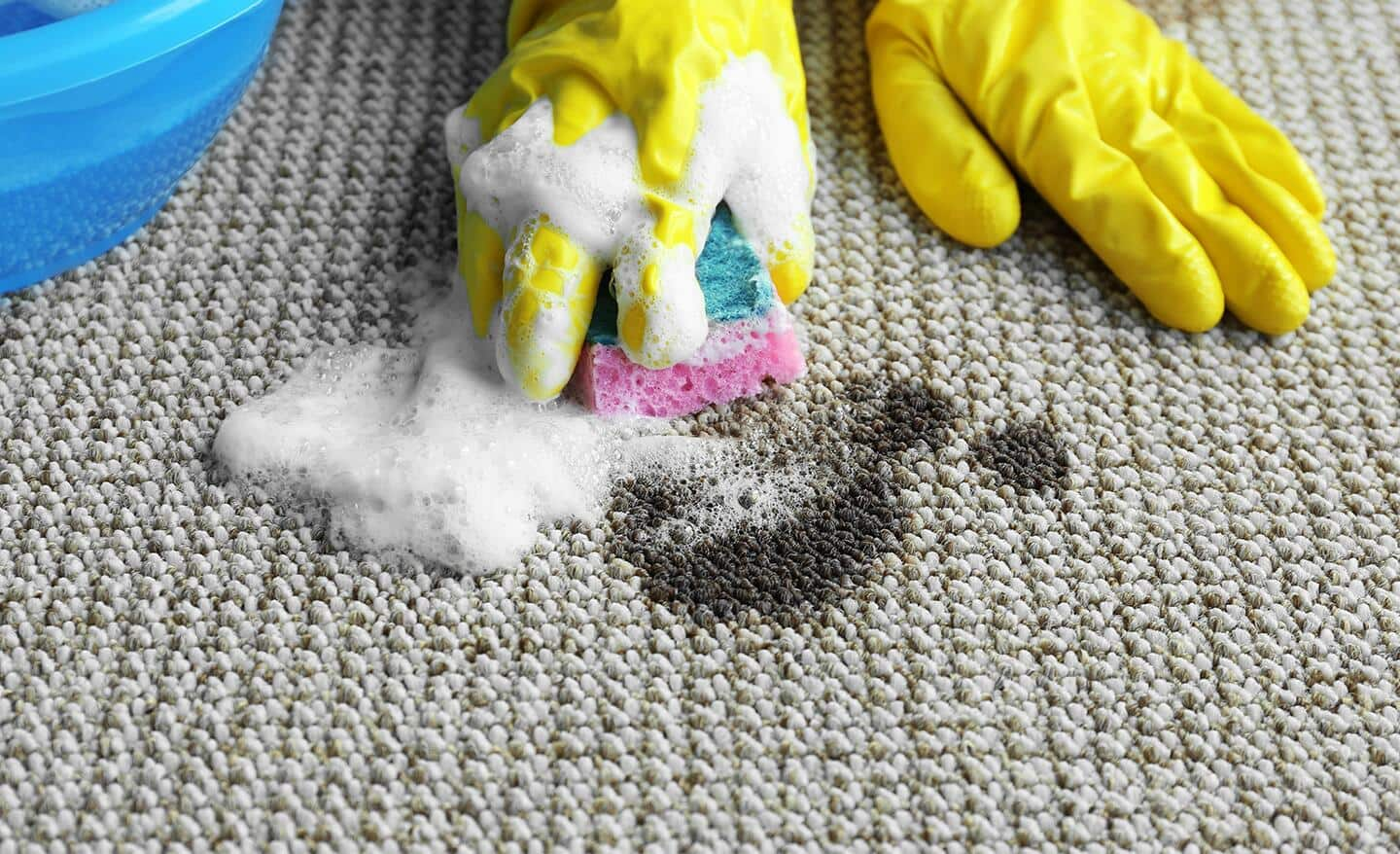
Homemade Carpet Cleaning Solutions
If you prefer to avoid commercial chemicals, you can make simple and effective cleaners at home.
All-purpose Carpet Cleaner
- 1 cup warm water
- 1 tablespoon white vinegar
- 1 teaspoon mild dish soap
Mix in a spray bottle. Spray lightly on stains, let sit for a few minutes, then blot with a clean cloth.
Baking Soda And Vinegar For Deodorizing
Sprinkle baking soda on the carpet, spray with a mix of equal parts water and vinegar, let fizz, then vacuum once dry.
Club Soda For Stains
Club soda works well on fresh stains like wine or juice. Pour on the stain, blot with a cloth, and repeat as needed.
Tip: Never over-wet your carpet with homemade solutions. Too much moisture can cause mold and damage.
Carpet Cleaning Myths And Mistakes
Many people make mistakes that can damage their carpet or make cleaning harder. Here are some myths to avoid:
- Myth: “Steam cleaning always shrinks carpets.”
Fact: Most carpets handle hot water extraction well if done properly. Shrinking usually happens with natural fibers that get too wet.
- Myth: “More soap means a cleaner carpet.”
Fact: Excess soap leaves residue, which attracts more dirt.
- Mistake: Scrubbing stains instead of blotting.
Scrubbing pushes stains deeper and damages fibers.
- Mistake: Waiting too long to clean spills.
The faster you act, the better your chance of removing the stain.
- Myth: “Vacuuming too often wears out carpet.”
Regular vacuuming actually protects carpet fibers from wear.
:max_bytes(150000):strip_icc()/clean-carpet-without-vacuum-5080448-03-9ee57b3b58fc40dd9bc9f096295d21ab.jpg)
Eco-friendly Carpet Cleaning
If you care about the environment, there are ways to clean your carpet without harsh chemicals.
- Use plant-based cleaners with eco-labels.
- Try homemade solutions like vinegar and baking soda.
- Choose carpet cleaning companies that use green methods.
- Recycle old carpets and pads when replacing them.
External reference: Learn more about eco-friendly carpet care from the EPA Safer Choice program.
When To Replace Your Carpet
No carpet lasts forever. If your carpet is still dirty or smells even after deep cleaning, it may be time for a replacement. Signs it’s time to replace:
- Carpet is over 10–15 years old.
- It’s matted down and no longer bounces back.
- There are tears, burns, or permanent stains.
- You notice allergy symptoms even after cleaning.
Tip: When replacing, ask about stain-resistant and low-allergen carpet options.
Frequently Asked Questions
How Often Should I Deep Clean My Carpet?
Most carpets should be deep cleaned every 6 to 12 months. High-traffic areas or homes with pets and children may need more frequent cleaning. Always check your carpet warranty, as some require professional cleaning every year.
Can I Use Bleach On My Carpet?
Bleach is not safe for most carpets. It can remove color and weaken fibers. Use safer alternatives like vinegar-based solutions or products made specifically for carpets.
Why Does My Carpet Smell After Cleaning?
A wet carpet can develop musty odors if it doesn’t dry quickly. Make sure to ventilate the room and use fans. Lingering smells may also mean the padding is still wet or there is mold underneath.
What’s The Best Way To Remove Pet Urine From Carpet?
Blot up as much as possible, then use an enzymatic cleaner. These break down the urine crystals and remove odor. Avoid using hot water, which can set the smell.
Is Professional Carpet Cleaning Worth The Money?
Professional cleaning can reach deeper dirt and restore your carpet’s appearance. It’s especially useful for tough stains, large areas, or annual maintenance. For best results, combine regular DIY care with occasional professional cleaning.
A clean carpet makes your home feel fresh, healthy, and welcoming. With the right habits, tools, and cleaning methods, you can keep your carpet looking great for years to come. Remember, quick action on spills, regular vacuuming, and periodic deep cleaning are your best defense against dirt and stains.
Choose safe cleaning products, avoid common mistakes, and don’t hesitate to call professionals when needed. With this knowledge, you’re ready to enjoy a cleaner, more comfortable home.

