

Studying is something almost everyone must do, but few people learn how to study effectively. Many students spend hours with books and notes, but feel frustrated when results don’t match their effort. If you want to make your study time count, you need strategies that work for you.
Whether you’re preparing for exams, learning a new skill, or just trying to improve your grades, effective study methods can transform your performance. In this guide, you’ll discover proven techniques, common mistakes to avoid, and practical advice that helps you become a smarter, more efficient learner.

36% off Today’s Exclusive Deals
Limited-time Exclusive Deals. Check current discount on Amazon.
Check Price on Amazon As an Amazon Associate I earn from qualifying purchases.Why Effective Study Matters
Studying isn’t just about memorizing facts. It’s about understanding, remembering, and applying knowledge. Research shows that students who use active learning strategies perform better than those who only read or review notes. For example, a 2019 study published in Science found that students who practiced retrieval (testing themselves) scored up to 50% higher than students who only reread material. Effective study methods help you:
- Save time by focusing on what matters
- Retain information longer
- Reduce stress before exams
- Boost confidence and motivation
If you master how to study effectively, you can achieve better results with less effort.
Finding Your Optimal Study Environment
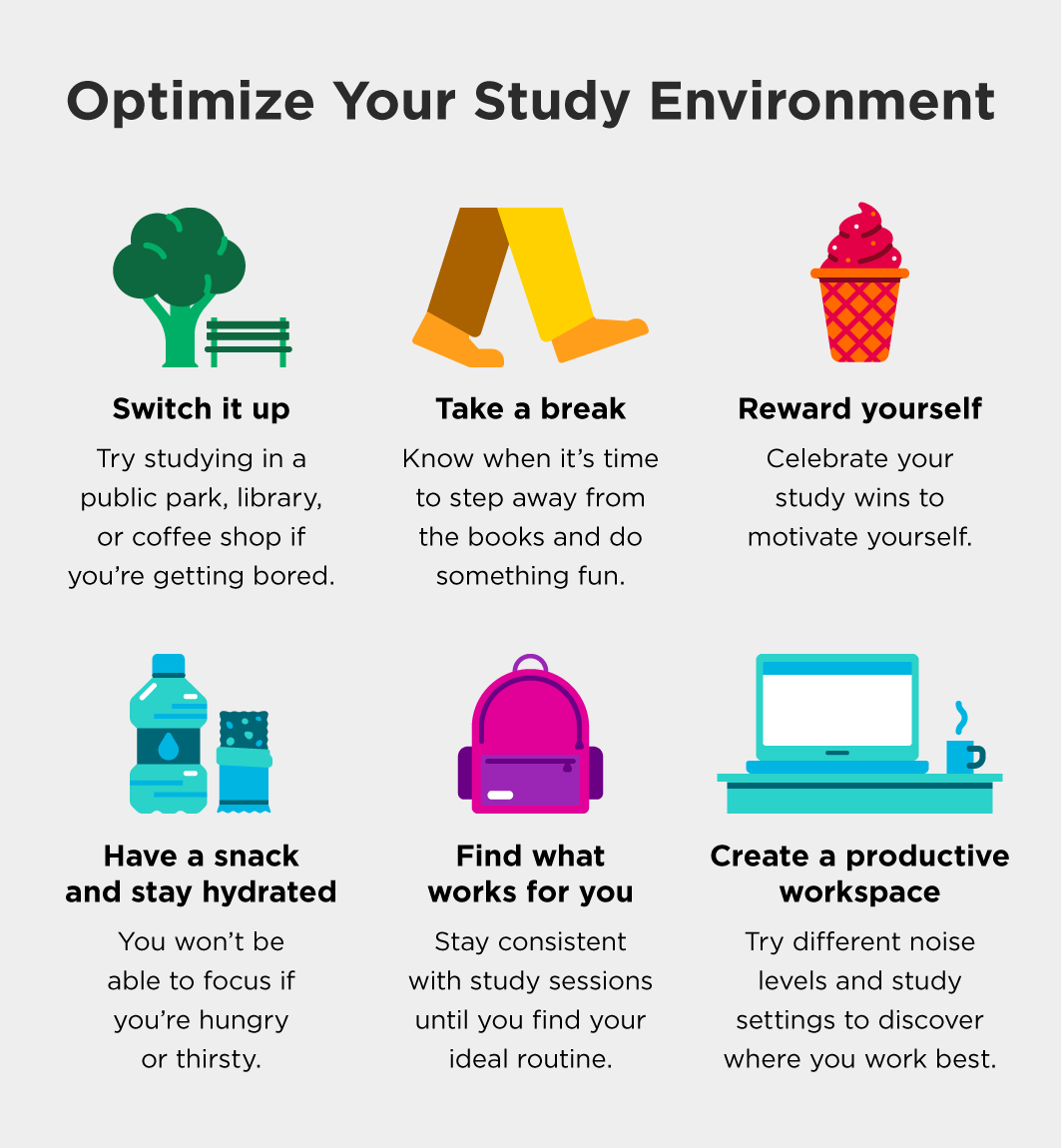
Where you study can make a big difference. The right environment helps you concentrate, reduces distractions, and keeps you motivated.
Key Factors For A Good Study Space
- Quietness: Choose a place with minimal noise, like a library or a quiet room.
- Comfortable seating: Use a chair and desk that support good posture.
- Lighting: Natural light is best, but a desk lamp works too.
- Organization: Keep your materials tidy so you don’t waste time searching.
Avoid studying in bed or places where you often relax. Your brain connects those spaces with rest, not learning.
Comparison Of Study Environments
Here’s a quick look at how different spaces compare:
| Environment | Noise Level | Distractions | Comfort | Recommended? |
|---|---|---|---|---|
| Library | Low | Few | Good | Yes |
| Bedroom | Medium | Many | Fair | No |
| Café | Variable | Some | Good | Sometimes |
| Living Room | High | Many | Fair | No |
Planning Your Study Sessions
A good plan makes studying less stressful and more productive. You don’t need to study for hours at a time—short, focused sessions are more effective.
The Power Of Scheduling
Set a study schedule that fits your daily life. For example, study in 25–50 minute blocks, with short breaks in between (known as the Pomodoro Technique). This keeps your brain fresh and prevents burnout.
- Morning sessions: Best for memorizing new material
- Afternoon sessions: Good for reviewing and practicing
- Evening sessions: Useful for light review, not heavy learning
Sample Weekly Study Plan
| Day | Session 1 | Session 2 | Session 3 |
|---|---|---|---|
| Monday | Math (25 min) | Break (10 min) | Science (25 min) |
| Tuesday | History (30 min) | Break (10 min) | Language (30 min) |
| Wednesday | Review (20 min) | Practice (20 min) | Break (10 min) |
Adjust your plan to match your strengths and weaknesses. Don’t forget to include time for rest, exercise, and fun.
Setting Clear Goals
Effective study starts with clear, realistic goals. Vague goals like “study math” don’t help much. Instead, make your goals specific.
Examples:
- “Complete chapter 5 exercises”
- “Memorize 20 new vocabulary words”
- “Review class notes for tomorrow’s test”
Write your goals before each session. This keeps you focused and makes it easy to see progress.
Active Learning Techniques
Passive studying—just reading or listening—does not work as well as active learning. When you engage with the material, your brain builds stronger connections.
Retrieval Practice
Testing yourself is one of the best ways to learn. Instead of rereading, try to recall information from memory. Use flashcards, practice quizzes, or simply write down what you remember.
Spaced Repetition
Review material over several days instead of cramming. Apps like Anki use spaced repetition to help you remember facts long-term.
Teaching Others
Explain concepts to a friend or family member. If you can teach it, you understand it. Even talking to yourself works!
Mind Mapping
Draw diagrams that connect ideas. Mind maps help you see relationships and organize your thoughts.
Note-taking Strategies
Good notes help you remember and review information. But not all note-taking methods are equal.
The Cornell Method
Divide your page into three sections: notes, cues, and summary. During class, write key points in the notes section. Afterward, add questions or keywords in the cues area. Summarize the main ideas at the bottom.
Outlining
Make a list of topics, subtopics, and details in a clear, organized format. This works well for subjects with lots of facts.
Visual Notes
Use charts, diagrams, or sketches. Visual notes are great for science, math, or complex concepts.
Comparison Of Note-taking Methods
| Method | Best For | Easy to Review? | Visual Elements |
|---|---|---|---|
| Cornell | Lectures, textbooks | Yes | Few |
| Outlining | Facts, details | Yes | Few |
| Visual Notes | Complex ideas | No | Many |
Managing Distractions And Staying Focused
Distractions are a big reason why many people struggle with studying. Your phone, social media, and noisy environments can ruin your concentration.
Practical Ways To Stay Focused
- Turn off notifications on your phone and computer.
- Use apps that block distracting websites (like Freedom or Cold Turkey).
- Tell family or friends not to disturb you during study time.
- Keep snacks and water nearby to avoid getting up often.
- If your mind wanders, write down distracting thoughts and return to them after studying.
Many people forget that distraction isn’t just external. Internal distractions—like stress or hunger—can break your focus too.
Memorization Techniques That Work
If you need to remember facts, formulas, or vocabulary, use methods that make memorizing easier.
Mnemonics
Create short phrases or acronyms to help recall information. For example, “PEMDAS” for math order of operations.
Visualization
Picture information in your mind. For example, imagine a story that includes the facts you need to remember.
Chunking
Break information into small groups. Instead of memorizing 10 numbers, remember two groups of five.
Real-life Example
A medical student used mnemonics and spaced repetition to remember over 200 drug names. By reviewing daily for 10 minutes, she scored in the top 5% of her class.
Using Technology For Better Studying
Modern tools can boost your learning if you use them wisely.
Useful Study Apps
- Quizlet: Create flashcards and quizzes.
- Anki: Spaced repetition for long-term memory.
- Google Keep: Simple note-taking and lists.
Online Resources
Educational websites like Khan Academy, Coursera, and Wikipedia offer free lessons and practice exercises. Choose resources that match your needs and learning style.
Digital Vs. Paper Notes
Some students prefer digital notes for easy searching and sharing. Others find that writing by hand helps them remember better. Try both and see what works best for you.
Reviewing And Self-testing
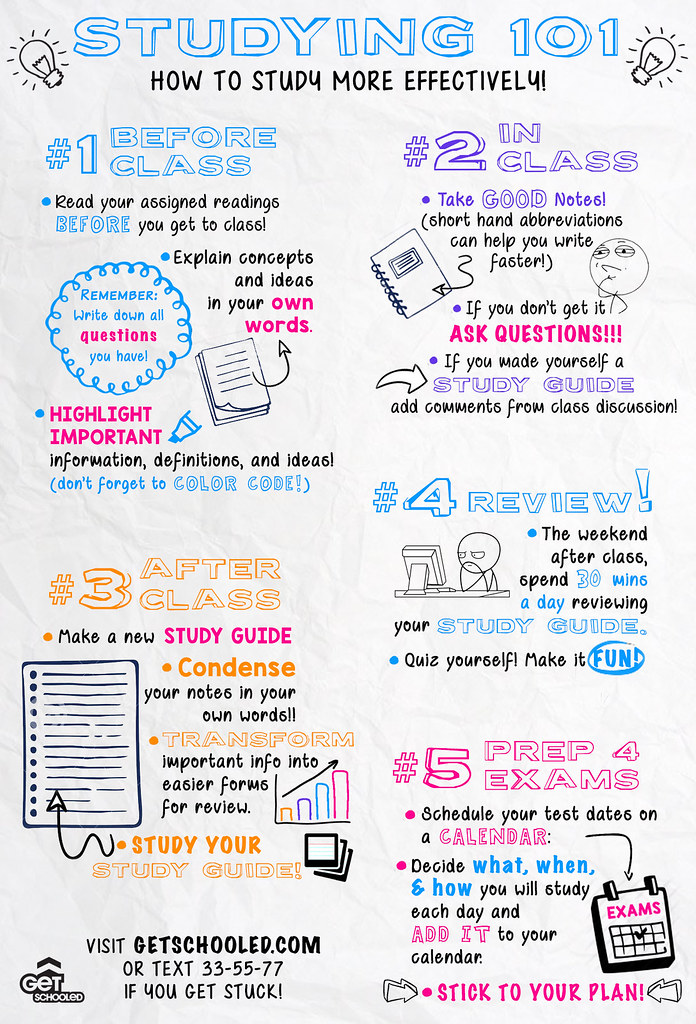
Reviewing is not just about reading your notes again. It’s about making sure you understand and can recall the information.
How To Review Effectively
- Take practice tests
- Summarize information in your own words
- Explain concepts to others
- Use flashcards regularly
Self-testing is the most powerful review method. Research shows that students who test themselves remember up to 70% more than those who only review notes.
Dealing With Procrastination
Procrastination is common, but it can ruin your study plans. You can fight it with simple steps.
Practical Tips
- Break big tasks into small steps.
- Set a timer and promise yourself to study for just 10 minutes.
- Reward yourself after finishing a session.
- Keep a checklist to mark your progress.
A non-obvious insight: Many people procrastinate because they fear failure. If you focus on progress, not perfection, you’ll study more easily.
Taking Care Of Your Body And Mind
Studying isn’t only about your brain. Your health affects your learning.
Sleep
Sleep is essential for memory and concentration. Aim for 7–9 hours per night. Lack of sleep can lower your test scores by up to 30%, according to research.
Nutrition
Eat balanced meals with protein, fruits, and vegetables. Avoid too much sugar or caffeine, which can cause crashes and reduce focus.
Exercise
Physical activity boosts brain function. Even a short walk can improve your mood and memory.
Stress Management
Use deep breathing, meditation, or relaxation techniques to reduce stress. When you’re calm, you learn better.
Common Study Mistakes And How To Avoid Them
Many students make the same mistakes over and over. Here’s what to watch out for:
- Cramming: Trying to learn everything the night before an exam. This leads to quick forgetting.
- Passive studying: Only reading or listening, not practicing.
- Ignoring weak areas: Focusing only on topics you already know.
- Multitasking: Studying while watching TV or chatting. This lowers retention.
- Skipping breaks: Studying for hours without rest can cause fatigue and reduce learning.
To avoid these mistakes, use active learning, take regular breaks, and review your weakest topics first.
Adjusting Your Approach Based On Subject
Different subjects need different strategies.
Math And Science
Practice problems, review formulas, and use visual aids like charts.
Languages
Memorize vocabulary, practice speaking, and listen to native speakers.
History And Social Studies
Use timelines, outlines, and story-based memorization.
Comparison Of Study Strategies By Subject
| Subject | Best Technique | Common Mistake | Tip |
|---|---|---|---|
| Math | Practice problems | Just reading notes | Write steps out |
| Language | Flashcards, speaking | Only memorizing lists | Use real conversations |
| History | Timelines, stories | Memorizing dates | Connect events logically |
| Science | Diagrams, practice | Reading only | Draw and explain concepts |
Tracking Progress And Staying Motivated
Seeing your improvement keeps you motivated. Use simple tracking methods:
- Keep a journal of what you studied each day.
- Mark completed tasks on a checklist.
- Review old tests and notes to see how much you’ve learned.
A non-obvious insight: If you celebrate small wins, your motivation stays strong. Don’t wait for big results—reward yourself for each step forward.
Frequently Asked Questions
What Is The Most Effective Study Technique?
The most effective technique is retrieval practice, or self-testing. Research shows it helps you remember and understand material better than passive review. Combine it with spaced repetition for best results.
How Long Should I Study Each Day?
You should study as much as needed for your goals, but quality is more important than quantity. Most people do well with 1–2 hours per day, broken into short sessions. Avoid marathon sessions, which lead to fatigue.
How Can I Avoid Distractions While Studying?
Turn off notifications, use apps to block websites, and create a dedicated study space. Let others know you need quiet time. If you get distracted easily, try studying in a library or with a group that stays focused.
Are Digital Notes Better Than Paper Notes?
Digital notes are easier to organize and search. Paper notes may help you remember better because writing by hand engages your brain. Try both and see which works best for you. Some students mix both methods.
What Should I Do If I Feel Stuck Or Overwhelmed?
Break tasks into smaller steps, ask for help from teachers or classmates, and take short breaks to refresh your mind. Focus on progress, not perfection. If you feel stressed, use relaxation techniques or talk to someone.
Studying effectively is a skill you can build with practice. By using proven techniques, avoiding common mistakes, and taking care of your body and mind, you’ll see real improvement in your learning. Remember, it’s not about how many hours you study—it’s about how well you use your time.
Take small steps, track your progress, and celebrate your achievements. With these strategies, you’ll become a confident, successful learner.

