

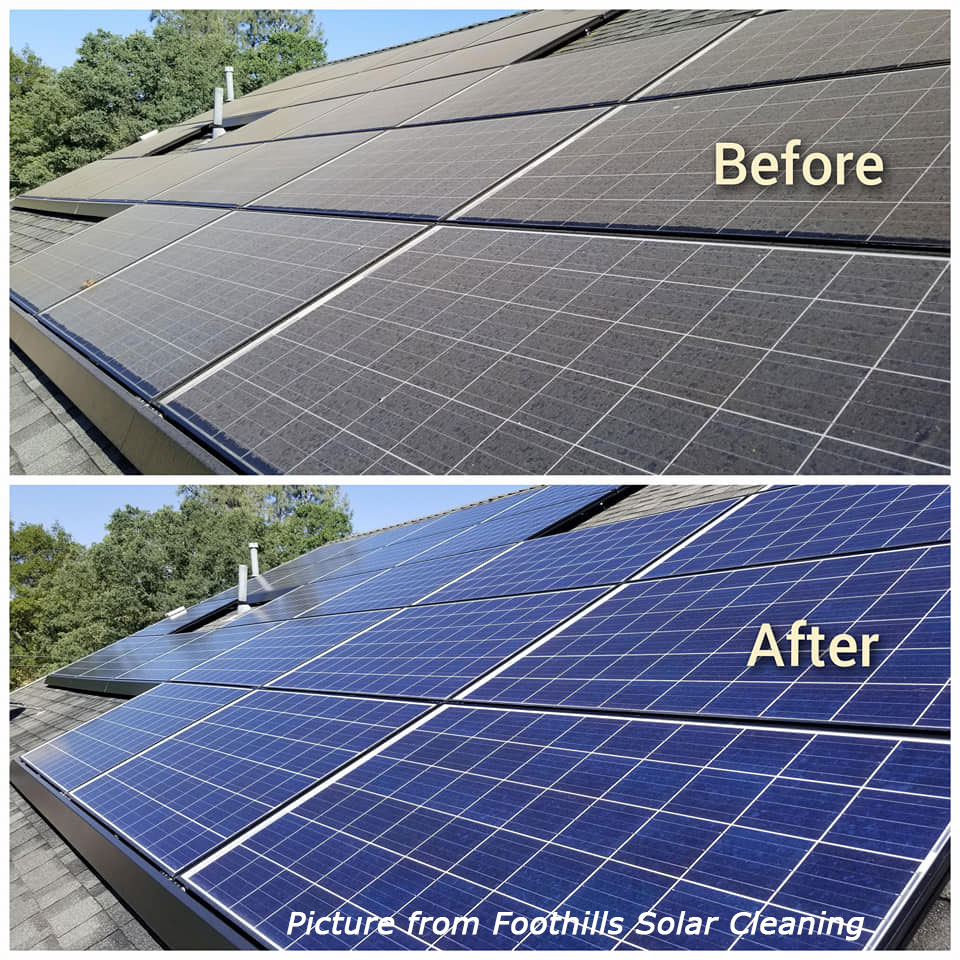
If you own solar panels, you already know they are a smart investment for saving money and helping the environment. But many people forget that solar panels need regular cleaning to work their best. Dust, dirt, leaves, bird droppings, and pollution can block sunlight, reducing how much energy your panels produce. Some studies show dirty panels may lose up to 25% of their efficiency. So, cleaning is not just about looks—it’s about getting the most power from your system.
Cleaning solar panels may sound simple, but doing it wrong can cause damage, void warranties, or even be dangerous. You don’t need special skills, but you do need to know the safest and most effective methods. Whether you have panels on your roof, in your backyard, or at a business, this guide will help you keep them clean and efficient.

36% off Today’s Exclusive Deals
Limited-time Exclusive Deals. Check current discount on Amazon.
Check Price on Amazon As an Amazon Associate I earn from qualifying purchases.You’ll learn what to use, how often to clean, common mistakes to avoid, and even how weather and location affect cleaning. Let’s dive in and make sure your solar panels stay in top shape.
Why Clean Solar Panels?
Solar panels work by capturing sunlight and turning it into electricity. Anything that blocks sunlight—like dust or leaves—lowers the amount of power they produce. Here’s why cleaning matters:
- Efficiency loss: Dirty panels can produce much less energy. In dry, dusty climates, loss can reach 20–25%.
- Long-term savings: Clean panels mean lower energy bills and a faster return on your investment.
- Protects your panels: Dirt and grime can cause scratches or corrosion over time, reducing panel lifespan.
- Warranty requirements: Many manufacturers require regular cleaning to keep warranties valid.
A study by the National Renewable Energy Laboratory (NREL) found that cleaning panels in dusty areas can increase energy output by 15–25%. Even in less dusty places, rain isn’t always enough to wash away sticky debris like bird droppings or tree sap.
How Often Should You Clean Solar Panels?
There’s no single answer for how often to clean your panels. It depends on where you live, how much dust is in the air, and if birds or trees are nearby. Here are some guidelines:
- Every 6 months: For most homes in moderate climates.
- Every 3 months: If you live near roads, factories, or in areas with lots of dust.
- After storms: Clean panels after heavy storms if you see debris or mud.
- When energy drops: If your system shows lower output, it could be time to clean.
Some solar monitoring apps show your panels’ performance. Watch for sudden drops, which can mean dirt buildup.
What Tools And Materials Do You Need?
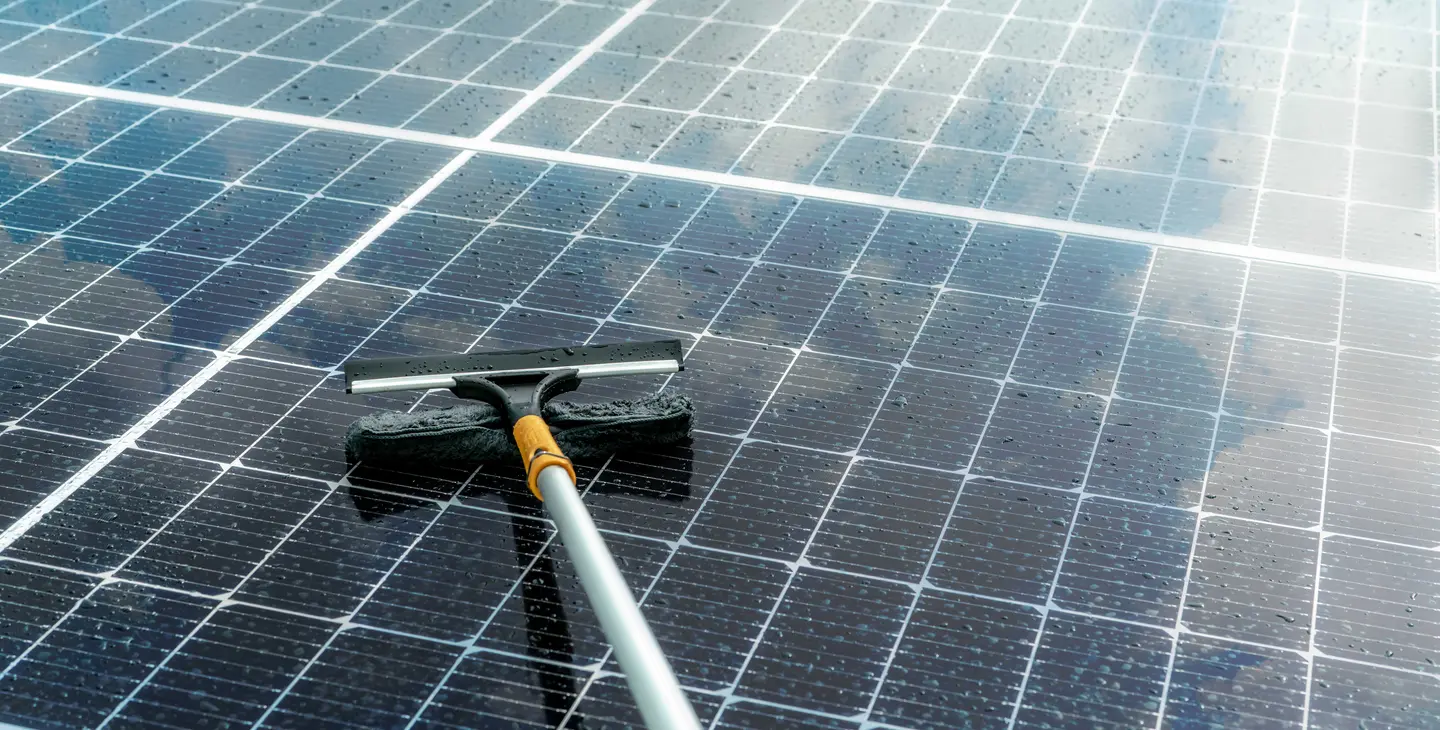
You don’t need expensive tools, but using the right materials keeps your panels safe and clean. Here’s what you should have:
- Soft brush or sponge: Avoid anything abrasive.
- Bucket of clean water: Tap water is fine for most panels.
- Mild soap: Only use non-abrasive, non-chemical soap.
- Garden hose: For rinsing panels from a safe distance.
- Extension pole: Helps reach panels without climbing.
- Safety gear: Gloves, non-slip shoes, and harness if on a roof.
Never use high-pressure washers or harsh chemicals—they can damage the panel’s surface and wiring.
| Tool | Purpose | Safety Level |
|---|---|---|
| Soft brush | Removes dust and leaves | Safe |
| Sponge | Cleans sticky spots | Safe |
| Garden hose | Rinses dirt | Safe if used gently |
| Pressure washer | Not recommended | Unsafe |
| Extension pole | Reaches panels | Safe |
Step-by-step Guide To Cleaning Solar Panels
Cleaning solar panels is not complicated, but following the right steps makes sure you don’t damage your system or risk your safety.
Step 1: Check Safety
Always start by making sure you can reach your panels safely. If your panels are on a roof, use a sturdy ladder, non-slip shoes, and a harness if possible. Never clean panels during wet or windy weather. If you’re unsure, hire a professional.
Step 2: Turn Off The System
Before cleaning, turn off your solar panel system. Check your manufacturer’s instructions for how to do this. This keeps you safe from electric shocks and protects the panels.
Step 3: Remove Loose Debris
Use a soft brush or leaf blower to remove leaves, twigs, and dust. Do not scrape or use metal tools.
Step 4: Rinse With Water
Use a garden hose to gently rinse the panels. Avoid spraying water directly into the sides or under the panels, as this can damage wiring.
Step 5: Wash With Soap And Water
Mix mild soap with water in a bucket. Use a soft sponge or brush to gently wash the panel surface. Clean sticky spots, like bird droppings, carefully. Don’t scrub hard.
Step 6: Rinse Again
Rinse panels with clean water to remove soap residue. Soap left on panels can attract more dirt and reduce efficiency.
Step 7: Dry Panels
Let panels air dry. If you need to wipe them, use a soft, lint-free cloth. Do not use paper towels—they may scratch the glass.
Step 8: Turn The System Back On
After panels are dry, turn your solar system back on. Check performance to see if there’s a boost in power output.

Common Mistakes To Avoid
Even experienced owners sometimes make errors when cleaning their solar panels. Here are common mistakes:
- Using abrasive tools: Brushes with hard bristles or metal scrapers can scratch the panel’s glass.
- High-pressure water: Pressure washers can damage the seal and wiring.
- Cleaning during hot hours: Water can evaporate quickly, leaving streaks or spots. Clean in the early morning or late afternoon.
- Not turning off the system: Always turn off panels before cleaning.
- Ignoring safety: Never clean panels when wet or windy, and always use proper safety gear.
Many beginners overlook that rainwater is not always enough to clean panels. Rain can wash away loose dirt, but it does not remove sticky debris or oily grime.
Diy Vs Professional Cleaning
You can clean solar panels yourself, but sometimes hiring a professional is the smarter choice. Here’s how they compare:
| Method | Cost | Safety | Effectiveness |
|---|---|---|---|
| DIY | Low | Depends on skill | Good for light dirt |
| Professional | Higher | Very safe | Best for heavy buildup |
Professional cleaners use special equipment and may spot problems like cracks or loose wires that you could miss. If your panels are very dirty, hard to reach, or you’re concerned about safety, hiring a pro is wise.
How Weather And Location Affect Cleaning
Your local climate and environment change how often—and how—you should clean solar panels.
- Dry, dusty climates: Panels get dirty quickly. Clean every 2–3 months.
- Rainy climates: Rain helps, but still check for sticky dirt.
- Near trees: Watch for leaves, bird droppings, and sap. Clean often.
- Urban areas: Pollution can leave a film on panels. Clean more frequently.
A non-obvious insight is that pollen can build up during spring and cause a yellow film, which is often missed by owners. Also, in snowy areas, snow can block sunlight, but never use sharp tools to remove it; let it melt naturally or use a soft brush.
Preventing Dirt And Debris Buildup
Keeping panels clean starts with preventing dirt from landing on them.
- Trim nearby trees: Fewer leaves and less shade.
- Install bird deterrents: Spikes or nets keep birds from nesting near panels.
- Avoid placing panels near chimneys: Ash and soot can settle on panels.
- Use panel tilt: Steeper angles help rain wash away dirt.
Some owners miss that shade not only blocks sunlight but also allows moisture to build up, leading to moss or algae growth. If you notice green patches, clean them quickly.
Cleaning Solar Panels In Special Situations
Cleaning Panels On The Roof
Roof panels are harder to reach and riskier. Always use a harness and stable ladder. If you feel unsafe, hire a professional.
Cleaning Ground-mounted Panels
Ground panels are easier to clean. Just follow basic steps, but still avoid using abrasive tools or strong water pressure.
Cleaning Large Commercial Arrays
For businesses with many panels, cleaning is often done with specialized machines or robots. These systems use soft brushes and purified water to avoid mineral deposits.
Cleaning After Fire Or Heavy Pollution
If you live near a wildfire or factory, ash and oily residue can cover panels. Use extra water and mild soap. You may need to clean more often during these events.
What Happens If You Don’t Clean Your Panels?
Ignoring cleaning can cause several problems:
- Reduced efficiency: Less energy means higher bills.
- Permanent stains: Bird droppings and sap can leave marks if not removed quickly.
- Shorter lifespan: Dirt can cause corrosion or damage seals.
- Warranty issues: Manufacturers may deny claims if panels are not maintained.
Some solar panel owners miss that buildup can sometimes cause “hot spots”—parts of the panel overheat and get damaged, leading to expensive repairs.
Comparing Cleaning Methods
Solar panel cleaning methods vary in cost, time, and effectiveness. Here’s a quick comparison.
| Method | Cost | Time Needed | Best For | Drawbacks |
|---|---|---|---|---|
| Manual (DIY) | Low | 1–2 hours (for home) | Light dirt | Risk of scratches, safety |
| Professional cleaning | $100–$300 | 30–60 minutes | Heavy buildup, safety | Cost |
| Automated robots | High | Quick | Large arrays | Expensive |
Eco-friendly Cleaning Tips
Solar panels are already eco-friendly, but you can go further by choosing green cleaning methods.
- Use biodegradable soap: Avoid chemicals.
- Use recycled water: If possible, reuse water for cleaning.
- Skip power washers: Use manual tools for less energy and water waste.
Some companies offer eco-friendly cleaning services. Look for local providers who use solar-powered cleaning equipment.
Monitoring Panel Performance After Cleaning
After cleaning, check your panel’s performance. Most systems have monitoring apps or display screens. Compare energy output before and after cleaning. If you see a big jump, you removed a lot of dirt. If not, check for other problems like shade or wiring issues.
Some owners forget to check panel tilt and alignment after cleaning. If panels move during cleaning, make sure they face the correct direction.
When Should You Call A Professional?
Sometimes cleaning is not enough. Call a professional if:
- Panels are hard to reach or on steep roofs.
- There is sticky, oily, or heavy buildup.
- You see cracks, loose wires, or strange noises.
- You feel unsafe doing the job yourself.
Professionals can also inspect your system for problems and offer advice for better maintenance.
Frequently Asked Questions
How Much Does It Cost To Clean Solar Panels?
For most homes, professional cleaning costs between $100 and $300. DIY cleaning is much cheaper, costing only a few dollars for soap and water. Large commercial arrays may cost more, especially if robots or special machines are used.
Can Rain Clean Solar Panels?
Rain helps remove loose dirt, but it doesn’t clean sticky debris like bird droppings or sap. You still need to clean panels manually or hire a professional for best results.
Is It Safe To Walk On Solar Panels?
No, walking on panels can crack the glass and damage wiring. Always use a ladder and extension pole to reach panels. If you need to access roof panels, use proper safety gear.
What Is The Best Time Of Day To Clean Solar Panels?
Clean panels in the early morning or late afternoon. Avoid cleaning during hot hours, as water dries quickly and leaves streaks. Cooler times are also safer for you.
Where Can I Find More Information About Solar Panel Maintenance?
You can learn more from the U.S. Department of Energy, which offers guides on cleaning, maintenance, and safety for solar panel owners.
Taking care of your solar panels is not difficult, but it does require attention and the right approach. Cleaning them regularly keeps your system efficient, lowers your energy bills, and protects your investment for years to come. By following these steps, using safe tools, and avoiding common mistakes, you’ll get the most out of your solar panels—now and in the future.

