

Is Jackery Explorer 1000 V2 Worth It?
=========================================================
If you need reliable portable power, the Jackery Explorer 1000 V2 stands out as a strong option. This updated model offers more features, improved safety, and better efficiency than the original. But is it really worth your money? Let’s look closely at its capabilities, real-world performance, and how it compares to other portable power stations.
Key Features And Upgrades
Jackery listened to feedback and made several improvements with the Explorer 1000 V2. Here are the most important changes:

36% off Today’s Exclusive Deals
Limited-time Exclusive Deals. Check current discount on Amazon.
Check Price on Amazon As an Amazon Associate I earn from qualifying purchases.- Higher output: The V2 model delivers up to 1200W continuous power and 2400W peak. This lets you run more devices at once—fridges, laptops, TVs, and even small power tools. For example, you can use a coffee maker or a small electric grill at your campsite without worrying about tripping the power.
- Better battery technology: It now uses LiFePO4 batteries. These last up to 10 years and offer over 3,000 charge cycles. That’s double the lifespan of the old lithium-ion version. LiFePO4 also handles deep discharges better, so you can use more of the battery’s capacity without harming its life.
- Enhanced safety features: The V2 includes advanced BMS protection against overcharging, overheating, and short circuits. This is especially important if you’re using it in hot environments or around children and pets.
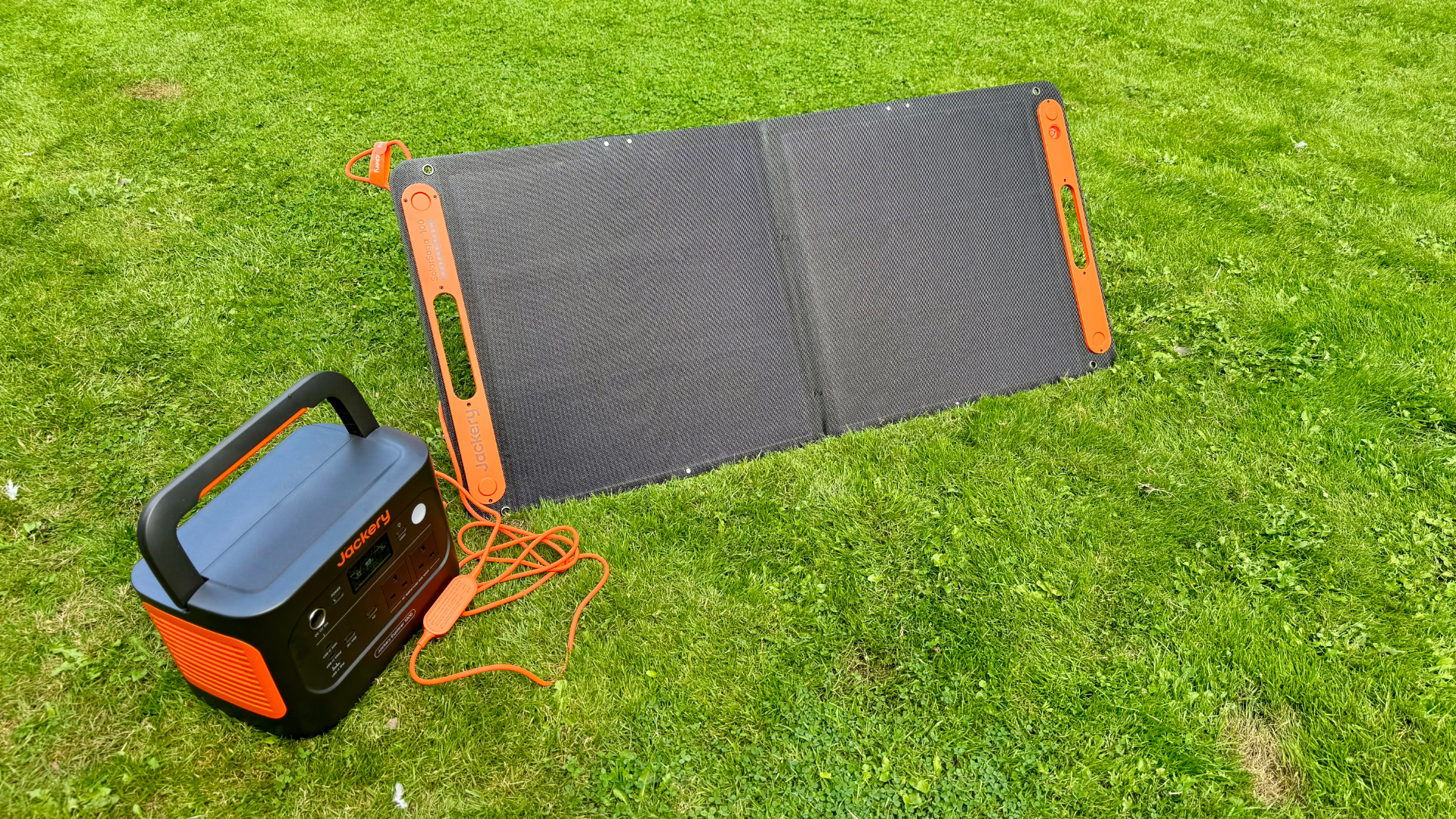
- Faster charging: You can fully recharge it in about 1.8 hours using AC power, or 2-2.5 hours with two solar panels. If you’re on the road, this means less downtime and more convenience. Even if you’re using just one solar panel, it’s still much faster than previous models.
- Improved display: The new display is clearer, showing real-time input/output, battery status, and warnings. You can easily see how much power you have left and which devices are drawing the most energy.
These upgrades make the V2 a safer, longer-lasting, and more versatile power station. One detail many users miss: the V2’s battery is less affected by cold temperatures, so you get more reliable performance during winter trips.
Real-world Performance
The Explorer 1000 V2 is designed for both outdoor and home use. It’s especially popular for camping, RV trips, and emergency backup. It also works well for people who work remotely in nature or need power during tailgating events.
Here’s how it performs:
- Capacity: The battery stores 1002Wh. That’s enough to run a mini fridge for 13–15 hours or charge a laptop 10–12 times. For phones, you can get up to 90 charges, which means a family of four can keep devices running for a full weekend.
- Port variety: You get three AC outlets, two USB-C, two USB-A, and one car outlet. This covers most charging needs, including newer laptops, drones, and cameras. Having more USB-C ports is helpful, as more devices now support fast charging through USB-C.
- Noise: It’s silent when running—no loud fans or engine sounds. This is a big plus if you’re using it in a tent or indoors at night, where noise can be disruptive.
To help you visualize its capacity, here’s a comparison table:
| Device | Usage Time/Charges (Explorer 1000 V2) | Usage Time/Charges (Explorer 1000 V1) |
|---|---|---|
| Mini Fridge | 13–15 hours | 9–11 hours |
| Laptop | 10–12 charges | 7–8 charges |
| Phone | 85–90 charges | 60–65 charges |
| CPAP Machine | 16–18 hours | 12–13 hours |
The V2 is more efficient and lasts longer per charge than the older version. You might notice that when using high-power devices like blenders or hair dryers, the V2 can handle short bursts without shutting down, which was a common problem with the V1.
For those relying on medical devices like a CPAP machine, the extra hours of runtime can make a big difference during a power outage.

Comparison With Other Power Stations
Is the Explorer 1000 V2 better than its competition? Let’s see how it stacks up against popular rivals:
| Model | Battery Type | Capacity (Wh) | AC Output (W) | Recharge Time (AC) |
|---|---|---|---|---|
| Jackery Explorer 1000 V2 | LiFePO4 | 1002 | 1200 | 1.8 hrs |
| EcoFlow Delta 2 | LiFePO4 | 1024 | 1800 | 1.3 hrs |
| Goal Zero Yeti 1000X | Lithium-ion | 983 | 1500 | 2.5 hrs |
| Bluetti EB70S | LiFePO4 | 716 | 800 | 3.5 hrs |
Jackery’s V2 is not the most powerful, but it’s well-balanced. Its charging speed, battery lifespan, and portability are strong points. EcoFlow offers higher output, but Jackery’s brand is trusted for build quality and support.
Another thing to notice: the Explorer 1000 V2 is lighter than most rivals with similar capacity. For example, the EcoFlow Delta 2 and Goal Zero Yeti 1000X are both heavier and bulkier, making them harder to move around. Also, Jackery’s user interface is simple, so even beginners can operate it without reading a thick manual. The V2’s battery chemistry also means less risk of swelling or fire compared to older lithium-ion options.
Pros And Cons
To quickly understand if the Explorer 1000 V2 is right for you, here are its main strengths and weaknesses:
Pros:
- Long-lasting LiFePO4 battery
- Fast charging (under 2 hours)
- Lightweight at 25.4 lbs
- Silent operation
- Trusted brand and 5-year warranty
- Simple, user-friendly controls and clear display
Cons:
- Price is higher than some competitors
- AC output lower than EcoFlow or Goal Zero
- No expandable battery option
- Solar panels sold separately
Many beginners overlook the importance of battery chemistry. LiFePO4 is safer and lasts much longer. Also, portability matters—some stations are heavier and harder to carry. Another detail beginners often miss: the Jackery V2 can be stored for months without losing much charge. That’s helpful for emergency use, when you want your power station ready to go at any time.
Is It Worth The Money?
The Explorer 1000 V2 costs around $999. While it’s not the cheapest, you get a durable battery, fast charging, and good support. For people who camp often, travel in RVs, or need backup at home, this model offers peace of mind.
A common mistake is buying a cheaper station with old battery tech. You might save money now, but need to replace it sooner. Jackery’s V2 is an investment for the long term.
Another thing people sometimes miss: the cost of replacing a battery in an older unit can be high, or impossible if the manufacturer doesn’t offer parts. With the V2, you’re less likely to face this problem for many years.
For more details on portable battery technology, check out Wikipedia’s LiFePO4 battery article.
Frequently Asked Questions
How Long Does The Jackery Explorer 1000 V2 Last On A Single Charge?
It can power a mini fridge for 13–15 hours, charge a laptop 10–12 times, or run a CPAP machine for 16–18 hours. If you only use it for lights and phones, it could last several days.
Can I Use The Jackery Explorer 1000 V2 Indoors?
Yes, the V2 is safe for indoor use. It has no emissions and runs silently. You can safely use it in apartments, bedrooms, or even small offices during blackouts.
What Is The Warranty On The Explorer 1000 V2?
Jackery offers a 5-year warranty for the V2. This covers defects and most battery issues. If you ever have a problem, Jackery’s customer service is known for being helpful and responsive.
Can I Recharge The Explorer 1000 V2 With Solar Panels?
Yes, it supports solar charging. You can use Jackery’s official panels or compatible third-party models. This is perfect for off-grid use or long trips where wall outlets aren’t available.
Is The Explorer 1000 V2 Heavy To Carry?
It weighs 25.4 lbs, making it lighter than most similar power stations. It’s easy to transport for camping or travel. The sturdy handle also helps, and the design is compact enough to fit in most car trunks or RV storage spaces.
Jackery’s Explorer 1000 V2 is a strong choice for portable power. If you value reliability, long battery life, and good support, it’s worth considering. Beginners often miss how battery type and fast charging can make life easier. The V2 isn’t perfect, but it’s a safe investment for most users.
When you need dependable power, it’s better to spend a bit more for features and quality that will last.


