

Kenmore Front Load Washer Troubleshooting Codes: A Complete Guide
Kenmore front load washers are known for their reliability and modern features. But even the best appliances can show error codes when something goes wrong. These codes are meant to help you find and fix problems quickly. However, for many users, the codes can feel confusing or stressful. If your Kenmore washer displays a code, you don’t have to panic. With the right information, you can understand what’s happening and often solve the issue yourself.
This article explains the most common Kenmore front load washer troubleshooting codes. You’ll learn what each code means, what causes it, and how to fix the problem. You’ll also find practical tips, common mistakes, and extra insights that most beginners miss. By the end, you’ll feel confident about handling washer errors and keeping your laundry routine running smoothly.

36% off Today’s Exclusive Deals
Limited-time Exclusive Deals. Check current discount on Amazon.
Check Price on Amazon As an Amazon Associate I earn from qualifying purchases.Understanding Kenmore Front Load Washer Error Codes
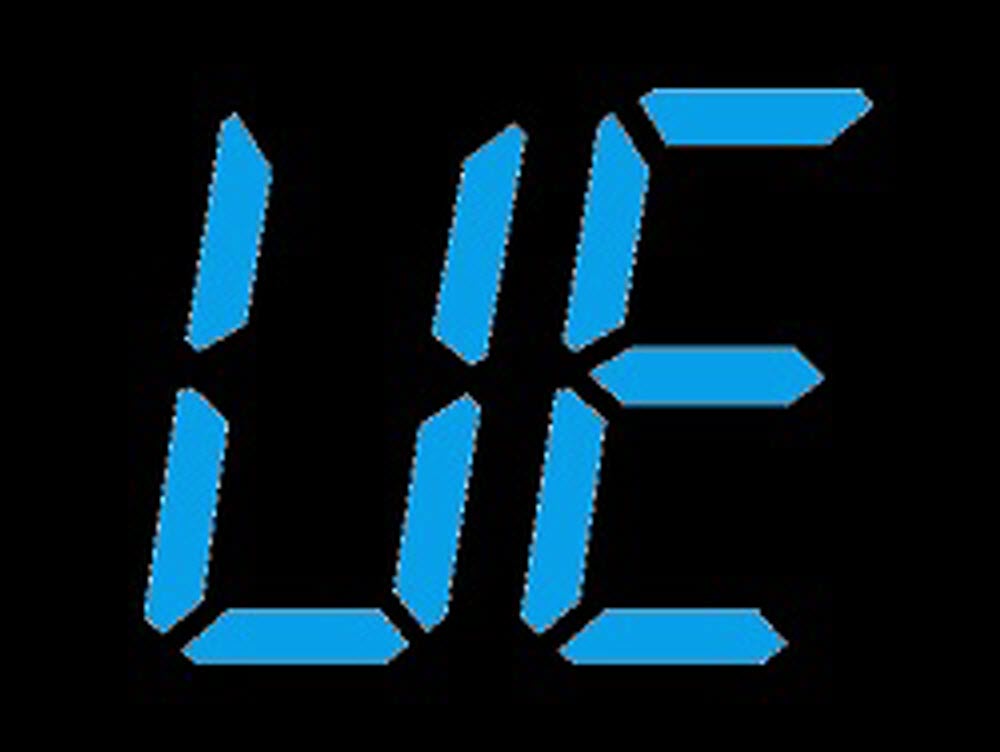
When your Kenmore washer has a problem, the control panel shows an error code. Each code is a short message, like “F21” or “SUD”, which points to a specific issue. These codes save time for both users and technicians. Instead of guessing, you can look up the code and see what’s wrong.
Most codes relate to:
- Water supply problems
- Drainage issues
- Door lock failures
- Motor or electrical faults
- Detergent or suds errors
The codes are not random. Kenmore uses a standardized system, so the same code means the same thing across similar models. However, the codes can differ slightly depending on the washer series. Always check your washer’s manual for exact meanings, but the codes below cover most Kenmore front load models.
Common Kenmore Washer Troubleshooting Codes And Solutions
Let’s dive into the most frequent error codes, what they mean, and how you can fix them. You’ll also see practical examples and tips.
F21: Drainage Problem
F21 is one of the most common codes. It means your washer is taking too long to drain water.
- Causes: Clogged drain hose, blocked pump filter, kinked hose, or faulty drain pump.
- How to fix:
- Unplug the washer for safety.
- Check the drain hose for bends or clogs. Remove any blockage.
- Open the pump filter (usually at the front bottom) and clean out debris.
- If still not draining, the pump may need repair or replacement.
Non-obvious insight: Many users forget to check the pump filter. Lint, coins, and even small socks can block this part.
Sud: Excess Suds
SUD appears when there is too much soap or foam in the washer.
- Causes: Using non-HE detergent, too much detergent, or washing items that make extra suds.
- How to fix:
- Let the washer sit for 30 minutes. It will try to clear the suds itself.
- Run a rinse cycle with no detergent.
- Switch to HE (High Efficiency) detergent and use smaller amounts.
Extra tip: High-efficiency washers need less soap. Using the wrong type can cause repeat SUD errors.
F22: Door Lock Error
F22 means the washer cannot lock the door.
- Causes: Obstructed door, broken lock mechanism, or faulty wiring.
- How to fix:
- Make sure the door closes fully. Remove any items blocking it.
- Try restarting the washer.
- If the error remains, the lock or wiring may need professional repair.
Beginner mistake: Forcing the door can break the lock further. Always check for simple obstructions first.
F23: Temperature Sensor Failure
F23 points to a problem with the washer’s temperature sensor.
- Causes: Faulty sensor, loose wiring, or control board issues.
- How to fix:
- Unplug the washer.
- Check the sensor connections (usually behind the back panel).
- If wiring is secure, the sensor may need replacement.
Non-obvious insight: Temperature issues can also affect washing performance—clothes may not come out clean if the water isn’t hot enough.
F24: Water Temperature Issue
F24 signals that water temperature isn’t correct, often too high.
- Causes: Faulty heater, sensor error, or control board malfunction.
- How to fix:
- Unplug the washer.
- Inspect the heating element and connections.
- If unsure, call a technician.
F25: Drive Motor Error
F25 means there’s a problem with the washer’s motor.
- Causes: Motor failure, wiring issues, or control board error.
- How to fix:
- Unplug the washer.
- Check motor wiring and connections.
- If the motor is damaged, replacement may be needed.
F26: Door Switch Error
F26 shows the washer cannot detect if the door is closed.
- Causes: Faulty door switch or wiring.
- How to fix:
- Check the door switch for damage.
- Inspect wiring connections.
- Replace the switch if necessary.
F27: Overflow Condition
F27 means the washer is overfilling with water.
- Causes: Faulty water inlet valve, pressure switch failure, or blocked tubing.
- How to fix:
- Unplug the washer.
- Inspect inlet valve and tubing for clogs.
- Test the pressure switch.
F28: Communication Error
F28 points to a problem with the washer’s internal communication between control boards.
- Causes: Loose connections, faulty control board, or wiring issues.
- How to fix:
- Unplug the washer.
- Check all board connections.
- Replace or repair as needed.
F29: Door Unlock Error
F29 means the washer cannot unlock the door after the cycle.
- Causes: Faulty lock mechanism, wiring issues, or control board error.
- How to fix:
- Wait a few minutes after the cycle ends.
- If still locked, unplug the washer and try again.
- If the door won’t unlock, call for service.
F30: Dispenser Error
F30 signals a problem with the detergent dispenser.
- Causes: Blocked dispenser, faulty actuator, or wiring issues.
- How to fix:
- Clean the dispenser tray.
- Check actuator and connections.
- Replace faulty parts if needed.
F31: Motor Control Board Error
F31 points to a problem with the motor control board.
- Causes: Faulty board, loose wiring, or electrical issues.
- How to fix:
- Unplug the washer.
- Check board connections.
- Replace the board if necessary.
F32: Pressure Switch Error
F32 means the pressure switch isn’t working.
- Causes: Blocked hose, faulty switch, or wiring problem.
- How to fix:
- Inspect and clean the hose.
- Test the switch.
- Replace if needed.
F33: Pump Drive Error
F33 relates to a problem with the drain pump drive.
- Causes: Faulty pump, control board error, or wiring issue.
- How to fix:
- Check pump connections.
- Replace pump if defective.
F34: Door Lock Circuit Error
F34 means the door lock circuit has failed.
- Causes: Broken lock, faulty wiring, or control board problem.
- How to fix:
- Inspect lock and wiring.
- Replace defective parts.
F35: Analog Pressure Sensor Error
F35 signals a problem with the analog pressure sensor.
- Causes: Sensor failure, blocked air tube, or wiring issues.
- How to fix:
- Clean the air tube.
- Replace sensor if needed.
F36: Heater Relay Error
F36 points to a problem with the heater relay.
- Causes: Faulty relay or control board.
- How to fix:
- Test relay and replace if faulty.
F37: Heater Sensor Error
F37 means the heater sensor is not working.
- Causes: Sensor failure or wiring issue.
- How to fix:
- Replace sensor.
F38: Heater Circuit Error
F38 signals a problem with the heater circuit.
- Causes: Faulty heater, wiring issue, or control board failure.
- How to fix:
- Inspect and replace parts as needed.

How To Read And Interpret Error Codes
When your Kenmore washer displays a code, you don’t just see letters and numbers. You get a clue about what’s wrong. But you need to know how to interpret these clues.
- Check the code: Write down the code exactly as it appears.
- Look up the meaning: Use your manual or trusted online sources.
- Consider context: Did the error appear during washing, draining, or spinning? This can help pinpoint the cause.
- Act safely: Always unplug the washer before inspecting or repairing parts.
Example: If you see “F21” after the washer tries to drain, you know the problem is with drainage—not with water supply or spinning.
Kenmore Washer Error Code Comparison Table
To help you compare codes and their fixes, here’s a useful summary:
| Error Code | Problem | Likely Cause | Solution |
|---|---|---|---|
| F21 | Drainage | Clogged hose/pump | Clean hose/filter |
| SUD | Excess suds | Too much detergent | Rinse, use HE detergent |
| F22 | Door lock | Obstruction | Clear block, check lock |
| F23 | Temp sensor | Sensor/wiring | Check connections |
| F27 | Overflow | Valve/switch | Check valve/switch |
This table helps you quickly identify the error, cause, and solution without needing to search through your manual.
How To Prevent Kenmore Washer Error Codes
Many error codes can be prevented by regular maintenance and careful use.
- Clean the drain filter: Every 2–3 months, remove and clean the filter to prevent blockages.
- Use the right detergent: Always use HE detergent and follow the recommended amount.
- Don’t overload the washer: Too many clothes can cause strain and errors.
- Inspect hoses: Check for kinks or leaks regularly.
- Run cleaning cycles: Many Kenmore washers have a cleaning cycle. Use it monthly to keep the machine fresh.
Extra insight: Most people wait until there’s a problem to clean their washer. Preventive care saves time and money.
Kenmore Washer Error Codes Vs Other Brands
Are Kenmore washer codes different from other brands? Let’s compare Kenmore with Whirlpool and Samsung front load washers.
| Brand | Common Codes | Code Meaning | Ease of Troubleshooting |
|---|---|---|---|
| Kenmore | F21, SUD, F22 | Drain, suds, door lock | Easy for DIY fixes |
| Whirlpool | F8E1, F9E1 | Water supply, drainage | Similar to Kenmore |
| Samsung | 4C, 5E | Water supply, drainage | Codes are more cryptic |
Kenmore codes are often easier to understand and fix, especially for US users.
Practical Troubleshooting Steps
If your washer shows an error code, follow these steps:
- Stop and unplug: Safety first.
- Read the code: Write it down.
- Check manual: Look up the meaning.
- Inspect key parts: Hose, filter, door, sensor, etc.
- Try basic fixes: Clean, reconnect, or restart.
- Test the washer: Run a short cycle.
- Seek professional help: If the problem remains, contact a technician.
Common mistake: Ignoring codes can lead to bigger issues. Fix small problems early.
When To Call A Professional
Some problems are easy to fix yourself, but others need expert help. Call a technician if:
- The washer shows the same code after you try basic fixes
- You see electrical sparks or smell burning
- The washer leaks water or won’t power on
- You feel unsure about opening the machine
Professional help is worth it for complex repairs, especially if your washer is under warranty.

Helpful Resources For Kenmore Error Codes
Kenmore offers official support and manuals online. You can also find guides and videos from trusted sources. For detailed code explanations and repair tips, visit Sears Parts Direct. This site covers most Kenmore models and gives step-by-step repair instructions.
Data: Kenmore Washer Reliability Statistics
Kenmore washers are among the most reliable brands in the US. According to a 2023 study by Consumer Reports, Kenmore front load washers had a repair rate of 12% over 5 years, compared to an industry average of 15%. Most repairs were due to simple drainage or door lock issues.
Key insight: Many repairs can be prevented or fixed by users with basic troubleshooting.
Frequently Asked Questions
What Should I Do If My Kenmore Washer Shows An Error Code I Don’t Recognize?
First, write down the code. Check your washer’s manual or search online for the code’s meaning. If you can’t find it, try basic steps: unplug, check hoses and filters, and restart. If the code remains, contact Kenmore support.
Can I Fix Most Kenmore Washer Errors Myself?
Yes, many errors are caused by simple issues like blocked hoses or extra suds. Cleaning, reconnecting, and restarting often solve the problem. For complex errors (like motor or board faults), professional help is best.
How Often Should I Clean The Drain Filter In My Kenmore Front Load Washer?
It’s recommended to clean the filter every 2–3 months, especially if you wash lots of towels or lint-heavy items. Regular cleaning prevents drainage errors and keeps the washer running smoothly.
Why Does My Kenmore Washer Keep Showing Sud Even When I Use The Right Detergent?
If SUD appears often, try using less detergent. Some loads (like blankets) create more suds. Also, run a cleaning cycle monthly. If the error persists, check for blockages in the drain system.
Are Kenmore Washer Error Codes The Same For All Front Load Models?
Most codes are similar, but some models have extra or slightly different codes. Always check your washer’s manual for accurate information. If you have an older model, some codes may not appear.
Kenmore washers are built to last, but error codes are a normal part of owning any appliance. By understanding these codes and following the steps above, you can fix most issues yourself and keep your laundry routine hassle-free. Remember, regular maintenance and careful use are your best tools for preventing problems.
If you ever feel unsure, professional help is just a call away. With this knowledge, your Kenmore front load washer will serve you well for years to come.

