

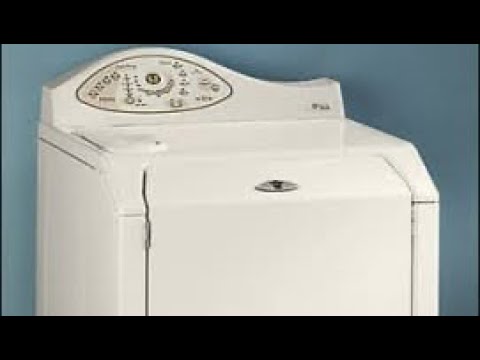
A Maytag Neptune washer is known for its durability and efficient cleaning. But like any home appliance, it sometimes runs into problems. If your Maytag Neptune washer is making strange noises, stopping mid-cycle, or showing error codes, you may wonder what’s wrong and how to fix it.
The good news is that most issues can be solved at home with a little guidance.

36% off Today’s Exclusive Deals
Limited-time Exclusive Deals. Check current discount on Amazon.
Check Price on Amazon As an Amazon Associate I earn from qualifying purchases.This guide is designed to help you understand, diagnose, and fix the most common problems with your Maytag Neptune washer. Whether you’re facing a washer that won’t spin or a display full of confusing error codes, you’ll find practical advice here.
By the end, you’ll know when to handle issues yourself and when it’s time to call a professional.
Common Maytag Neptune Washer Problems
Maytag Neptune washers are generally reliable, but some issues show up more often than others. Understanding these can save you time and money.
- Washer won’t start
- Washer won’t spin or agitate
- Washer is leaking water
- Washer isn’t draining
- Unusual noises during the cycle
- Washer shakes or vibrates excessively
- Error codes on the display
- Door won’t unlock
- Washer smells bad
- Clothes come out still dirty
Each problem can be frustrating, but most have clear solutions. Let’s explore these issues in detail.
Troubleshooting Steps For Each Problem
Washer Won’t Start
If your Neptune washer doesn’t turn on, check the basics first. Make sure it’s plugged in and the power outlet is working. Sometimes, a tripped breaker or blown fuse is the cause. Press the power button and listen for a click.
If there’s no sound, the control board or door latch might be faulty.
- Check the door latch: If the door isn’t closed tightly, the washer won’t start for safety reasons.
- Inspect the control panel: Buttons that don’t respond could mean a faulty panel or a locked control feature.
- Look at the display: If it’s blank, it could be a power issue.
A non-obvious tip: Unplug the washer for five minutes, then plug it back in. This can reset the control board and fix minor software glitches.
Washer Won’t Spin Or Agitate
If your washer fills and drains but doesn’t spin or agitate, the problem may be with the drive belt, motor coupling, or lid switch.
- Drive belt: Open the back panel and check if the belt is loose or broken.
- Motor coupling: This connects the motor to the drum. If it’s worn out, the drum won’t move.
- Lid switch: If the washer thinks the lid is open, it won’t spin for safety.
A frequent mistake is overloading the washer. Too many clothes can prevent proper spinning. Try running a smaller load.
Washer Is Leaking Water
Leaks can come from several places:
- Door seal: Look for cracks or buildup around the rubber gasket.
- Hoses: Check both the inlet and drain hoses for splits or loose connections.
- Detergent drawer: Using too much detergent can cause suds to overflow.
Small leaks can often be stopped by tightening hose clamps or cleaning the door seal. If water pools under the machine, stop using it until you find the source.
Washer Isn’t Draining
If water remains in the drum after a cycle, the drain pump or drain hose may be clogged.
- Drain filter: Locate and clean the filter; lint and debris often block it.
- Drain hose: Make sure it’s not kinked or clogged.
- Pump: If you hear a humming sound but no draining, the pump may be jammed.
Unplug the washer before checking these parts. For deep clogs, you may need to remove the pump and clean it out.
Unusual Noises During The Cycle
Noises like banging, grinding, or squealing usually mean something is loose or stuck.
- Coins or small objects: Check the drum for items that fell out of pockets.
- Shock absorbers: Worn shocks can cause banging during spin cycles.
- Bearings: Grinding sounds may mean the drum bearings are worn.
A little noise is normal, but sudden loud or new sounds should be investigated quickly to avoid bigger problems.
Washer Shakes Or Vibrates Excessively
Too much vibration often comes from:
- Unbalanced loads: Try rearranging the clothes or removing some.
- Leveling legs: Adjust the legs so the washer sits flat.
- Damaged suspension springs: These hold the drum steady. If they’re broken, the washer will move too much.
Many people miss that the floor under the washer matters. Soft or uneven floors can cause extra vibration, even if the washer is fine.
Error Codes On The Display
Error codes can look scary, but they help you find the problem fast. Common codes include:
- “nd”: No drain – check the drain hose and pump.
- “FL”: Failed to lock – check the door latch.
- “LE”: Leak error – inspect hoses and seals.
- “dc”: Unbalanced load – redistribute clothes.
Your washer’s manual lists all error codes. If you lost it, you can find digital copies on the Maytag website.
Door Won’t Unlock
If the cycle is done but the door stays locked:
- Wait a few minutes. Some models have a short delay.
- Unplug the washer for five minutes, then try again.
- Check for water in the drum; if it hasn’t drained, the door stays locked for safety.
If nothing works, the door lock mechanism may be faulty. This part is replaceable, but you may need a technician.
Washer Smells Bad
Bad smells come from mold, detergent buildup, or dirty seals.
- Run a hot wash with washing machine cleaner or white vinegar.
- Wipe the rubber door seal and detergent drawer.
- Leave the door open after each wash to let it dry.
Many users forget to clean the washer itself. A monthly cleaning cycle can prevent odors.
Clothes Come Out Still Dirty
If your clothes aren’t clean after washing:
- Use the right amount of detergent for your water hardness and load size.
- Don’t overload the drum.
- Check the spray arms and filters for blockages.
- Use the correct cycle for the type of fabric.
Changing detergent or running an extra rinse can help, especially if you have hard water.
Error Codes And What They Mean
Understanding error codes is the fastest way to diagnose your Maytag Neptune washer. Here’s a quick reference for the most common ones:
| Error Code | Meaning | Possible Solution |
|---|---|---|
| nd | No Drain | Check drain hose/filter, clean pump |
| FL | Door Lock Failure | Ensure door is closed, inspect lock |
| LE | Leak Detected | Check hoses, door seal |
| dc | Unbalanced Load | Redistribute clothes, balance washer |
| LO | Locked Door | Wait, unplug, or check lock mechanism |
For a full list, always refer to your washer’s manual or the official Maytag website.
Diy Maintenance Tips For Better Performance
Regular maintenance can prevent many common issues with your Maytag Neptune washer. Here are some practical steps you can take:
- Clean the drum and seal: Wipe down the door seal weekly to remove lint and moisture.
- Run a cleaning cycle: Use a washing machine cleaner or vinegar monthly to remove detergent buildup.
- Check hoses: Inspect hoses for cracks or leaks every few months.
- Leave the door open: After washing, let the drum dry out to prevent mold.
- Balance the washer: Adjust the legs so the washer sits flat on the floor.
One non-obvious tip: If you have hard water, run a cleaning cycle more often. Mineral deposits can build up and affect performance.

Comparing Maytag Neptune Washer Models
Over the years, the Neptune series has included several models, each with unique features. Here’s a comparison of three popular models:
| Model | Capacity | Display Type | Notable Feature |
|---|---|---|---|
| MAH3000AWW | 3.3 cu. ft. | LED | Basic controls, reliable performance |
| MAH5500BWW | 3.98 cu. ft. | Digital | Extra rinse option, quiet motor |
| MAH8700AWW | 4.0 cu. ft. | LCD | Sanitize cycle, advanced error codes |
Choosing the right model depends on your laundry needs. Higher-capacity models handle larger loads but may cost more and need more space.
When To Call A Professional
While many Neptune washer problems can be fixed at home, some require expert help. Call a professional if:
- You see sparks, smoke, or smell burning.
- The washer leaks heavily, even after checking hoses and seals.
- The drum won’t move, even after resetting and checking the belt.
- Error codes remain after following troubleshooting steps.
- You’re not comfortable opening panels or handling electrical parts.
Attempting major repairs without experience can be dangerous and may void your warranty. If in doubt, it’s safer to call a certified technician.
Cost Of Common Repairs
If you need to hire a professional, knowing typical costs can help you decide. Here’s a rough price guide:
| Repair Type | Average Cost (USD) | DIY Possible? |
|---|---|---|
| Replace door latch | $100–$200 | Yes |
| Replace drain pump | $150–$300 | Yes (with tools) |
| Replace control board | $200–$400 | No |
| Drum bearing repair | $250–$500 | No |
| Replace drive belt | $80–$150 | Yes |
Prices depend on your location and the service provider. DIY can save money, but only attempt repairs if you’re confident in your skills.
Practical Examples: Real User Experiences
It helps to know how other people solved their Neptune washer problems.
- Washer won’t drain: Sarah found her washer full of water after each cycle. She unplugged it, opened the front panel, and found coins blocking the pump filter. After removing them, the washer drained perfectly.
- Loud banging noise: Mike’s washer shook during every spin. He discovered the shipping bolts (used for transport) were never removed. After taking them out, the noise stopped.
- Door won’t unlock: Emily’s door stayed locked after a power outage. Unplugging the washer for ten minutes reset the lock and solved the issue.
These cases show that careful inspection and simple actions can often fix big problems.

Preventing Future Washer Problems
Prevention is the best way to avoid repairs. Here are some habits that extend the life of your Neptune washer:
- Sort laundry by weight: Mixing towels with light fabrics causes unbalanced loads.
- Use the right detergent: High-efficiency (HE) detergent prevents too many suds.
- Don’t overload the drum: Leave space for clothes to move.
- Clean the washer monthly: Prevents mold and buildup.
- Inspect hoses and seals: Replace at the first sign of wear.
A non-obvious tip: Use only manufacturer-approved replacement parts. Generic parts may not fit well and could cause new issues.
Resources For Further Help
If you need more information or parts, these resources can help:
- Maytag’s official website and support page
- Online forums like ApplianceJunk.com
- YouTube repair tutorials (search for your model number)
- Certified repair services in your area
- Manuals and troubleshooting guides from Maytag Official Site
Always use trusted sources to avoid bad advice or counterfeit parts.
Frequently Asked Questions
Why Does My Maytag Neptune Washer Smell Bad?
A bad smell usually means mold or mildew is growing inside the drum, seal, or detergent drawer. Run a hot wash with washing machine cleaner or white vinegar, wipe all surfaces, and leave the door open after each wash to let it dry.
My Washer Shows “nd” — What Should I Do?
The “nd” error means “no drain.” Check for clogs in the drain filter or hose, and make sure the pump isn’t blocked. Clean any debris you find. If the error remains, the pump may need replacement.
How Can I Reset My Maytag Neptune Washer?
Unplug your washer for five minutes, then plug it back in. This resets the control board. For some models, holding certain buttons (like “Cancel” and “Start”) together can also reset the system. Check your manual for exact steps.
What Is The Lifespan Of A Maytag Neptune Washer?
With proper care, a Maytag Neptune can last 10–15 years. Regular cleaning, checking hoses, and not overloading the drum can extend its life.
Should I Repair Or Replace My Neptune Washer?
Consider repair if the cost is less than half the price of a new washer and your machine is under 10 years old. If repairs are frequent, expensive, or parts are hard to find, replacement may be the better choice.
A Maytag Neptune washer is a reliable home appliance, but problems can happen over time. By following these troubleshooting steps and tips, you can solve most common issues yourself. Regular maintenance keeps your washer running smoothly and your laundry fresh.
If repairs are needed, knowing when to call a professional saves money and stress. With a little care, your Neptune washer will give you many more years of clean clothes.

