

Maytag Commercial Technology Washer Troubleshooting
When your Maytag Commercial Technology washer stops working as expected, it can disrupt your day and cause frustration. These washers are built for durability and performance, but like any appliance, they sometimes face problems. Whether you use your Maytag washer at home or in a business, understanding how to troubleshoot common issues can save time and money. This guide will help you identify problems, fix simple faults, and know when to call for professional help. With clear steps and practical advice, you’ll learn how to get your washer running smoothly again—even if you’re not a repair expert.
Understanding Maytag Commercial Technology Washers
Maytag’s commercial washers are known for their robust build and advanced features. They’re designed to handle frequent use and heavy loads, making them popular in both busy homes and laundromats. Key features include:

36% off Today’s Exclusive Deals
Limited-time Exclusive Deals. Check current discount on Amazon.
Check Price on Amazon As an Amazon Associate I earn from qualifying purchases.- Stainless steel wash baskets for long life. These resist rust and scratches, so they last longer than plastic tubs.
- Powerful motors for deep cleaning, allowing the washer to handle bulky items like comforters or work uniforms without strain.
- Automatic sensors to optimize water and detergent use, helping you save on utility bills and get consistent cleaning results.
Many Maytag commercial models also have vibration control technology. This helps the washer stay steady even with large loads, reducing noise and wear. Digital displays, custom cycles, and time-saving options like quick wash are common. But these advanced features mean that troubleshooting sometimes involves more than just checking a hose or button.
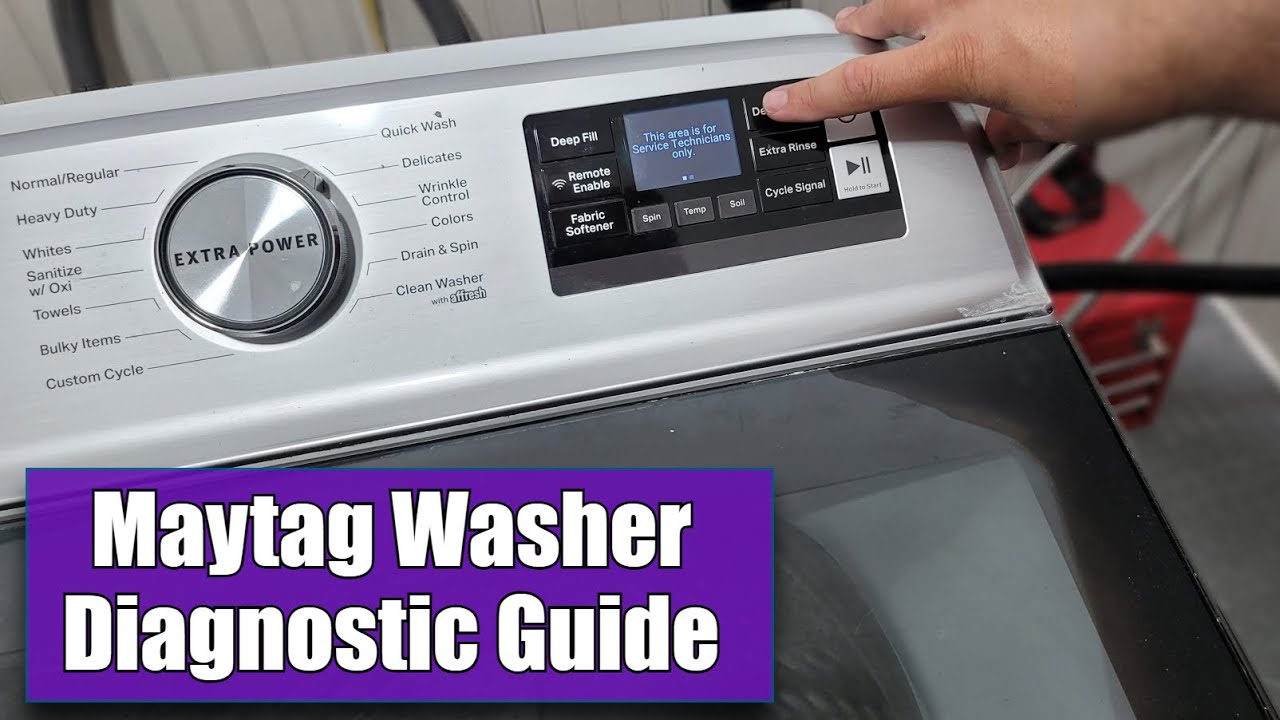
Example: Suppose your washer has a touchscreen control panel. If it becomes unresponsive, it might need a different reset process than washers with traditional dials. Always check your user guide for model-specific instructions.
Common Problems And Quick Fixes
Before you dive into complex repairs, check for simple issues that can cause your Maytag washer to malfunction. Many times, the solution is easier than you think.
- Washer Won’t Start
- Ensure the power cord is plugged in tightly. Sometimes, vibrations can make the plug loose.
- Check for blown fuses or tripped circuit breakers in your main panel.
- Confirm the door/lid is fully closed. Even a small gap can prevent starting.
- Try pressing the reset button, if your model has one.
- Washer Is Not Filling with Water
- Make sure both hot and cold water faucets are turned on. If one is off, the washer may not fill properly.
- Inspect the water inlet hoses for kinks, twists, or blockages.
- Clean the inlet screens at the hose connection. Clogged screens can slow or stop water flow.
- Washer Is Leaking
- Check for loose hoses or clamps—tighten if needed.
- Look under the washer for cracked hoses or water stains.
- Inspect the door gasket for wear or debris, especially after washing sandy or dirty items.
- Washer Won’t Drain
- Ensure the drain hose is not kinked, bent, or blocked by furniture.
- Clean the drain pump filter (often located at the bottom front; look for a small access door).
- Listen for pump noises; a silent pump may need replacement, but a humming pump with no draining can mean a blockage.
- Washer Is Making Loud Noises
- Remove any objects from the drum, like coins or buttons.
- Balance the load inside the washer; mix large and small items for even spinning.
- Inspect the drum bearings and motor for wear if noises continue.
Non-obvious insight: After moving your washer, hoses and cords can get pinched or partially disconnected. Always check the back of the machine if you’ve recently moved it.
Error Codes: What They Mean
Maytag commercial washers display error codes when something goes wrong. Understanding these codes can help you pinpoint the issue faster, so you don’t waste time guessing.
| Error Code | Meaning | Action |
|---|---|---|
| F1 | Main control fault | Reset washer; if persists, replace control board |
| F5 | Door or lid switch error | Check latch; ensure door closes properly |
| F8E1 | No water detected | Check water supply and inlet valve |
| F9E1 | Long drain time | Clean drain filter; check pump |
| F0E2 | Oversudsing | Reduce detergent use; run rinse cycle |
Some Maytag washers show codes with a combination of letters and numbers, while others use flashing lights or sounds. If you see an error code, consult your washer’s manual for model-specific guidance. Some codes are easy to fix, while others need expert attention.
Example: The F0E2 error means there’s too much suds in the washer. This often happens if you use regular detergent instead of HE detergent. Running a rinse cycle usually clears the error.
Step-by-step Troubleshooting Guide
Let’s break down the most frequent problems and how to solve them. These steps work for most Maytag commercial washers, but always check your manual for model-specific tips.
Washer Won’t Turn On
First, check the basics:
- Is the outlet working? Test with another device, like a lamp or phone charger.
- Is the washer’s plug secure? Sometimes plugs get loose from vibrations.
- Has the circuit breaker tripped? Locate your home’s breaker box and reset if needed.
If the washer still won’t turn on, try this:
- Unplug the washer for 5 minutes to reset the electronics.
- Plug back in and press Power.
- If nothing happens, inspect the control panel for signs of damage, moisture, or worn buttons.
Non-obvious insight: Some Maytag models have a hidden safety switch under the lid. If this switch fails, the washer won’t start—even if everything else looks fine. Gently press down on the lid to see if the washer responds.
Washer Doesn’t Fill With Water
Water problems are usually caused by:
- Closed valves or partially open faucets
- Blocked or kinked hoses
- Faulty inlet valve or clogged inlet screens
Steps to fix:
- Open both water supply valves fully. Sometimes, turning them a quarter turn can help.
- Disconnect hoses and clean the screens with a small brush or old toothbrush.
- If water still doesn’t flow, test the inlet valve with a multimeter. If it shows no continuity, replace the valve.
Common mistake: Forgetting to check for a kink behind the washer, which can block water flow. Also, make sure the water supply pipes are not frozen in cold weather.
Washer Won’t Drain
Drainage issues can lead to water left in the drum after the cycle.
- Check the drain hose for blockages. Remove and flush with water if needed.
- Clean the drain pump filter. This often catches lint, coins, or small socks.
- If water remains, listen for the drain pump noise during the cycle. If silent, the pump may need replacement.
Non-obvious insight: Some Maytag washers pause draining if the load is unbalanced. Redistribute clothes and restart the cycle. Sometimes, running a spin-only cycle helps remove water.
Washer Leaks Water
Leaks can damage floors and walls. To fix:
- Inspect all hoses for cracks or loose connections. Replace damaged hoses.
- Check the door gasket for tears or stuck debris. Even a small tear can cause leaks.
- Examine the detergent dispenser for clogs, as overflow can look like a leak.
If the leak persists, run a cycle with the washer empty to see if it still leaks—this can show if the problem is with internal seals or only occurs during heavy loads.
Washer Makes Strange Noises
Strange sounds often mean something is wrong inside the washer.
- Loud banging: Usually an unbalanced load or heavy items like sneakers.
- Grinding or squealing: Possible worn bearings or a damaged motor. This often requires professional repair.
- Clicking: Objects stuck in the drum or pump filter, or a foreign object in the drain line.
Remove any foreign items and balance the load. If sounds continue, parts may need replacing. Sometimes, adding a rubber mat under the washer reduces vibration noise.
Cleaning And Maintenance Tips
Regular care prevents most washer problems. Here’s how to keep your Maytag in top shape for years to come:
- Clean the drum monthly with washer cleaner or a mix of vinegar and baking soda. Run an empty hot wash to remove buildup.
- Wipe the door gasket after every wash to prevent mold and mildew. Pay special attention to the folds where water can sit.
- Remove and wash the detergent dispenser weekly. Soak in warm water if you see residue.
- Inspect hoses for wear every 3 months. Look for bulges, cracks, or leaks.
- Leave the door open after use to air out and dry, especially in humid climates.
| Task | Frequency | Benefit |
|---|---|---|
| Clean drum | Monthly | Prevents odors and buildup |
| Wipe gasket | After each wash | Stops mold growth |
| Inspect hoses | Quarterly | Reduces risk of leaks |
| Clean dispenser | Weekly | Ensures proper detergent flow |
A clean washer runs better and lasts longer. Regular care also helps you spot small issues before they become big problems.
Extra tip: If you have pets, clean the drum and filter more often, as pet hair can build up quickly.
Comparing Maytag Commercial Technology Washers To Standard Models
If you’re considering whether to repair or replace your Maytag commercial washer, it’s helpful to see how it compares to standard washers.
| Feature | Commercial Technology | Standard Washer |
|---|---|---|
| Durability | Heavy-duty, designed for frequent use | Moderate, for home use |
| Motor Power | High (up to 1/2 HP) | Lower (typically 1/4 HP) |
| Cycle Options | More specialized cycles | Basic cycles |
| Cost | Higher upfront | Lower upfront |
| Maintenance | Requires professional care | DIY-friendly |
Commercial washers are built to withstand more cycles—often thousands before major repair is needed. They handle tough stains, heavy uniforms, and larger loads. However, their parts are more expensive, and repairs often need a trained technician. Standard washers are easier for DIY fixes, but may not last as long with heavy use.
Non-obvious comparison: Commercial washers use stronger suspension systems to handle vibration. This means fewer problems with “walking” across the floor, but also more complex repairs if the system fails.
When To Call A Professional
Some washer problems are best handled by experts. If you face any of these issues, don’t try to fix them yourself:
- Electrical faults in the control board, including burning smells or sparking.
- Broken motor or drum bearings, which often require special tools to replace.
- Persistent leaks from internal seals, especially if water comes from underneath.
- Error codes that won’t reset, even after unplugging the washer.
Attempting repairs on these parts can void your warranty or create safety risks. Always use a Maytag-certified technician for complex repairs. They have access to the latest technical updates and genuine parts.
Pro insight: Document the error code and any recent changes (like moving the washer or power outages) before the technician arrives. This helps them diagnose faster.
Preventing Common Mistakes
Many people make mistakes when troubleshooting their washers. Avoid these errors to keep your appliance safe:
- Using too much detergent, causing oversudsing and blockages. HE washers need less detergent than older models.
- Ignoring regular maintenance, leading to breakdowns. Small tasks prevent expensive repairs.
- Overloading the washer, which strains the motor and drum. Follow the capacity guidelines in your manual.
- Forgetting to check the drain filter, causing drainage issues and unpleasant smells.
- Skipping error code checks, which can miss important clues about what’s wrong.
Experience-based tip: Always unplug the washer before checking inside or under the machine. Safety is most important. Never reach into the washer while it’s running, even during “gentle” cycles.
Extra advice: Keep a small notebook to record any errors, maintenance, or repairs. This can help spot patterns over time and assist technicians if you need repairs.
Practical Troubleshooting Examples
Let’s look at real situations and how to solve them.
Example 1: Washer Stops Mid-cycle
A user reports their Maytag washer stops halfway through the wash. Possible causes:
- Unbalanced load: Washer pauses to rebalance. Rearrange clothes and restart.
- Drain filter clogged: Washer can’t drain, so it stops. Clean the filter and check for hidden socks or fabric.
- Control board error: Try unplugging for 5 minutes to reset. If it keeps happening, the board may need inspection.
Tip: If your washer stops at the same point every time, it could be a faulty sensor or timer.
Example 2: Water Remains After Wash
If clothes are wet after the cycle, check:
- Drain hose: Is it kinked or blocked? Run water through it to check for clogs.
- Pump filter: Clean out lint and debris. Even a small blockage reduces draining power.
- Pump: Listen for operation. If silent, replace the pump. If it hums but doesn’t drain, check for obstructions.
Example 3: Washer Shows F8e1 Error
F8E1 means no water is detected. Steps to fix:
- Open both supply valves fully.
- Clean inlet screens with a brush.
- Test inlet valve with a multimeter. If it fails, replace it.
If the problem remains, the valve or control board may need replacement. Always turn off water before removing hoses.
Extra note: In areas with hard water, mineral deposits can clog screens and valves faster. Clean more often if you see white buildup.
How To Find Replacement Parts
When you need new parts, use your washer’s model number to find exact matches. Maytag’s official website and authorized dealers are best. Always buy genuine parts for long life and warranty protection.
Some common parts you may need:
- Drain pump (if water won’t drain)
- Water inlet valve (if washer won’t fill)
- Door gasket (if leaking at the door)
- Control board (if electronics fail)
Prices vary, but commercial parts are often more expensive than standard washer parts. For accurate pricing and compatibility, check the official Maytag website or trusted retailers.
Insider tip: Write down your model and serial number before ordering. This prevents mistakes and delays with returns.
Useful Resources
For more help, refer to:
- Maytag’s official support pages for manuals and FAQs
- YouTube repair videos for your specific model—many technicians share step-by-step guides
- Forums like Appliance Repair or Reddit, where users share solutions
For detailed technical manuals, visit Maytag Official Service.
Extra help: If you call support, have your model number, serial number, and a description of the problem ready. This speeds up the process.
Frequently Asked Questions
What Do I Do If My Maytag Washer Displays An Error Code?
First, check your user manual for the code meaning. Many codes are related to water supply, draining, or door closure. Try simple fixes like checking hoses and cleaning filters. If the code persists, unplug the washer for 5 minutes to reset.
If it returns, you may need professional help.
Tip: Error codes are sometimes stored in the control board. If a code keeps appearing, mention it to your technician.
Why Does My Maytag Commercial Washer Make Loud Noises During The Spin Cycle?
Loud noises usually mean an unbalanced load or items stuck in the drum. Stop the cycle, rearrange clothes, and remove any foreign objects. If sounds continue, check for worn bearings or motor problems.
Extra insight: If the floor under your washer is uneven, use a level and adjust the washer’s feet.
How Often Should I Clean The Washer Drum And Gasket?
Clean the drum monthly and wipe the gasket after every wash. Regular cleaning prevents odors and mold. If you wash heavy loads often, clean more frequently.
Can I Use Regular Detergent In My Maytag Commercial Washer?
You can use regular detergent, but high-efficiency (HE) detergent is better. It produces fewer suds and prevents blockages. Always follow the instructions for your model.
Non-obvious advice: Using the wrong detergent can cause oversudsing, error codes, and even leaks.
Is It Safe To Repair My Maytag Washer Myself?
Simple fixes like cleaning filters and hoses are safe. For electrical or mechanical faults, call a professional. DIY repairs on complex parts can be dangerous and may void your warranty.
Maytag commercial technology washers are built to last, but even the best machines need care and attention. By following these troubleshooting steps, you can solve common problems and keep your washer running efficiently. Regular maintenance and smart repairs will extend your washer’s life and keep your laundry routine smooth.
With a bit of know-how, most issues can be handled quickly—so you spend less time worrying and more time with clean, fresh laundry.

