

If your GE Profile top load washer is acting up, you’re not alone. These washers are known for their reliability, but like any home appliance, they sometimes have problems. The good news is that many common issues can be fixed at home, without calling a repair service. Understanding how to troubleshoot your washer saves time, money, and frustration. Whether your washer won’t start, fills slowly, or makes strange noises, this guide will help you find the cause and solution. Let’s dive into practical steps and insights to get your GE Profile washer running smoothly again.
Understanding Your Ge Profile Top Load Washer
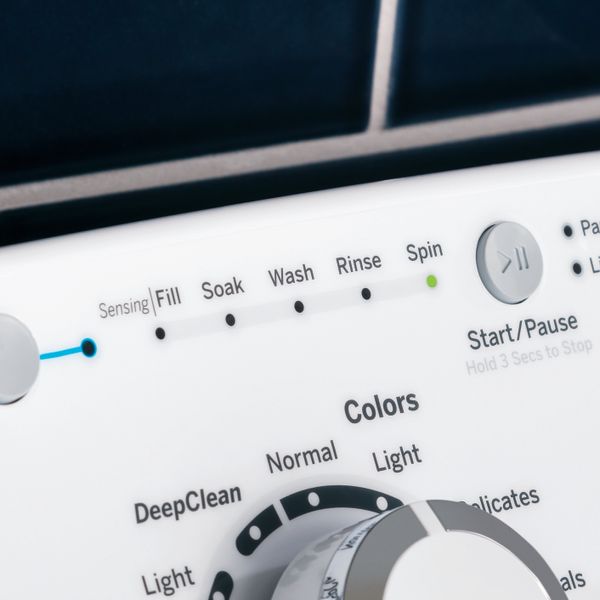
Before troubleshooting, it helps to know what makes GE Profile washers unique. These models often feature advanced controls, energy-saving options, and load-sensing technology. However, more features mean more things that can go wrong. Typical issues relate to the washer’s sensors, electronics, or water system. The control panel displays error codes, which are helpful clues.

36% off Today’s Exclusive Deals
Limited-time Exclusive Deals. Check current discount on Amazon.
Check Price on Amazon As an Amazon Associate I earn from qualifying purchases.Many newer GE Profile washers use a direct-drive motor and electronic touch controls, which are very different from older belt-driven washers. This means some repairs require a different approach. Always check your model number; you can find it inside the lid or on the back of the machine.
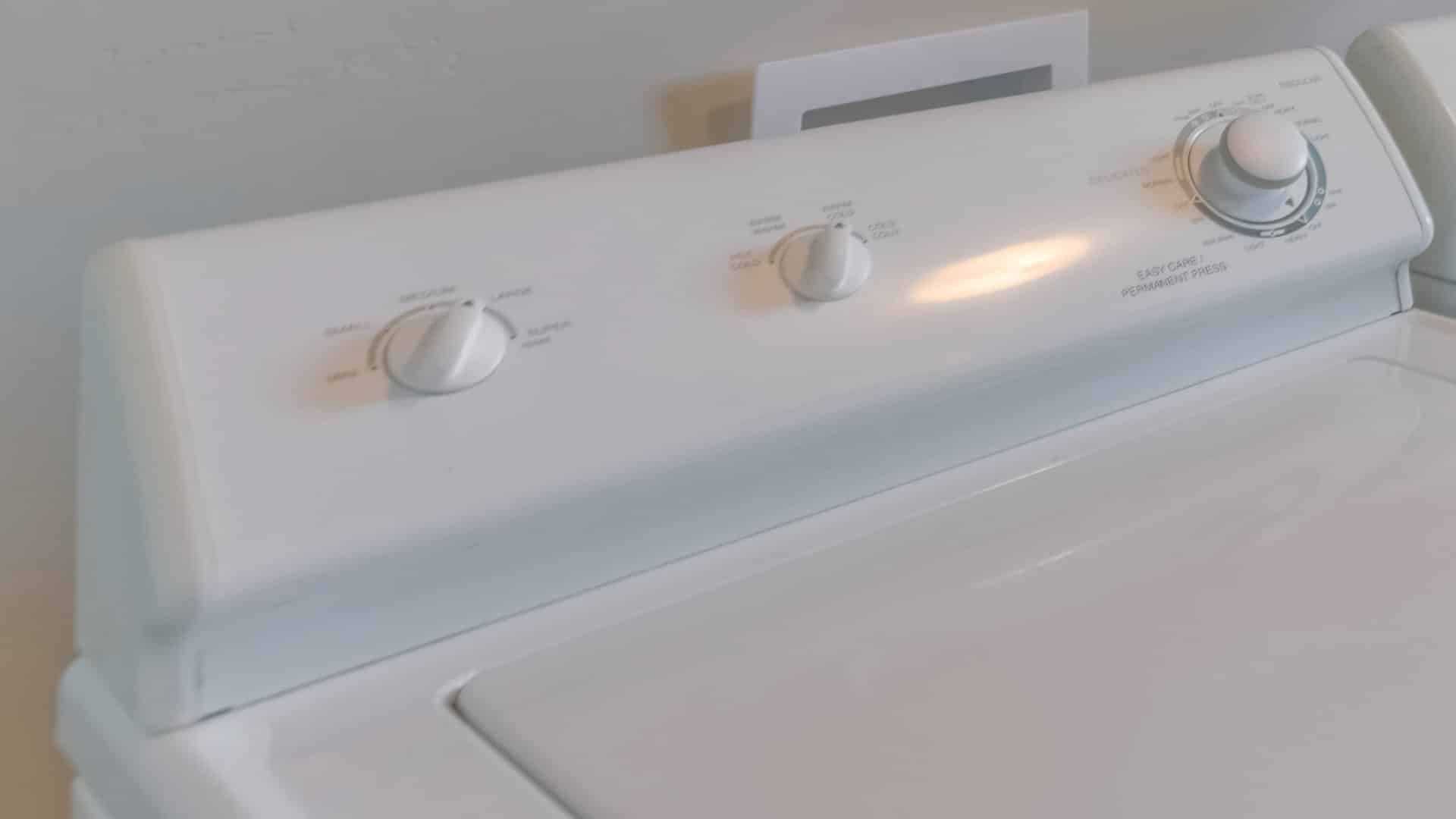
Understanding your washer’s layout makes troubleshooting much easier.
Common Problems And How To Fix Them
Some issues happen more often than others. Below are the most frequent problems with GE Profile top load washers and step-by-step solutions.
1. Washer Won’t Start
If your washer doesn’t turn on, check these points:
- Power supply: Make sure the washer is plugged in and the outlet works. Try another device in the same outlet.
- Lid switch: The washer won’t start if the lid isn’t closed properly. Press down gently to see if the switch clicks.
- Control panel: If the display is blank, unplug the washer for 1 minute to reset the electronics.
- Error codes: Look for error messages. Common ones include “LID” (lid not closed) or “dE” (door error).
If these steps don’t help, the main control board or user interface may be faulty. These parts can be replaced, but may need a professional.
2. Washer Not Filling Or Filling Slowly
A washer that doesn’t fill can’t clean clothes well. Try these steps:
- Water faucets: Check that both hot and cold water valves are open fully.
- Hoses: Kinks or clogs in the hoses block water flow. Disconnect and flush them out.
- Inlet screens: Small screens inside the hose connections can get clogged with sediment. Clean them gently.
- Water pressure: Low pressure causes slow filling. Test with another water fixture nearby.
If all else fails, the problem may be with the water inlet valve or the electronic control.
3. Washer Won’t Agitate Or Spin
If the drum fills but doesn’t move, check:
- Lid switch: The washer won’t spin if it thinks the lid is open.
- Load balance: Too many or too few clothes can stop the spin cycle. Redistribute the load.
- Drive belt or motor: Most GE Profile models use a direct drive motor, but some older ones have belts. If the motor hums but the drum doesn’t move, call for service.
Error codes like “UB” (unbalanced) or “E3” (motor error) can help pinpoint the issue.
4. Washer Stops Mid-cycle
A cycle that stops suddenly usually means:
- Unbalanced load: Open the lid, rearrange clothes, and restart.
- Overload: Remove some items.
- Power interruption: A brief power outage can cause the cycle to pause. Restart the washer.
- Control board: If problems continue, the control board may need resetting or replacing.
5. Washer Leaks Water
Leaks can come from several places:
- Hose connections: Tighten hoses and check for cracks.
- Drain hose position: Make sure the drain hose is not pushed too far into the standpipe.
- Tub seal: If water leaks from underneath, the tub seal may be worn.
Leaks need immediate attention to avoid water damage. Some issues are easy to fix, but a damaged seal often requires a technician.
Decoding Ge Profile Washer Error Codes
GE Profile washers show error codes on the control panel. Each code points to a specific problem. Here are some common ones and what they mean:
| Error Code | What It Means | Action |
|---|---|---|
| LID | Lid not closed | Close lid firmly |
| dE | Door error | Check lid switch |
| UB | Unbalanced load | Redistribute clothes |
| FILL | Filling problem | Check water supply |
| E3 | Motor error | Reset, call service if repeats |
| LC | Leak detected | Check hoses and tub |
If you see an unfamiliar code, check your user manual or visit the official GE Appliances website for the full list.
Diagnosing Unusual Noises
Unusual noises can signal a problem, or sometimes they’re normal. Here’s how to tell the difference:
- Rattling or banging: Often caused by loose coins, buttons, or zippers inside the drum. Remove items and check the drum.
- Grinding: This is more serious. It can mean a worn-out bearing or foreign object stuck under the agitator.
- Squealing: Usually a belt issue, but most modern GE Profile washers use direct drive, so this is rare.
- Clicking: Normal during cycle changes, but constant clicking may mean a relay or control problem.
If noises are new and loud, stop the washer and inspect. Fixing a small problem early prevents bigger damage.

Washer Smells Or Leaves Residue
If your washer smells bad or leaves residue on clothes, try these solutions:
- Clean the tub: Run a cleaning cycle with washer cleaner or a mix of white vinegar and baking soda.
- Remove detergent buildup: Use only HE (high efficiency) detergent, and don’t overfill.
- Check drain hose: A partially blocked drain can cause odor and residue.
It’s a common mistake to use too much detergent, especially with modern washers that use less water. Use the amount recommended in your manual.
Washer Not Draining Properly
A washer full of water at the end of a cycle is frustrating. Causes include:
- Clogged drain pump: Small items like socks can block the pump. Remove the access panel and clear obstructions.
- Kinked or clogged drain hose: Straighten and flush out the hose.
- Faulty pump: If you hear the pump running but water doesn’t drain, the pump may need replacing.
Don’t ignore drainage issues—standing water can cause mold and odors.
Comparison: Ge Profile Vs. Other Top Load Washers
Sometimes, knowing how your GE Profile washer compares to other brands helps you spot unique troubleshooting needs. Here’s a quick comparison:
| Feature | GE Profile | Whirlpool | LG |
|---|---|---|---|
| Direct Drive Motor | Yes (most models) | No (belt-driven) | Yes |
| Load Sensing | Yes | Yes | Yes |
| Error Code Display | Yes | Some models | Yes |
| Self-clean Cycle | Yes | No | Yes |
GE Profile models tend to have more advanced controls and diagnostics, which makes troubleshooting easier if you understand the codes.
Preventative Maintenance For Fewer Problems
Regular maintenance keeps your washer running well and reduces breakdowns. Here’s what you can do:
- Level the washer: An unlevel washer shakes, causing noise and wear.
- Clean inlet filters: Remove hoses and clean the small filters every 6 months.
- Run cleaning cycles: Use a washer cleaner once a month.
- Check hoses: Replace hoses every 5 years or if you see cracks.
- Leave lid open: After each use, let the drum air dry to prevent odor.
Most owners forget about filter cleaning. This simple task can prevent slow filling and error codes.
When To Call A Professional
Not every problem can be solved at home. Call a service technician if:
- The washer trips the circuit breaker
- The control panel is dead after resetting
- There’s a burning smell or smoke
- Water leaks from the bottom during every wash
- Error codes keep coming back, even after fixes
Trying to fix complex electrical or motor issues without training can make things worse or void your warranty. When in doubt, get expert help.
Replacing Common Parts: What You Can Do Yourself
Some parts are safe and easy to replace without special tools:
- Hoses: If you see leaks, you can replace water hoses with new ones from a hardware store.
- Lid switch: If the washer won’t start and the lid switch is broken, this is a simple swap.
- Drain pump: If you’re comfortable removing panels, a blocked or faulty drain pump can be replaced in about an hour.
Always unplug the washer before working on it. If you’re unsure, consult your manual or a repair video.
How To Reset Your Ge Profile Top Load Washer
Resetting can solve many strange issues. Here’s how:
- Unplug the washer from the wall.
- Wait at least 1 minute.
- Plug it back in.
- Open and close the lid 6 times within 12 seconds (for some models).
This resets the control board and clears many errors. If problems return, further diagnosis is needed.
Real-world Example: Fixing A Washer That Won’t Spin
Let’s look at a typical situation. Imagine your GE Profile washer fills and agitates but won’t spin. Here’s what to do:
- Pause the cycle and open the lid.
- Redistribute clothes to balance the load.
- Close the lid firmly. Listen for a click from the lid switch.
- Restart the cycle. If spinning still doesn’t happen, unplug the washer for 1 minute.
- Check for error codes. “UB” means unbalanced, “dE” means door error.
- If the lid switch is loose or doesn’t click, replace it.
Many owners overlook the importance of load balance. Overloading or mixing heavy and light items can cause frequent spin problems.
Energy Efficiency And Troubleshooting
Modern GE Profile washers are designed to use less water and energy. This is good for bills, but sometimes causes confusion:
- Short fill times: The washer uses sensors to add only as much water as needed. This is normal.
- Longer cycles: Eco-friendly cycles may take longer than old washers. This is not a malfunction.
- Low water level: Many users think the washer isn’t filling enough. If clothes are wet and move freely, it’s working as designed.
If you want to save more energy, wash full loads and use the cold water setting when possible.
Advanced Troubleshooting: Testing Components
If you’re handy, you can test some parts with simple tools. Here are examples:
- Lid switch: Use a multimeter to check for continuity when the lid is closed.
- Water inlet valve: Unplug the washer, disconnect the valve, and test for resistance.
- Drain pump: Listen for a humming sound. If the pump runs but water stays, it may be blocked.
Never test live electrical parts without unplugging the washer first. If you’re unsure, ask a qualified technician.
What Most Owners Miss
Many troubleshooting guides skip these important points:
- Outdated firmware: Some GE Profile washers can be updated with new software. If your washer has Wi-Fi, check for updates using the GE app.
- Home water pressure: Low water pressure causes filling errors and slow cycles. Test pressure at another faucet if problems occur.
- Detergent type: Non-HE detergent creates too many suds, causing overflow or cycle errors.
Paying attention to these details can prevent repeat problems and extend your washer’s life.
Data Snapshot: Top Causes Of Service Calls
A recent survey of appliance repair technicians found the most common reasons for washer service visits:
| Problem | % of Service Calls | DIY Fix? |
|---|---|---|
| Not starting | 31% | Often |
| Not draining | 24% | Sometimes |
| Leaking | 18% | Rarely |
| Noise | 15% | Often |
| Error codes | 12% | Often |
This shows that most washer problems can be fixed at home with the right guidance.
Where To Find More Help
If your problem is tricky or you need more details, the official GE Appliances support site is a reliable resource. You’ll find manuals, troubleshooting videos, and parts diagrams. For community support, there are forums where owners share tips and solutions.
If you want to see the full range of error codes or need a specific manual, visit the GE Appliances Top Load Washer page.
Frequently Asked Questions
Why Does My Ge Profile Washer Keep Going Out Of Balance?
This usually means the load is uneven. Try mixing large and small items and avoid overloading. Make sure the washer is level. If problems persist, the suspension rods or dampers may need checking.
How Often Should I Clean My Ge Profile Washer?
Clean the washer tub once a month using a washer cleaner or a mix of vinegar and baking soda. Also, clean the inlet filters every 6 months to prevent clogs.
What Is The Best Detergent For Ge Profile Washers?
Use only HE (high efficiency) detergent. Regular detergents create too many suds, which can cause errors and poor rinsing. Check your manual for recommended brands.
Can I Fix A Leaking Ge Profile Washer Myself?
You can fix leaks from hoses or drain lines. For leaks from the drum or under the machine, it’s best to call a technician, as these require special tools and knowledge.
What Does The “e3” Error Mean On My Washer?
“E3” usually means a motor error. Try resetting the washer by unplugging it for 1 minute. If the error returns, the motor or control board may need service.
With a little patience and these troubleshooting steps, you can solve most issues with your GE Profile top load washer. Regular care and prompt fixes keep your washer reliable for years, saving you time and money.

