

If you own a Craftsman power washer, you already know how useful it is for cleaning driveways, decks, siding, and even vehicles. But sometimes, things don’t go as planned. Maybe your power washer won’t start, loses pressure, leaks water, or doesn’t spray soap. Frustration can set in quickly—especially if you aren’t sure what’s wrong or how to fix it. This guide will walk you through the most common Craftsman power washer troubleshooting issues, step-by-step, using simple language and practical advice. Whether you’re a new user or a seasoned owner, you’ll find clear explanations, helpful tips, and real examples to get your power washer working again.
Understanding Your Craftsman Power Washer
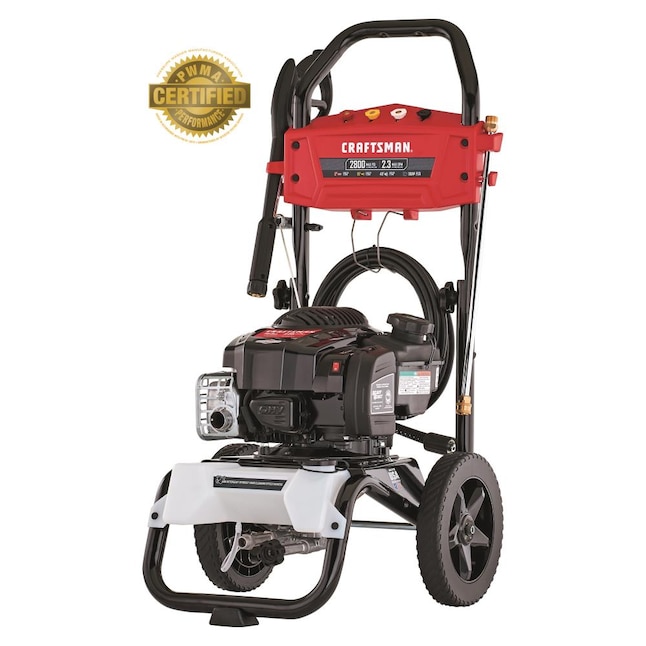
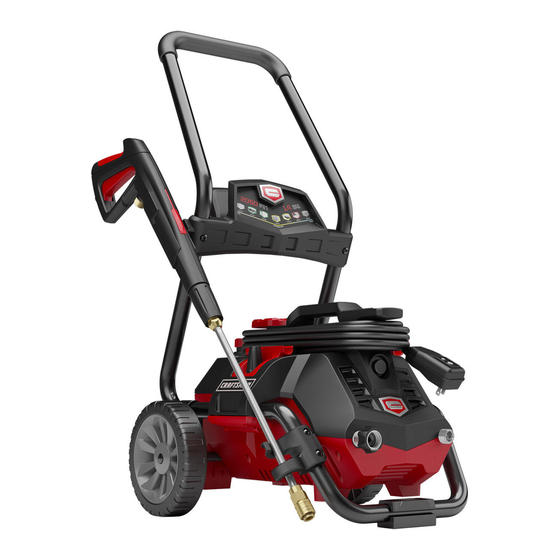
Before jumping into troubleshooting, it helps to know the basics about your machine. Craftsman power washers usually come in two types: gas-powered and electric-powered. Each has its own strengths and common problems.

36% off Today’s Exclusive Deals
Limited-time Exclusive Deals. Check current discount on Amazon.
Check Price on Amazon As an Amazon Associate I earn from qualifying purchases.| Type | Typical PSI Range | Best For | Main Issues |
|---|---|---|---|
| Gas-Powered | 2500–3400 PSI | Large outdoor tasks | Starting problems, fuel issues |
| Electric-Powered | 1700–2200 PSI | Home cleaning, light use | Electrical faults, low pressure |
Knowing which model you have helps you find the right solution. Check your owner’s manual for model numbers, or look for a sticker on the frame. PSI (pounds per square inch) measures cleaning power—higher PSI means tougher jobs.
Safety First: What You Need To Know
Troubleshooting a power washer means dealing with water, electricity, and sometimes fuel. Always:
- Unplug electric units before checking parts.
- Turn off gas units and let them cool.
- Wear gloves and eye protection.
- Release pressure by squeezing the trigger after turning off the unit.
Never try to fix electrical parts with wet hands. Make sure you work in a dry area. Safety is key to avoid injury or further damage.
Common Problems And How To Fix Them
Let’s break down the most frequent issues, their causes, and step-by-step solutions.
Power Washer Won’t Start
This is one of the most common headaches—especially with gas models.
Possible causes:
- Empty fuel tank (gas units)
- Faulty spark plug
- Bad power outlet (electric units)
- Tripped circuit breaker
How to fix:
- Check fuel: Fill the tank with fresh gasoline. Old fuel can cause trouble.
- Inspect spark plug: Remove the plug. If it’s dirty, clean with a wire brush. If cracked, replace it.
- Test power supply: Plug into a different outlet. Check if the outlet works with another device.
- Reset breaker: If the washer tripped your home breaker, reset it. Try again.
Non-obvious tip: For electric models, a GFCI plug (the plug with test/reset buttons) can fail. Press “Reset” and see if the unit starts. Many beginners miss this step.
Loss Of Pressure
When your power washer isn’t blasting like it should, dirt, blockages, or a worn pump are often to blame.
Reasons for low pressure:
- Clogged nozzle
- Blocked water inlet filter
- Leaky hose or connections
- Faulty unloader valve (regulates pressure)
Solutions:
- Clean nozzle: Use a needle or nozzle cleaning tool. Rinse with water.
- Check inlet filter: Remove and rinse under tap water. Reinstall.
- Inspect hoses: Look for cracks or leaks. Replace if needed.
- Test unloader valve: If pressure fluctuates, the valve may need adjustment or replacement. Consult your manual.
| Cause | Quick Fix | Time Required |
|---|---|---|
| Nozzle clog | Clean with tool | 5 minutes |
| Inlet filter | Rinse filter | 3 minutes |
| Leaky hose | Replace hose | 10 minutes |
| Unloader valve | Adjust/replace | 15–30 minutes |
Non-obvious tip: If you use a long extension hose, pressure drops. Try using the shortest hose possible for best results.
Water Leaks
Leaks can appear at the hose, pump, or spray gun. They waste water and make cleaning harder.
Common leak spots:
- Hose connections
- Pump seals
- Spray gun trigger
How to fix:
- Tighten connections: Use a wrench to secure hose fittings.
- Replace O-rings: O-rings (small rubber seals) wear out. Buy a replacement set.
- Inspect pump: If water leaks from the pump body, seals may need professional replacement.
Example: If you see water dripping where the hose meets the washer, remove the hose and check the O-ring. A new O-ring costs less than $2 and solves many leaks.
Soap Doesn’t Dispense
Many Craftsman washers have a detergent tank or tube for soap. Sometimes, nothing comes out.
Possible causes:
- Blocked soap nozzle
- Wrong nozzle type (only low-pressure nozzles pull soap)
- Air in the detergent tube
How to fix:
- Use correct nozzle: Attach the black soap nozzle. Only this one works for detergent.
- Flush detergent tube: Fill with warm water and run the washer for 2–3 minutes.
- Clean soap nozzle: Remove and rinse under warm water.
Non-obvious tip: Some users forget to dilute thick detergent. If soap is too thick, the washer cannot pull it. Always check your manual for the recommended mixture.
Power Washer Shuts Off During Use
Sudden shutdowns are annoying. The causes depend on the model.
For electric units:
- Overheating protection activates
- Extension cord is too long or thin
For gas units:
- Low oil level
- Faulty spark plug
How to fix:
- Let unit cool: Wait 15–30 minutes before restarting.
- Check extension cord: Use a heavy-duty, short cord (12-gauge).
- Add oil: For gas models, check oil level with the dipstick. Add as needed.
- Replace spark plug: If restarting fails, swap the spark plug.
Example: A Craftsman electric washer often shuts down when used with a 50-foot, light-duty cord. Use a shorter, thicker cord to prevent overload.
Spray Pattern Problems
If your washer sprays unevenly, or the pattern is weak, the nozzle or wand may be dirty or damaged.
Causes:
- Mineral buildup (hard water)
- Debris stuck in nozzle
- Worn spray tip
How to fix:
- Soak nozzle in vinegar: Remove mineral deposits by soaking for 20 minutes.
- Clean with wire tool: Push out debris with a cleaning tool.
- Replace spray tip: If worn, buy a new tip (usually under $10).
Engine Runs Rough Or Makes Noise (gas Models)
A rough engine can signal trouble.
Possible reasons:
- Old fuel
- Dirty air filter
- Loose bolts
How to fix:
- Replace fuel: Drain old gas and refill with fresh.
- Clean air filter: Remove, tap out dirt, rinse if washable.
- Tighten bolts: Check all engine mount bolts.
Non-obvious tip: Many users skip air filter cleaning. A dirty filter can make engines run poorly and even damage them over time.
Pump Problems
The pump is the heart of your washer. If it fails, pressure drops or water stops.
Signs of pump problems:
- Water not spraying
- Unusual noise
- No pressure
How to fix:
- Check for leaks: Inspect for oil or water leaks.
- Flush pump: Run clean water through for 5–10 minutes.
- Replace pump: If flushing doesn’t help, pump replacement may be needed.
Practical insight: Pump repairs are best handled by professionals, but flushing and checking for leaks can often help.
Electrical Issues (electric Models)
Electric washers can suffer from wiring or plug problems.
Symptoms:
- Washer doesn’t start
- Sparks from plug
- Tripped GFCI
How to fix:
- Test outlet: Try plugging in a lamp or other device.
- Reset GFCI: Press “Reset” on the plug.
- Inspect cord: Look for cuts or frayed wires.
Example: If you see sparks, stop using the washer and replace the cord or call a technician.
Preventative Maintenance Tips
Keeping your Craftsman power washer in good condition prevents most issues.
- Clean nozzle and filters monthly
- Check oil and fuel before each use (gas models)
- Store indoors, away from freezing temperatures
- Inspect hoses for cracks or leaks
- Flush detergent system with water after use
These habits extend the life of your washer and reduce breakdowns.

Comparing Craftsman Power Washer Features
Choosing the right model can help avoid problems. Here’s a comparison of popular Craftsman washers:
| Model | Type | PSI | GPM (Gallons/Min) | Common Issues |
|---|---|---|---|---|
| CMXGWAS021021 | Gas | 3200 | 2.4 | Starting, leaks |
| CMXPW1700 | Electric | 1700 | 1.2 | Low pressure, cord faults |
| CMXGWAS022021 | Gas | 2800 | 2.3 | Fuel, spark plug |
PSI and GPM affect cleaning power. Higher numbers tackle tougher jobs, but may need more maintenance.
When To Call A Professional
Some problems need expert help:
- Pump replacement
- Electrical wiring repair
- Engine rebuild (gas models)
- Major leaks inside pump housing
If basic troubleshooting doesn’t work, or if you’re unsure, call a technician. Doing repairs wrong can lead to injury or more damage.
Smart Buying And Warranty Advice
If you need parts, buy genuine Craftsman items. Generic parts can cause fit and performance problems. Always check your warranty—many power washers have a 1–3 year warranty covering certain repairs. Keep receipts and register your product online for easier service.
Common buyer mistakes:
- Using non-Craftsman parts
- Ignoring warranty terms
- Not registering product for warranty
For more details about product warranties and authorized service, visit the official Craftsman site: Craftsman Warranty.
Troubleshooting Quick Reference
Here’s a summary for fast checks:
- No start: Check fuel, spark plug, outlet, GFCI.
- Low pressure: Clean nozzle, filter, check hose, adjust valve.
- Leaks: Tighten fittings, replace O-rings.
- No soap: Use correct nozzle, flush tube, dilute detergent.
- Shutdowns: Cool down, check cord/oil, replace spark plug.
- Spray issues: Clean nozzle, replace tip.
- Pump trouble: Flush, inspect, call pro if needed.
Frequently Asked Questions
Why Does My Craftsman Power Washer Lose Pressure After A Few Minutes?
This usually happens due to a clogged nozzle, dirty filter, or a faulty unloader valve. Start by cleaning the nozzle, then check the water inlet filter. If the problem continues, the unloader valve may need adjustment or replacement.
Can I Use Hot Water In My Craftsman Power Washer?
Most Craftsman power washers are designed for cold water use. Using hot water can damage seals and the pump. Always check your manual before trying hot water.
How Often Should I Change The Oil In My Gas-powered Craftsman Washer?
Change the oil after the first 5 hours of use, then every 50 hours or at the start of each season. Use SAE 10W-30 oil unless your manual says otherwise.
What Should I Do If My Washer Won’t Start After Winter Storage?
Try these steps: add fresh fuel, check and clean the spark plug, and inspect the air filter. Fuel left over winter can clog the carburetor, so draining and refilling is important.
Is It Safe To Repair Electrical Parts Myself?
No. If your electric power washer has wiring or plug issues, call a professional. DIY electrical repairs can be dangerous and may void your warranty.
You now have a complete troubleshooting guide for your Craftsman power washer. With these steps, you can solve most problems yourself and know when to get help. Take care of your machine, follow safety tips, and you’ll enjoy clean surfaces for years. If you need more information, check the official Craftsman site or trusted sources like Family Handyman for expert advice.

