

If your Frigidaire ice maker stops working, it can feel frustrating. Many people worry about expensive repairs or replacing the whole unit. The good news is, most ice maker issues are simple to fix at home. You don’t need to be a technician or have special tools. With a clear understanding of common problems, you can get your ice maker running again—often in less than an hour.
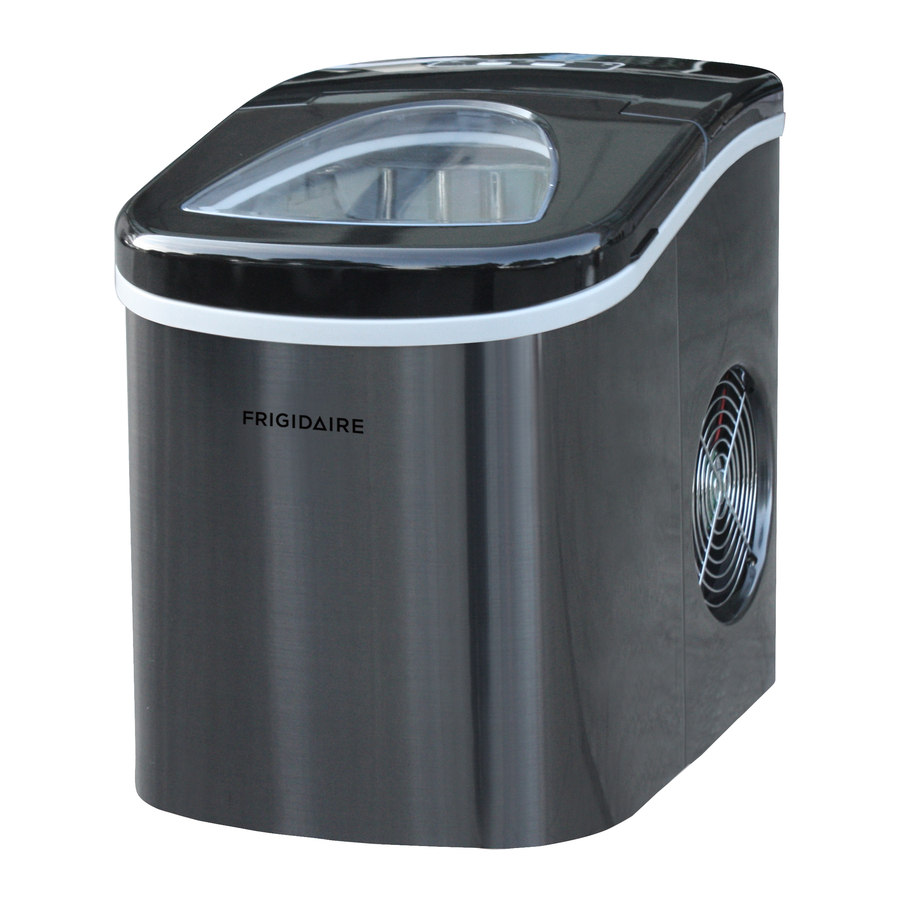
This manual guides you step-by-step through the most frequent Frigidaire ice maker troubleshooting tasks. It covers both built-in refrigerator ice makers and standalone units. You’ll find practical advice, clear explanations, and real examples. Even if English isn’t your first language, you’ll be able to follow along and solve most problems yourself.

36% off Today’s Exclusive Deals
Limited-time Exclusive Deals. Check current discount on Amazon.
Check Price on Amazon As an Amazon Associate I earn from qualifying purchases.How Frigidaire Ice Makers Work
Before you start fixing, it helps to know how the ice maker functions. Most Frigidaire ice makers use a simple process:
- Water supply: A valve sends water into a mold inside the ice maker.
- Freezing: The water stays in the mold until it freezes into ice.
- Ejection: A motor pushes the ice cubes out of the mold into the storage bin.
- Cycle repeat: The machine repeats the process as needed.
Understanding these steps is useful. If your ice maker is not making ice, you can check each part of the process to find the problem.
Safety Precautions
Always start with safety. Here are basic steps to protect yourself and your appliance:
- Unplug the refrigerator or ice maker before touching any internal parts.
- Wear gloves if you need to handle sharp components.
- Never use water near electrical parts.
- If you are unsure, contact a professional for help.
These steps reduce risk, especially if you are new to appliance repair.
Common Problems And Solutions
Most Frigidaire ice maker issues fall into a few categories. Let’s look at the main problems and how to fix them.
1. Ice Maker Not Producing Ice
If your ice maker is not making ice, try these checks:
- Water supply: Is the water line connected and turned on? If not, reconnect or open the valve.
- Freezer temperature: The freezer should be below 18°F (-8°C). If it’s warmer, lower the temperature.
- Ice maker switch: Some Frigidaire models have an on/off switch or arm. Make sure it is turned on.
- Water filter: A clogged filter can block water. Replace the filter every six months.
2. Ice Maker Producing Small Or Hollow Ice Cubes
Small or hollow cubes usually mean low water pressure or partial blockage.
- Check water line: Look for kinks or bends in the tubing.
- Change filter: Replace a dirty water filter.
- Clean mold: Mineral deposits can build up. Use a mix of water and vinegar to clean the mold.
3. Ice Maker Leaking Water
Leaks are often caused by:
- Loose connections: Tighten any fittings on the water line.
- Clogged drain: Clear the drain hole with a straw or pipe cleaner.
- Ice build-up: If ice blocks the mold, defrost the unit and clean.
4. Ice Maker Making Noisy Sounds
Loud noises are normal during ice ejection, but constant or unusual sounds can be a sign of trouble.
- Check for stuck ice: Remove any jammed cubes.
- Inspect motor: If the motor sounds rough, it may need lubrication or replacement.
- Level the unit: Make sure the refrigerator or ice maker sits flat.
5. Ice Maker Not Dispensing Ice
If your ice maker produces ice but won’t dispense it:
- Check for clogs: Ice can clump together. Break up any stuck cubes.
- Inspect dispenser motor: Listen for noise. If the motor is silent, it may be broken.
- Test switch: Press the dispenser switch. If nothing happens, the switch may need replacement.
Step-by-step Troubleshooting Guide
Let’s walk through a typical troubleshooting routine. This works for most Frigidaire models.
Step 1: Check Power And Settings
- Make sure your appliance is plugged in.
- Set the freezer temperature to 0°F (-18°C).
- Turn on the ice maker using its switch or control panel.
Step 2: Inspect Water Supply
- Find the water inlet valve (usually at the back).
- Confirm the water line is connected and not kinked.
- Open the supply valve fully.
- If water doesn’t reach the ice maker, test the valve with a multimeter (if you have one).
Step 3: Examine Water Filter
- Remove the filter and inspect for dirt.
- Replace it if it’s older than six months or looks dirty.
Step 4: Look For Ice Blockages
- Open the ice maker compartment.
- Remove any stuck cubes or ice buildup.
- Defrost if necessary.
Step 5: Test The Ice Maker Mechanism
- Press the test button (if available). Some models have a small button or lever.
- Listen for the motor running.
- If nothing happens, the motor or control board may be faulty.
Step 6: Observe Ice Production
- Wait 24 hours after adjustments.
- If the ice maker works, you’re done.
- If not, consider professional repair.
Troubleshooting Comparison Table
Here’s a quick overview of common problems, causes, and solutions:
| Problem | Possible Cause | Solution |
|---|---|---|
| No ice production | Water supply off, filter clogged, freezer too warm | Check supply, replace filter, lower temperature |
| Small/hollow cubes | Low water pressure, dirty filter, mold buildup | Check line, change filter, clean mold |
| Water leakage | Loose connection, clogged drain, ice build-up | Tighten fittings, clear drain, defrost unit |
| Noisy operation | Stuck ice, bad motor, uneven placement | Remove cubes, lubricate/replace motor, level unit |
| Ice not dispensing | Clumped cubes, broken dispenser motor, faulty switch | Break up ice, replace motor, fix switch |
Cleaning And Maintenance Tips
Regular cleaning is essential for smooth operation. Here’s how to keep your Frigidaire ice maker in top shape:
- Clean every two months: Wipe inside and outside surfaces.
- Sanitize the mold: Use a solution of one part vinegar to two parts water.
- Replace water filter: Every six months, or sooner if water tastes odd.
- Check for leaks: Inspect hoses and connections regularly.
- Defrost as needed: If ice builds up, unplug and let the unit thaw.
How To Clean Your Ice Maker
- Unplug the appliance.
- Remove the ice bin and any cubes.
- Wipe surfaces with a damp cloth.
- Clean the mold using vinegar solution.
- Dry all parts before reassembly.
- Plug in and restart.

Diagnosing Electrical Issues
Sometimes, the problem is electrical. These issues are trickier but can be tested safely.
Signs Of Electrical Problems
- Ice maker is completely dead (no lights, no noise).
- Ice maker cycles erratically.
- Display shows error codes.
What To Do
- Check for blown fuses or tripped breakers.
- Inspect the power cord for damage.
- Look for visible burnt marks on control boards.
- If needed, call a technician.
Water Pressure And Quality
Water pressure is crucial for ice production. Low pressure can cause small cubes or no ice at all.
Measuring Water Pressure
- Most ice makers need 20-120 psi.
- Use a water pressure gauge on your line.
- If pressure is low, check for leaks or clogs in the plumbing.
Water Quality
- Hard water leaves mineral deposits.
- Install a water softener if you have hard water.
- Replace filters regularly to avoid taste and odor issues.
Frigidaire Ice Maker Models
Frigidaire makes several types of ice makers. Each has slightly different features.
| Model | Type | Common Issues | Special Features |
|---|---|---|---|
| EFIC108 | Portable | Clogged filter, noisy operation | Fast ice production |
| FFSS2615TS | Built-in | Water line leaks, small cubes | Large ice bin |
| FGID2476SF | Built-in | Ice not dispensing | Digital controls |
| EFIC237 | Portable | Leaking water | Self-cleaning mode |
Knowing your model helps find specific troubleshooting steps. Always check the manual for your unit.
Replacement Parts And When To Buy Them
Sometimes, you need a new part. Here’s what to look for:
- Water filter: Replace every six months.
- Ice maker motor: If the motor is silent or noisy after troubleshooting.
- Water inlet valve: If water doesn’t reach the ice maker.
- Control board: If display shows error codes or cycles incorrectly.
Order genuine Frigidaire parts. Avoid cheap copies—they often don’t last.

When To Call A Professional
Some problems require expert help. Here are signs you should contact a technician:
- Water leaks inside the refrigerator.
- Ice maker makes burning smells or sparks.
- Control board is visibly damaged.
- You’ve tried all troubleshooting and nothing works.
Technicians have tools to diagnose hidden electrical faults and complex mechanical issues.
Non-obvious Tips Most Beginners Miss
Many new users overlook these points:
- Let your ice maker rest: After moving or cleaning, wait at least 2 hours before turning it on. This lets internal parts settle and prevents leaks.
- Use filtered water: Even if your tap water is clean, filtered water prevents mineral buildup and taste issues.
- Check door seals: If your refrigerator door doesn’t close tightly, the freezer warms up. This stops ice production.
- Don’t overload the bin: Too much ice can jam the ejection mechanism. Empty the bin when it’s full.
These tips save time and prevent common mistakes.
Ice Maker Troubleshooting Data Table
For a fast reference, here’s how long it takes to fix each issue, estimated cost, and difficulty:
| Issue | Time Needed | Estimated Cost | Difficulty |
|---|---|---|---|
| Replace water filter | 10 minutes | $30-$50 | Easy |
| Clear ice blockage | 15 minutes | $0 | Easy |
| Check water line | 20 minutes | $0 | Medium |
| Replace motor | 60 minutes | $80-$120 | Hard |
| Fix electrical issue | Varies | $100-$200 | Hard |
Useful Resources
If you need more detailed information, the official Frigidaire support site offers manuals, videos, and customer help. You can find step-by-step guides and replacement parts at Frigidaire Product Support.
Frequently Asked Questions
Why Is My Frigidaire Ice Maker Making Ice Slowly?
Slow ice production is often caused by a warm freezer or low water pressure. Make sure your freezer is set to 0°F (-18°C). Check the water supply line for kinks and replace the water filter if it’s old. If your area has hard water, mineral buildup can also slow ice production.
How Do I Reset My Frigidaire Ice Maker?
Most models have a reset button. Find it near the ice maker control panel. Press and hold for 10 seconds. Wait a few minutes for the ice maker to restart. If your model doesn’t have a button, unplug the refrigerator for five minutes and plug it back in.
Can I Use Tap Water In My Ice Maker?
Yes, but filtered water is better. Tap water can have minerals and impurities that cause buildup and affect taste. Using a filter prevents these problems and keeps your ice maker working longer.
Why Does My Ice Taste Or Smell Bad?
Bad-tasting ice is usually caused by a dirty water filter or mold buildup. Replace the filter and clean the ice maker with a vinegar solution. If the problem continues, check your water supply for contaminants.
Is It Normal For My Ice Maker To Make Noise?
Some noise is normal during the ice ejection cycle. But loud or constant sounds can mean stuck ice or a bad motor. Remove any jammed cubes and check the motor. If noise continues, call a technician.
Final Thoughts
Troubleshooting a Frigidaire ice maker is simpler than many people think. Most issues come from water supply problems, dirty filters, or ice buildup. By following the steps in this manual, you can fix common problems without calling for expensive repairs. Remember to clean and maintain your unit regularly, check for leaks, and use filtered water. If you run into electrical or mechanical faults, don’t hesitate to call a professional.
With a bit of patience and careful observation, you’ll enjoy clear, fresh ice whenever you want. And you’ll know exactly what to do if your ice maker stops working again.

