

If you love making homemade ice cream, the Cuisinart ice cream maker is a popular choice. It’s easy to use, compact, and can produce tasty frozen treats in under an hour. But what happens when your machine stops working as expected? You might face problems like ice cream not freezing, strange noises, or the paddle refusing to turn. These issues can ruin your dessert plans and leave you frustrated. The good news is, most problems with Cuisinart ice cream makers are simple to fix. In this guide, you’ll learn how to troubleshoot the most common issues, understand the causes, and get practical solutions that work. Whether you’re a beginner or have used your machine for years, this article will help you get back to making delicious ice cream quickly.
Understanding Your Cuisinart Ice Cream Maker
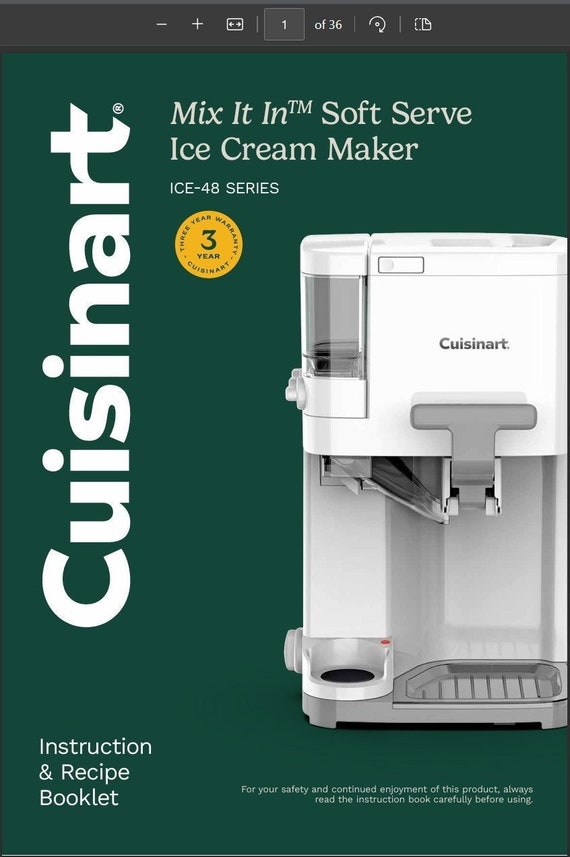
Before you start troubleshooting, it helps to know how your Cuisinart ice cream maker works. Most models, like the ICE-21 or ICE-30BC, use a freezer bowl and a motorized paddle. You freeze the bowl overnight, add your ingredients, and the machine churns them until they turn into ice cream.

36% off Today’s Exclusive Deals
Limited-time Exclusive Deals. Check current discount on Amazon.
Check Price on Amazon As an Amazon Associate I earn from qualifying purchases.There are two main types:
- Freezer bowl models: Require freezing the bowl for 12–24 hours.
- Compressor models: Use built-in cooling and don’t need pre-freezing.
Knowing your model type is important because troubleshooting steps can vary. If you’re unsure about your model, check the user manual or the label on the machine.
How The Freezer Bowl Works
The freezer bowl contains a special liquid inside its walls. When you freeze it, the liquid becomes very cold and helps freeze your ice cream mixture. If the bowl isn’t cold enough, the machine can’t make ice cream.
Key Components
- Motor base: Powers the paddle.
- Paddle/dasher: Churns the mixture.
- Lid: Prevents spills and keeps ingredients inside.
- Freezer bowl: Freezes the mixture.
Understanding these parts will help you find the source of problems faster.
Common Problems And Solutions
Let’s look at the most frequent issues with Cuisinart ice cream makers and how to solve them. Each problem is explained simply, with clear steps to fix it.
Ice Cream Not Freezing Properly
This is the top complaint. If your ice cream stays liquid or only gets slightly thick, something is wrong.
Causes
- Freezer bowl not cold enough
- Too much mixture
- Room temperature too high
- Wrong recipe ratio
Solutions
- Freeze the bowl longer: Place the freezer bowl in your freezer for at least 24 hours. The bowl should be completely frozen. Shake it — if you hear sloshing, it’s not ready.
- Reduce mixture volume: Only fill the bowl to 2/3 full. Overfilling slows freezing.
- Cool the mixture: Chill your ice cream base in the fridge before churning. Starting with a cold mixture helps the process.
- Use the right recipe: Some recipes with too much alcohol or sugar won’t freeze well. Stick to tested recipes until you gain experience.
Practical Example
Suppose you try to make chocolate ice cream, but after 40 minutes it’s still runny. Check the bowl — was it frozen for 24 hours? Did you use a hot mixture? Adjust these steps and try again.
Paddle Won’t Turn
If the paddle isn’t moving, your machine can’t churn the ice cream.
Causes
- Paddle not seated properly
- Too much mixture
- Over-frozen bowl
- Motor problems
Solutions
- Check paddle placement: Make sure the paddle is sitting correctly in the bowl and locked into the motor base.
- Don’t overfill: Too much mixture can jam the paddle.
- Let the bowl sit for 2–3 minutes: If the bowl is too frozen, the paddle may stick. Let it warm up slightly before starting.
- Inspect the motor: If the paddle still won’t turn, listen for any motor sounds. If you hear buzzing but no movement, the motor might be faulty.
Machine Makes Strange Noises
Unexpected sounds can mean a problem.
Causes
- Paddle not aligned
- Hard ingredients
- Motor strain
Solutions
- Realign the paddle: Remove and reinsert the paddle.
- Avoid hard mix-ins: Add nuts, chocolate chips, or fruit only after the ice cream thickens, not at the start.
- Check for obstructions: Look for any foreign objects in the bowl or base.
Ice Cream Too Soft
Sometimes, your ice cream is thick but not firm enough.
Causes
- Freezer bowl not cold enough
- Short churning time
- High sugar or alcohol
Solutions
- Freeze bowl properly: The bowl must be ice-cold.
- Churn for 20–40 minutes: Most recipes need this time to thicken.
- Transfer to freezer: After churning, scoop the ice cream into a container and freeze for 2–4 hours for a firmer texture.
Motor Stops During Churning
If your machine suddenly stops, it’s likely a safety or mechanical issue.
Causes
- Overheating
- Jammed paddle
- Electrical issues
Solutions
- Let the motor cool: Wait 20–30 minutes before restarting.
- Check for jams: Remove the paddle and clear any stuck mixture.
- Try another outlet: Use a different power socket to rule out electrical problems.
Troubleshooting By Model
Different Cuisinart models have unique features. Here’s a quick comparison of the most common models:
| Model | Type | Freezer Bowl Size | Special Features |
|---|---|---|---|
| ICE-21 | Freezer Bowl | 1.5 quarts | Easy-lock lid |
| ICE-30BC | Freezer Bowl | 2 quarts | Brushed metal design |
| ICE-100 | Compressor | 1.5 quarts | No pre-freezing needed |
Model-specific Tips
- ICE-21 and ICE-30BC: Always freeze the bowl overnight. Keep the paddle clean and dry.
- ICE-100: Make sure the machine is on a flat surface. Compressor models need good airflow — don’t block the vents.
Cleaning And Maintenance
Proper cleaning and maintenance prevent many problems. If your machine smells, works slowly, or produces poor results, cleaning is often the answer.
Cleaning Steps
- Unplug the machine
- Remove the bowl, paddle, and lid
- Wash all removable parts: Use warm soapy water. Don’t use hot water on the freezer bowl — it can crack.
- Dry thoroughly: Let all parts air dry. The freezer bowl must be dry before freezing.
- Clean the motor base: Wipe with a damp cloth. Don’t submerge in water.
Maintenance Tips
- Inspect the paddle: Look for cracks or bends.
- Check the cord and plug: Replace if damaged.
- Store the bowl in the freezer: If you make ice cream often, keep the bowl in the freezer so it’s always ready.
Ice Cream Texture Troubleshooting
Getting the right texture is a challenge for many users. Too icy, too grainy, or too soft? Here’s what to do.
Icy Ice Cream
Icy texture usually means too much water or not enough fat.
Solutions
- Use whole milk or cream: Lower fat = more ice.
- Add stabilizers: Ingredients like cornstarch or egg yolks help smooth the texture.
- Chill mixture well: The colder your base, the better the texture.
Grainy Or Sandy Ice Cream
This happens when sugar doesn’t dissolve or ingredients aren’t mixed properly.
Solutions
- Dissolve sugar completely: Warm your mixture to melt sugar before chilling.
- Don’t rush the process: Let the machine churn for the full recommended time.
- Add mix-ins at the right time: Wait until the ice cream is thick before adding extras.
Too Hard After Freezing
If your ice cream turns rock-hard after freezing, it’s likely a recipe or freezing problem.
Solutions
- Let ice cream sit for 10 minutes before scooping: Hard ice cream softens quickly.
- Use airtight containers: Air exposure increases hardness.
- Add a small amount of alcohol: This lowers the freezing point and keeps ice cream softer.
Diagnosing Power And Electrical Problems
Sometimes the issue is not with the bowl or ingredients, but with power. Let’s look at how to fix these problems.
Power Won’t Turn On
If your machine doesn’t start, check the following:
- Outlet: Test the socket with another appliance.
- Cord and plug: Look for damage.
- Internal fuse: Some models have a fuse inside the base. If you’re comfortable, check the manual and replace it if needed.
Machine Stops Mid-cycle
This can be frustrating, especially if your ice cream is almost ready.
- Motor overheating: Allow the machine to cool, then restart.
- Electrical surges: Try plugging into a surge protector.
- Loose connections: Check the paddle and bowl are seated correctly.
Comparison Of Troubleshooting Steps
Here’s a summary table comparing solutions for different problems:
| Problem | Cause | Solution |
|---|---|---|
| Ice cream not freezing | Bowl not cold enough | Freeze bowl for 24 hours |
| Paddle won’t turn | Overfilled bowl | Reduce mixture volume |
| Strange noises | Paddle misaligned | Realign paddle |
| Too soft texture | Short churning time | Churn for 20–40 minutes |
| Motor stops | Overheating | Let motor cool |
Non-obvious Insights For Beginners
Many beginners think every problem is a sign of machine failure, but often it’s simple mistakes. Here are two insights most new users overlook:
- Room temperature matters: If your kitchen is warm (above 80°F/27°C), the bowl loses its chill quickly. Make ice cream in a cool room or turn on the air conditioner.
- Ingredient temperature: Always chill your mixture before pouring it into the machine. Even a slightly warm base can prevent freezing.
Another tip: freezer bowl placement. Some freezers have uneven cooling. Place the bowl in the back, not the door, for the coldest spot.
When To Seek Professional Help
While most issues can be solved at home, some problems need expert attention:
- Motor not working after all troubleshooting
- Visible cracks in the freezer bowl
- Electrical smell or smoke
Contact Cuisinart support or a qualified technician if you see these signs. The company website has repair instructions and warranty information. For official guidance, check Cuisinart Support.

Preventing Future Problems
Prevention saves you time and money. Here’s how to keep your ice cream maker in top shape:
- Always clean after each use
- Store the bowl in the freezer
- Use tested recipes
- Avoid hard ingredients until the ice cream thickens
- Inspect the power cord regularly
These steps reduce wear and tear and keep your machine running smoothly.
Frequently Asked Questions
Why Is My Ice Cream Maker Leaking Liquid?
If you notice liquid leaking from the freezer bowl, it’s likely a crack in the bowl wall. The special cooling liquid inside should never leak. Stop using the bowl and order a replacement. Using a cracked bowl can damage your machine and ruin your ice cream.
How Long Should I Freeze The Freezer Bowl?
For best results, freeze the bowl for at least 24 hours. It should be completely solid before use. Place it in the coldest part of your freezer, not the door. Test by shaking — if you hear any sloshing, it needs more time.
Can I Use Hot Mixtures In My Cuisinart Ice Cream Maker?
No. Always chill your mixture before pouring it into the machine. Hot mixtures can warm the freezer bowl and prevent proper freezing. Cool your ice cream base in the refrigerator for several hours before churning.
What Should I Do If My Ice Cream Comes Out Grainy?
Grainy texture usually means sugar didn’t dissolve fully or the mixture wasn’t blended well. Warm your base to dissolve sugar, then chill before churning. Use whole milk or cream for a smoother result. Avoid rushing the process.
Is It Safe To Put The Motor Base In Water?
Never submerge the motor base in water. Wipe it with a damp cloth instead. Water can damage electrical components and void your warranty. Only wash the removable parts (bowl, paddle, lid) in water.
Getting your Cuisinart ice cream maker back in working order is easier than you might think. With careful troubleshooting and practical tips, you can solve most problems at home and enjoy homemade ice cream anytime. Remember, patience and proper preparation are key to perfect results. If you treat your machine well and follow these steps, you’ll avoid most issues and keep making sweet memories for years to come.


