A Whirlpool refrigerator is a reliable partner in many kitchens. Its ice maker brings extra convenience, especially during hot days or when hosting guests. But what happens when that ice maker stops working? For many people, this issue brings confusion and frustration.
If your Whirlpool refrigerator ice maker isn’t making ice, is stuck, or is giving odd results, you’re not alone. This guide will help you troubleshoot the most common Whirlpool refrigerator ice maker problems, understand their causes, and offer practical solutions—even if you’re not an expert.

36% off Today’s Exclusive Deals
Limited-time Exclusive Deals. Check current discount on Amazon.
Check Price on Amazon As an Amazon Associate I earn from qualifying purchases.Let’s bring the chill back to your freezer.
How Whirlpool Ice Makers Work
Before diving into troubleshooting, it helps to know how a Whirlpool ice maker operates. Most Whirlpool refrigerators use an automatic ice maker system. When the ice maker is turned on, water flows into a mold. After freezing, the ice is ejected into a bin. The cycle repeats as long as there’s room in the bin and water is available.
Key components:
- Water inlet valve: Controls water flow into the ice maker.
- Ice mold: Where water freezes into cubes.
- Thermostat: Senses when ice is frozen.
- Ejector blades/arm: Pushes finished ice out.
- Control module: Manages the cycle.
If any part fails, the ice making process can stop or slow down. Understanding the basics makes it easier to diagnose issues.
Common Whirlpool Refrigerator Ice Maker Problems
Several problems can affect your Whirlpool ice maker. Here are the most frequent ones people face:
- No ice production: The ice maker isn’t making any ice at all.
- Small or misshapen ice cubes: Ice is being made, but the cubes are tiny or odd-shaped.
- Slow ice production: Ice is being made, but very slowly.
- Ice maker not dispensing: Ice is made but not coming out.
- Ice tastes or smells bad: Ice is cloudy, has odor, or tastes strange.
- Water leaks from ice maker: Water is dripping inside the freezer or onto the floor.
- Ice stuck in the mold: Ice is frozen in place and not ejecting.
- Ice maker is noisy: Clicking, grinding, or humming sounds.
Each problem can have multiple causes. Let’s explore these issues and how to solve them.

Step-by-step Whirlpool Ice Maker Troubleshooting
This section guides you through diagnosing and fixing the most common ice maker issues. You’ll find practical steps, warnings, and tips to avoid mistakes.
1. Check The Ice Maker Power And Controls
First, make sure the ice maker is turned on. Many Whirlpool models have a switch, arm, or button to enable or disable the ice maker. If it’s off, it won’t produce ice.
- For models with a wire arm: The arm should be down for ice making.
- For models with a switch: Make sure it’s set to “On” or “Ice.”
Common mistake: Accidentally turning off the ice maker during cleaning or when rearranging the freezer.
2. Inspect The Water Supply
No water, no ice. The ice maker relies on a steady water supply.
- Check the water line at the back of the fridge. Is it kinked or pinched?
- Make sure the water supply valve (usually under the sink or behind the fridge) is open all the way.
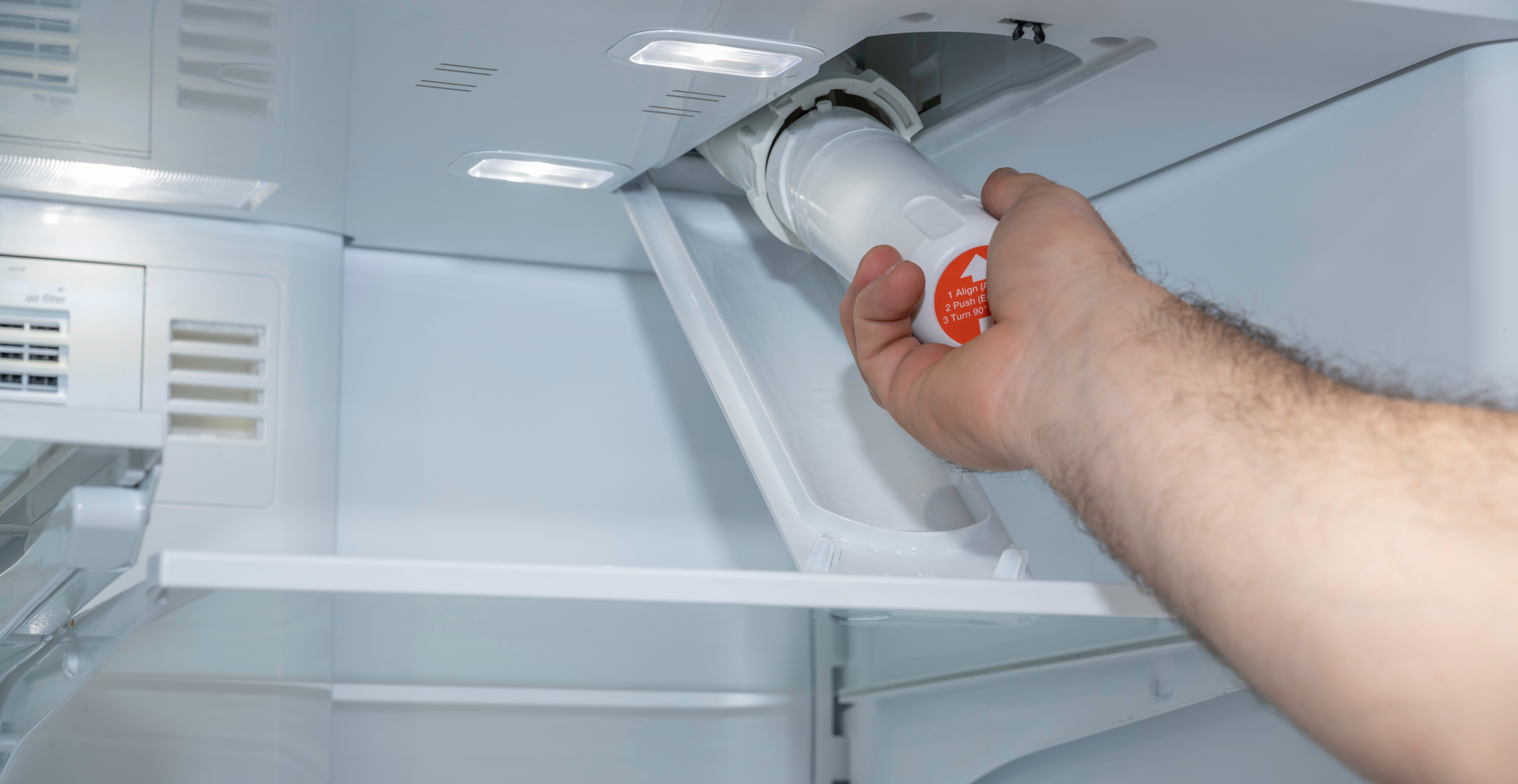
- If you use a water filter, check if it’s clogged or old. Most filters last 6 months.
Non-obvious tip: Even new homes can have low water pressure. Whirlpool ice makers need at least 20 psi to work well.
3. Test The Water Inlet Valve
The water inlet valve opens to let water into the ice maker. If it fails, the ice maker won’t fill.
- Listen for a humming sound when the ice maker cycles. No sound means the valve may be stuck or broken.
- Remove the rear refrigerator panel to inspect the valve (always unplug first).
- You can use a multimeter to check for electrical continuity. No continuity means the valve needs replacing.
Caution: Never force water through the valve. This can cause leaks.
4. Check The Freezer Temperature
The freezer must be cold enough (0°F to 5°F or -18°C to -15°C) for ice production.
- Look at the digital display or use a thermometer.
- If the freezer is warmer than 5°F, ice may not form or will form slowly.
Practical insight: Overloading your freezer or blocking air vents reduces cold air flow, raising the temperature.
5. Examine The Ice Maker Assembly
Sometimes, ice can get stuck, or parts can freeze together.
- Remove the ice bin and inspect the ejector blades or arm.
- Look for jammed ice cubes, frost, or ice build-up.
- If you see ice stuck, gently break it up with a plastic utensil (never use metal).
If the problem happens often, check the water fill level (many Whirlpool models let you adjust this).
6. Inspect The Ice Bin And Dispenser
If ice is being made but not dispensing, there may be a blockage or a mechanical issue.
- Remove the ice bin and clear any clumped ice.
- Dry the bin before replacing to prevent future clumping.
- Make sure the dispenser arm and motor are moving freely.
Non-obvious insight: Leaving the freezer door open for long periods can cause ice to melt and refreeze, sticking cubes together.
7. Look For Water Leaks
Leaks can be caused by:
- Loose water line connections
- Cracked water lines
- Faulty water inlet valve
Check for puddles under or behind your refrigerator. Tighten fittings and replace damaged lines as needed.
8. Address Ice Quality Issues
If ice tastes or smells bad:
- Replace the water filter.
- Clean the ice bin with warm, soapy water.
- Flush the water system by running water through the dispenser for a few minutes.
Cloudy ice often means air bubbles—usually from low water pressure.
Pro tip: Don’t use harsh chemicals to clean the ice bin. Rinse thoroughly to avoid bad flavors.
When To Replace Or Repair Ice Maker Parts
Sometimes, a part is just worn out. Here’s when to consider replacement:
- Ice maker module: If the ice maker cycles but doesn’t eject ice, or won’t start at all.
- Thermostat: If the ice never freezes or always comes out wet.
- Motor or ejector arm: If these don’t move during the cycle.
- Water inlet valve: If it fails continuity tests or leaks water.
Most Whirlpool ice maker parts are available online or at appliance stores. Always buy the correct part for your refrigerator model.
How To Reset A Whirlpool Ice Maker
Many newer Whirlpool models have a reset function. If the ice maker stops working, a reset can solve electronic glitches.
Steps to reset:
- Locate the ice maker’s reset button (see your manual).
- Press and hold the button for 5-10 seconds.
- Wait a few minutes. The ice maker will make a noise or move.
If your model doesn’t have a reset button, unplug the fridge for 1 minute, then plug it back in.
Important: Allow up to 24 hours for the ice maker to start a new cycle after resetting.
Ice Maker Troubleshooting Quick Reference Table
To help you quickly diagnose issues, here’s a quick comparison of common ice maker symptoms, possible causes, and solutions.
| Problem | Possible Cause | Solution |
|---|---|---|
| No ice production | Power off, water supply off, broken valve | Check controls, water line, replace valve |
| Small/odd cubes | Low water pressure, clogged filter | Check pressure, replace filter |
| Slow ice production | High freezer temp, overloading | Set correct temp, avoid blocking vents |
| Ice not dispensing | Clumped ice, jammed dispenser | Clear bin, check arm/motor |
| Leaking water | Loose line, cracked part | Tighten or replace lines/valve |
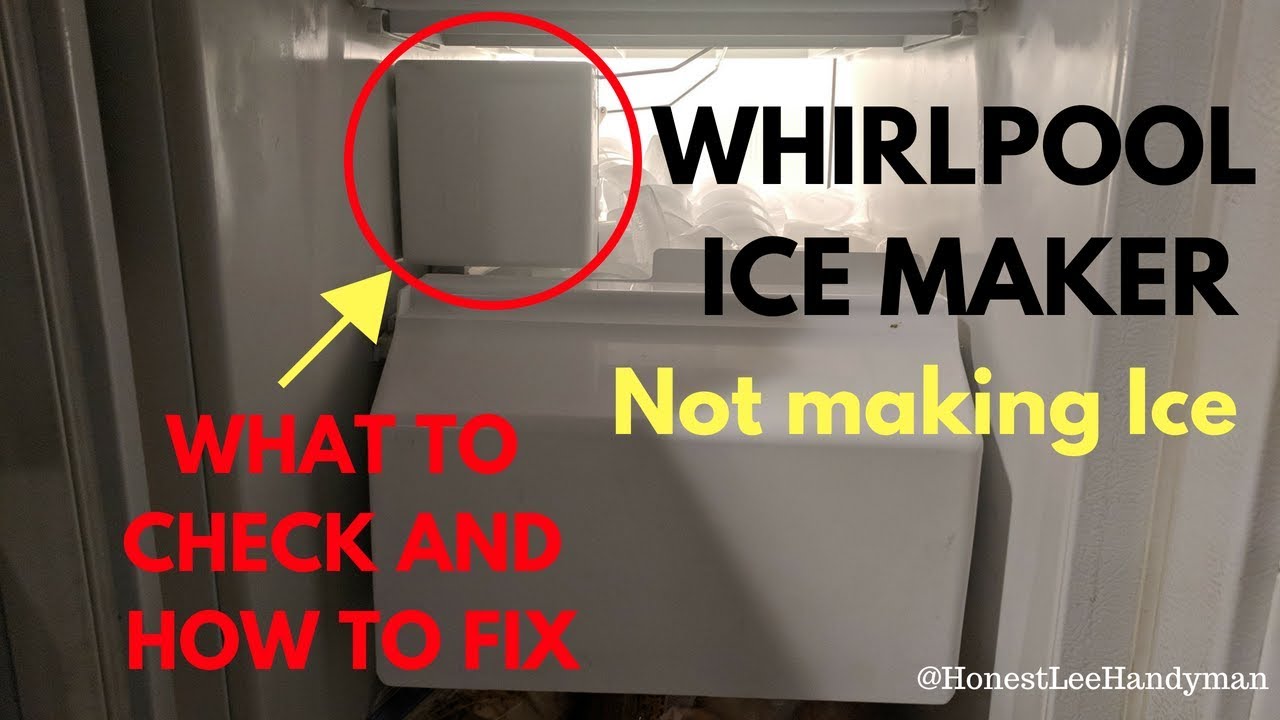
Whirlpool Ice Maker Not Making Ice: Key Fixes
If your Whirlpool ice maker isn’t making ice, try these targeted fixes:
- Confirm power and water supply are on.
- Replace the water filter if it’s older than 6 months.
- Adjust the freezer temperature to between 0°F and 5°F.
- Reset the ice maker using the steps above.
- Inspect for ice jams and clear them.
- Test the water inlet valve and replace if needed.
- Check for error codes (newer models may display these).
If you’ve tried all these steps and still have no ice, it may be time to call a professional.
Preventing Future Whirlpool Ice Maker Problems
A little maintenance goes a long way. Here’s how to keep your ice maker running smoothly:
- Change the water filter every 6 months.
- Clean the ice bin and dispenser monthly.
- Don’t overload the freezer—keep air vents clear.
- Check and tighten water line connections twice a year.
- If leaving for vacation, turn off the ice maker and empty the bin.
Unexpected tip: Flushing two gallons of water through a new filter helps prevent cloudy ice and bad taste.
Diagnosing With Whirlpool Ice Maker Error Codes
Newer Whirlpool refrigerators have error codes that can help you pinpoint issues faster. These codes may appear on the display or flash as a series of lights.
Common codes include:
- E2: Ice maker motor lost position
- E3: Ice maker timed out during harvest (ice stuck)
- E5: Ice maker thermistor fault
If you see a code, consult your manual or search the model number online for specific guidance.
When To Call A Professional
Not every problem is a DIY fix. Call a certified Whirlpool technician if:
- You smell burning or see sparks.
- The ice maker leaks water inside the fridge.
- You’ve replaced parts but the issue remains.
- The refrigerator display shows persistent error codes.
Important: Attempting to repair electrical parts yourself can void warranties or cause injury.
Comparing Diy Troubleshooting Vs. Professional Repair
Some fixes are simple, but others require special tools or knowledge. Here’s how DIY compares to calling a pro:
| Task | DIY | Professional |
|---|---|---|
| Resetting ice maker | Easy, safe | Not needed |
| Changing water filter | Easy, safe | Not needed |
| Replacing water inlet valve | Intermediate, some risk | Quick, guaranteed |
| Diagnosing error codes | Possible, but limited | Expert tools, accurate |
| Fixing electrical faults | Risky, not recommended | Safe, recommended |
In general, try the easy fixes first. If you’re unsure, it’s safer to call an expert.
Frequently Asked Questions
Why Did My Whirlpool Ice Maker Suddenly Stop Making Ice?
Most sudden failures are caused by the ice maker being turned off, a blocked water line, or a clogged water filter. Sometimes, a power surge or resetting the refrigerator can also cause the ice maker to pause temporarily. Check controls and water supply first.
How Often Should I Replace The Water Filter In My Whirlpool Refrigerator?
For best results, replace the water filter every 6 months. If you notice slow ice production, bad taste, or cloudy ice, change it sooner. Using old filters can reduce ice quality and even damage the ice maker.
Can Low Water Pressure Affect My Whirlpool Ice Maker?
Yes. Low water pressure (below 20 psi) can cause small or hollow ice cubes, slow production, or no ice at all. Check your home water pressure and consider using a booster pump if it’s consistently low.
Is It Normal For The Whirlpool Ice Maker To Make Noise?
Some noise is normal, like clicks during cycling or ice dropping into the bin. However, loud grinding, buzzing, or continuous humming may mean a mechanical issue. If the noise is new or very loud, inspect the ice maker or call a technician.
Where Can I Find Official Whirlpool Refrigerator Troubleshooting Guides?
The official Whirlpool website offers troubleshooting steps, manuals, and support. Visit Whirlpool Refrigerator Support for model-specific advice and parts.
A Whirlpool refrigerator ice maker should make life easier, not harder. With these troubleshooting steps, you can solve most issues quickly and confidently. Regular care and knowing when to call for help will keep your ice maker running smoothly for years.