

If you own a restaurant, café, or bar, you know that ice is not just a luxury—it’s a necessity. Whether you serve soft drinks, cocktails, or keep food fresh on display, having a reliable ice maker is crucial. One name that stands out in commercial kitchens is Atosa. But what exactly is an Atosa ice maker, and why do so many businesses choose it? This article dives deep into the features, uses, benefits, and unique details of Atosa ice makers, helping you decide if they’re right for you.
What Is An Atosa Ice Maker?
An Atosa ice maker is a commercial-grade machine designed to produce ice efficiently and reliably. Atosa is a respected brand in the food service industry, known for its refrigeration, kitchen equipment, and ice machines. These ice makers are built to handle high demand, making them ideal for restaurants, hotels, supermarkets, and even hospitals. Atosa machines focus on durability, ease of use, and energy efficiency, aiming to provide consistent ice production without hassle.

36% off Today’s Exclusive Deals
Limited-time Exclusive Deals. Check current discount on Amazon.
Check Price on Amazon As an Amazon Associate I earn from qualifying purchases.Unlike home ice makers, Atosa units are larger, produce more ice per day, and offer different types of ice. Most models are made from stainless steel, which resists corrosion and is easy to clean. Some Atosa ice makers can produce up to 400 pounds of ice per day, making them suitable for busy venues. Their reputation comes from solid engineering, reasonable prices, and dependable service.
Types Of Atosa Ice Makers
Atosa offers several types of ice makers to fit different needs. Choosing the right type depends on your business size, ice demand, and space.
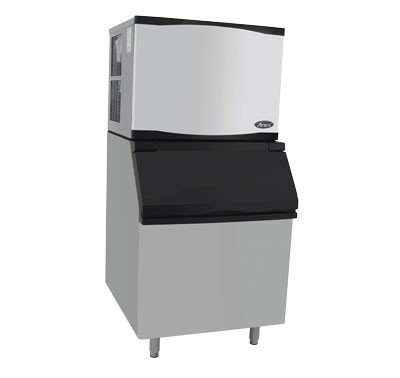
Modular Ice Machines
Modular ice machines are designed to sit on top of separate ice bins. These are best for businesses that need large amounts of ice. They usually produce cube ice, which melts slowly and is ideal for drinks.
- Ice output: 300–400 lbs per day
- Can be paired with different bin sizes
- Easy to service
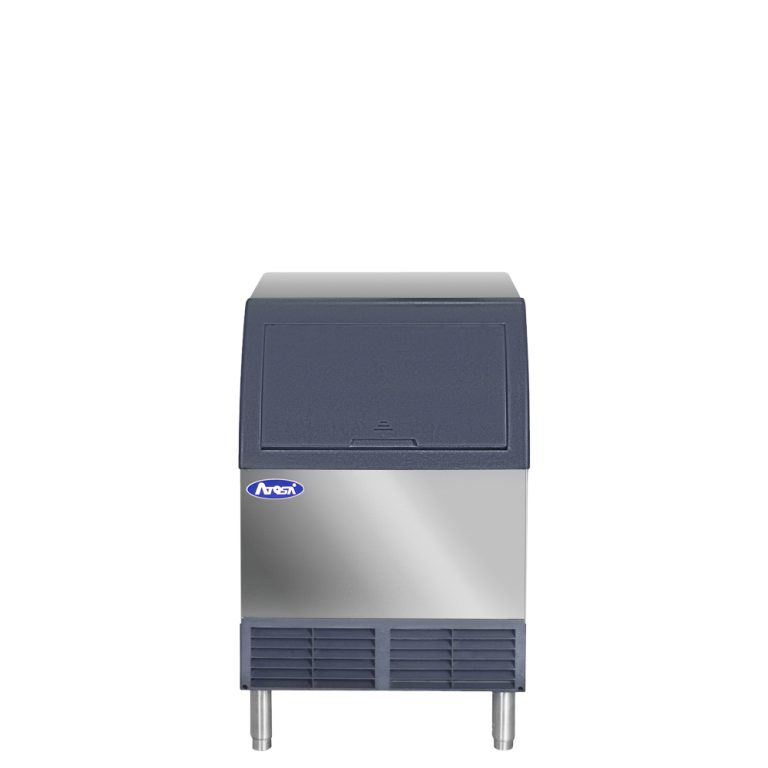
Undercounter Ice Makers
These compact machines fit under counters or bar tops. They are great for smaller spaces or businesses that need less ice.
- Ice output: 100–200 lbs per day
- Space-saving design
- Integrated bin
Combination Ice And Water Dispensers
Some Atosa units combine ice making and water dispensing, perfect for cafeterias and self-serve areas.
- Ice output: Varies (usually 100–150 lbs per day)
- Touchless operation available
- Useful for hospitals and offices
Flake And Nugget Ice Machines
Besides standard cube ice, Atosa also makes machines for flake ice (soft, easy to chew) and nugget ice (small, crunchy pieces). Flake ice is popular for seafood displays, while nugget ice works well in healthcare and beverage stations.
Key Features Of Atosa Ice Makers
Atosa ice makers are engineered for commercial use, so their features focus on performance, durability, and convenience.
- Stainless Steel Construction: Most Atosa machines use stainless steel, making them strong and easy to keep clean.
- Digital Controls: Many models have digital panels, allowing you to set ice size, check production status, and receive alerts.
- Energy Efficiency: Atosa designs aim to use less electricity and water, saving money over time.
- Self-Cleaning Functions: Some ice makers include automatic cleaning cycles, reducing maintenance effort.
- Air- or Water-Cooled Options: You can choose between air-cooled (uses fans) or water-cooled (uses water flow) models. Air-cooled is simpler and cheaper; water-cooled works better in hot environments.
- Large Storage Bins: Modular machines can be paired with bins that hold hundreds of pounds of ice.
- Easy Access for Service: Panels and parts are designed for quick access, making repairs and maintenance simpler.
Atosa Ice Maker Models: Comparison
To help you understand the differences, here’s a comparison of three popular Atosa ice maker models:
| Model | Ice Output (lbs/day) | Type of Ice | Dimensions (inches) | Cooling Method |
|---|---|---|---|---|
| Atosa YR450 | 450 | Cube | 30 x 28 x 38 | Air-cooled |
| Atosa YR240 | 240 | Cube | 24 x 23 x 33 | Air-cooled |
| Atosa YR150 | 150 | Flake | 20 x 22 x 30 | Water-cooled |
Choosing a model depends on your daily ice needs, space, and preferred ice type. For example, the YR450 is ideal for large restaurants, while the YR150 suits seafood displays.
How Atosa Ice Makers Work
Understanding how an Atosa ice maker operates can help you use and maintain it better. The basic process is similar across models:
- Water Supply: The machine connects to a water line. Water enters the freezing chamber.
- Freezing Cycle: The ice maker uses a refrigeration system to freeze water on metal plates or molds.
- Harvest Cycle: Once ice forms, the machine warms the plates slightly, causing ice to fall into the storage bin.
- Storage: Ice is stored in an insulated bin, ready for use.
- Repeat: The machine repeats these cycles until the bin is full.
Some Atosa models allow you to control the size of ice cubes. Others have sensors to stop production when the bin is full, saving energy. Automatic cleaning cycles flush out minerals and debris, preventing scale buildup.
Installation And Maintenance
Proper installation and regular maintenance are key for reliable performance. Here’s what you need to know:
Installation Steps
- Choose Location: Place the machine where there’s enough ventilation and easy access to water and drainage.
- Connect Water Line: Use a clean, filtered water source to prevent mineral buildup.
- Plug In Power: Atosa ice makers require a dedicated electrical outlet.
- Install Drain: Ensure the drainage system handles melted ice and cleaning cycles.
- Test Machine: Run a test cycle to check for leaks or errors.
Maintenance Tips
- Clean the ice bin weekly to prevent mold and odors
- Run self-cleaning cycles as recommended
- Check water filters and replace as needed
- Inspect condenser and fan for dust
- Watch for unusual noises or slow ice production
Many beginners ignore the importance of water quality. Using hard water can cause scale buildup, reducing efficiency and leading to repairs. Always use a water filter to protect your machine.
Common Problems And Troubleshooting
Even quality ice makers like Atosa can face issues. Here are some frequent problems and solutions:
- Slow Ice Production: Often caused by clogged filters, dirty condenser coils, or low water pressure. Cleaning or replacing filters usually fixes it.
- No Ice Output: This can happen if the bin is full, the sensor is faulty, or the water supply is disconnected. Check the bin sensor and water line.
- Strange Noise: May come from loose panels or debris in the fan. Tighten screws and clear obstructions.
- Bad Ice Taste: Usually due to dirty water or mold in the bin. Clean the bin and use filtered water.
- Leaking Water: Can result from blocked drains or loose hoses. Inspect connections and clean the drain.
Beginners often miss checking the bin sensor, which stops ice production when full. If the sensor is dirty or blocked, the machine may stop making ice even though the bin is not full.
Atosa Ice Makers Vs Other Brands
How does Atosa compare to other ice maker brands? Here’s a quick look at key differences:
| Brand | Price Range | Ice Output (lbs/day) | Warranty | Energy Efficiency |
|---|---|---|---|---|
| Atosa | $1,500–$3,500 | 100–450 | 2 years parts & labor | High |
| Manitowoc | $2,000–$4,500 | 150–600 | 3 years parts & labor | Very High |
| Scotsman | $2,200–$5,000 | 200–700 | 2 years parts & labor | High |
| Hoshizaki | $2,500–$6,000 | 250–800 | 3 years parts & labor | High |
Atosa is known for affordable pricing, sturdy construction, and easy maintenance. Other brands may offer more features or higher capacity, but Atosa is a strong choice for mid-sized businesses.

Real-world Applications
Atosa ice makers are found in many settings. Here are some examples:
- Restaurants and Bars: Keeps drinks cold and food fresh
- Hotels: Provides ice on every floor for guests
- Supermarkets: Preserves seafood and produce displays
- Hospitals: Offers sanitary, chewable ice for patients
- Cafeterias: Supplies ice and water for self-service
An often-overlooked use is in laboratories, where precise temperature control is needed for samples.
How To Choose The Right Atosa Ice Maker
Selecting the best Atosa ice maker depends on several factors:
- Ice Demand: Estimate your daily ice usage. A busy bar may need 300+ lbs per day, while a small café can manage with 100 lbs.
- Space: Measure where you want to install the machine. Modular units need more room than undercounter models.
- Ice Type: Decide if you need cube, flake, or nugget ice. Cubes suit drinks; flakes are best for food displays.
- Budget: Atosa offers affordable models, but prices vary by size and features.
- Cooling Method: Air-cooled machines are easier to install; water-cooled work better in hot kitchens.
- Maintenance Needs: Look for machines with self-cleaning and easy-access panels.
- Noise Level: Consider if the machine will be near customers. Some units are quieter.
Many buyers forget to check their local water quality. Hard water can damage machines. Make sure to use filters or softeners if needed.
Energy Efficiency And Cost Savings
Atosa ice makers are designed to save energy and water, which reduces long-term costs. Here are some ways they help:
- Efficient Compressors: Use less electricity per pound of ice
- Smart Sensors: Stop production when ice bin is full
- Insulated Bins: Prevent melting, so less energy is needed to make more ice
- Low Water Usage: Some models recycle water during the ice-making process
According to industry data, commercial ice makers can use up to 20% less energy if maintained well. This not only lowers bills but also helps the environment.
Cleaning And Hygiene
Keeping your ice maker clean is essential for safety and taste. Atosa machines often have self-cleaning cycles, but manual cleaning is still needed.
Steps For Cleaning
- Turn Off Machine: Always unplug before cleaning.
- Empty Ice Bin: Remove any remaining ice.
- Use Approved Cleaner: Atosa recommends specific cleaning solutions.
- Scrub Surfaces: Wipe down all parts, including bin, trays, and sensors.
- Rinse Thoroughly: Make sure no cleaner remains.
- Restart Machine: Run a test cycle to check for taste.
Neglecting cleaning can lead to mold, bacteria, and bad-tasting ice. Cleaning also extends machine life.
Buying And Warranty
When buying an Atosa ice maker, look for reputable dealers and check warranty details. Atosa offers a two-year parts and labor warranty, with some models having extra coverage for compressors.
- Check delivery times and installation options
- Ask about service contracts
- Register your machine for warranty
A common mistake is not registering the product, which can cause issues if repairs are needed.
Atosa Ice Maker Accessories
To get the most from your machine, consider these accessories:
- Water filters: Prevent mineral buildup
- Ice scoops: Keep ice sanitary
- Replacement bins: Upgrade storage capacity
- Drain pumps: Help with water removal in locations without gravity drains
These accessories improve performance and hygiene.
Sustainability And Environmental Impact
Atosa aims to reduce environmental impact. Machines are designed to use less energy and water, and many models are Energy Star certified. Using efficient machines lowers your carbon footprint and operating costs.
Some Atosa units use CFC-free refrigerants, which are safer for the environment. If sustainability is important to you, check for these features.
Where To Learn More
If you want detailed product specs or support, visit Atosa’s official site. For industry standards and reviews, the Food Service Equipment Reports site is a reliable resource.
Frequently Asked Questions
What Types Of Ice Do Atosa Ice Makers Produce?
Atosa machines can produce cube, flake, and nugget ice. Cube ice is popular for drinks, flake ice is used in food displays, and nugget ice is soft and chewable, ideal for healthcare.
How Often Should I Clean My Atosa Ice Maker?
It’s best to clean the ice bin weekly and run self-cleaning cycles monthly. If you notice bad taste or odors, clean more often. Always use approved cleaning solutions.
Can I Install An Atosa Ice Maker Myself?
Most models can be installed by following the manual, but professional installation is recommended for proper water and electrical connections. This ensures safety and warranty coverage.
How Much Ice Does A Typical Atosa Ice Maker Produce Per Day?
Production varies by model. Smaller units make 100–150 lbs per day, while large modular machines can produce 400–450 lbs daily. Choose based on your business needs.
What Is The Warranty On Atosa Ice Makers?
Atosa offers a two-year parts and labor warranty, with some extra coverage for compressors. Always register your machine to activate the warranty.
Atosa ice makers deliver strong performance, reliability, and value for commercial users. With the right model, proper installation, and regular care, they can serve your business for years. If you need a dependable ice solution, Atosa is worth considering.

