

Making fresh ice quickly is essential in restaurants, bars, hotels, and even at home during big events. If you’re considering an Atosa ice maker, you probably want to know: how long does it really take to make ice? The answer isn’t as simple as one number. The time depends on the model, the conditions, and how you use the machine. In this guide, you’ll learn what affects ice production time, how Atosa machines compare with other brands, and smart tips to get the most ice in the shortest time.
Understanding Atosa Ice Makers
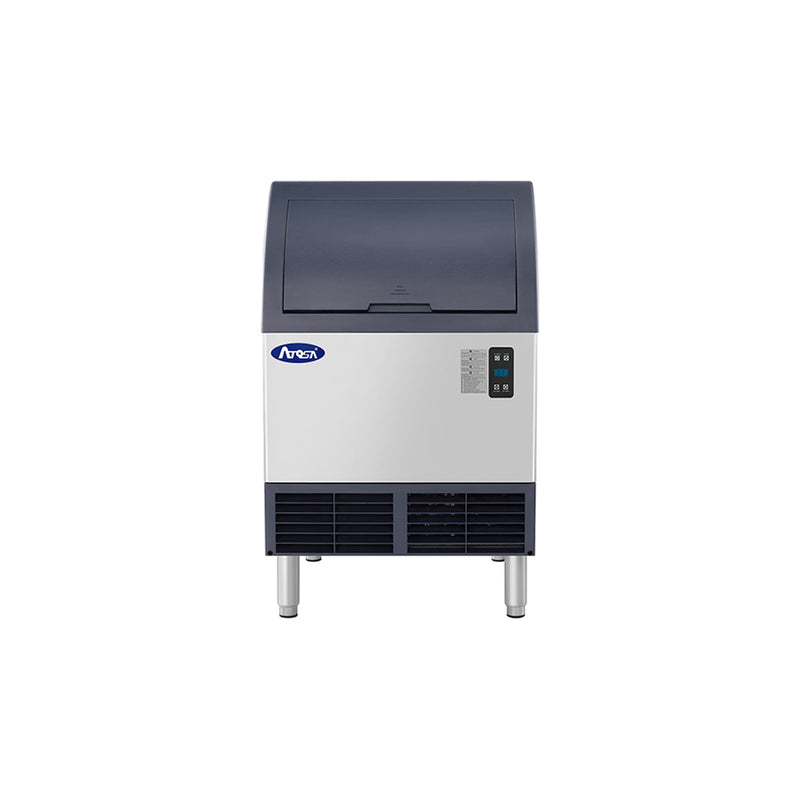
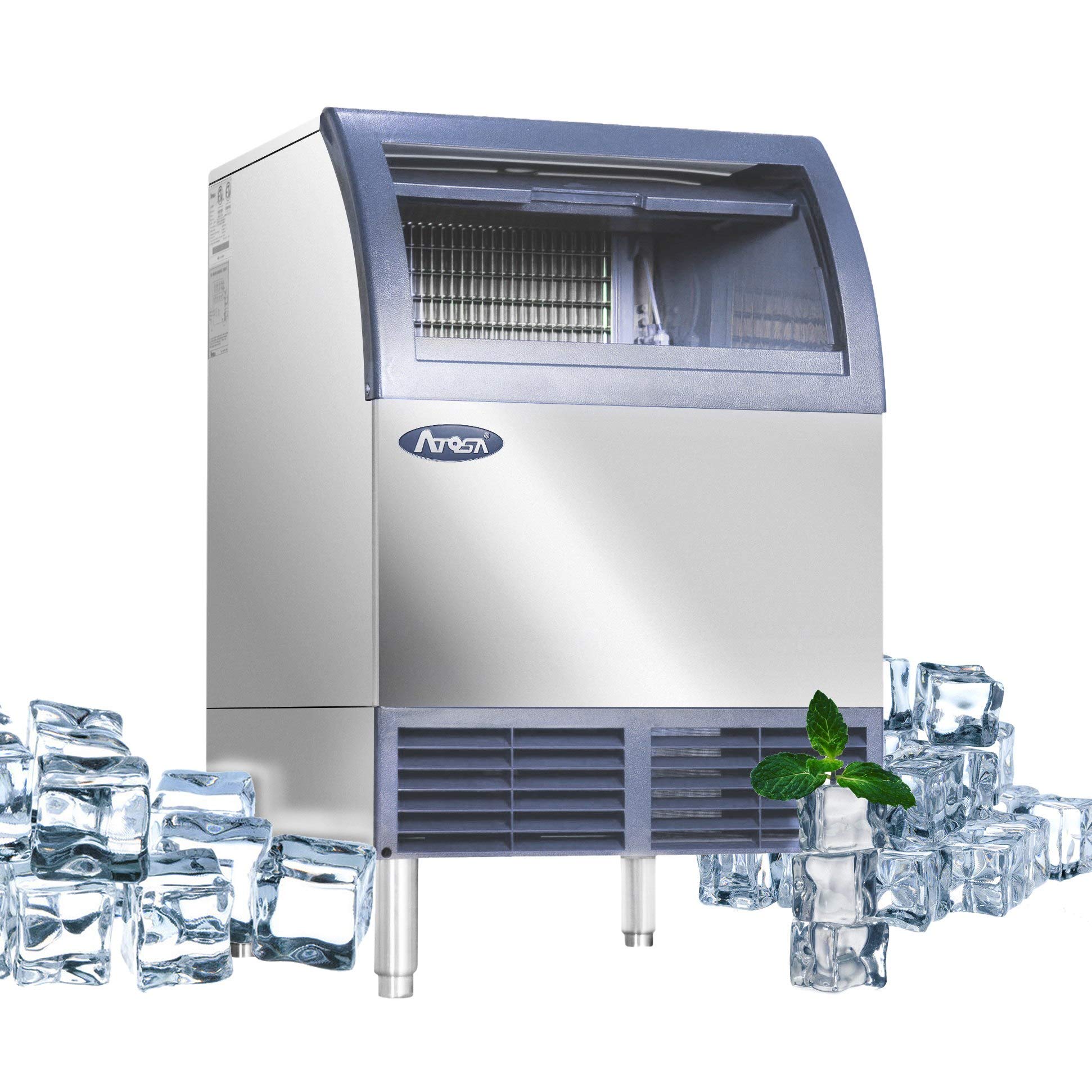
Atosa is a popular brand for commercial kitchen equipment. Their ice makers are known for reliability, price, and ease of use. They offer a range of models—small undercounter units for cafes, and large industrial models for busy restaurants.

36% off Today’s Exclusive Deals
Limited-time Exclusive Deals. Check current discount on Amazon.
Check Price on Amazon As an Amazon Associate I earn from qualifying purchases.Key features of Atosa ice makers:
- Different production capacities, from 50 lbs to 500 lbs per day
- Variety of ice shapes (cube, bullet, nugget)
- Air-cooled or water-cooled options
- Self-cleaning cycles on many models
Knowing your model is important, because each Atosa ice maker has a different cycle time—the time it takes to produce one batch of ice.
How Ice Makers Work: The Basics
To understand how long it takes to make ice, it helps to know the process inside an ice maker.
- Water fills the tray: The machine draws water into an ice mold or evaporator.
- Cooling starts: Refrigerant cools the mold. Water begins to freeze from the outside in.
- Ice forms: The machine monitors the freezing. When the ice is solid, it triggers the harvest cycle.
- Harvesting: The ice drops into the storage bin, and the machine starts again.
Most Atosa machines use a cycle-based system. Instead of making each ice cube one by one, they freeze a full batch during each cycle.
Average Ice Making Times For Atosa Models
Atosa provides an estimated cycle time for each model. For most Atosa ice makers, a single batch takes between 11 to 20 minutes. But the actual time depends on several factors.
Here’s a comparison of some popular Atosa models and their typical ice making speeds:
| Model | Ice Production (per 24 hrs) | Cycle Time (minutes) | Ice per Cycle (lbs) |
|---|---|---|---|
| Atosa YR140-AP-161 | 142 lbs | 12-15 | 2.2 |
| Atosa YR450-AP-161 | 492 lbs | 15-20 | 7.2 |
| Atosa YR800-AP-261 | 772 lbs | 16-20 | 11.2 |
| Atosa YR50 | 50 lbs | 11-13 | 1.1 |
These numbers are based on ideal conditions. “Production per day” is a theoretical maximum—real results depend on the environment and how often you remove ice.
Factors That Affect Ice Production Time
The time it takes for an Atosa ice maker to create ice is not fixed. Here are the main factors that can speed up or slow down ice cycles:
1. Ambient Temperature
Ice makers are tested at 70°F (21°C) air and 50°F (10°C) water. If your kitchen is hotter, or your water supply is warmer, ice forms more slowly. For example, if the room is 85°F and your water is 70°F, ice cycles can take 25–30% longer.
2. Water Quality And Flow
Clean, filtered water freezes faster. Hard water or slow water flow leads to longer cycles and smaller cubes. Regularly replacing filters helps the machine run efficiently.
3. Machine Maintenance
A dirty condenser or scale build-up on the evaporator slows down heat transfer. This makes each cycle longer and could reduce overall ice output by 10–40%.
4. Ice Thickness Setting
Atosa ice makers let you adjust the thickness of ice cubes. Thicker cubes take more time to freeze, while thin cubes finish faster. Most users leave this at the default, but you can tweak it if you need ice in a hurry.
5. Storage Bin Fullness
If the ice bin is full, the machine pauses until you remove ice. This doesn’t affect cycle speed, but the machine may not run as often.
6. Power Supply Stability
Low voltage or power interruptions can restart cycles or cause errors. A stable connection keeps the ice maker running on schedule.
Example: Calculating Real Ice Production Time
Suppose you have an Atosa YR140-AP-161. The spec sheet says 12–15 minutes per cycle, and each cycle makes 2.2 lbs of ice.
In perfect conditions, over 24 hours:
- 60 minutes / 13.5 min average cycle = ~4.4 cycles/hour
- 4.4 cycles × 2.2 lbs = 9.68 lbs/hour
- 9.68 lbs × 24 = 232 lbs/day
But the official “142 lbs/day” rating assumes downtime for bin fills, defrosts, and less-than-ideal conditions. That’s why real output is lower than math suggests.
If your kitchen is hot, cycles might stretch to 18 minutes. That’s about 3. 3 cycles/hour, or 7. 26 lbs/hour—much less ice.
Atosa Vs. Other Brands: How Do Speeds Compare?
It’s helpful to see how Atosa’s ice making times compare to other big brands like Manitowoc, Scotsman, and Hoshizaki. Here’s a quick side-by-side for similar-sized machines:
| Brand/Model | Production (lbs/24 hrs) | Cycle Time (minutes) | Ice Type |
|---|---|---|---|
| Atosa YR140-AP-161 | 142 | 12-15 | Cubes |
| Manitowoc UYF0140A | 132 | 14-17 | Cubes |
| Hoshizaki KM-161BAJ | 162 | 14-18 | Crescent |
| Scotsman CU1526SA-1 | 150 | 13-16 | Small Cube |
You can see that Atosa’s cycle times are competitive—often slightly faster in ideal conditions. For most users, there’s no major speed advantage between brands in this class.
Getting The Fastest Ice: Practical Tips
If you need ice as quickly as possible—maybe for a party or a busy dinner rush—follow these steps to maximize ice output from your Atosa machine:
- Pre-cool the kitchen: Lower the room temperature if possible.
- Use cold water: Connect your machine to a cold water line, not hot.
- Clean the machine regularly: Remove scale and dust monthly.
- Check the condenser coils: Make sure air can flow freely.
- Don’t overfill the bin: Remove ice often so the machine keeps cycling.
- Adjust cube thickness: For emergencies, set cubes to thin for faster freezing.
- Replace water filters: Old filters slow water flow and ice production.
Non-obvious insight: Many owners forget that the first batch after powering on is always the slowest. The machine needs time to cool itself down. Later cycles will be faster, so don’t judge speed by the first batch.
Another detail: If your location has frequent power outages, consider a small uninterruptible power supply (UPS) for the ice maker’s control board. This avoids restarts that can delay ice production.
How To Read Atosa Ice Maker Specs
When shopping for an Atosa ice maker, you’ll see several specs. Here’s what they mean for ice-making speed:
- Production per 24 hours: Theoretical maximum, in perfect lab conditions.
- Cycle time: How long it takes for one batch (usually 10–20 min).
- Bin capacity: How much ice the storage bin holds when full.
- Ice shape and size: Larger cubes take longer to freeze.
Always ask for the average cycle time and ice per cycle to get a true idea of how fast you’ll get ice.
How Long For A Full Bin Of Ice?
It’s common to ask, “How long until my Atosa bin is full?” Let’s break it down:
Suppose your Atosa YR140-AP-161 has a 33 lbs bin and produces 2. 2 lbs per 13-minute cycle.
- 33 lbs / 2.2 lbs = 15 cycles
- 15 cycles × 13 min = 195 minutes (~3.25 hours)
So, it takes about 3–3.5 hours to fill the bin from empty, assuming ideal conditions.
This is useful if you need to prepare for an event. Start the machine early enough to ensure a full supply.
Troubleshooting Slow Ice Production
If your Atosa ice maker is taking longer than expected, check these common problems:
1. Dirty Machine
Dirt and mineral buildup are the top causes of slow cycles. Clean the ice maker every 1–2 months, or more often in hard water areas.
2. High Room Or Water Temperature
Install the ice maker away from ovens or dishwashers. If your water supply is always warm, consider a water chiller.
3. Low Water Pressure
Atosa machines need stable water pressure. Low flow can add 3–5 minutes per cycle.
4. Incorrect Settings
Check that the machine isn’t set for extra-thick cubes unless you want them.
5. Full Bin Or Faulty Sensor
If the bin full sensor is dirty or broken, the machine may pause production.
If you’ve checked all these and your machine is still slow, consult the manual or contact Atosa support.

Real-world Example: Restaurant Scenario
Let’s say you run a small restaurant. You need ice for drinks, food prep, and seafood displays. Your Atosa YR450-AP-161 makes 492 lbs/day. On a busy Saturday, you use about 350 lbs.
If your peak rush is 4 hours (e.g., dinner time), you need around 90 lbs per hour. Given the cycle data (7.2 lbs/cycle, 17 min/cycle):
- 60 minutes / 17 min = 3.5 cycles/hour
- 3.5 × 7.2 = 25.2 lbs/hour
This means you need to pre-make ice before the rush—let the bin fill completely during slower hours. Otherwise, you will run out of ice during service. This is why bin capacity matters as much as speed.
How To Select The Right Atosa Ice Maker For Your Needs
Choosing an ice maker isn’t just about speed—it’s also about matching capacity to your real needs. Here are steps to help you pick the best model:
- Estimate daily ice use: Add up all drinks, displays, and prep needs.
- Plan for peak times: Make sure your bin can hold enough for your busiest hours.
- Check cycle times: Faster cycles are better if you need quick recovery.
- Consider space and ventilation: Larger machines need more room and airflow.
- Think about ice type: Different drinks and foods work best with certain cube shapes.
Insider tip: Always buy a machine rated for at least 20–30% more than your expected use. This covers days when the kitchen is hotter, or the machine slows down due to maintenance or water issues.
Maintenance For Consistent Ice Times
Regular care is key for fast ice:
- Descale monthly: Especially if you have hard water.
- Clean air filters: Dirty filters slow cooling.
- Sanitize the bin: Prevents bacteria and slime.
- Check for leaks: Water on the floor means less in the ice tray.
Following the maintenance schedule in your Atosa manual will keep your cycle times consistent and your ice clean.
Myths And Misunderstandings About Ice Production
Some people believe that “bigger machines make ice faster” or that “thicker cubes are always better.” Here’s the truth:
- Bigger machines make more ice per day, but not always faster per batch. They just run larger cycles.
- Thin cubes freeze faster but melt more quickly in drinks.
- Turning the machine off and on does not speed up ice making—it actually slows it down.
- Room temperature matters more than you think. Even a 5°F increase in kitchen temperature can add minutes to each cycle.
Understanding these details helps you avoid common mistakes and get the best performance.
Energy Use And Ice Making Time
Faster ice production often means using more electricity. Atosa ice makers are designed to balance energy efficiency with speed. For example, air-cooled models are often more efficient in cool rooms, but water-cooled models maintain their speed better in hot kitchens.
To save energy:
- Keep the machine clean
- Use it in a cool location
- Only run it when needed
Check the Energy Star rating if efficiency is important for your business.
For more on how commercial ice makers work, the Wikipedia entry on ice makers covers the technology in detail.
Frequently Asked Questions
How Long Does The First Batch Of Ice Take In An Atosa Ice Maker?
The first batch usually takes longer—about 20–30 minutes—because the machine needs to cool itself down before freezing water efficiently. Later cycles are faster, typically 12–20 minutes per batch.
Why Does My Atosa Ice Maker Take Longer Than The Manual Says?
Slow ice cycles are often caused by high room temperature, warm water supply, dirty condenser coils, or mineral buildup inside the machine. Check these first before calling for service.
How Can I Speed Up Ice Production In My Atosa Machine?
To make ice faster, keep the kitchen cool, use cold water, clean the machine often, and choose a thinner ice setting if possible. Remove ice from the bin so the machine keeps cycling.
Is Atosa Faster Than Other Ice Maker Brands?
Atosa’s cycle times are competitive with other leading brands like Manitowoc and Scotsman. Actual speed differences are small—performance depends more on room conditions and maintenance.
How Much Ice Does An Atosa Ice Maker Produce In One Hour?
This depends on the model. For example, the YR140-AP-161 makes about 9–10 lbs per hour under ideal conditions. Larger models can produce 20 lbs or more per hour, but cycle times and kitchen temperature will affect real output.
Getting the right Atosa ice maker and keeping it well-maintained will ensure you have a steady supply of ice—fast enough for busy service and special events. With the right setup, you’ll rarely have to wait long for fresh, clean ice.

