

If you love coffee at home, a Nespresso coffee maker can be your daily hero. But what happens when your machine starts acting up? Maybe it won’t turn on, coffee isn’t hot, or the water just drips. These issues can be frustrating, especially if you need your caffeine fix fast. The good news: most problems with Nespresso machines are simple to fix at home, even if you’re not a tech expert.
Below, you’ll find solutions for the most common Nespresso troubles, ways to keep your machine running smoothly, and tips that even many owners miss. Whether you use an OriginalLine or VertuoLine model, this guide will help you enjoy better coffee—without the stress.

36% off Today’s Exclusive Deals
Limited-time Exclusive Deals. Check current discount on Amazon.
Check Price on Amazon As an Amazon Associate I earn from qualifying purchases.Understanding Your Nespresso Coffee Maker
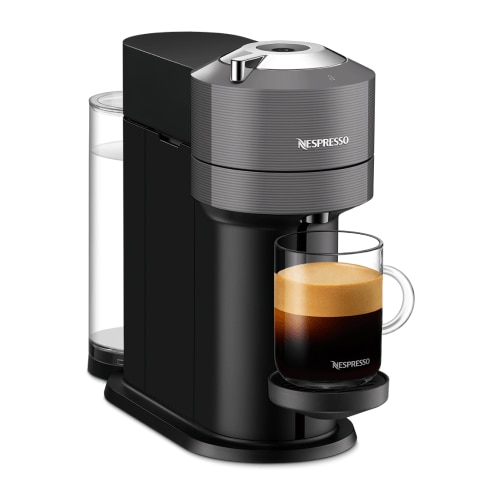
Nespresso has two main lines: OriginalLine (like Essenza, Pixie, CitiZ, and Lattissima) and VertuoLine (such as Vertuo, VertuoPlus, Evoluo). Both use pods, but their brewing systems are different.
- OriginalLine: Uses pressure to brew espresso-like drinks.
- VertuoLine: Reads barcode on the pod and spins it fast (centrifusion) for crema and different cup sizes.
Knowing your model is important because troubleshooting steps can vary. For example, VertuoLine has a spinning head, while OriginalLine doesn’t.
Common Problems And Fixes
Let’s look at the issues that Nespresso users face most often—and how to fix them.
1. Machine Won’t Turn On
This seems basic, but it’s a top complaint.
- Check the power cord: Is it fully plugged into both the machine and the wall?
- Try another outlet: Sometimes the problem isn’t the machine, but the plug.
- Look for lights: If no lights show, hold down the main button for 3–5 seconds. Some models have a safety mode.
If your machine still stays silent, the internal fuse may have blown. In that case, contact Nespresso support.
2. Blinking Or Steady Lights
Nespresso machines “talk” through light codes.
- Fast blinking (2-3 times per second): Machine is heating up.
- Slow blinking: May need descaling or has an error.
- Steady light: Ready to brew.
For VertuoLine, an orange blinking light means a system error. Unplug for 15 minutes, then try again. Still blinking? Perform a factory reset (check your manual).
3. No Coffee Or Only Drips
If only a few drops come out, or nothing at all:
- Check water tank: Is it empty or not seated properly?
- Descale: Limescale can block the pump. See descaling tips below.
- Piercing needle: Coffee grounds can block the needle that pierces the pod. Remove pod, unplug machine, and use a paperclip to gently clean the needle.
Pro tip: Many users miss the water tank alignment. Even a slight misfit can prevent brewing.
4. Coffee Isn’t Hot Enough
Coffee should be hot, but not boiling.
- Pre-heat: Run a cycle with just water (no pod) before brewing.
- Descale: Buildup inside can lower temperature.
- Cup material: Thick mugs absorb heat. Try a thin-walled cup or preheat your mug.
5. Leaking Water
A puddle under your Nespresso isn’t normal.
- Check the water tank: Cracks or loose sealing can cause leaks.
- Drip tray and used capsule container: Empty and clean them.
- Descale: Sometimes blockages inside make water leak from the base.
If the leak is from the bottom and continues after cleaning, it could be a seal inside the machine. Contact support for repair.
6. Capsule Won’t Eject Or Insert
If the pod is stuck:
- Turn off and unplug: Wait a few minutes.
- Gently try to remove: Never force it; you can break the machine.
- Clean the capsule area: Old grounds can jam the mechanism.
If capsules often get stuck, try switching pod brands (stick with official Nespresso pods for best results).
7. Unusual Noises
Grinding, clicking, or loud hissing can mean:
- Pump is struggling: Check for water in the tank.
- Capsule holder is blocked: Clean with a damp cloth.
- Descale: Mineral deposits can make the pump noisy.
Non-obvious insight: Many owners ignore strange noises, but catching them early can prevent bigger problems.
How To Descale Your Nespresso Machine
Descaling removes mineral buildup from inside your coffee maker. If you live in an area with hard water, you should descale every 2–3 months. If not, every 6 months is usually enough.
Here’s a quick guide for most models:
- Empty: Remove any pod and empty the drip tray and used capsule container.
- Mix solution: Use a Nespresso descaling kit or a mix of 1 part white vinegar to 1 part water.
- Add to tank: Fill the water tank with the solution.
- Enter descaling mode: Hold down both buttons (or the main button, depending on your model) for 3 seconds.
- Run cycle: Place a container under the spout and start the process.
- Rinse: Refill tank with clean water and run another cycle to rinse.
| Model | Descaling Button Sequence | Descaling Time (minutes) |
|---|---|---|
| Pixie | 2 buttons for 3 seconds | 20 |
| Vertuo | Lever + button for 3 seconds | 25 |
| Lattissima | Descale button for 5 seconds | 30 |
Tip: Always rinse well—vinegar or descaler left inside can taste bad or damage the machine.
Cleaning And Maintenance Tips
Regular care prevents most Nespresso problems.
- Rinse daily: Run water-only brew before and after coffee.
- Clean the water tank: Once a week with warm, soapy water.
- Wipe exterior: Use a damp cloth.
- Capsule container and drip tray: Empty and clean every few days.
Don’t put parts in the dishwasher unless your manual says it’s safe.
Non-obvious insight: Mold can grow inside used capsule containers if left too long. Clean them often, especially in humid climates.

When To Call For Service
Sometimes, you can’t fix the problem at home. Call Nespresso or visit their service center if:
- Machine trips your breaker or has a burning smell.
- Leaks from the bottom won’t stop after cleaning.
- Buttons or screen don’t respond at all.
- You hear loud popping or electrical sounds.
Nespresso offers a 1-2 year warranty on most machines. Keep your proof of purchase.
Comparing Common Models And Their Troubles
Different Nespresso models have different weak points. Here’s a quick look:
| Model | Typical Issue | Repair Difficulty | Best DIY Fix |
|---|---|---|---|
| Pixie | Leaking tray | Easy | Reseat tray, clean |
| VertuoPlus | Spinning head jammed | Medium | Unplug, clean pod area |
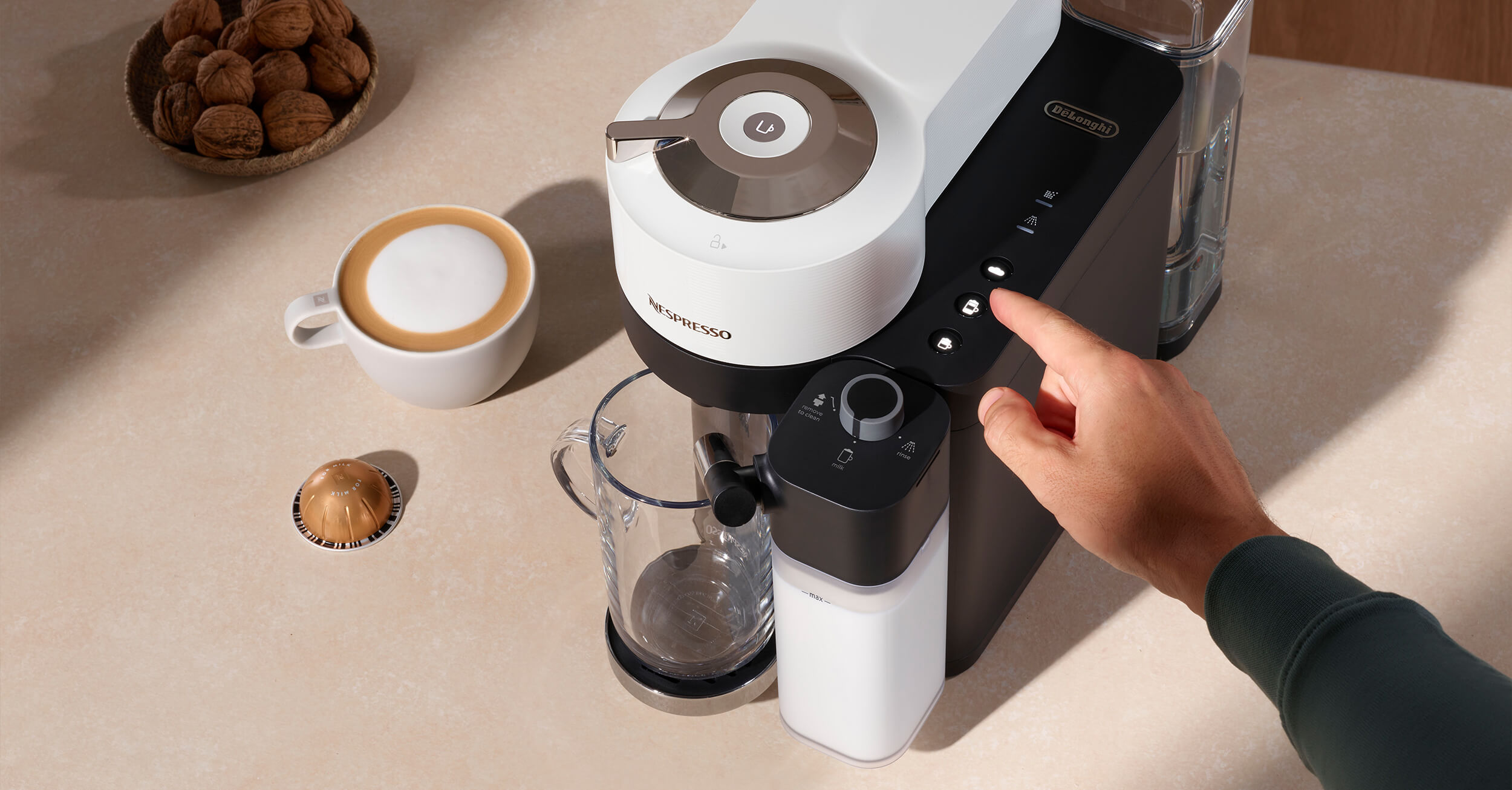
| Lattissima Touch | Milk frother clogged | Medium | Soak parts, use cleaning tool |
Troubleshooting Milk Frother Issues
Many Nespresso machines have a built-in or separate milk frother (Aeroccino). Common issues:
- Not frothing: Milk may be too hot or too little. Use cold, fresh milk and fill to the correct line.
- Burnt milk: Clean after every use—dried milk burns fast.
- No power: Check connection and base. Try another outlet.
If you see a blinking red light, it often means overheating or dirty contacts. Let it cool, then clean the base and try again.
How To Avoid Common Mistakes
Even experienced users can make these errors:
- Using non-Nespresso pods: Off-brand pods can jam or break the mechanism. Stick with official pods.
- Forcing stuck parts: If something is stuck, gently wiggle it instead of using force.
- Ignoring descaling: This shortens machine life.
- Overfilling the tank: Too much water can cause leaks.
- Letting coffee sit in the machine: This attracts bacteria and can clog the system.
A little care goes a long way.
Nespresso Error Codes And What They Mean
Some advanced models display codes. Here are the most common:
- Red or orange steady light: Machine needs descaling.
- Flashing red light: Machine is overheating. Let it cool for 30 minutes.
- Pulsing light: Water tank is empty or not properly placed.
- Alternating red and yellow: System error—reset machine.
Tip: Always check your user manual for model-specific codes.
When To Upgrade Or Replace
If your Nespresso is over five years old and repairs are frequent or expensive, it might be time for a new one. Newer models are more energy-efficient and make better crema. Some even connect to your phone for easier troubleshooting.
Data point: In surveys, 80% of Nespresso owners say their machine lasted 4–6 years with regular cleaning.
If you buy a new model, consider cup size options, milk frother features, and the price of pods.
Helpful Resources
For deeper guides, the official Nespresso FAQ covers each model and has how-to videos.
Frequently Asked Questions
Why Does My Nespresso Machine Blink But Not Brew?
A blinking light can mean the machine is heating, needs descaling, or has an error. Check the water tank, descale if overdue, and make sure the pod is placed correctly.
How Often Should I Descale My Nespresso Coffee Maker?
Descale every 2–3 months if you have hard water, or every 6 months for soft water. If you brew several cups daily, descale more often.
Can I Use Vinegar Instead Of Nespresso Descaling Solution?
Yes, you can mix white vinegar and water (1:1 ratio) as a substitute. But the official solution is designed to be gentle on internal parts. Rinse thoroughly to avoid taste issues.
What Should I Do If My Coffee Tastes Bad?
Clean all removable parts and descale the machine. Old coffee oils, milk residue, or limescale can all affect taste. Use fresh, filtered water for best results.
Is It Safe To Open And Repair My Nespresso Machine Myself?
Basic cleaning is safe, but opening the machine can void your warranty and risk electric shock. For internal repairs or electrical issues, contact Nespresso support.
A well-cared-for Nespresso machine gives years of great coffee. With the steps above, you can fix most issues at home and keep your machine running smoothly. Take care of your Nespresso and it will take care of you—one perfect cup at a time.

